BERN (Reuters) - Climate change poses one of the biggest long-term threats to the financial industry, Switzerland's financial market supervisor FINMA said in its first-ever risk report published on Tuesday.
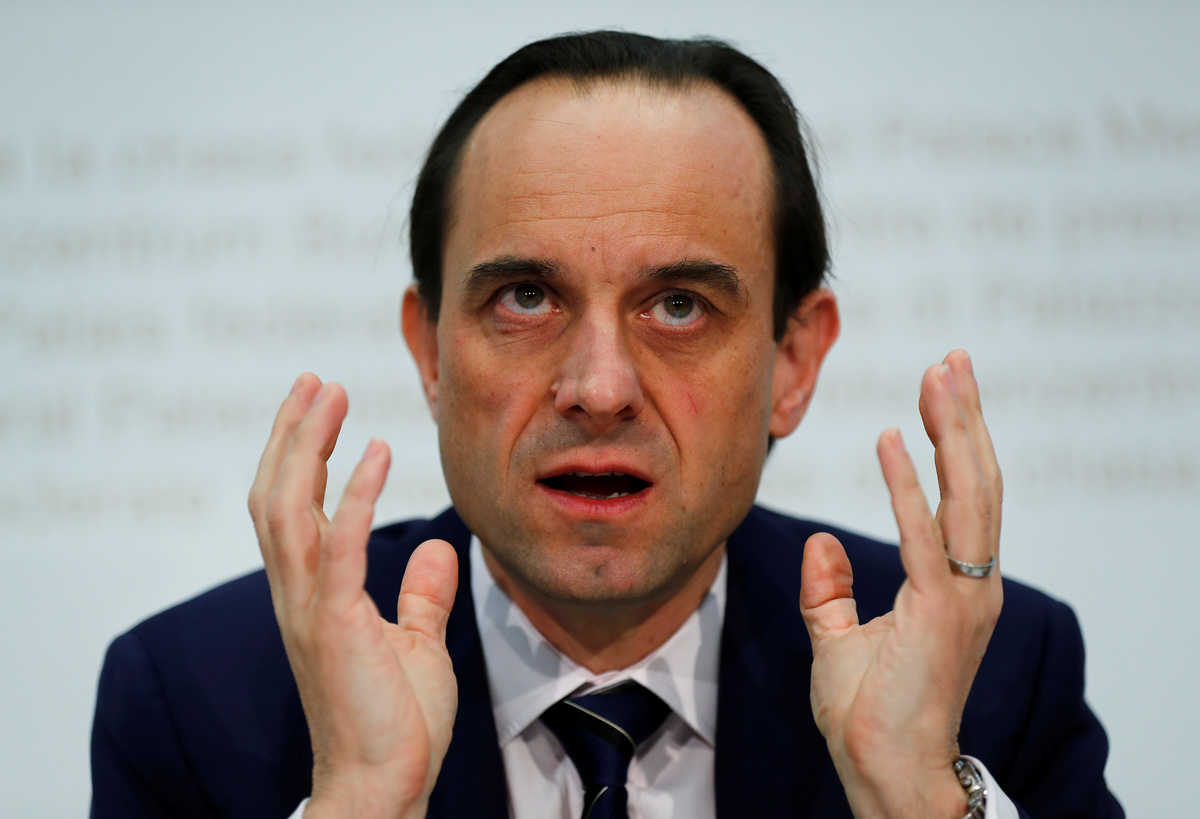
The financial industry faces broad-based risks related to climate change and the regulatory and political response to environmental problems, ranging from rising natural catastrophe costs that could cause significant losses for the insurance industry to a drastic repricing of climate-exposed assets which may not be fully anticipated by markets, FINMA boss Mark Branson told a news conference.
"The more countries delay in taking effective measures to achieve climate targets, the more invasive such measures are likely to be," the watchdog said in its report. "There is a possibility that the markets will not price in the corresponding risks until a late stage, but will then do so aggressively."
FINMA is currently analyzing risks related to so-called "stranded assets", such as those linked to industries including energy, manufacturing and transportation that could be materially impacted by climate policy, and to industries that could be adversely impacted by environmental change, Branson said. It intends to address high concentration of such assets with the relevant financial institutions, he added.
Low interest rates and a possible real estate market correction remain among the current risks to the financial industry, the financial supervisor said.
Cyberattacks, banks' lack of preparation for the end of LIBOR benchmark interest rates and rising challenges to cross-border market access were also highlighted as risks.
The watchdog also said it had revised its approach to combating money laundering, and saw the risk that shrinking margins could push financial groups to take on profitable new clients from emerging markets with high corruption risks. It would therefore take a sharper focus in auditing and risk management on institutions serving "quasi-state" clients, it said.
(Reporting by Brenna Hughes Neghaiwi; Editing by Michael Shields)