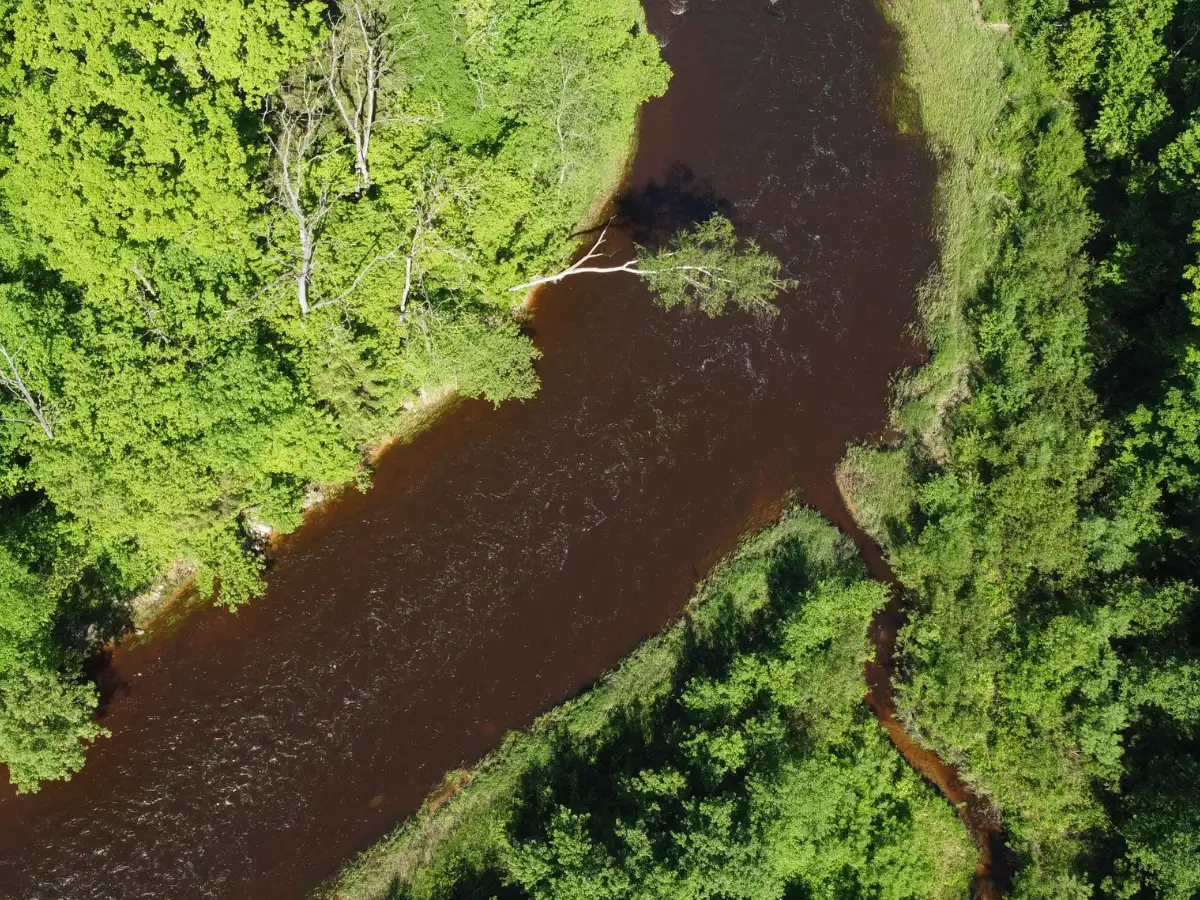
That lake you’ve been fishing for years? It's probably a different color than what it used to be. From the Adirondacks in New York to the lakes of Minnesota, freshwater bodies across much of northeastern North America are taking on a brownish, tea-like color. And the fish in those waters are changing along with them.
According to a study titled ‘Differential effects of freshwater browning across fish species: consequences for individual- to community-level fish traits in north temperate lakes,’ published in Biological Reviews by researchers at McGill University, a phenomenon called "freshwater browning" is transforming fish populations in hundreds of lakes across North America and Europe. The findings carry real implications for the more than 43 million Americans who fish freshwater lakes and rivers, according to the Recreational Boating & Fishing Foundation, because the species at the end of your line may not be what they once were.
What is freshwater browning?
The name says it all: lakes, ponds and streams are visibly darkening. According to the McGill University newsroom, the cause is an increase in dissolved organic carbon (DOC), essentially decomposed plant and soil matter washing into water bodies from surrounding land. It's like steeping a tea bag; the organic compounds turn the water brown.
Two forces are working here. According to a study, ‘The browning and re-browning of lakes: Divergent lake-water organic carbon trends linked to acid deposition and climate change’ published in Scientific Reports, climate change and the rebound from decades of acid rain, which resulted from clean-air regulations that cut industrial sulfur emissions, are pushing DOC levels higher in northern lakes. Warmer temperatures mean more runoff and faster movement of organic material from soil into water. And as acid rain decreased, soils recovered, releasing more carbon into nearby waterways. According to the same research, in areas with less historical acid deposition, climate change is now pushing DOC concentrations well above pre-industrial levels.