American cities are getting hotter every summer, and people are dying because of it. According to a 2024 study, ‘Trends of Heat-Related Deaths in the US, 1999-2023,’ published in JAMA, by Howard et al. , heat-related deaths in the US rose from 1,069 in 1999 to 2,325 in 2023, a 117% increase in raw numbers over that period. The average number of heat waves that major US cities experience each year has doubled since the 1980s, according to ABC News citing the federal government's Fifth National Climate Assessment. Cities built on concrete and asphalt were not designed for what is coming. Now, scientists are testing whether the proposed fixes can actually keep people safe.
A new study titled ‘Adapting urban areas to rising temperatures: Strategies to reduce heat and vulnerability in a warming world,’ published in the journal Urban Climate, led by researchers at the Institute of Environmental Science and Technology at the Universitat Autònoma de Barcelona (ICTA-UAB), put three of the most discussed urban cooling strategies through rigorous climate simulations to find out. The findings are sobering, practical, and broadly relevant to every American city suffering from ever-hotter summers.
What the researchers actually tested
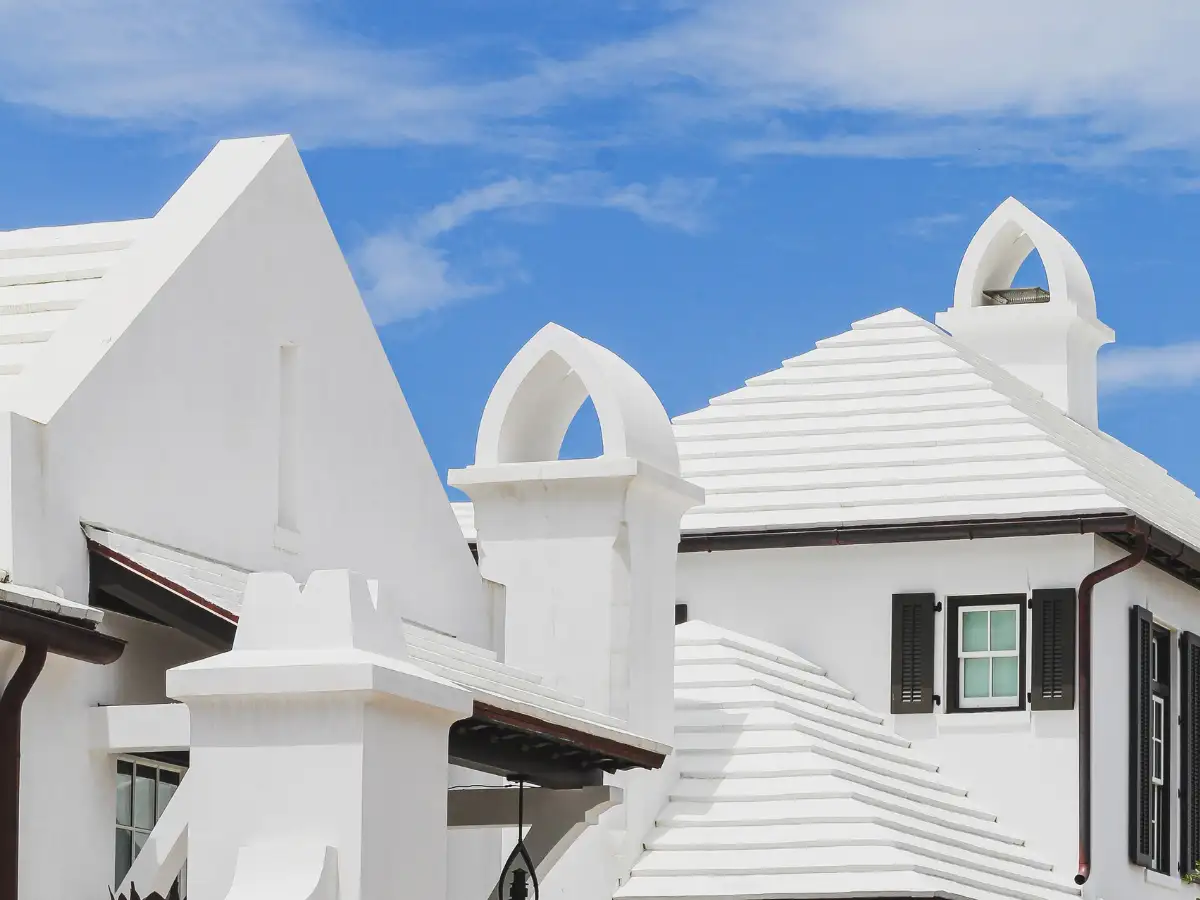
According to the ICTA-UAB study, the team used high-resolution meteorological simulations and the Pseudo Global Warming approach to project future heat waves in the Barcelona metropolitan area, a dense, sunbaked city whose climate patterns resemble parts of the American Southwest and Southeast. They evaluated three strategies: painting roofs white to reflect sunlight, installing irrigated green roofs, and expanding urban parks and peri-urban agricultural areas.
According to the ICTA-UAB study, white roofs were the most effective daytime solution and could cut temperatures by up to 1.75°C in the most vulnerable neighborhoods. The mechanism is simple: white surfaces reflect much of the incoming solar radiation, rather than absorbing and storing it. But the same study notes that this benefit disappears and may even backfire when reflective paint is used on building facades rather than rooftops, because the reflected heat can raise street-level temperatures.