
Just as we're all discovering the advanced performance of Claude Opus 4.6, Anthropic is unveiling Claude Sonnet 4.6 — and it’s a bigger upgrade than the version number suggests. The company says this is its most capable Sonnet model yet, bringing major improvements across coding, reasoning, computer use and design — all while keeping the same pricing as Sonnet 4.5.
More importantly, Sonnet 4.6 closes the gap between mid-tier and flagship AI models. Tasks that previously required an Opus-class model can now run on Sonnet — at a fraction of the cost. Here’s what you need to know.
A smarter model — without higher pricing
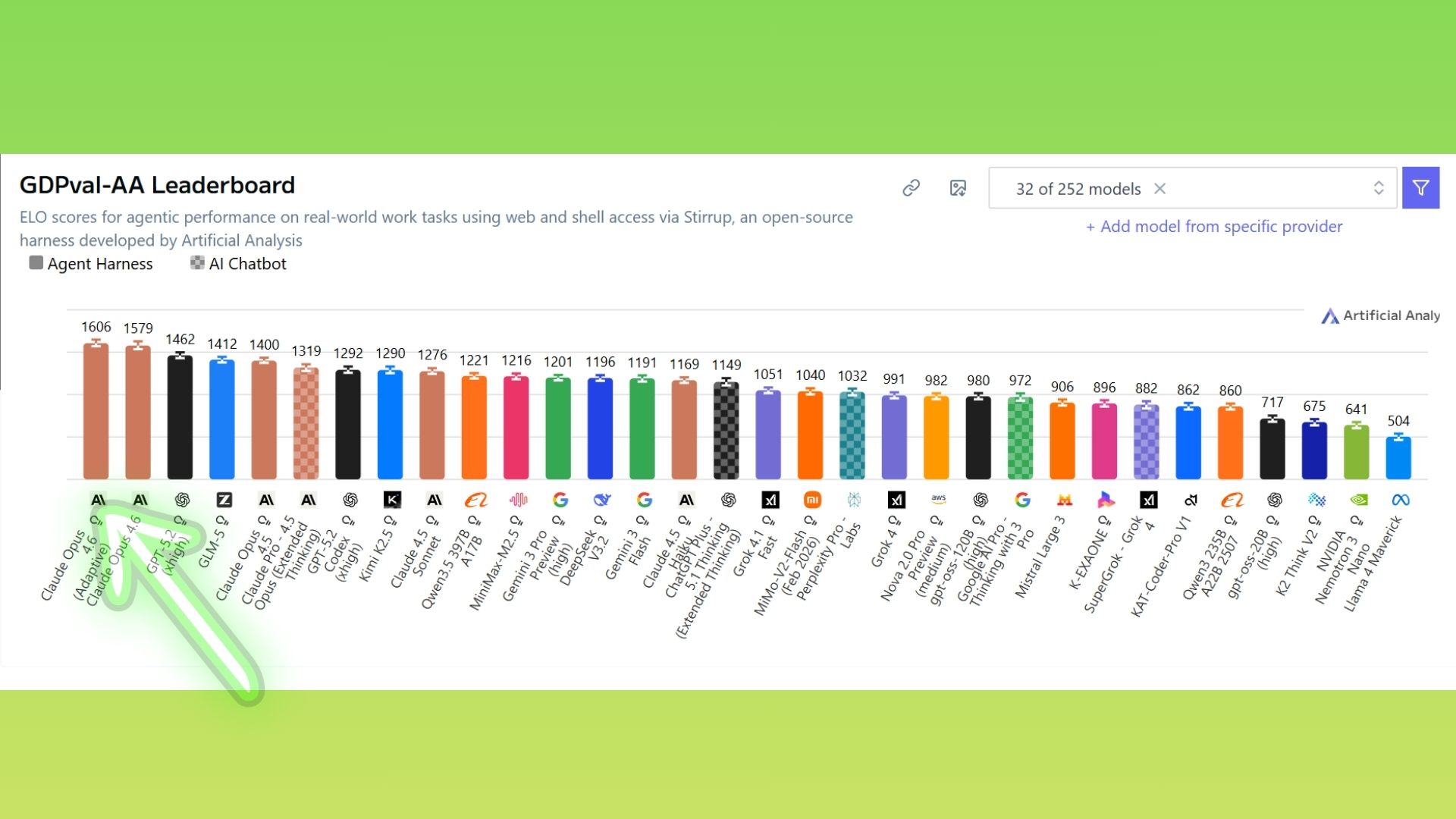
Claude Sonnet 4.6 is now the default model for Free and Pro users in Claude.ai and Claude Cowork. Early developer testing shows strong preference for the new model, with users favoring Sonnet 4.6 over its predecessor roughly 70% of the time. In some workflows, testers even preferred it to Claude Opus 4.5 thanks to better instruction-following and fewer hallucinations.
One of the biggest upgrades is a 1M-token context window (currently in beta). That’s enough to analyze:
- entire codebases
- lengthy legal contracts
- dozens of research papers
- complex multi-document workflows
But size isn’t the whole story. Sonnet 4.6 is designed to reason across that context, enabling better long-horizon planning and multi-step problem solving all while prioritizing safety.
In one evaluation simulating business operations, the model invested aggressively early, then pivoted toward profitability — a strategic shift that helped it outperform competitors.
We’re getting closer to truly autonomous AI

Anthropic continues pushing toward AI that can operate software the way humans do. Instead of relying on APIs, Claude can:
- click through interfaces
- complete multi-step web forms
- navigate spreadsheets
- coordinate tasks across browser tabs
Benchmarks from OSWorld — which tests AI using real software like Chrome, LibreOffice and VS Code — show steady improvement, with early users reporting human-level performance on complex workflows.
This matters because most business software wasn’t built for automation. A model that can use tools the way people do could dramatically expand what AI can actually accomplish. That said, the company acknowledges the technology still trails expert human users, but progress is accelerating.
Stronger prompt-injection defenses

As AI gains the ability to operate computers, security risks rise. One of the biggest threats is prompt injection, where malicious instructions are hidden inside websites or documents.
Anthropic says Sonnet 4.6 shows a major improvement in resisting these attacks compared to Sonnet 4.5, performing similarly to its latest Opus model in safety evaluations.
Sonnet 4.6 introduces several platform improvements:
- Adaptive & extended thinking modes
- Context compaction to summarize older conversation content (currently in beta)
- Web search tools that filter results automatically
- Expanded tool calling, memory and code execution capabilities
- Excel add-in support for MCP connectors (FactSet, PitchBook, S&P Global and more)
Bottom line
For most real-world productivity work, Sonnet 4.6 now offers near-flagship performance at a significantly lower cost. Anthropic says Opus 4.6 remains the best option for complex codebase refactoring, multi-agent coordination and high-precision reasoning tasks.
Claude Sonnet 4.6 is available now across Claude.ai, Claude Cowork, Claude Code, the Claude API and major cloud platforms. The free tier has also been upgraded and now includes file creation, connectors and context compaction.
With massive context handling and improved computer-use capabilities, this release pushes AI closer to being a true digital coworker rather than a typical chatbot.
Check back here for real-world tests to see what this new model can do.

Follow Tom's Guide on Google News and add us as a preferred source to get our up-to-date news, analysis, and reviews in your feeds.