SAPPORO -- Local residents in Sapporo seem to be increasingly welcoming the relocated Olympic marathon and racewalking next summer, but not everyone feels that way.
One concerned party is Yumi Wada, the 70-year-old president of Sapporo-based Alice Inc., which publishes books about Hokkaido, including its food and history. "It's good the Olympics will give Sapporo a boost, but I'm worried whether annual events, such as one of Japan's largest beer gardens and other festivals, will be canceled," Wada said with a pained smile.
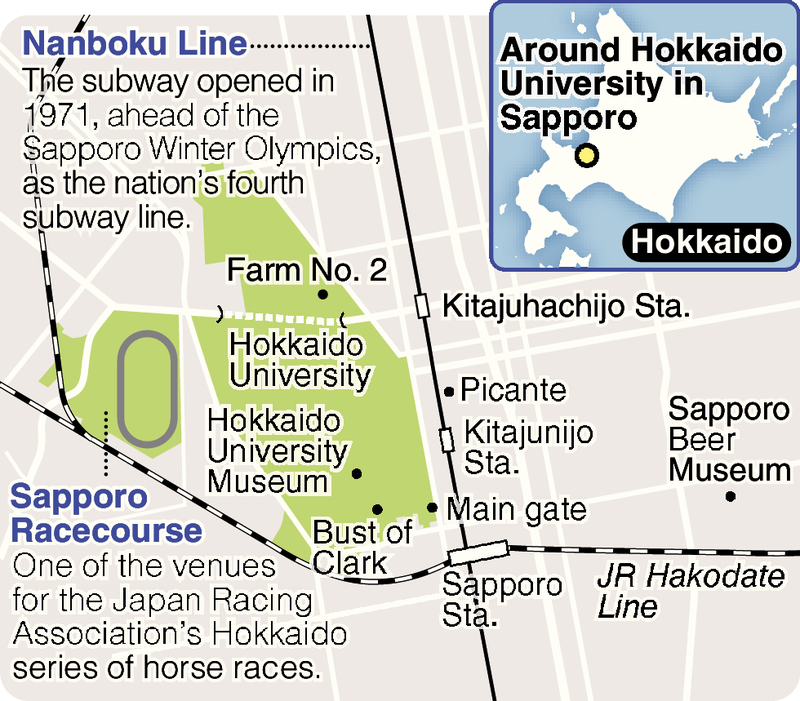
Areas on the south side of JR Sapporo Station always tend to attract attention. They include Odori Park, which is the start and finish line of the Olympic marathon events. On my visit in late October, I exited from the north gate of the station and strolled around Hokkaido University's Sapporo campus.
It was a seven-minute walk to the main gate of the university campus. I walked around the premises and found many tourists taking photos in front of a bust of William S. Clark.
His exhortation "Boys, be ambitious" is extremely well known. Clark served as vice president of Sapporo Agricultural College, the predecessor of Hokkaido University, which opened in 1876 to promote the development of Hokkaido.
When Clark returned home, he made the statement as he bid farewell to students. For a long time, I thought he'd said these famous words on the university campus.
However, according to professor emeritus Tsuneo Igarashi, 87, "Dr. Clark made his farewell remark at the former Shimamatsu Ekiteisho in Kitahiroshima [also in Hokkaido], which still exists today." Ekiteisho was an accommodation facility and also a transit point for the transportation of goods and mail.
The misconception that the famous remark was made in Sapporo stems from the fact that Clark's bust at Hokkaido University became a famous tourist spot after the end of World War II.
"Around 1970, many chartered sightseeing buses formed lines from the inside to the outside of the university campus," Igarashi said with a laugh. "There were so many tourists crowding the place that it felt hard for me, a teacher at the time, to even cross the road inside the campus."
In 1973, the university banned sightseeing buses from entering the campus premises, on the grounds that they interfered with studies.
The Sapporo Tourist Association feared Clark's name recognition might fall, and therefore set up a full-body statue of him in 1976 at Sapporo Hitsujigaoka Observation Hill, which is nearly 10 kilometers south of the university campus.
As the university campus and the observation hill attracted attention related to Clark, people apparently lost interest in Kitahiroshima.
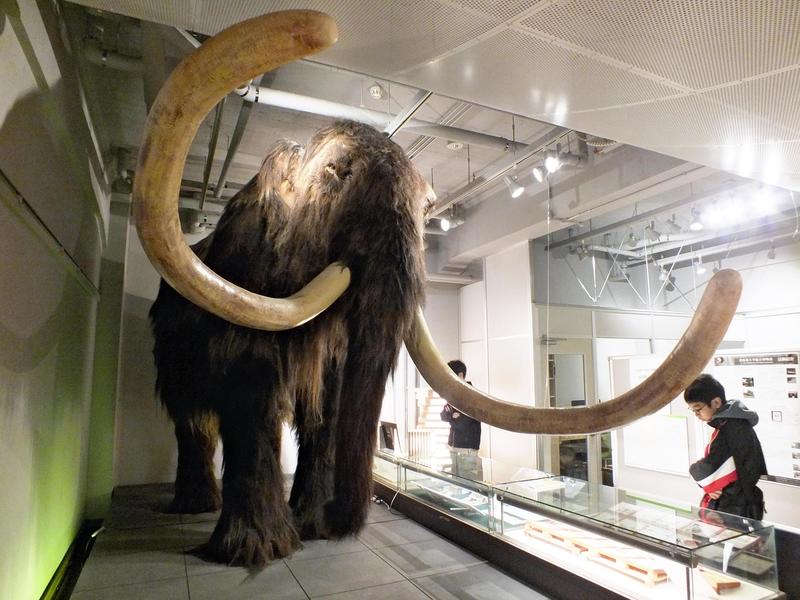
I visited the Hokkaido University Museum, which has a highly detailed exhibit about Clark. It says he had been good at horseback riding since he studied at a college in Massachusetts in the United States.
It was no surprise, thereby, to learn he made the farewell remark to students while on horseback.
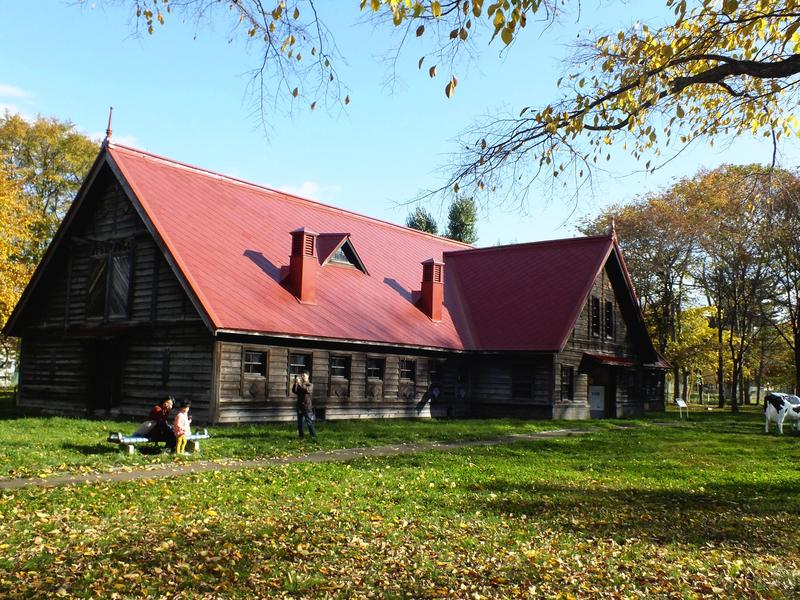
I walked along with a stream of tourists and reached Sapporo Agricultural College Farm No. 2. There is a cattle barn and a grain warehouse on the farm, built at Clark's initiative as a basis for the introduction of a modern, large-scale livestock industry.
Other sites on the campus, including a row of ginkgo trees, serve as recreation places for residents.
Outside the campus, there are residential areas with many condominiums and other buildings. The university seemed to fit in the city landscape, and it has written many chapters in its history.
Soup curry highly popular
One of Sapporo's local specialties is a curry dish called "soup curry." It's said to originate in Sapporo, and more than 200 restaurants in the city are said to serve it.
Picante is a highly popular restaurant around Hokkaido University, often having long lines of customers.
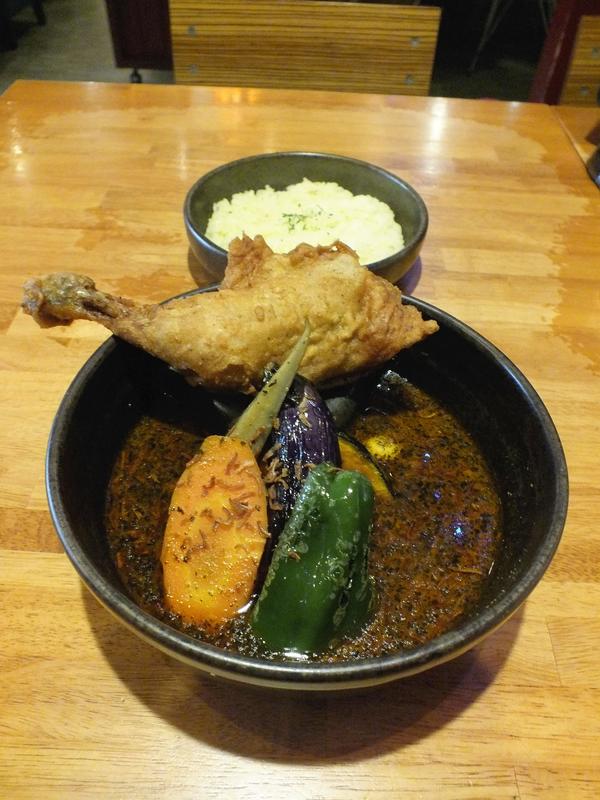
When people order soup curry, they can choose the kind of soup, ingredients and level of spiciness. I chose a combination of an ingredient called "Sakutto Pica Chicken," a thick soup and level 2 spiciness. The dish contained a fried chicken leg and several kinds of vegetables.
Restaurant manager Yasuo Uesugi, 44, said, "[The dish] is also popular among young people, because you can eat a lot of vegetables."
Picante also has a sister restaurant beside Sapporo Station.
The Elm Forest shop in the information center near the main entrance gate of Hokkaido University sells ham, sake and other goods "certified by Hokkaido University."
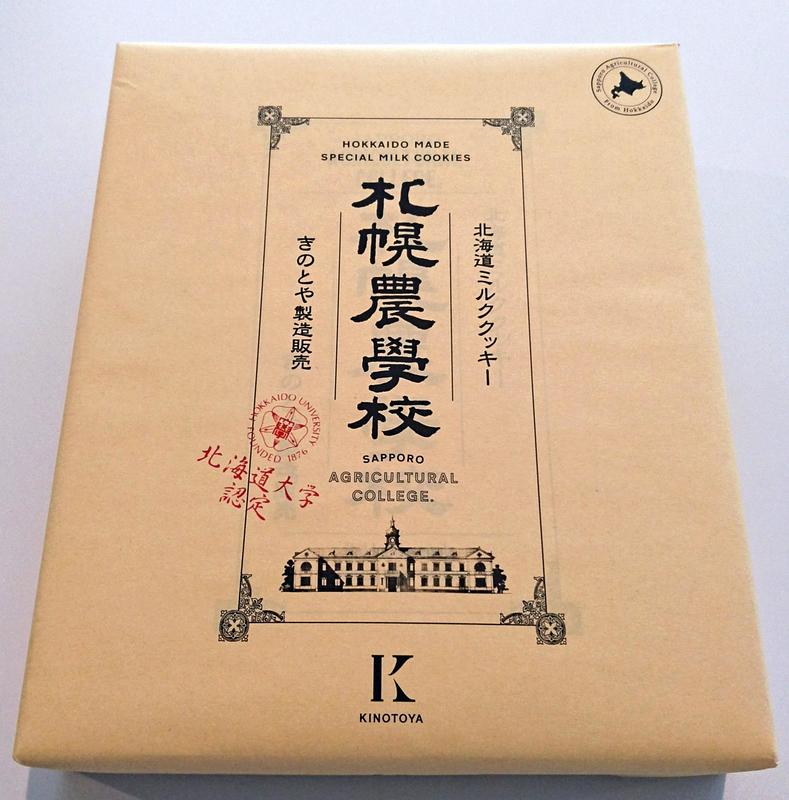
Hokkaido Milk Cookies Sapporo Nogakko, made with wheat, butter and fresh milk produced in Hokkaido, is one of the most popular items at the shop.
Access
A 1-1/2-hour flight from Haneda Airport to New Chitose Airport, followed by an about 40-minute train ride from JR New Chitose Airport Station to Sapporo Station.
Visit Sapporo Tourist Association's website http://
association.sapporo.travel/ for more information.
Read more from The Japan News at https://japannews.yomiuri.co.jp/