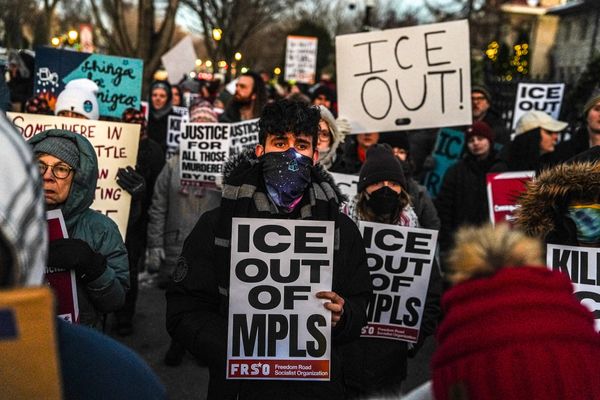
Picket lines were mounted outside job centres and benefit offices across Britain today as the biggest strike in the civil service for more than a decade took place, sparked by workers' anger over pay fuelled by fresh fears about job cuts.
Up to 90,000 members of the Public and Commercial Services Union (PCS) began the first of a two-day strike following the collapse of pay talks, with the threat of further industrial action to come.
The strike, by civil servants in the Department for Work and Pensions (DWP) and the Driving Standards Agency (DSA), forced hundreds of job centres and social security offices to close, while others were only able to offer a reduced service.
UP to 5,000 driving tests are expected to be cancelled tomorrow as driving examiners join the picket line.
The PCS claimed the strike is the result of the government's refusal to resolve "appalling" levels of pay and an unacceptable performance appraisal system in the DWP.
Mark Serwotka, the union's general secretary, said low pay was "endemic" in the civil service and called on government ministers to get involved in the dispute to help break the deadlock.
"Civil servants are sick of the lack of recognition for their hard work," he said. "They deliver frontline public services but are regularly exposed to contempt from politicians who fail to understand the important work they do."
The DWP described the strike as "indefensible" and said contingency plans were in place to minimise disruption.
Workers' anger was worsened by reports today that a government inquiry into the civil service is to recommend 80,000 job cuts.
Mr Serwotka said the union would oppose any moves to cut jobs because vital services such as the New Deal, immigration and customs were carried out by frontline as well as back-office civil servants.