
State authorities have cited an employee with the city’s Department of Water Management over the deaths of dozens of protected birds at a water filtration plant in South Shore.
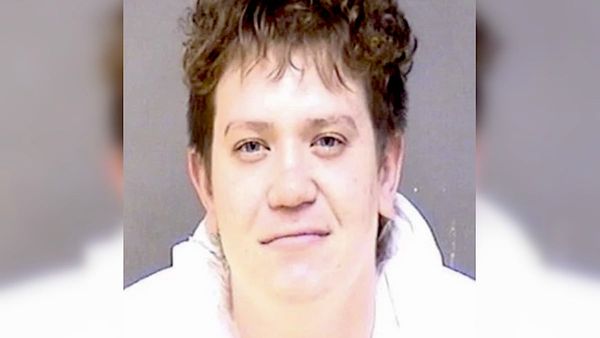
Elmer Payton, an engineer at the Eugene Sawyer Water Purification Plant near Rainbow Beach, was cited with killing a non-game migratory bird and unlawful destruction of nests and eggs of a non-game migratory bird in connection with the June 27 incident, according to Rachel Torbert, a spokeswoman for the Illinois Department of Natural Resources.
Torbert said the agency began investigating when a co-worker at the plant reported that Payton had destroyed nests and killed nearly 40 cliff swallows and barn swallows. Payton wasn’t arrested in connection with the citations, according to Torbert, who said they were considered a “petty offense.”
The city worker who reported the incident to officials said he he didn’t consider the killing of the birds to be “petty.”
“Petty offense? Since when is breaking federal statutes petty? Since when is the murder of defenseless animals petty?” the source said.
Megan Vidis, a spokeswoman for the Department of Water Management, said the allegations are being taken “very seriously.”
“Discipline hearings are underway per the collective bargaining agreement with Mr. Payton’s union,” Vidis said.
After discovering the dead birds, the source also informed the Chicago Sun-Times and provided photos of their bodies, saying it appeared that birds’ nests had been dislodged and smashed into the pavement.
“I couldn’t believe it,” he added. “That just made me sick. They had families; babies and eggs.”
The birds that were killed are protected under the Migratory Bird Treaty Act of 1918, which makes it illegal to kill, possess, import, export, transport, sell, purchase or barter protected species without a permit.
A spokeswoman for the U.S. Fish & Wildlife Service said the agency continues to investigate the incident, meaning Payton could still face a federal misdemeanor charge that carries a maximum prison sentence of six months and fines of up to $15,000.
Payton’s first court date related to the citations was set for Oct. 1, Tolbert said.
He couldn’t immediately be reached for comment.