Financial watchdogs are set to make 2015 the first year since 2011 when they have failed to bring in record revenues from fining City miscreants.
The Financial Conduct Authority’s grand total currently stands at £899.2m, far short of last year’s bumper haul of £1.47bn.
Experts also believe that it may be some time before the grand total reaches those levels again. The eye-popping 2014 number was driven by a mass settlement of the foreign exchange rigging scandal with five banks.
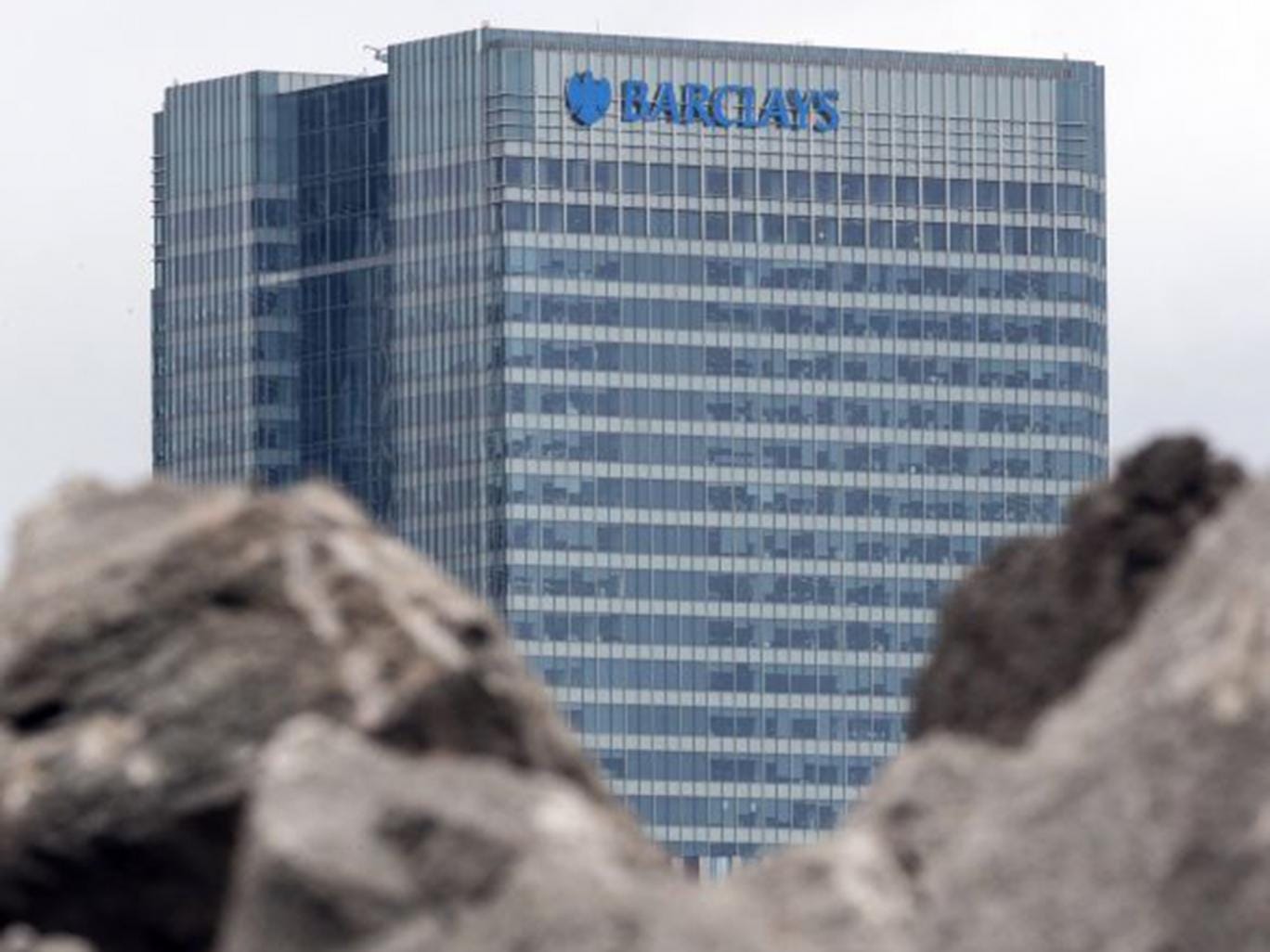
Nearly half of this year’s total was accounted for by £200m-plus mega-fines levied on Barclays, also over foreign exchange trading, and Deutsche Bank, one of the final banks to be penalised over the Libor interest rate fixing scandal.
But the figures also demonstrate an increasing willingness by the FCA to impose hefty penalties for other regulatory breaches. These include a £72m fine imposed on Barclays for breaching its own controls by failing to conduct thorough checks when a client from the Middle East – classified as “politically exposed” – brought a £1.9bn “elephant” deal to the bank.
That penalty on its own was more than the total for 2011, when fine revenues brought in by the old Financial Services Authority fell from the previous year’s high of £89.2m to £66.1m.
This year also saw Lloyds penalised for failing to properly handle reviews of complaints about payment protection insurance to the tune of £117m, and a £126m penalty imposed on Bank of New York Mellon for failing to keep customers’ money safe during the financial crisis.
While there are a number of “legacy” scandals that could still result in substantial penalties, there is not thought to be anything like the Libor or foreign exchange rigging affairs on regulators’ radars and, as a result, the City could see a further fall in the amount paid in fines next year.
Simon Morris, a regulation specialist and partner with the City law firm CMS Cameron McKenna, said the fall in the overall level of fines should be see as a healthy development. “It is a wholesome sign,” he said. “It shows we do not have a crazed regulator seeking to beat its record every year. What we have seen is mid-sized fines for mid-size misconduct; the FCA moving back to a business-as-usual approach. It is not an enforcement-driven regulator and it is not in the business of doing these macho fines you see in America from the SEC.”
Mr Morris said the reason for the astronomical increase in fines in recent years had largely been driven by the fact that “misconduct became astronomical for a time” and because bank bosses appeared oblivious to what was going on under their noses. But he added: “Part of the reason, let’s be honest, is that the regulator had its face chewed off by the Treasury Committee [of MPs] for failing to take other action.”
That was highlighted when Andrew Green QC found that disciplinary action should have been launched against HBoS managers in the wake of that bank’s collapse and rescue by Lloyds while under the oversight of the Financial Services Authority.
The Bank of England is in the throes of a review that could yet see attempts made to ban at least some of those former managers from the City.