
Chicago’s public health commissioner said Friday that coronavirus cases in the city remain stable, despite a rise in cases elsewhere in the country.
Deaths, hospitalizations and emergency room visits related to COVID-19 in Chicago are at their lowest levels since March, according to City Hall. Public Health Commissioner Allison Arwady said the city is likely in the next few weeks to even see a day without a coronavirus death for the first time since March 20.
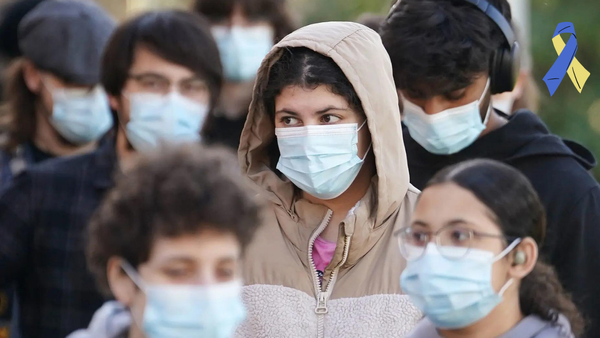
However, Arwady also said in a conference call with reporters that Chicagoans between the ages of 18 and 29 — members of Generation Z as well as young Millennials — now have the highest daily case rates in the city.
The biggest hotspots for that age group are in Lincoln Park and New City, Arwady said.
“Of course, younger individuals are perfectly capable of transmitting that disease to people in those older age categories, people with underlying conditions,” Arwady said.
A surge in that young population would be cause for concern, Arwady said. But that hasn’t happened yet.
Chicago entered Phase 4 of Gov. J.B. Pritzker’s reopening plan on June 26. About a week later, Mayor Lori Lightfoot issued an order, effective last Monday, that required anyone traveling or returning to Chicago from states that have seen a spike in COVID-19 infection rates to quarantine for two weeks. Lightfoot issued the order in response to a rise in COVID-19 infections primarily in the South and West regions of the United States.
The city has yet to fine anyone for violating that order, Arwady said Friday.
Meanwhile, Arwady said Chicago is seeing less than 200 new cases per day, its positivity rate remains at less than 5%, and more than 5,000 Chicago residents are being tested for COVID-19 every day, on average.
Before rolling back the city’s reopening, Arwady said she would watch for a rise in the numbers — but also a rapid rate of change.
“I am absolutely happy to tolerate slight changes, slight increases,” Arwady said.
Arwady said a jump to 400 new cases a day would be notable, as would increased stress on health care facilities. Flu season, later in the year, could change the calculus.
As for young Chicagoans now leading the city in coronavirus cases, Arwady said they can expect to be the target of outreach and media campaigns from the city.
“I want to make sure that we are reminding younger Chicagoans that their behavior also can put people they love at risk who may be at higher risk,” Arwady said.