Major roads in the city centre are to be closed to motorists in a "far-reaching" plan to encourage walking and cycling in post-lockdown Bristol.
Bristol Bridge and Baldwin Street will be shut to general traffic and a bus priority route will be introduced over the bridge.
The Old City area meanwhile will become pedestrianised by restricting vehicles during core business hours.
Old City is home to St Nicholas Market, Corn Street and Bristol Crown Court, as well as homes, restaurants, cafés, shops and offices.

Marvin Rees, the mayor of Bristol, today (Wednesday, May 13) said that ambitions to transform travel have been "accelerated" in response to the coronavirus pandemic which brought much of the city to a standstill.
He said he wants the city to emerge from the crisis in a more sustainable way by improving access to public transport and making it safer for cyclists.
"Action we take now will contribute to reducing air pollution, improving people movement for all Bristolians and encouraging alternative sustainable ways to travel," he said.
“Work on the Old City and Bristol Bridge proposals are already underway but the coronavirus means we now need to accelerate the changes that will transform the way we travel in the city centre.
"For the future we need to ensure everyone has more travel options and these proposals are underpinned by the Bus Deal that we continue to progress, alongside our ongoing plans for mass transit."
He added that the crisis was challenging our usual travel habits, saying: "Many of us have already embraced more walking and cycling journeys.
"Whilst it is understandable bus usage has dropped, we want to protect the long-term viability of our public transport services because of their intrinsic value to communities across the city.”
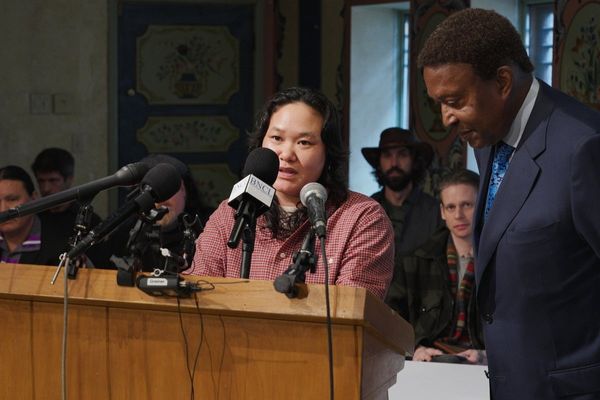
Speaking at a media briefing today, Mr Rees said the changes would be subject to experimental traffic orders which will last between six months and two years.
He said: “We are bringing this through with an experimental traffic order to put in place the pedestrianisation of the Old City.
“It won’t happen tomorrow. We are talking about over the latter part of the summer that we will be able to implement it.
“That order will be in place for anything from six months to two years to give us the time to do the work behind the scenes, to test it and see how it’s landing to make sure our stakeholders have their say in how it’s running and to make it permanent."
Earlier this month, the mayor made clear he wanted to “quicken the pace” of work to pedestrianise the city centre.
He made the comment in a move to reassure citizens that the plans to reduce the city’s impact on the environment would go ahead despite uncertainty over the clean air zone (CAZ) and diesel ban proposed for the city.

Bristol City Council is pressing the government to extend its April 2021 deadline for introducing the CAZ and is still waiting to hear whether a diesel ban can go ahead.
Mr Rees has also said he wants to wait until businesses are under less pressure before formally consulting with them about the finer details of the clean air plans.
In the meantime, the council has said the CAZ is part of a package of measures to deter car use and encourage active travel.
On the plans revealed today, Cllr Kye Dudd, Bristol City Council's cabinet member for transport, said they would require "behaviour change" from residents but stressed the long-term benefits of the transistion.
He said: “These are far-reaching proposals for Bristol’s future transport network, which is something we’ve been building towards for some time.
"We recognise that this will require adjustment and behaviour change. We firmly believe the long-term benefits for everyone in Bristol outweighs the inconvenience while we make this transition."