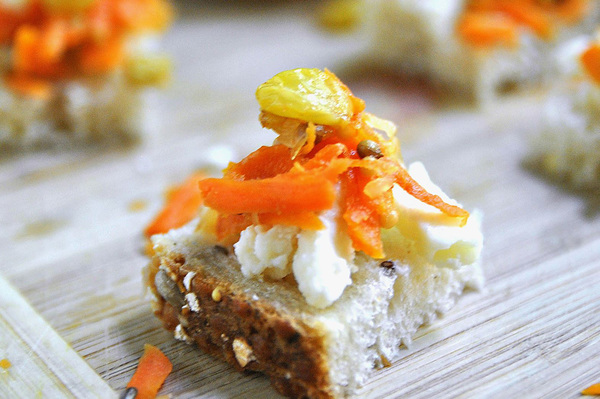
How do we know it's fall?
It's getting dark way too early in the evening, for one thing. And the sidewalk is starting to feel way too chilly beneath my bare toes when I walk outside to pick up my morning newspaper, for another.
But mostly, it's about the changing guard of flavors, which in autumn make a slow slide from the bright, sunny savor of berries, melons and stone fruits to the tangy crunch of apples, the spicy warmth of ginger and cinnamon, and the meaty sweetness of fresh pumpkins and fat, purple plums.
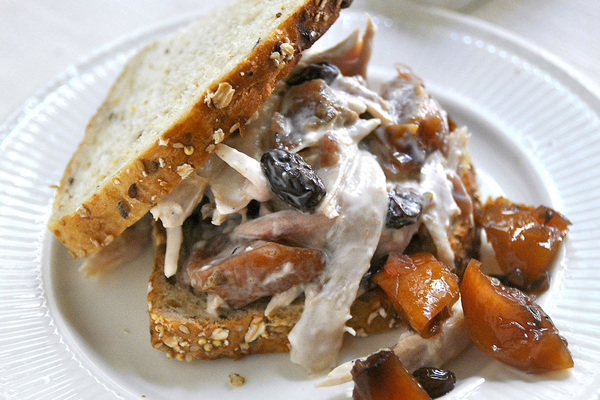
Fall chutneys are a perfect way to capture those distinctive tastes and aromas.
With local strawberries and peaches in our rearview mirror, it's time to switch gears and think "savory" instead of "sweet." Or maybe tart-sweet is a better descriptor because American-style chutneys are cooked to a jam-like consistency with more than a little sugar. They also include vinegar, which works both to preserve the fruits and vegetables and give them a bit of tang. Onion and garlic often make an appearance. There also can be unexpected aromatics, such as black pepper, red chili pepper, and mustard or fennel seeds.
It's a bit different in India, where the condiment originated (chatni is Hindi for "sauce") and is often used to enliven rice dishes (think mint chutney, cilantro chutney and tamarind-date chutney). Ingredients can range from peanut to coconut to vegetables such as tomato, onion and beet, and the finished product _ which can be cooked or raw _ often resembles what Americans consider a relish.
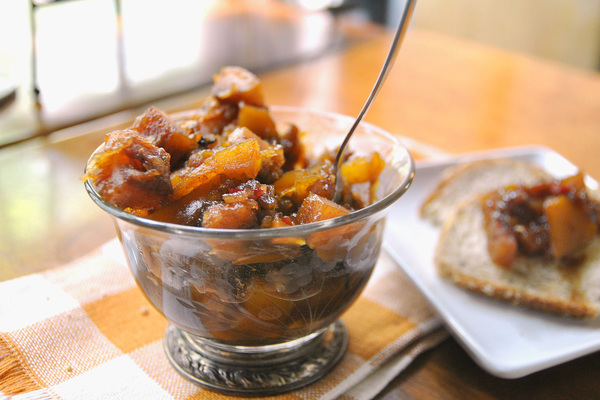
Chutney made its way west across the Indian and Atlantic oceans during the British colonial era. In the process, the recipe was modified somewhat with the addition of vinegar to give it a longer shelf life so it could be eaten throughout the year. The ingredient list also was expanded to include the seasonal bounty of English orchards _ think apples, quince and damson plums _ along with sweet dried fruits such as raisins for added flavor.
Thick and chunky, chutney can be used to perk up cheeses, bread, cured or roasted meats and as a spread for crackers. It also brightens a grilled cheese sandwich, and when mixed with a little olive oil or water over low heat, it makes a terrific glaze or marinade.
Some tips on making chutney at home:
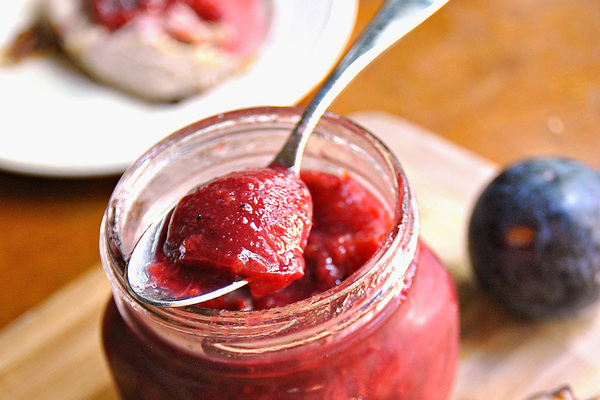
_ Always start with the freshest ingredients. If the fruit has bruised spots, cut them out.
_ Cook the chutney in a nonreactive pan, such as stainless steel, glass or enamel-lined cast-iron. Aluminum and copper react with acidic foods, imparting a metallic taste.
_ Keep an eye on the cooking pot. Because it contains sugar, chutney can easily burn.
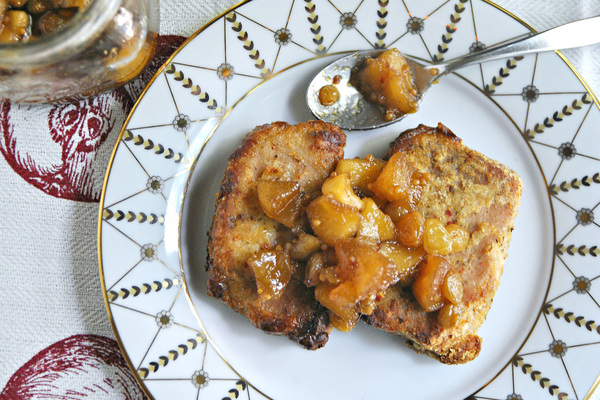
_ Cook the fruit down until it's thick and fairly dry. You'll know it's done when the mixture sticks to the back of the spoon. It shouldn't be runny.
_ Don't be afraid to experiment with different fruits and spices. Something you're not particularly fond of eating out of hand can be magically transformed when cooked with sugar and vinegar.