Participants in a festive community tractor parade have been targeted by scammers pretending to seek donations over social media, according to event organisers.
Drivers entering the Suffolk Tractor Light Parade were targeted by false messages purporting to be from event planners. The messages encouraged them to make a donation directly to a bank account in what the true organisers have called a “frustrating” and “disappointing” fraud.
Volunteer organiser Liz Quickenden, 44, said the event began in 2021 when she noticed many Suffolk locals were opting to heat their homes rather than turn their Christmas lights on. The annual parade, which sees dozens of tractors covered in festive lights, has since raised over £23,000 for charity. This year, it is due to take place on 14 December.
The East of England Ambulance Service worker told The Independent her attention was first alerted when a participant told her a “very convincing” profile had been contacting people on the event page, telling them to get in touch if they wanted to get involved with the event.
The person had blocked her and her husband from being able to view their comments, meaning the activity was taking place without their knowledge.
“We took very swift action trying to close down comments and limiting all the posts so nobody can have any discussions about it,” she said.
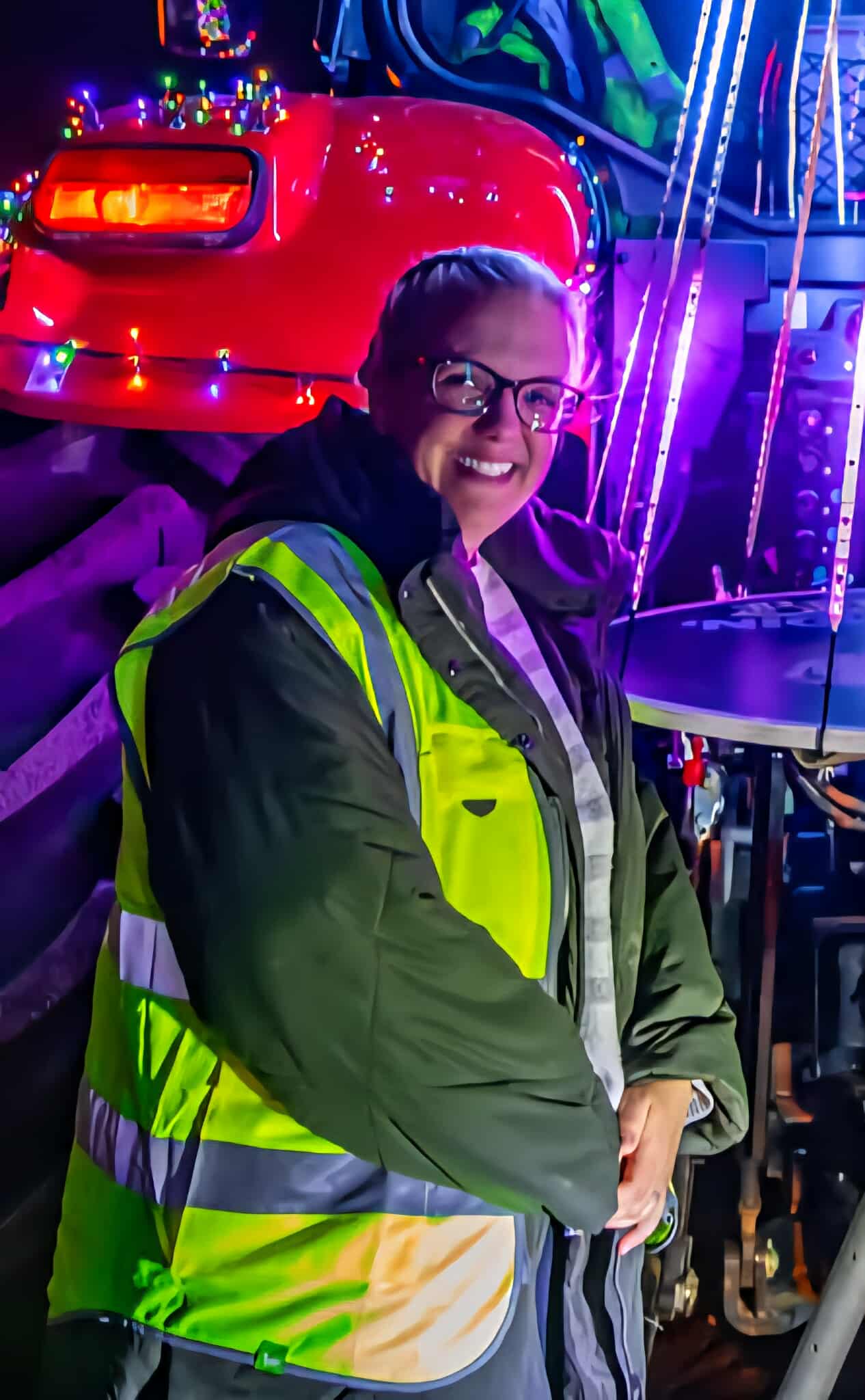
Mrs Quickenden said she did not believe anyone had sent the scammers any money, but said it was “frustrating” they were targeting a community event.
“There are people who aren’t so aware of scams and what that looks like,” she continued. “We are in a very rural community and we have a lot of elderly people who enjoy this event. It’s always the worry that they will be the people targeted.
The 44-year-old said the only two legitimate ways people can donate to the fundraiser is with cash on the night or through their online donation page, adding she plans to report the incident to Action Fraud.
Mrs Quickenden urged the public to be vigilant and watch out for scammers when making payments online. “It’s really hard because we can’t stop them,” she said. “It’s everywhere and they’re becoming very clever, very sly, and it’s catching people out. We absolutely don’t want that.”
Recent research released by the Global Anti-Scam Alliance (GASA) found that one in five adults had been targeted by scams in the past year. Emails, phone calls, texts, social media messages, digital adverts and online marketplaces were common starting points for scam encounters, the report said.