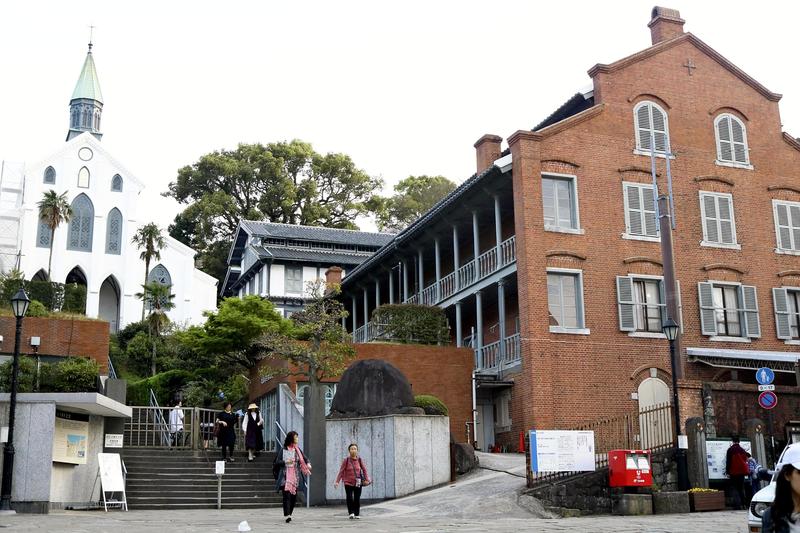
NAGASAKI -- A museum about Christianity in Japan has opened next to Oura Church in Nagasaki, illustrating how the religion was preserved amid about 250 years of oppression from the 17th century to the 19th century.
Oura Church is a national treasure and one of the assets comprising "Hidden Christian Sites in the Nagasaki Region," which is expected to be added to the UNESCO World Heritage list of cultural assets this summer. Nagasaki Oura Church-Christian Museum showcases about 130 items, including Maria Kannon statues, which combine features of the Virgin Mary and a Buddhist deity and were worshiped by clandestine Christians when the religion was banned.
In anticipation of the registration as a World Heritage Site, the Catholic Archdiocese of Nagasaki renovated the former Latin Seminary School -- a three-story building with one basement floor designated by the central government as an important cultural property -- and the former residence of the archbishop of Nagasaki (a tangible cultural property of Nagasaki Prefecture). Both are located on the premises of Oura Church.
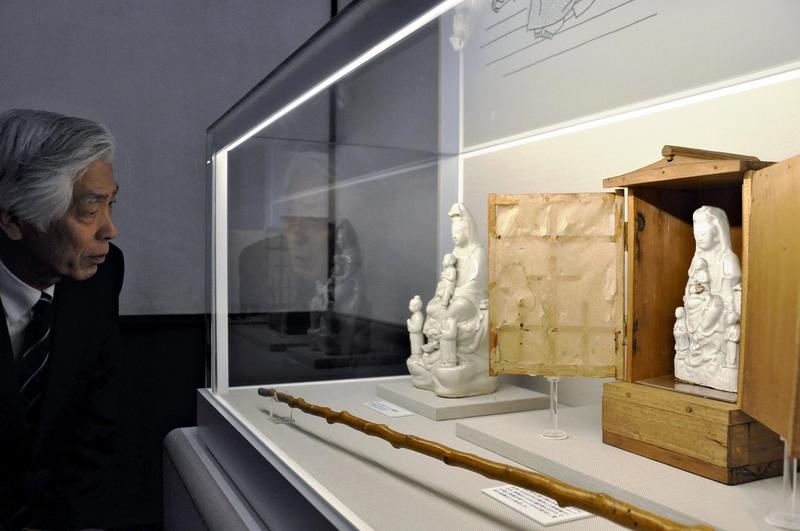
The exhibits at the museum, which opened on April 1, also include four items that were unveiled for the first time in Japan, including a cross possessed by clandestine Christians in Amakusa, Kumamoto Prefecture.
"I can feel the passion of the people who tried hard to protect their beliefs," said Ko Sato, 29, who visited the museum from Setagaya Ward, Tokyo.
About 30 people, including members of the Christian faith, prayed at the museum's opening ceremony. Archbishop of Nagasaki Mitsuaki Takami said he hoped many people would learn about the history of Christianity.
Admission to the museum (including the church) is 1,000 yen for adults, 400 yen for junior high and high school students and 300 yen for elementary school students. Part of the proceeds will be used for maintenance and management of the assets concerned.
Read more from The Japan News at https://japannews.yomiuri.co.jp/