Chon Buri tourism operators are urging the Ministry of Tourism and Sports to address persistent issues affecting the low season and safety, including unlicensed hotels, illegal tour operators and unregulated entertainment venues.
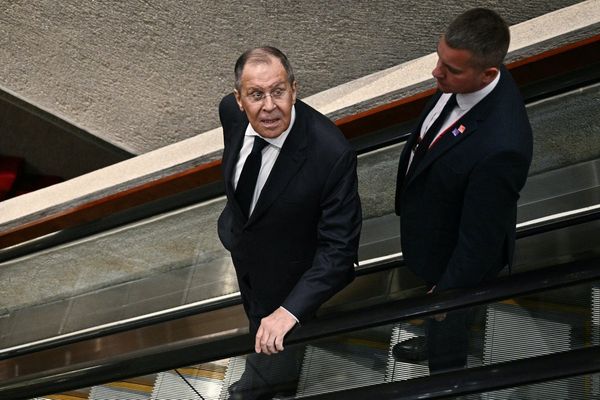
Tourism and Sports Minister Surasak Phancharoenworakul visited Chon Buri and Pattaya last Friday to discuss tourism measures with operators, including the Association of the Chonburi Tourism Federation (ACTF).
Thanet Supornsahasrungsi, president of ACTF, said tourism this year faces external challenges such as geopolitical conflicts, but also internal issues that require attention.
More than 70% of accommodation providers in Chon Buri and other major destinations such as Phuket and Chiang Mai are unlicensed, he said.
While the authorities have issued more licences to operators each year, this has still not fully covered the supply, said Mr Thanet.
With three sets of regulations — the Building Control Act, Chon Buri’s urban planning law, and environmental laws — even operators that comply with the Building Control Act still face difficulties meeting the other requirements, he said.
The existing regulation, which classifies accommodation with no more than eight rooms and 30 guests as non-hotels, was introduced with the good intention of encouraging local guesthouses to enter the system, but has also created loopholes in practice.
Foreign nominees can buy large plots of land and divide them into smaller plots for pool villas, reaping profits at the expense of local operators, he said.
Mr Thanet said operators had asked the tourism ministry to coordinate with the Interior Ministry, which oversees hotel regulations, to seek measures to encourage more operators to enter the system.
These include reconsidering an extension of the Interior Ministry’s regulation, which temporarily allowed other types of buildings that do not meet the definition of a hotel under the Hotel Act, but opened before Aug 19, 2016, to apply for licences again, as the measure expired last year.
In the meantime, government agencies should strictly book only licensed hotels for official meetings to encourage accommodation providers to enroll in the system, he said.
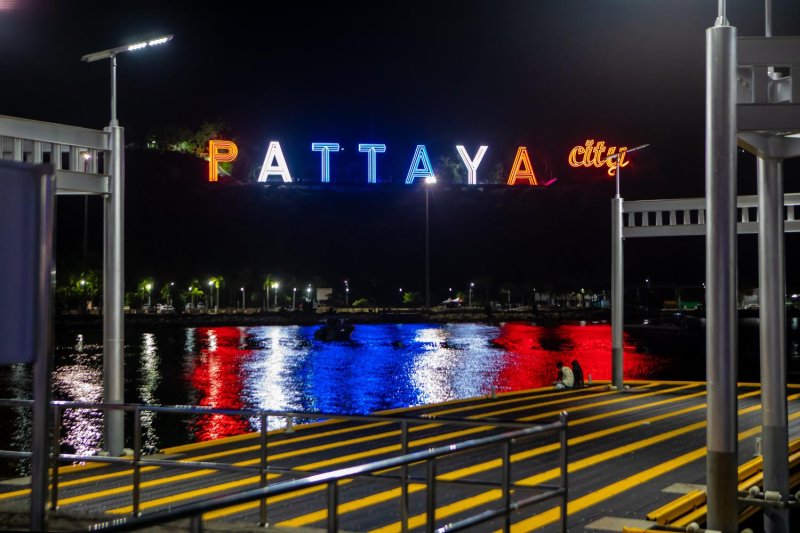
Mr Thanet said Pattaya also faces the problem of rental car services for foreign tourists operated by illegal tour companies, which offer services along the roadside.
These unlicensed operators are mostly run through foreign nominees, and even offer cheaper packages than licensed tour companies, he noted.
While registrars from the Tourism Department may have information on these operators, they do not have full enforcement powers. As a result, coordination with the Tourist Police is needed to carry out stricter on-site enforcement and file legal action against them, said Mr Thanet.
Meanwhile, the recent fire at a pub in Bangkok that did not have an entertainment venue licence raised concerns about the safety of the night-time economy.
He said many entertainment venues are now located outside Pattaya’s designated zoning areas to cater to changing tourism behaviour, but this has caused disturbances for local residents as these venues operate late into the night.
This situation reflects weak law enforcement and creates opportunities for corruption among authorities responsible for issuing licences, said Mr Thanet.
Instead, the government should either strictly enforce the existing zoning law or update it to reflect the current context, he said.
Other requests proposed by the association include addressing slow immigration procedures at airports, despite efforts to prevent criminal activity, and urging the ministry to attract more direct flights to U-tapao airport, which could help ease congestion at Suvarnabhumi airport.