Chiwetel Ejiofor and Joe Wright in the Congo – in pictures
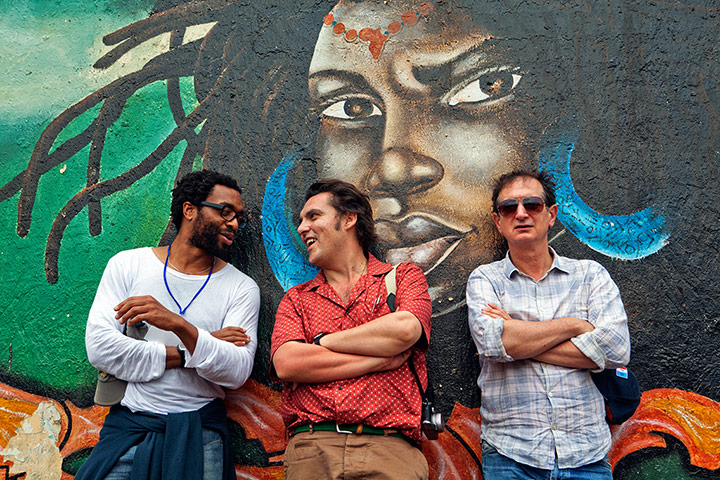
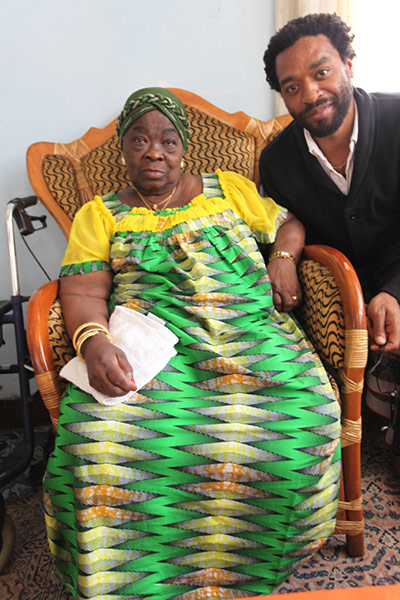
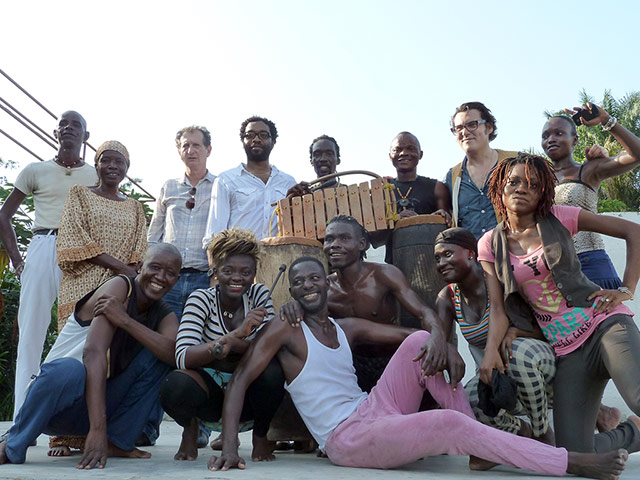
Chiwetel Ejiofor [actor, left], Joe Wright [director, centre], David Lan [artistic director, Young Vic, right], visit the Yole Africa youth centre during a research visit for the production of Aimé Césaire's play, A Season in the Congo, which will open at London's Young Vic theatre next month. The play charts the rise and fall of Congolese political leader Patrice Lumumba with Ejiofor in the lead role. Photograph: Francesca Tosarelli/OxfamChiwetel Ejiofor pictured with Pauline Lumumba, the widow of Patrice Lumumba, the first prime minister after Congolese independence. Photograph: Benoit Van Maele/OxfamDance group Umoja and their band pose with David Lan [back row, third from left], Chiwetel Ejiofor [back row, fourth from left] and Joe Wright [back row, second from right] at Sadi Arts Centre, Kinshasa. Dance and music feature heavily in Joe Wright's forthcoming production of A Season in the Congo.Photograph: Esme Peach/Oxfam
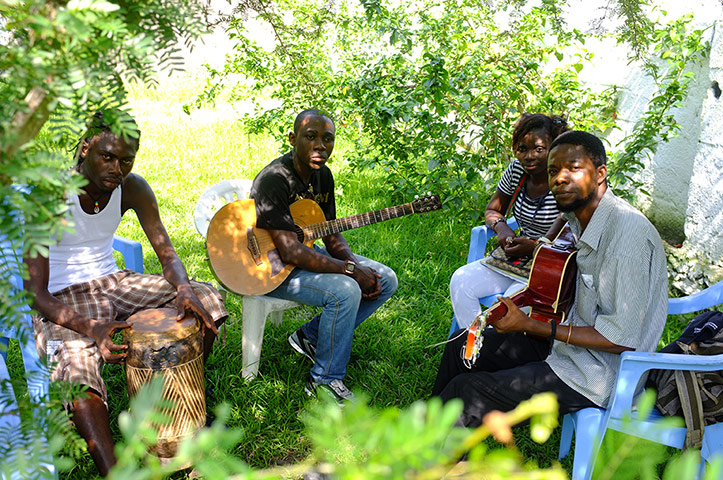
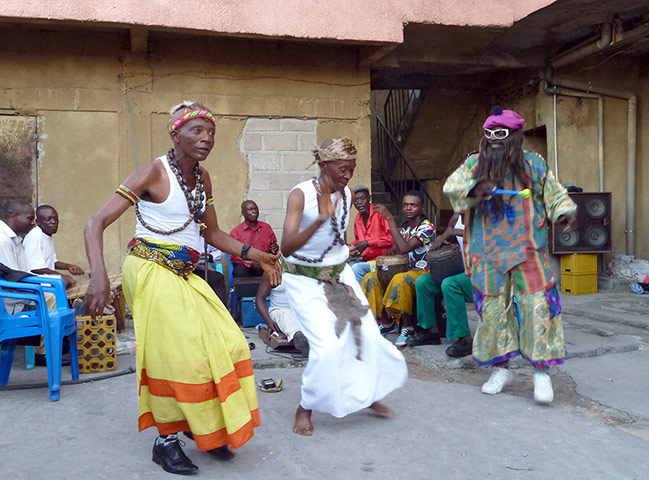
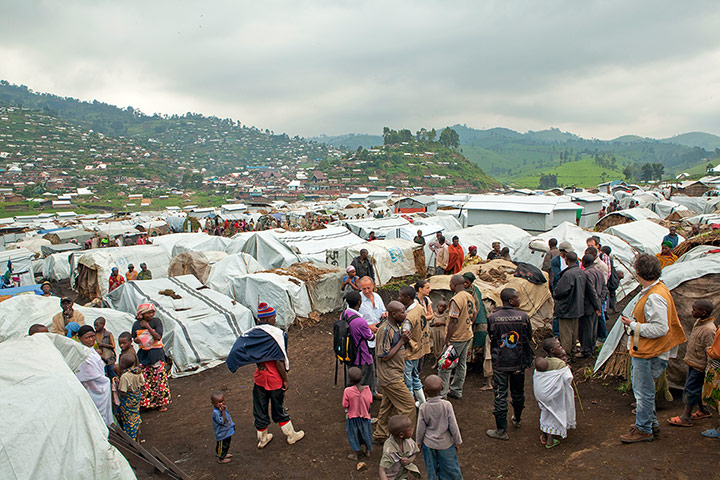
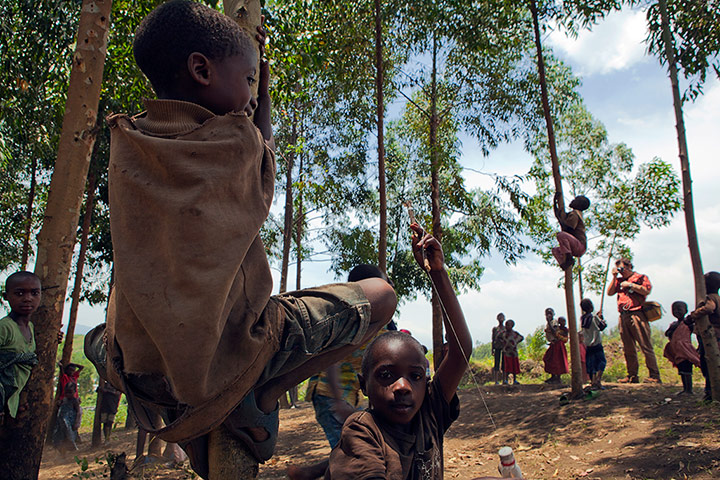
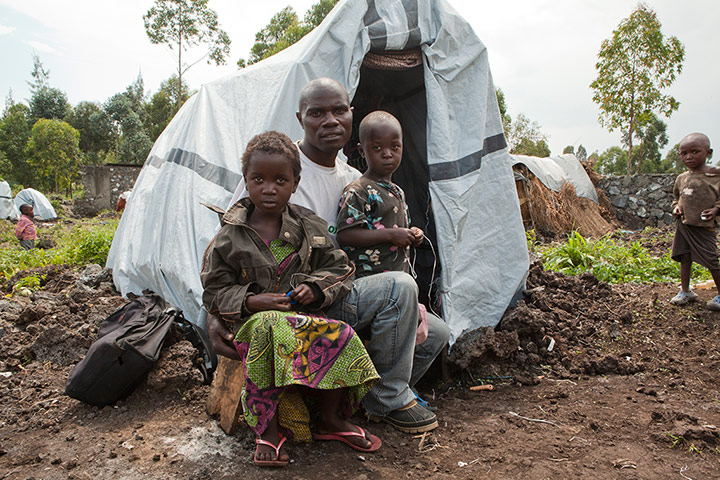
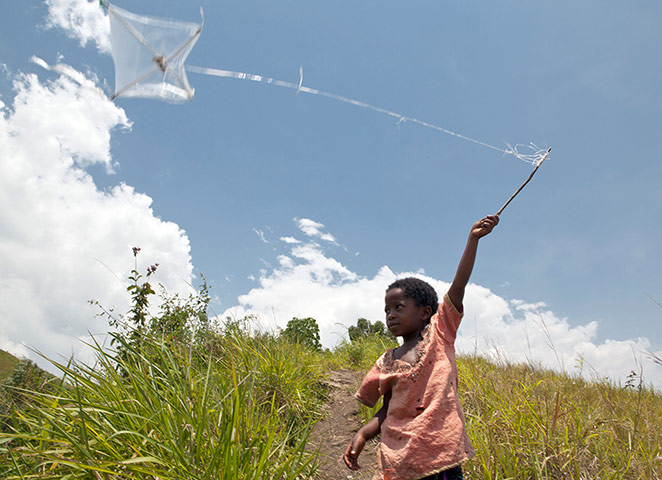
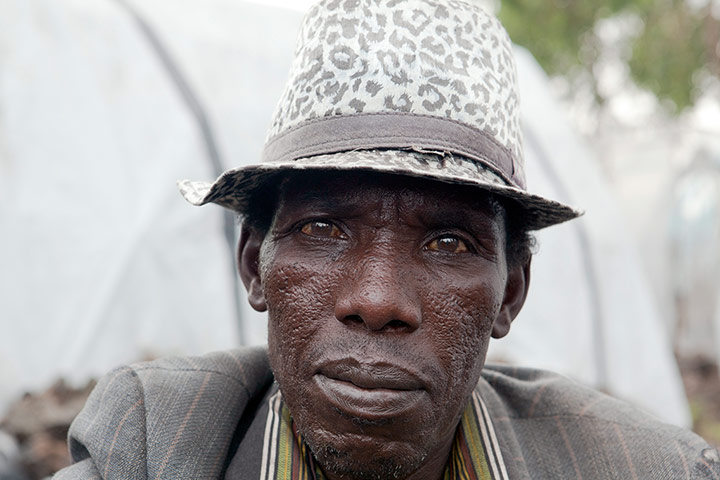
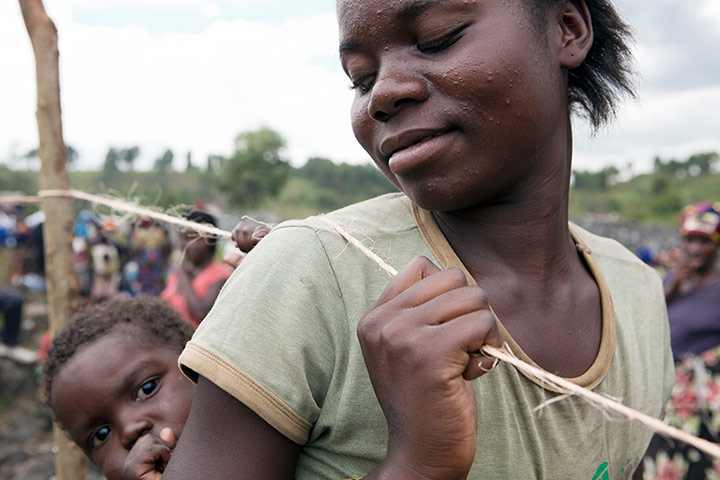
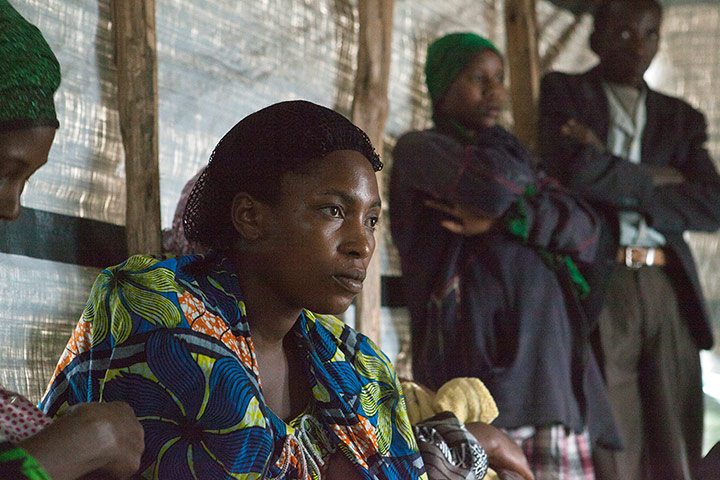
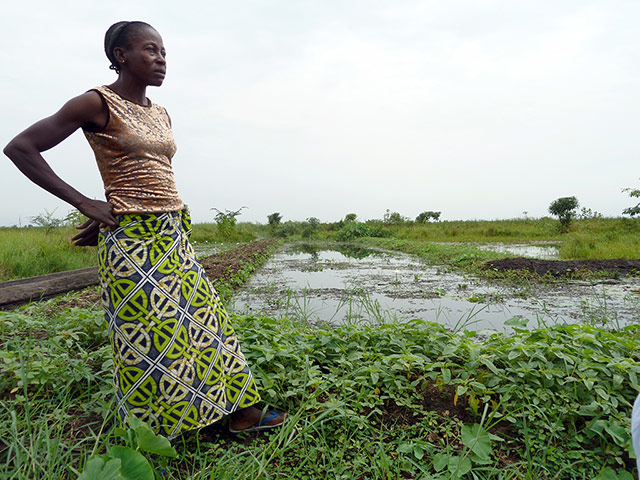
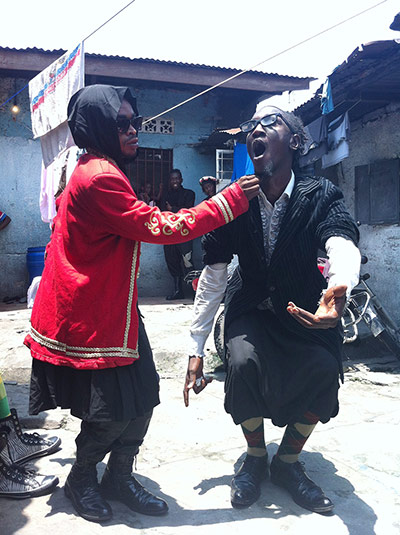
In a picture taken by the director Joe Wright, young musicians play at the Sadi arts centre. Kaspy, the guitarist piuctured on the right, has now been cast to appear in the play. Photograph: Joe Wright/OxfamPerformers rehearse in Kabongo's band Masanka Sankayi. Kabongo [pictured in white] is a Kinshasa-based sanza player. Following this meeting Kabongo was cast to perform in the play. Photograph: Esme Peach/OxfamThe Young Vic research group visiting a camp in Rubaya. Rubaya, in Masisi territory, is now home to around 30,000 people. Most of these people have fled fighting in Masisi territory, where as many as 20 armed groups are active. Photograph: Francesca Tosarelli/OxfamChildren climb trees while director Joe Wright takes photos in Mugunga 1 camp. Oxfam supplies the camp with around 150,000 litres of water a day, and works with committees in the camp to help residents engage local authorities in identifying and tackling the threats and risks they face living as displaced people.Photograph: Francesca Tosarelli/OxfamBahati Ndobo pictured outside his shelter with his family in the Mugunga 1 camp, March 2013. He left his home nine months ago when his village was attacked by a rebel group.Photograph: Francesca Tosarelli/OxfamA child flies a kite made out of plastic bags in Mugunga 1 camp to the east of Goma. The camp is now home to more than 57,000 people who have left their homes to escape violence and conflict in North Kivu province.Photograph: Francesca Tosarelli/OxfamNione Kanyabashi, 47, now lives in the Mugunga 1 camp with his family. He is from the village of Nyamitaba in Masisi territory, where he used to work as a farmer. He arrived in the camp in 2012 after fighting erupted in his village.Photograph: Oxfam/Francesca TosarelliAn internally displaced family in Mugunga 1 camp to the east of Goma.Photograph: Oxfam/Francesca TosarelliPictured in the Rubaya camp is Florence Niyonsaba. She fled her village in Masisi after clashes broke out between two rival armed groups fighting for control of the area. Three of her children were killed. Photograph: Francesca Tosarelli/OxfamMaman Bolingo is a member of DDT, a local Congolese NGO supported by Oxfam Quebec. Her land is extensive and so she is able to employ people to work on the land. DDT co-ordinates a workers co-operative in Masina, Kinshasa to help people to be self sufficient, produce their own food on these floating gardens.Photograph: Esme Peach/Oxfam'Sapeurs' perform in Kinshasa, during the research visit. They form a Congolese sartorial subculture, with its own modes of speech and designer dress. Photograph: Esme Peach/Oxfam
Sign up to read this article
Read news from 100’s of titles, curated specifically for you.