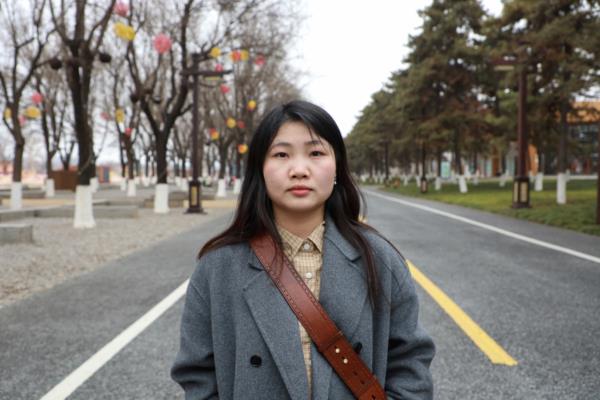
In China, there is a growing trend of women choosing to remain single as the economy faces challenges. This shift in societal norms is reflected in the latest data from the Chinese parliament, which shows an increase in the number of single women across the country.
One of the key factors driving this trend is the economic uncertainty in China. With the economy experiencing a slowdown, many women are prioritizing their careers and financial independence over traditional family structures. This has led to a rise in the number of women who are opting to stay single rather than enter into marriage.
Additionally, changing attitudes towards marriage and relationships are also contributing to this shift. Many Chinese women are now placing a greater emphasis on personal fulfillment and self-discovery, rather than conforming to societal expectations of marriage and family life.
The Chinese government has taken note of this trend and is beginning to address the implications of a growing population of single women. Discussions are underway in the parliament to explore ways to support single individuals, particularly women, in navigating the challenges they may face.
While the rise in singledom among Chinese women may be seen as a response to economic uncertainty and shifting cultural norms, it also represents a broader societal change towards greater individual autonomy and empowerment.
As China continues to grapple with economic challenges and evolving social dynamics, the trend of more women choosing singledom is likely to persist and shape the future landscape of relationships and family structures in the country.