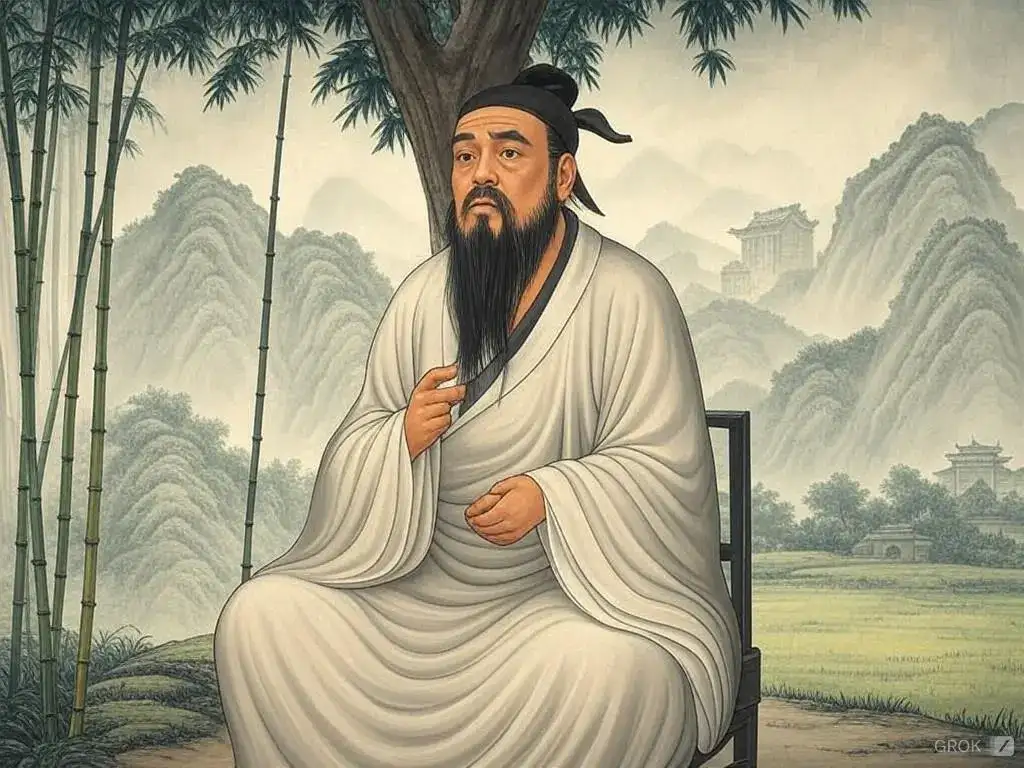
Chinese philosophy has long shaped discussions about leadership, morality, discipline, and social harmony. Many Chinese proverbs and teachings focus not only on personal behavior but also on how societies should be governed. Unlike systems based purely on fear or punishment, traditional Chinese wisdom often emphasizes the importance of moral leadership and inner character. One of the most profound teachings associated with ancient
Chinese Proverb of the Day
Chinese philosophy, particularly the ideas of the philosopher Confucius, states,
“If you govern people by punishment and regulations, they will avoid them but have no sense of shame. If you govern them with virtue and propriety, they will have a sense of shame and become upright.”
This powerful proverb explores the difference between ruling through fear and ruling through moral example. It teaches that laws and punishments may force obedience temporarily, but true character develops only when people are guided through wisdom, ethics, and virtue. The saying remains deeply relevant in modern society, where debates about leadership, discipline, morality, and accountability continue across politics, education, workplaces, and families.
The Meaning of the Chinese Proverb
At its core, the proverb compares two different approaches to leadership and control. The first approach relies on punishment and strict regulations. According to the proverb, people governed only through fear will obey rules mainly to avoid consequences. Their behavior may appear controlled externally, but internally they do not develop morality, responsibility, or genuine understanding.
The second approach focuses on virtue and propriety. Here, leaders guide people through ethical example, respect, wisdom, and moral values. Under such leadership, individuals develop an internal sense of shame, accountability, and upright behavior. They choose to do what is right not merely because they fear punishment, but because they understand the value of integrity.
The proverb therefore teaches that lasting goodness cannot be forced entirely through fear. Real transformation begins within character.
The Philosophical and Historical Context
This teaching is closely connected to Confucian philosophy, which has influenced Chinese culture for over two thousand years.
Confucius believed that society functions best when leaders act with virtue and moral discipline. In his view, rulers should inspire people through ethical conduct rather than ruling through harsh punishments alone.
Ancient Chinese philosophy placed enormous importance on harmony, respect, duty, and moral self-cultivation. A leader’s personal character was seen as central to the stability of society.
The proverb reflects this belief by suggesting that morality spreads through example. If leaders are honest, disciplined, respectful, and compassionate, those qualities influence the people they govern.
Rather than depending entirely on force, Confucian wisdom encouraged societies to cultivate conscience and ethical responsibility.
How This Proverb Applies in Everyday Life
The wisdom of this proverb extends far beyond politics or government. In parenting, for example, children raised only through fear of punishment may obey temporarily but fail to develop internal responsibility. Parents who lead through guidance, consistency, respect, and example often help children develop stronger values and self-discipline.
In education, teachers who rely solely on strict rules may create obedience, but students may not truly understand respect, honesty, or accountability. Inspirational teachers, however, influence students through fairness, integrity, and encouragement.
The proverb also applies strongly to workplaces. Managers who lead only through threats or rigid control may create fearful employees who simply avoid mistakes. Leaders who demonstrate fairness, trust, and ethical behavior often build loyalty, responsibility, and stronger teamwork.
In relationships, fear-based control rarely creates healthy emotional connections. Mutual respect and understanding build stronger trust than intimidation ever can.
The proverb even applies personally. People often behave differently when watched versus when guided by inner conscience. The saying encourages the development of internal morality rather than external performance.
The Deeper Meaning Behind the Words
Beyond leadership, the proverb contains deeper insights about human psychology and ethics. One major lesson is that fear alone cannot create genuine virtue. Punishment may control actions temporarily, but it does not necessarily transform character.
The proverb also highlights the importance of internal morality. People become truly upright when they develop personal responsibility and ethical awareness from within.
Another deeper layer involves leadership by example. Human beings naturally imitate the values and behaviors demonstrated by influential figures around them.
The proverb further teaches that respect is more powerful than fear in creating lasting social harmony. Fear may produce obedience, but respect produces trust and sincerity.
There is also an important lesson about dignity. People treated only as subjects to control may lose personal accountability, while people treated with moral guidance are encouraged to develop self-respect.
Ultimately, the saying teaches that the strongest societies are built not merely on laws, but on character.
Why This Proverb Is Still Relevant Today
This ancient Chinese teaching remains remarkably relevant in modern society. Today, many institutions rely heavily on rules, surveillance, punishments, and external enforcement. While laws and regulations are necessary, the proverb reminds us that rules alone cannot create ethical societies.
Modern workplaces, schools, governments, and even online communities often struggle with the balance between authority and moral leadership.
The proverb also speaks directly to contemporary political debates. Citizens frequently lose trust in leaders who demand obedience while failing to demonstrate integrity themselves.
In parenting and education, the saying encourages emotional intelligence and moral development rather than fear-based discipline alone.
Social media and public culture also make this proverb highly relevant. People sometimes behave ethically only when visible to others rather than from genuine personal conviction.
The proverb challenges society to focus more on cultivating values than simply enforcing compliance.
The Underlying Theme: True Leadership Inspires From Within
The central theme of this proverb is moral leadership. It teaches that lasting influence comes not from fear or control, but from virtue, integrity, and ethical example.
Another major theme is inner transformation. People become truly upright when morality develops internally rather than being imposed externally.
The proverb also highlights accountability. Ethical leadership encourages individuals to govern themselves responsibly.
Most importantly, the saying emphasizes humanity. Societies function best when people are treated not merely as rule-followers, but as moral beings capable of wisdom and growth.
How the Proverb Applies to Modern Leadership
This proverb offers powerful lessons for leaders in every field. A strong leader is not simply someone who controls others. True leadership inspires trust, respect, and ethical behavior.
In business, leaders who model honesty and fairness often create healthier workplace cultures. Employees are more motivated when they respect leadership rather than fear it.
In politics, societies tend to flourish when leaders demonstrate integrity and responsibility rather than relying entirely on force or intimidation.
The proverb also applies personally. Every individual influences others through behavior, attitudes, and example. Leadership begins with character.
The Emotional Power of the Saying
Part of the proverb’s lasting impact comes from its understanding of human nature.
Most people understand the difference between acting out of fear and acting out of conscience. The proverb speaks to a universal truth: genuine goodness cannot simply be forced.
Its contrast between punishment and virtue creates a powerful reflection on how people learn, grow, and relate to authority. The saying feels timeless because it recognizes that external control is limited, while inner morality has enduring power.
“If you govern people by punishment and regulations, they will avoid them but have no sense of shame. If you govern them with virtue and propriety, they will have a sense of shame and become upright” is far more than an ancient Chinese proverb. It is a timeless lesson about leadership, morality, and human character.
It reminds us that fear may create temporary obedience, but virtue creates lasting integrity.
In families, schools, workplaces, and governments, the proverb encourages leadership rooted in wisdom, respect, and ethical example rather than control alone. The strongest influence is not the power that forces people to behave, but the example that inspires them to become better human beings.