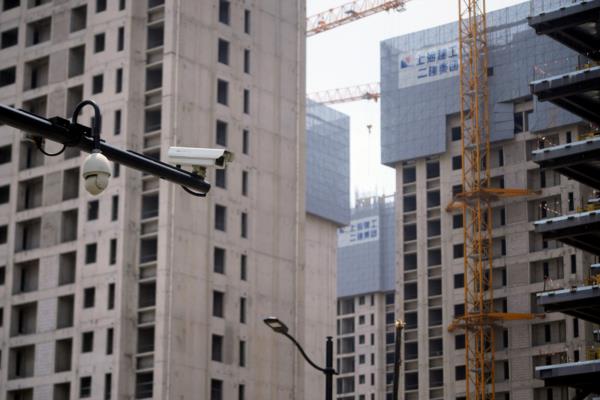
In a bid to revitalize the real estate market and stimulate economic growth, major cities in China are taking steps to ease home purchase limits. These measures are aimed at boosting sales and encouraging more people to invest in the property market.
For years, Chinese cities imposed stringent restrictions on homebuyers in order to cool down soaring housing prices and prevent speculative buying. However, as the country's economic growth slows and the real estate market sees a decline in sales, local governments are reevaluating their policies.
As of recent, several major cities, including Beijing, Shanghai, Guangzhou, and Shenzhen, have announced adjustments to their home purchase restrictions. The changes include lifting or raising the limit on the number of properties individuals can buy, reducing the required down payment amount, and relaxing eligibility criteria for certain buyers.
In Beijing, for instance, the local government has indicated that it will no longer restrict residents from purchasing a second property if they have paid their social security contributions for five consecutive years. Previously, residents were only allowed to buy a second property if they met strict requirements related to family size and income.
Similarly, Shanghai has increased the maximum number of properties that non-local residents can purchase in the city. Previously limited to one property, non-locals are now permitted to buy two residential properties, as long as they have paid their social security contributions for one year.
These changes aim to stimulate demand in the real estate market and help developers reduce their inventories. By relaxing home purchase restrictions, the government hopes to boost property sales, thereby injecting momentum into the country's economic growth.
It is worth noting, however, that despite the easing measures, some analysts remain cautious. They argue that these changes might not have a significant impact on the overall real estate market, as the underlying demand remains weak due to factors such as high housing prices, limited mortgage availability, and economic uncertainties.
Furthermore, the easing of purchase limits could potentially lead to a surge in property prices, which would be counterproductive to the original intention of cooling down the market. To mitigate this risk, some cities have also implemented measures to restrict the resale of properties purchased under the relaxed policies.
It remains to be seen whether these measures will effectively boost the real estate market and support economic growth in China. As the country continues to grapple with various challenges in its property sector, striking a fine balance between stimulating demand and maintaining stability is crucial.
In conclusion, the recent easing of home purchase limits in major Chinese cities is a notable move aimed at boosting sales and rejuvenating the real estate market. While these measures are designed to stimulate demand and support economic growth, analysts remain cautious about their overall impact. As the government continues to navigate the complexities of the property sector, finding a balance between market stimulation and stability will be a significant challenge moving forward.