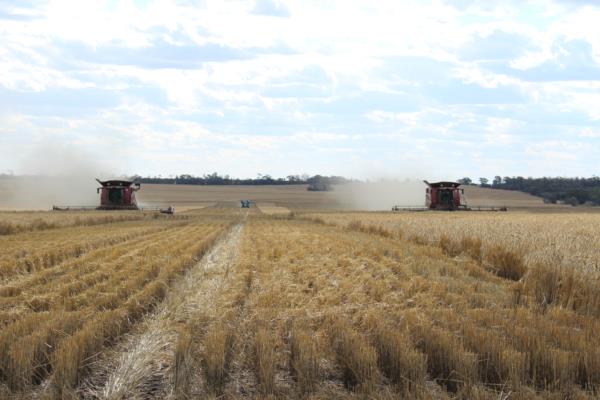
Chinese buyers have recently decided to cancel or postpone their purchases of Australian wheat due to a global surplus in the market. This exclusive development has raised concerns within the agricultural industry and has significant implications for both countries involved.
The decision by Chinese buyers to back out of their wheat deals with Australia comes at a time when the world is experiencing an oversupply of wheat. This surplus has led to a decrease in demand and subsequently impacted the prices of wheat in the international market.
Australia, being one of the major wheat exporters globally, heavily relies on its trade relationships with countries like China. The cancellation or postponement of wheat purchases by Chinese buyers has put a strain on this important trade partnership.
Experts in the agricultural sector are closely monitoring the situation and analyzing the potential repercussions of this development. The shift in Chinese buying behavior could have a ripple effect on the Australian wheat industry, affecting farmers, exporters, and the overall economy.
Furthermore, the global surplus of wheat has created a challenging environment for wheat-producing countries, as they now have to navigate through decreased demand and pricing pressures. This situation underscores the interconnected nature of the global agricultural market and the impact of external factors on trade relationships.
As the situation continues to evolve, stakeholders in the wheat industry are exploring alternative strategies to mitigate the effects of the surplus and adapt to changing market dynamics. The decision by Chinese buyers to alter their wheat purchases serves as a reminder of the volatility and unpredictability of the agricultural market.
In conclusion, the exclusive cancellation or postponement of Australian wheat buys by Chinese buyers highlights the challenges faced by the agricultural industry in a global market characterized by oversupply. The repercussions of this development are yet to be fully realized, but it underscores the need for resilience and adaptability in the face of shifting trade dynamics.