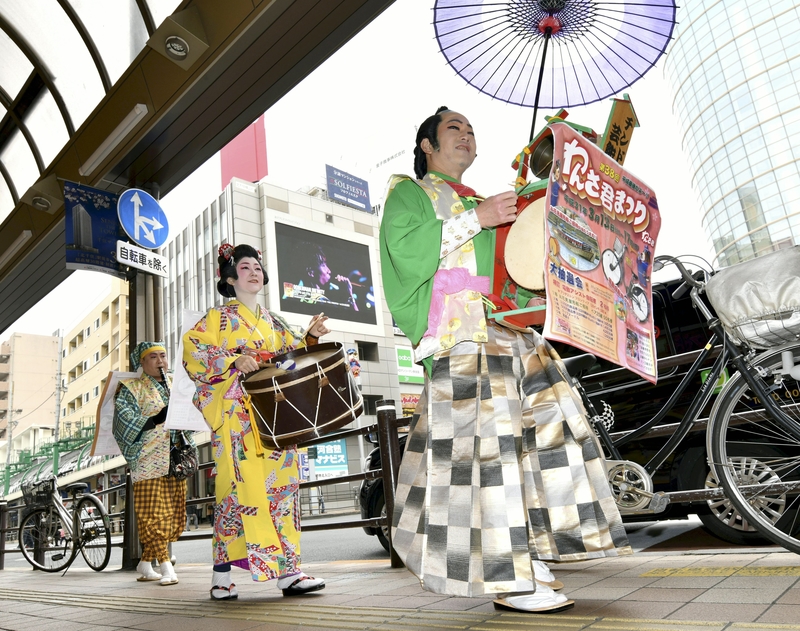
Chindonya ding-dong bands are enjoying a revival. Chindonya members clad in flamboyant costumes parade through the streets, advertising restaurant openings and announcing events by banging on drums and playing other musical instruments.
The retro-inspired, somewhat nostalgic musical troupes seem to attract more people now.
On a Saturday in mid-March, a chindonya troupe led by Hisashi Nagata, 53, also known as Kyu-chan, paraded in the commercial district at Kitasenju Station's west exit, called the Bikan shopping district, in Adachi Ward, Tokyo.
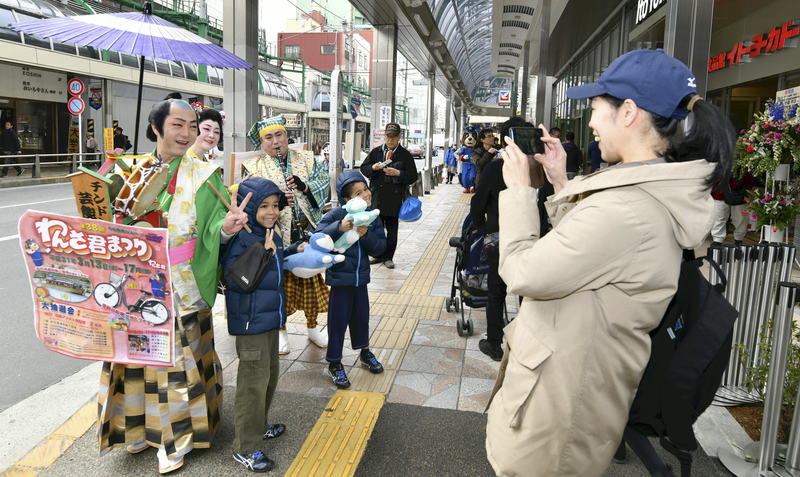
"Go to a lottery and enjoy it by all means! This is the last Wansa-kun festival in the Heisei era! Liven up your day!" said Nagata in a powerfully resounding voice, while marching through the area clad in a kimono that looked like a costume out of a period drama.
Born in 1965 in Saitama Prefecture, Nagata entered the Kozuruya chindonya troupe in Sumida Ward, Tokyo, after working in an organization. In 2007, after becoming independent, he established the Chindon-Geinousha company with his wife Mika.
Nagata's motto is to "pass on Tokyo's chindonya tradition to the future in a better way," he said.
That day, Nagata's troupe advertised a festival designed by the shopping district.
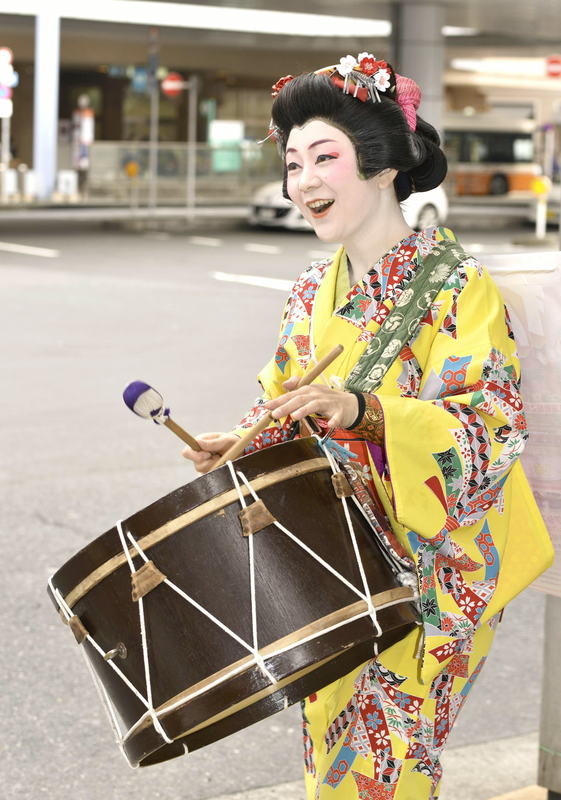
Kyu-chan banged on a chindon drum with a bell attached, while billboard girl Nozomi rythmically beat her drumsticks on a light drum to children's songs and famous anime songs played by skillful clarinet player Katchan. They paraded through the shopping district with a springy step while playing their instruments.
While marching to the music, the troupe waved to people in front of the station, graciously posed for photos and exchanged greetings with shop owners. Many passersby also waved to them.
"It's great that they are so lively," said a 70-year-old homemaker from Kawaguchi, Saitama Prefecture. She said she is a chindonya fan.
"Seeing chindonya brings back memories to older people, while it looks fresh to younger ones. More importantly, chindonya create a good atmosphere," said Soji Munakata, head of the shopping district's promotion association.
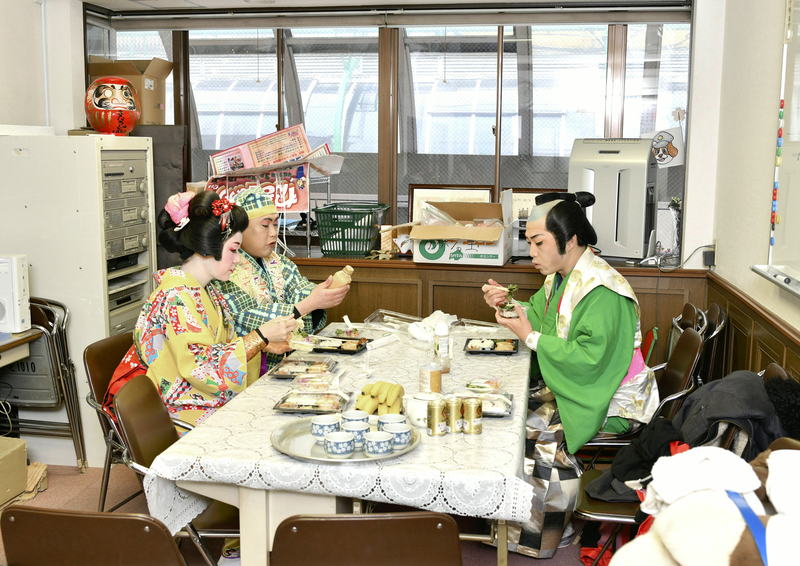
Nine people aged 23 to 53 are enrolled in Chindon-Geinousha.
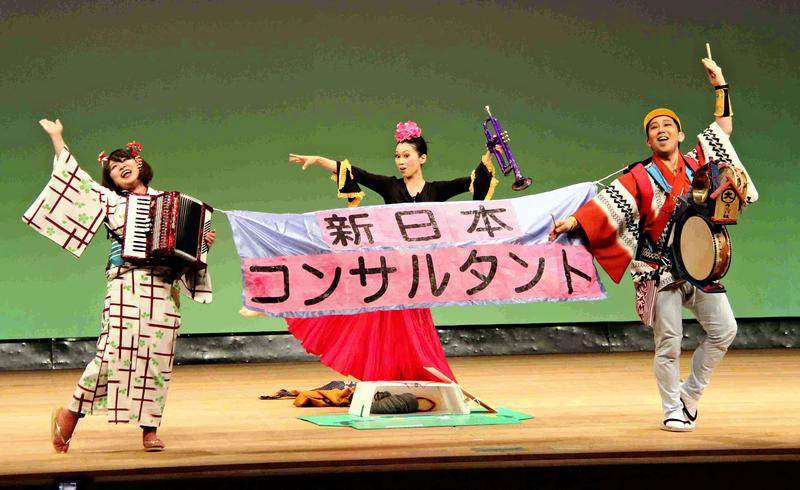
"We don't have a teacher-student relationship. The oyakata [boss] runs the operation and assigns work to professional chindonya performers," Nagata said.
Chindon-Geinousha receives nearly 200 jobs a year for such performances as advertising events in shopping districts, restaurant opening promotions and entertaining at daycare centers for elderly people.
A troupe usually comprises three to five members, each performing their roles of playing a musical instrument such as a saxophone or drum, holding a flag or giving out leaflets.
The oyakata takes charge of sales pitches for promotional products or services.
Asked what is the key to attracting people, Nagata said the most important thing is a smile. It is not good to pretend to smile with lips closed, and it is important to have a natural smile showing teeth, he said.
"Much consideration should be given when we walk into a crowd or quiet street," Nagata said. "Depending on the situation, we lower our voices for PR activities and the sound of our instruments, and also change our pacing."
The number of chindon performers sharply decreased during the high economic growth period. Chindonya's usefulness was rediscovered in the Heisei era (1989-2019), however, and an increasing number of chindonya entertainers joined the profession throughout the country, he said.
Chindonya oyakata in their 40s and 50s are currently endeavoring to promote the business.
"When I saw chindonya on a street in Tokyo, I also was attracted by a profession that makes people smile," Nagata said. He quit his office job and received training from the Kozuruya troupe oyakata.
At a given location, the troupe usually marches 40 to 50 minutes, five to six times a day.
Oyakata are also expecting the rise of the next generation in the business.
"To succeed in the chindon culture, I want to respond to many requests. I also want young people to join us," Nagata said.
105,000 visit Toyama events
The 65th All-Japan Chindon Traditional Street Performer Contest was held in Toyama city on April 5-7, with 159 people from 47 amateur and professional teams participating.
Participants competed onstage with their advertising techniques. Marches and parades were held in busy streets, and a chindonya costume-wearing event was also held. The contest and events attracted about 105,000 visitors.
"We hope that the contest can vitalize the local area, which will become an opportunity to expand such exchanges," said an official in charge at the Toyama city government.
Read more from The Japan News at https://japannews.yomiuri.co.jp/