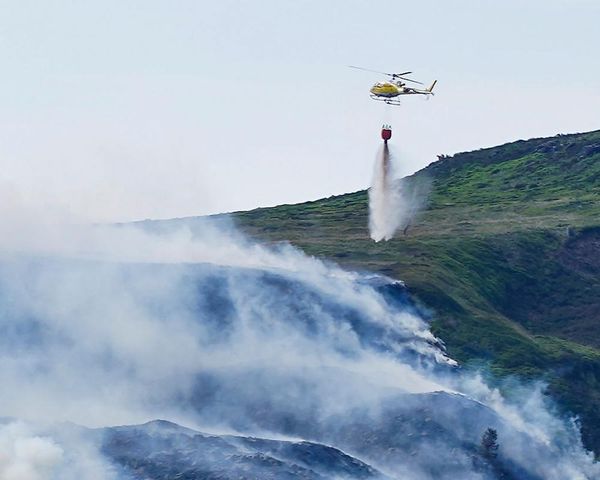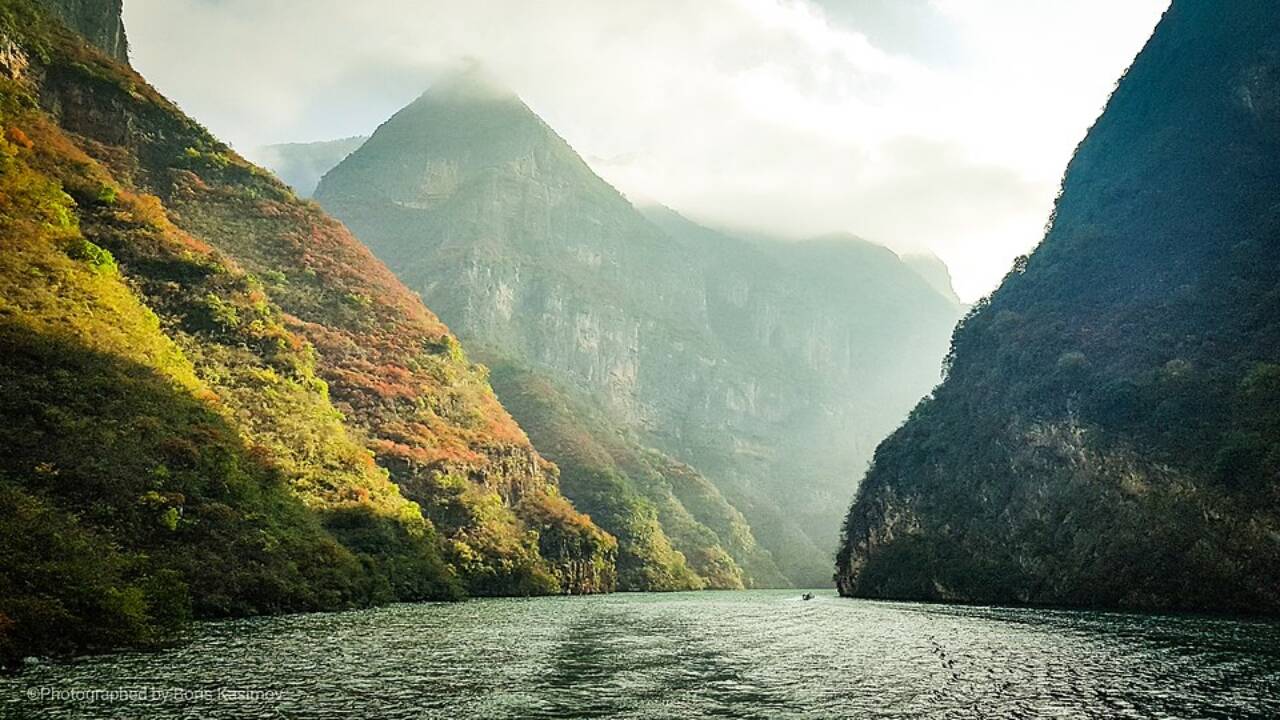
During an unexpected drought and heat wave in the summer of 2022, China’s Yangtze River Basin, which is also one of the country’s most important ecological resources, faced an extraordinary stress test. Scientists believe that the testing times offered a rare opportunity to examine how different types of forests respond when severe heat and water shortages occur simultaneously, a combination that the ongoing climate change is expected to make increasingly common. Notably, research claims that while natural forests offered better resistance during China’s drought in 2022, planted forests staged a quicker recovery, thus highlighting two very different forms of climate resilience.
Get breaking news anytime, anywhere. Download the TOI app now!
A stress test for China’s forests
The Yangtze River Basin supports vast stretches of forests that play a crucial role in regulating water supplies, preventing soil erosion, storing carbon, and sustaining the country’s biodiversity. Following decades of deforestation and devastating 1998 Yangtze floods, China launched an ambitious ecological restoration initiative, which included large-scale tree-planting programmes such as the Natural Forest Protection Program and Grain for Green. Interestingly, these projects dramatically expanded forest cover, although the scientists continued to question how well the planted forests could withstand increasingly frequent climate extremes. To understand forest resilience, researchers from the University of Chinese Academy of Sciences analysed satellite observations measuring vegetation greenness and carbon productivity across natural and planted forests.
The findings from their research showed that natural forests were significantly more resistant during drought- and heat-wave-laden events, with more than 70% of analysed areas experiencing less vegetation decline than neighbouring planted forests. Notably, scientists attribute this stronger resistance to the structural complexity of natural forests. For the unversed, natural forests usually contain multiple tree species, varied age classes and layered canopies, which allow the ecosystems to distribute environmental stress more effectively and reduce the widespread damage during extreme weather.
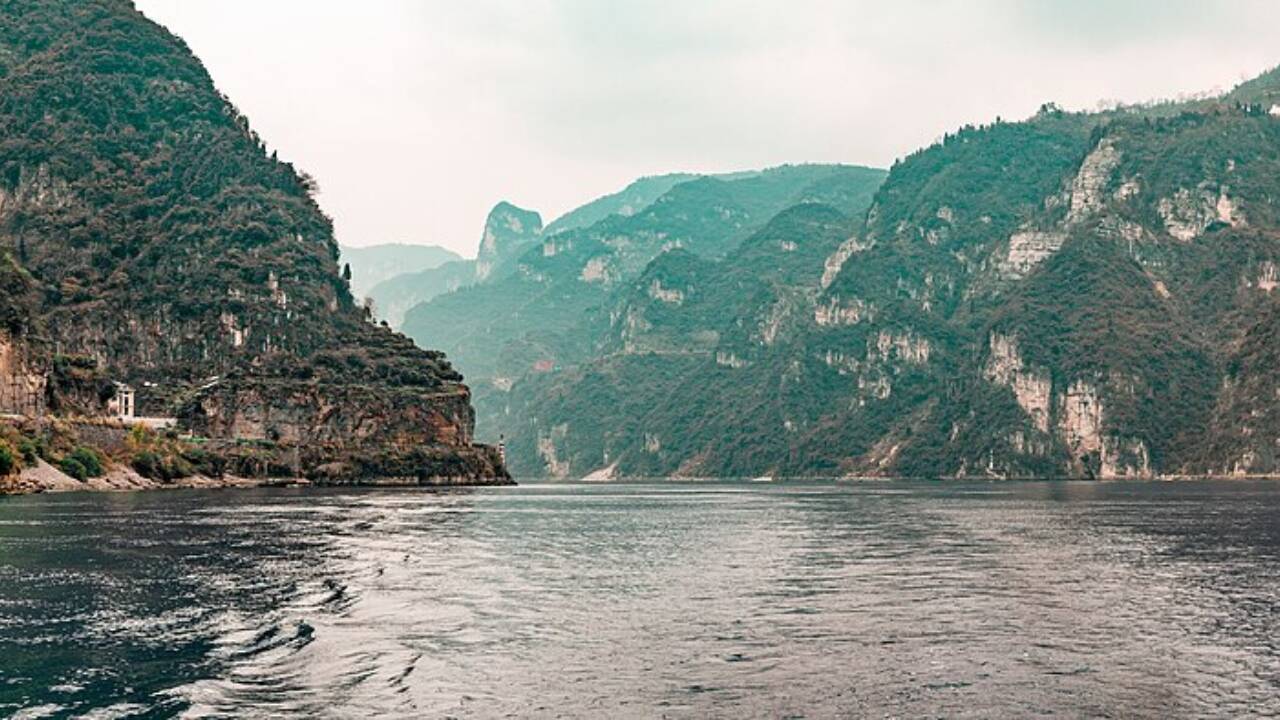
On the other hand, scientists noted that the planted forest suffered greater vegetation loss during the extreme weather as compared to the natural forest. However, these planted forests also demonstrated a much stronger rebound once rainfall returned. By examining the satellite observations from 2023, researchers found that planted forests recovered more rapidly than natural forests. According to the study, many planted forests consist of significantly younger, fast-growing trees, which can quickly resume growth after moisture availability improves. Meanwhile, natural forests contain older and larger trees with greater biomass, which eventually makes the recovery slower despite their superior resistance during drought.
Climate change may amplify extreme contrasts
Researchers focused particularly on compound drought-heatwave events, where prolonged water shortages coincide with high temperatures, thus exposing forests to two simultaneous stresses. Notably, the Intergovernmental Panel on Climate Change has warned that compound climate extremes are becoming frequent and intense with the rise in global temperatures, thus increasing threats to forests, water resources, and biodiversity worldwide. Additionally, the study highlights the concept of drought legacy, where the impact of extreme droughts continues to affect the forests long after rainfall returns. This concept therefore slows down the recovery of carbon uptake, root activity and soil processes even when canopies appear healthy again.
Researchers conclude that both natural and planted forests contribute differently to climate resilience rather than suggesting one forest type is superior to the other. They note that natural forests act as robust buffers during extreme seasons, while planted forests demonstrate fast recovery once favourable conditions return. Additionally, the authors of the research recommend improving the diversity and structural complexity of planted forests by incorporating multiple native species instead of relying heavily on a single-species plantation, as this approach could combine the immediate resistance of natural ecosystems with the rapid recovery seen in the younger trees.