
For decades, fencing has been used worldwide to separate wildlife from people, protect forests, and regulate access to sensitive landscapes. However, a new study from China now shows that one such conservation method might be triggering some unintended ecological consequences. Researchers have documented numerous wild animals becoming trapped, injured and killed along a 135-kilometre blade fence surrounding Mount Tai in China. The study highlights that this sharp structure may also be disrupting wildlife movement across eastern China’s most ecologically important mountain landscapes.
Get breaking news anytime, anywhere. Download the TOI app now!
Researchers observed injuries and deaths along the fence
The study, released as a preprint on Research Square , investigated the ecological impacts of a steel blade fence made around large sections of Mount Tai. According to the researchers, repeated field surveys have recorded multiple instances of mammals, reptiles, and other wildlife becoming entangled or fatally injured while trying to cross the barrier. Furthermore, beyond the physical injuries, the authors of this study also argue that the fence functions as a physical obstacle which restricts animals from moving between habitats, potentially even reducing their access to food, mates and other seasonal resources.
Mount Tai, located in Shandong Province, is one of China’s most famous sacred mountains and has even been recognised as a UNESCO World Heritage Site for its cultural and natural significance. Mount Tai’s forests support a diverse range of mammals, birds, reptiles, and invertebrates that depend on connected habitats extending across the mountain. Following their observations, researchers have warned that these long, continuous fences across the mountain can divide habitats into isolated sections, making it harder for wildlife to survive naturally. Notably, over time, restricted movement can reduce genetic exchange between populations and increase vulnerability to local extinctions, particularly for species with limited ranges.
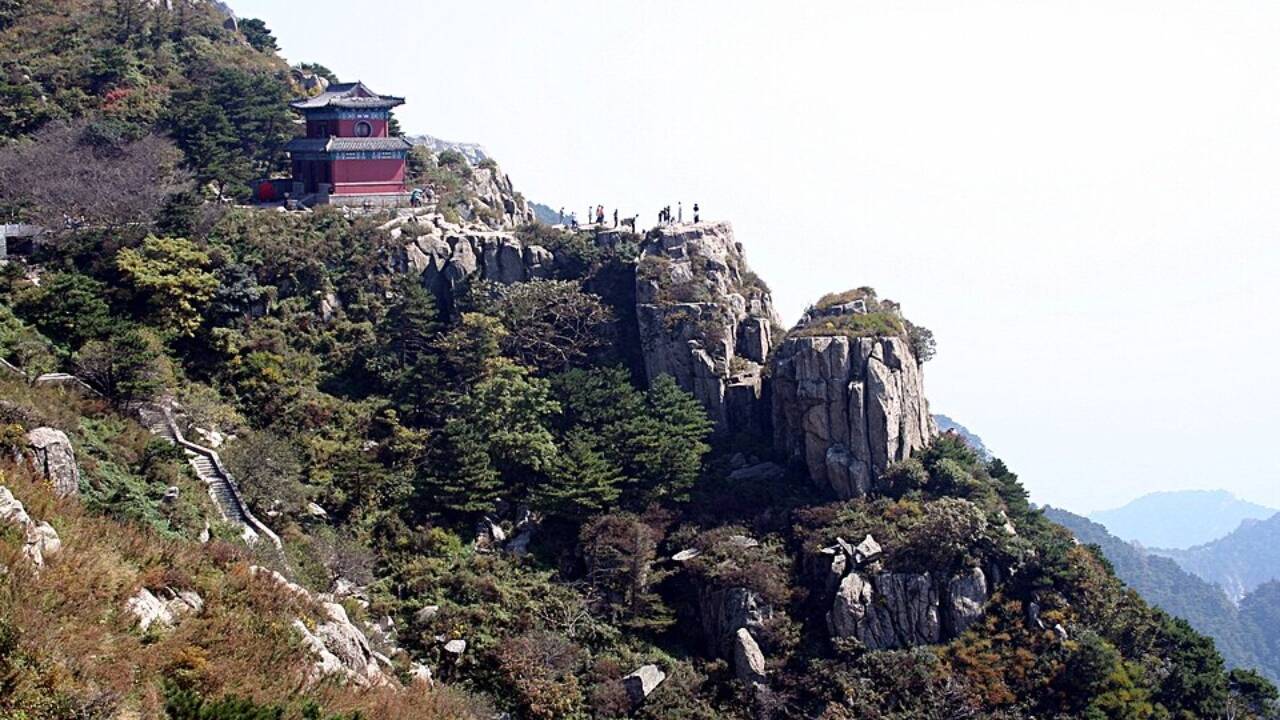
The study on Mount Tai highlights the risks associated with blade-style fencing, as its sharp metal edges might increase the likelihood of severe injuries compared with conventional wildlife fencing. The authors of the study have suggested that barriers intended to protect landscapes should also be evaluated for the impacts they might have on animals living within them. It is worth noting that the findings of this study align with the wide ecological research showing that fencing can alter wildlife movement, behaviour, and survival when animals cannot safely cross or navigate around barriers.
Scientists call for wildlife-friendly alternatives
Researchers believe that rather than eliminating fencing altogether, reassessing its design and placement should be considered as a solution to this challenge. They suggest replacing hazardous blade barriers with wildlife-friendly alternatives, incorporating crossing paths where deemed fit, and conducting ecological monitoring before installing long linear structures through sensitive habitats. Additionally, conservation experts argue that infrastructure intended to protect ecosystems should be planned with biodiversity in mind, while balancing visitor management and habitat protection without creating problems for wildlife.
With fencing becoming a common conservation tool around the world, scientists believe that its ecological impacts can vary widely depending on the design and location. While some barriers can likely reduce some human pressures, they might isolate habitats if wildlife cannot move safely between them. The Mount Tai study contributes to this broader discussion by documenting how one large mountain fence may be affecting the surrounding wildlife in practice.