China's Xi says country will not close door to global internet
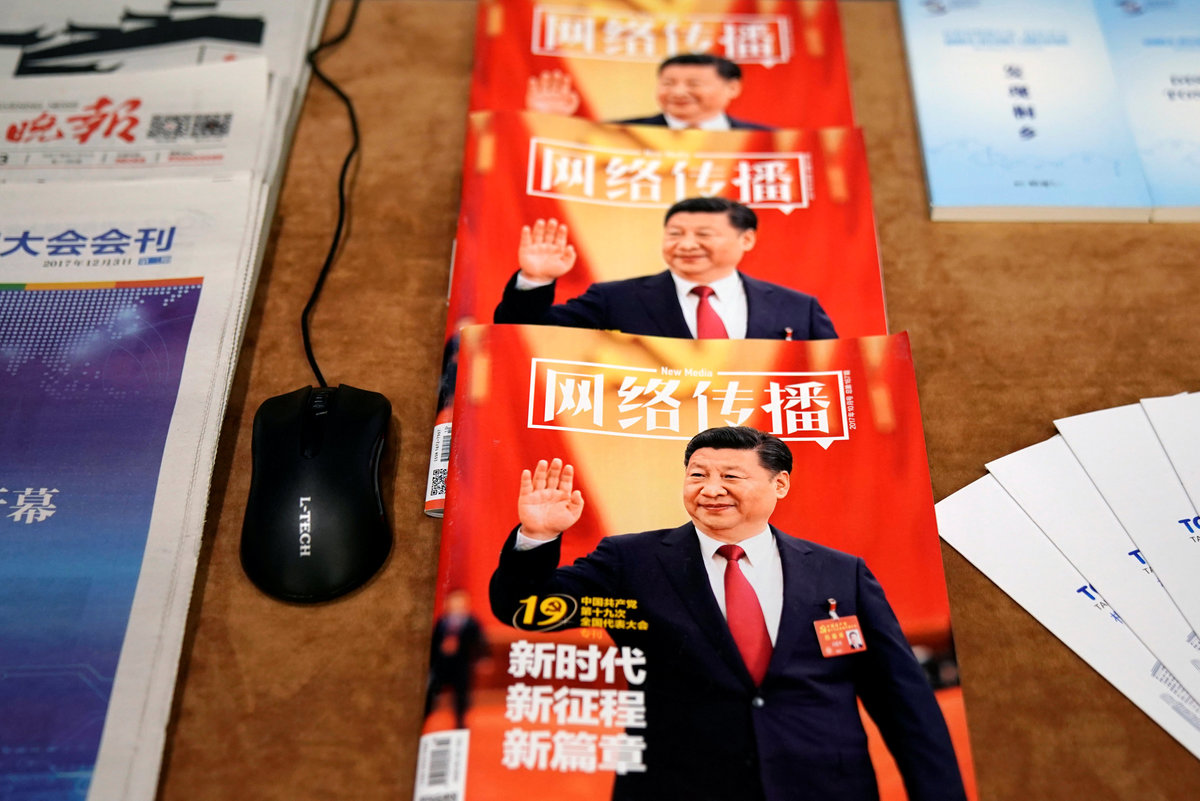
Chinese magazines featuring China's President Xi Jinping on the cover are seen during the fourth World Internet Conference in Wuzhen, Zhejiang province, China, December 3, 2017. REUTERS/Aly Song
WUZHEN, China (Reuters) - Chinese President Xi Jinping said on Sunday the country will not close its door to the global internet, but that cyber sovereignty is key in its vision of internet development.
Xi's comments were read by Huang Kunming, head of the Chinese Communist Party's publicity department at the country's largest public cyber policy forum in the town of Wuzhen in eastern China.
People look at Xiao Qiao robots during the fourth World Internet Conference in Wuzhen, Zhejiang province, China, December 3, 2017. REUTERS/Aly Song
"The development of China's cyberspace is entering a fast lane...China's doors will only become more and more open," said Xi in the note.
Cyber sovereignty is the idea that states should be permitted to manage and contain their own internet without external interference.
China's Communist Party has tightened cyber regulation in the past year, formalizing new rules that require firms to store data locally and censor tools that allow users to subvert the Great Firewall.
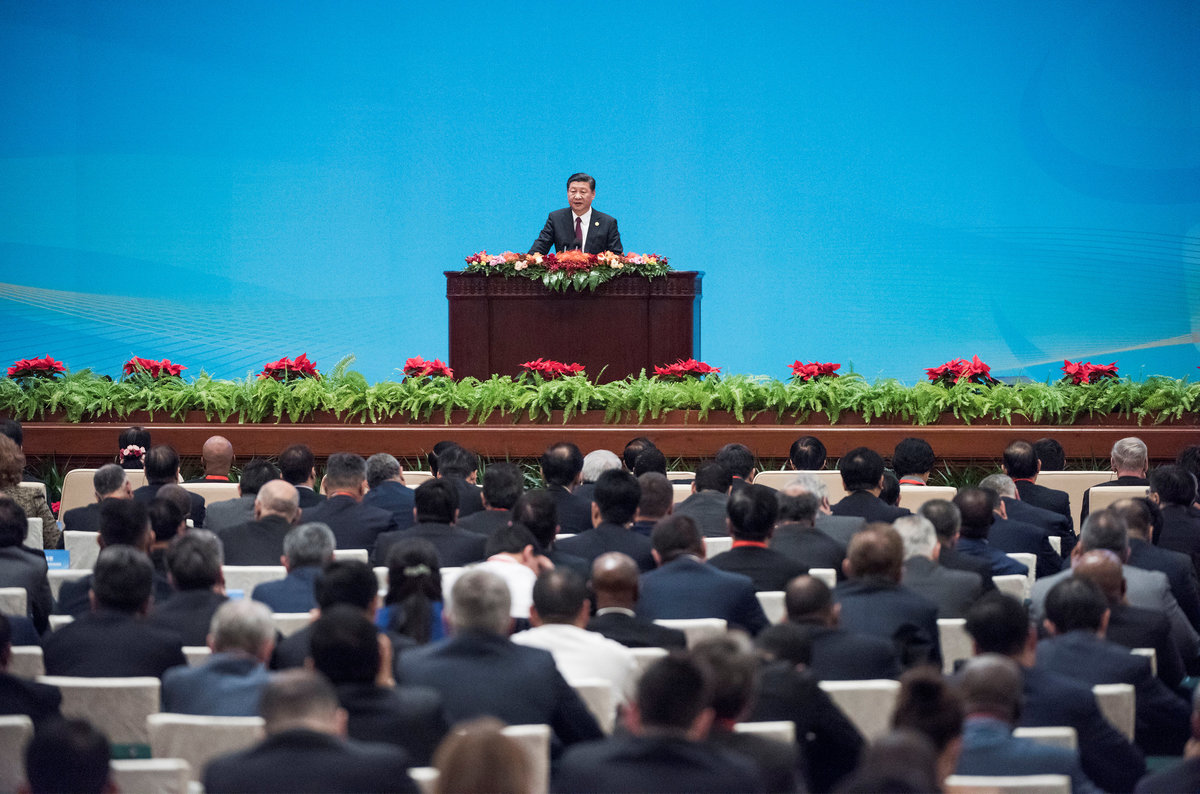
File Photo - China's President Xi Jinping speaks at the opening ceremony of the "CPC in dialogue with world political parties" high-level meeting, at the Great Hall of the People in Beijing, China December 1, 2017. REUTERS/Fred Dufour/Pool
In June, China introduced a new national cybersecurity law that requires foreign firms to store data locally and submit to data surveillance measures.
Cyber regulators say the laws are in line with international rules, and that they are designed to protect personal privacy and counter attacks on core infrastructure. Business groups say the rules unfairly target foreign firms.
China has advocated strongly for a larger role in global internet governance under Xi.
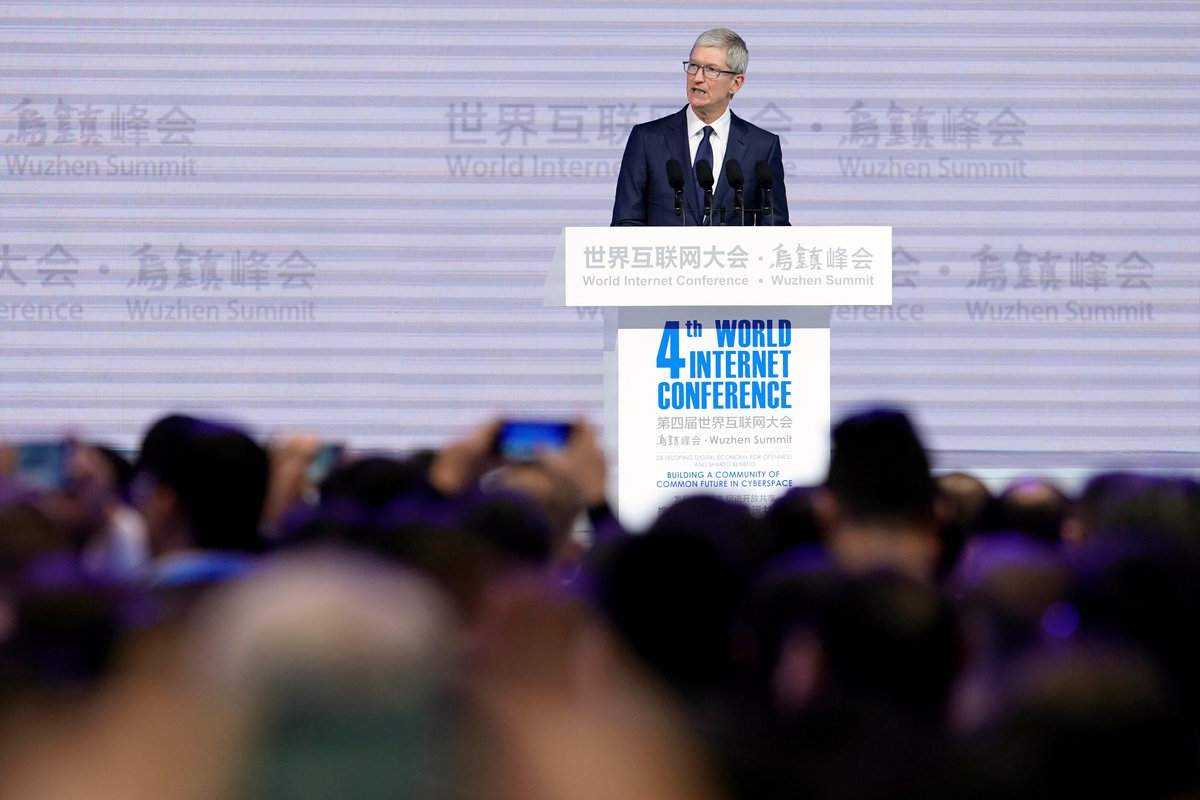
Apple CEO Tim Cook attends the opening ceremony of the fourth World Internet Conference in Wuzhen, Zhejiang province, China, December 3, 2017. REUTERS/Aly Song
"China stands ready to develop new rules and systems of internet governance to serve all parties and counteract current imbalances," said Wang Huning, a member of the Communist Party standing committee at the event on Sunday.
The conference, which is overseen by the Cyberspace Administration of China (CAC) invited foreign executives, Apple Inc's CEO Tim Cook and Google Inc chief Sundar Pichai as well as a Facebook Inc executive.
Google and Facebook are banned in China, along with Twitter Inc and most major western news outlets.
A sign of Tencent is seen during the fourth World Internet Conference in Wuzhen, Zhejiang province, China, December 3, 2017. REUTERS/Aly Song
Top executives from Alibaba Group Holding Ltd, Tencent Holdings Ltd and Baidu Inc also attended the forum.
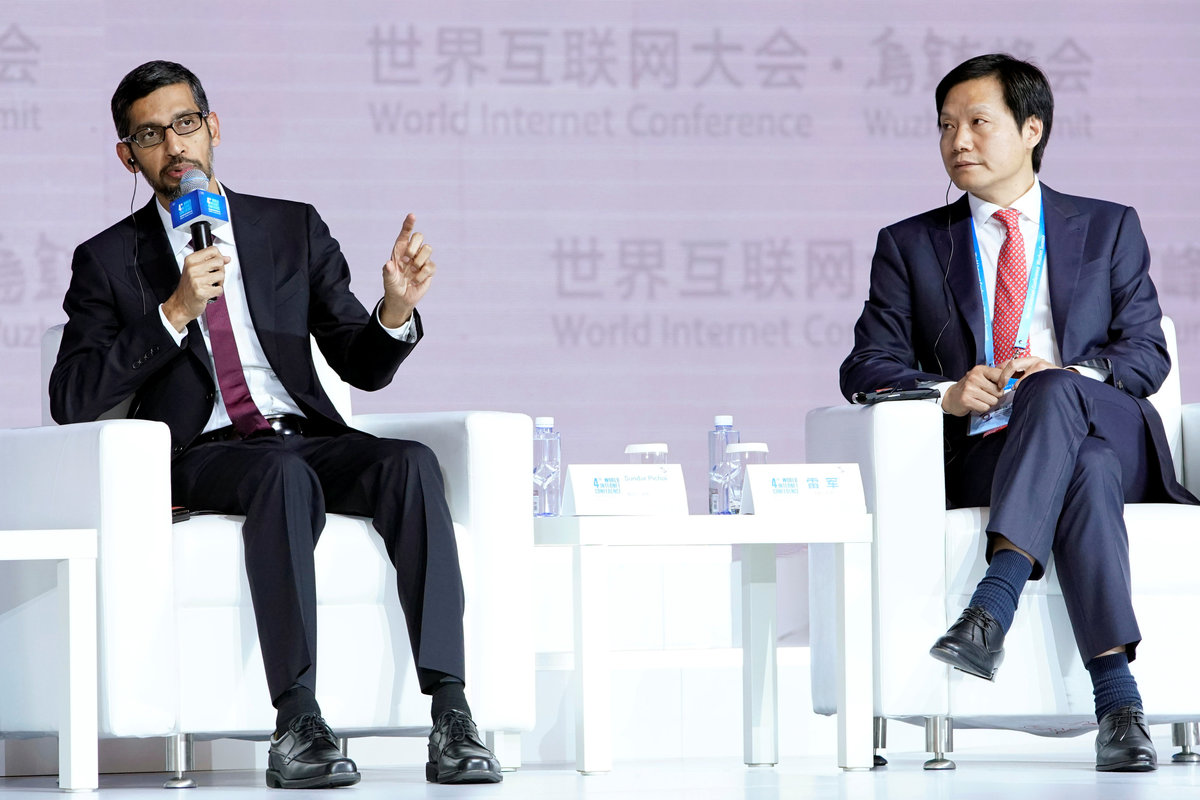
Google Inc. CEO Sundar Pichai (L) and Xiaomi's founder and CEO Lei Jun attend a session of the fourth World Internet Conference in Wuzhen, Zhejiang province, China, December 3, 2017. REUTERS/Aly Song
(Editing by Jacqueline Wong)
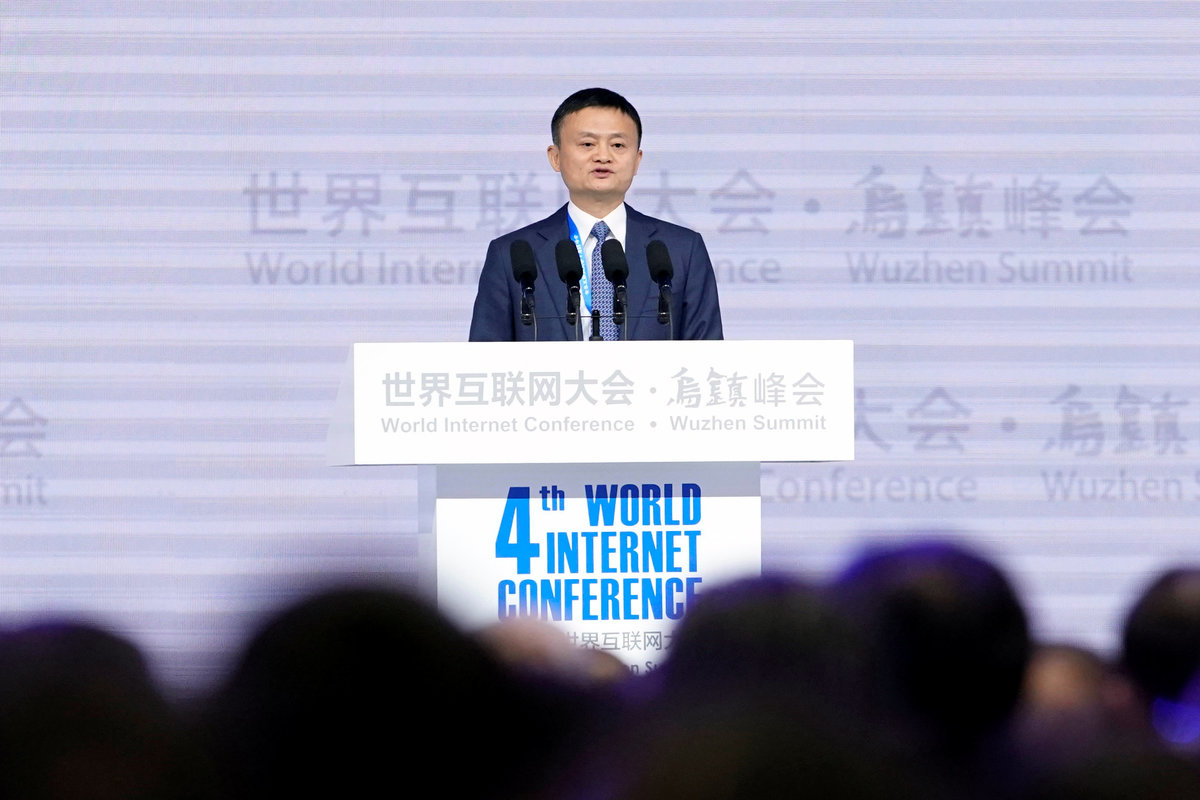
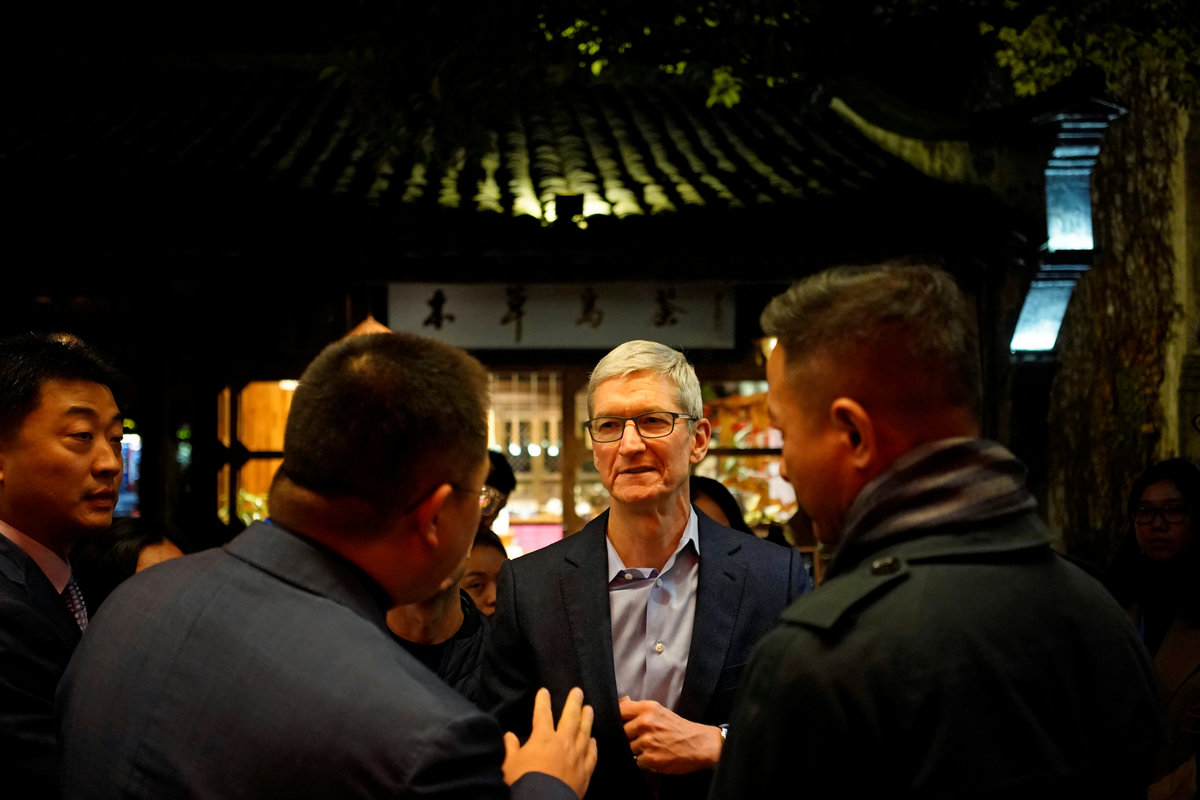
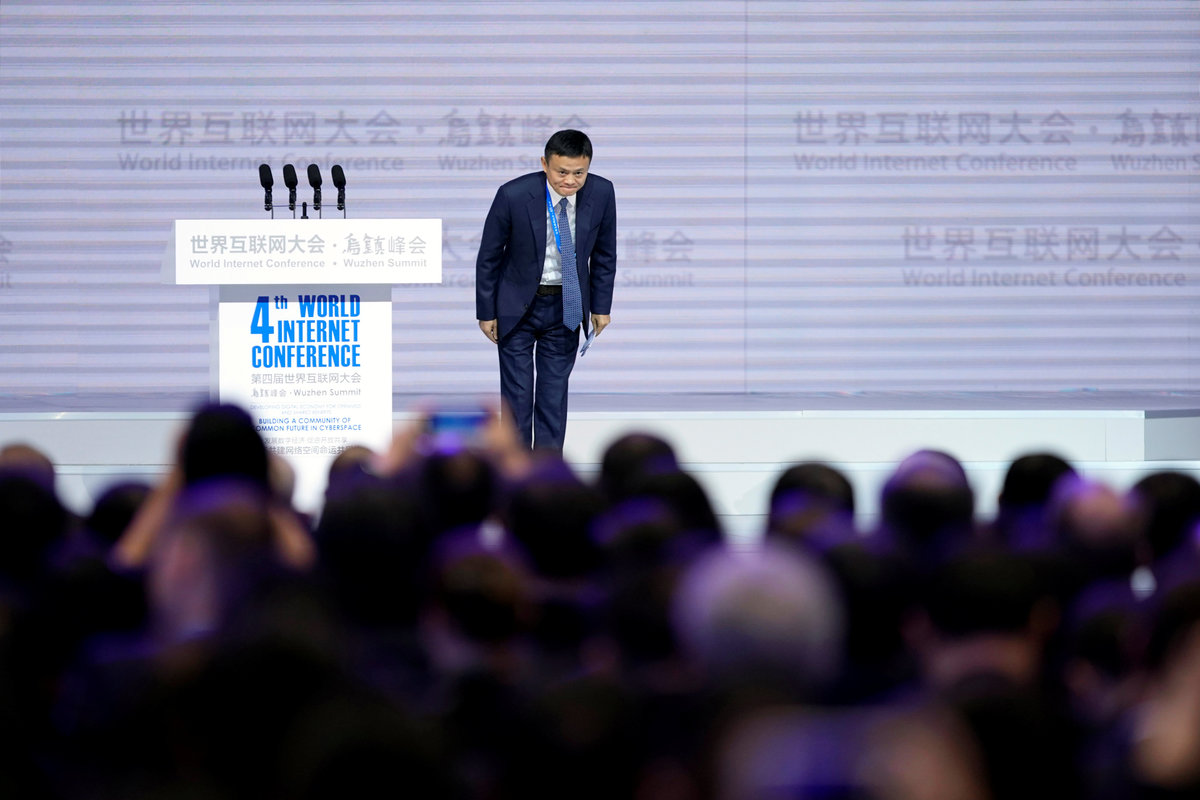
A sign of Baidu is seen during the fourth World Internet Conference in Wuzhen, Zhejiang province, China, December 3, 2017. REUTERS/Aly SongA sign of Alibaba Group is seen during the fourth World Internet Conference in Wuzhen, Zhejiang province, China, December 3, 2017. REUTERS/Aly SongAlibaba Group Executive Chairman Jack Ma attends the opening ceremony of the fourth World Internet Conference in Wuzhen, Zhejiang province, China, December 3, 2017. REUTERS/Aly SongApple CEO Tim Cook arrives before the fourth World Internet Conference in Wuzhen, Zhejiang province, China, December 2, 2017. REUTERS/Aly SongChina's Politburo Standing Committee member Wang Huning attends the opening ceremony of the fourth World Internet Conference in Wuzhen, Zhejiang province, China, December 3, 2017. REUTERS/Aly SongAlibaba Group Executive Chairman Jack Ma attends the opening ceremony of the fourth World Internet Conference in Wuzhen, Zhejiang province, China, December 3, 2017. REUTERS/Aly Song
Sign up to read this article
Read news from 100’s of titles, curated specifically for you.