China's Xi says Belt and Road must be green, sustainable
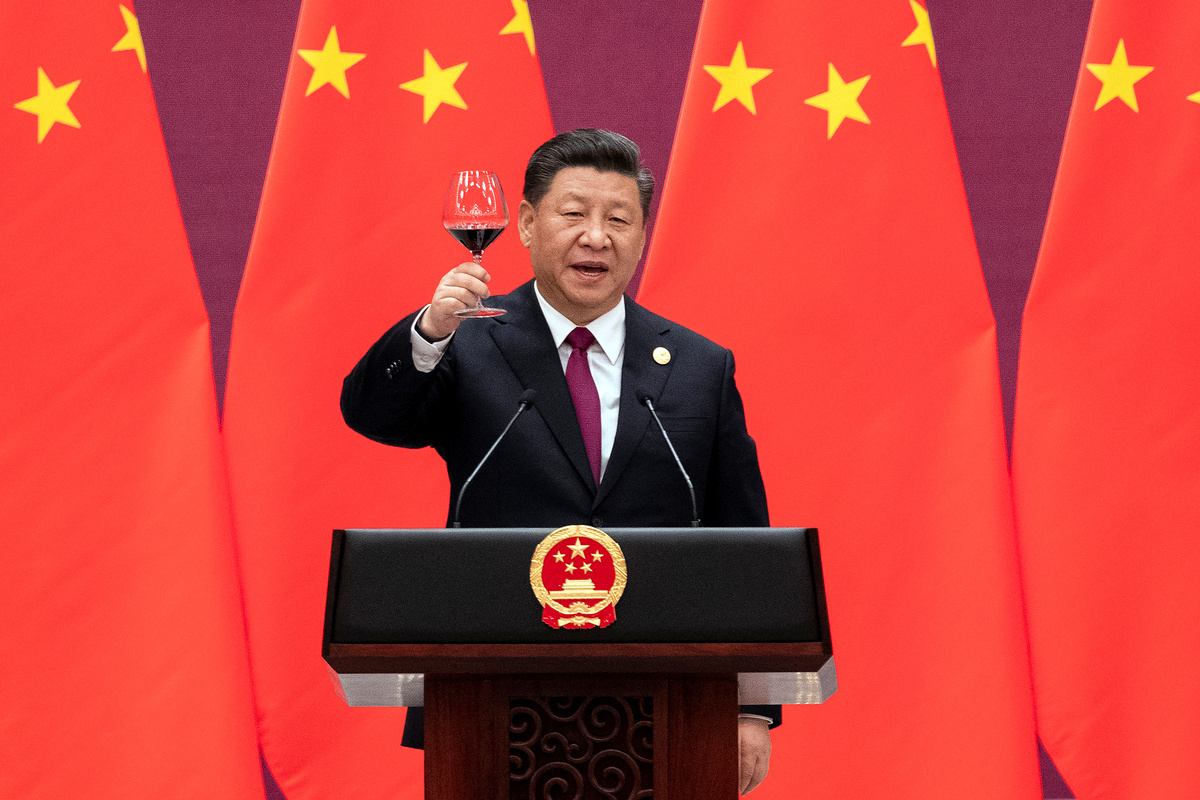
Chinese President Xi Jinping raises his glass and proposes a toast at the end of his speech during the welcome banquet, after the welcome ceremony of leaders attending the Belt and Road Forum at the Great Hall of the People in Beijing, China, April 26, 2019. Nicolas Asfour/Pool via REUTERS
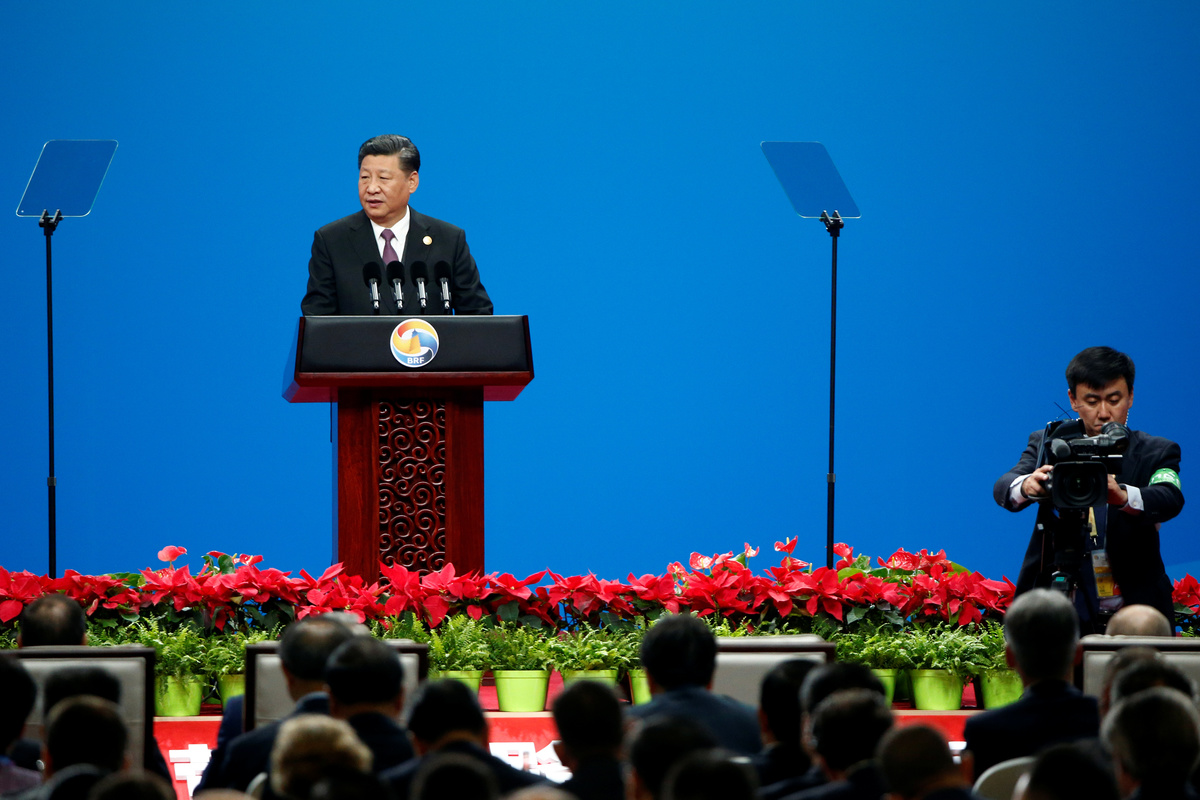
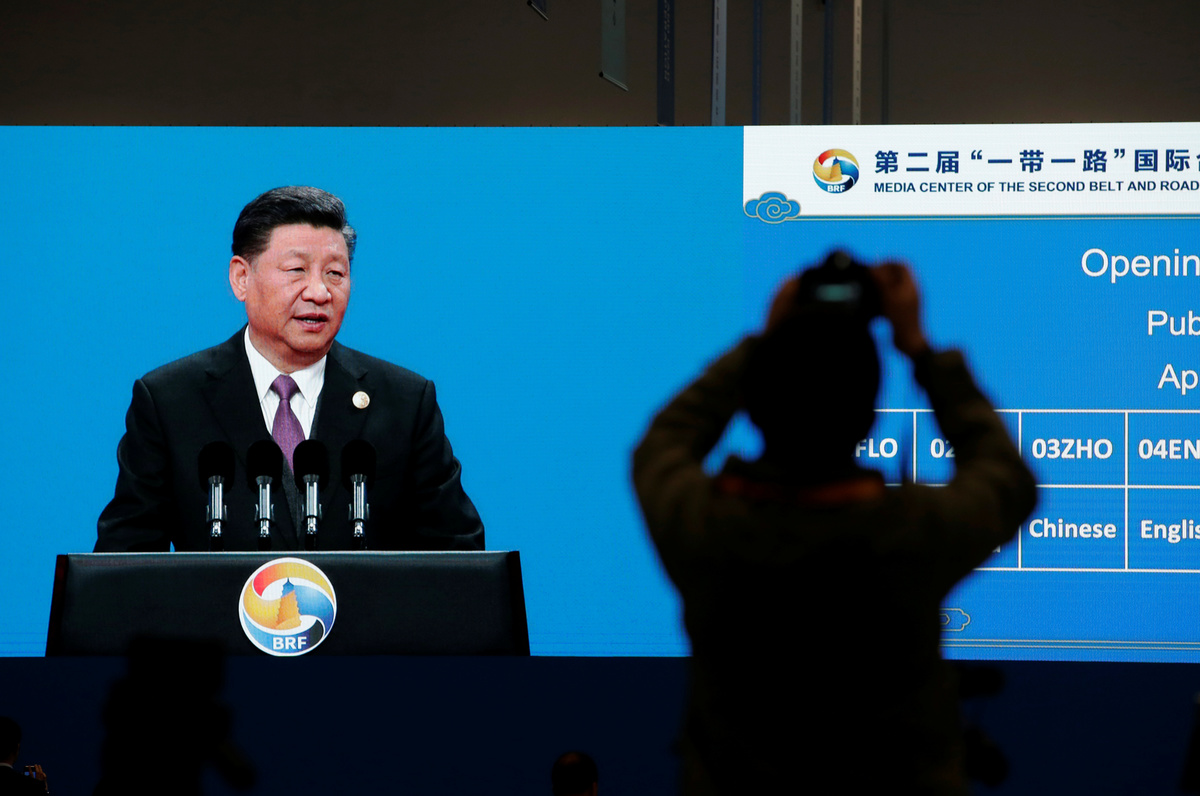
BEIJING (Reuters) - China's Belt and Road Initiative (BRI) must be green and sustainable, President Xi Jinping said in opening a summit on his grand strategy, adding that the massive infrastructure and trade plan would deliver "high-quality" growth for all.
Xi's plan to rebuild the old Silk Road to connect China with Asia, Europe and beyond has aroused controversy, as some partner nations have bemoaned the high cost of infrastructure projects.
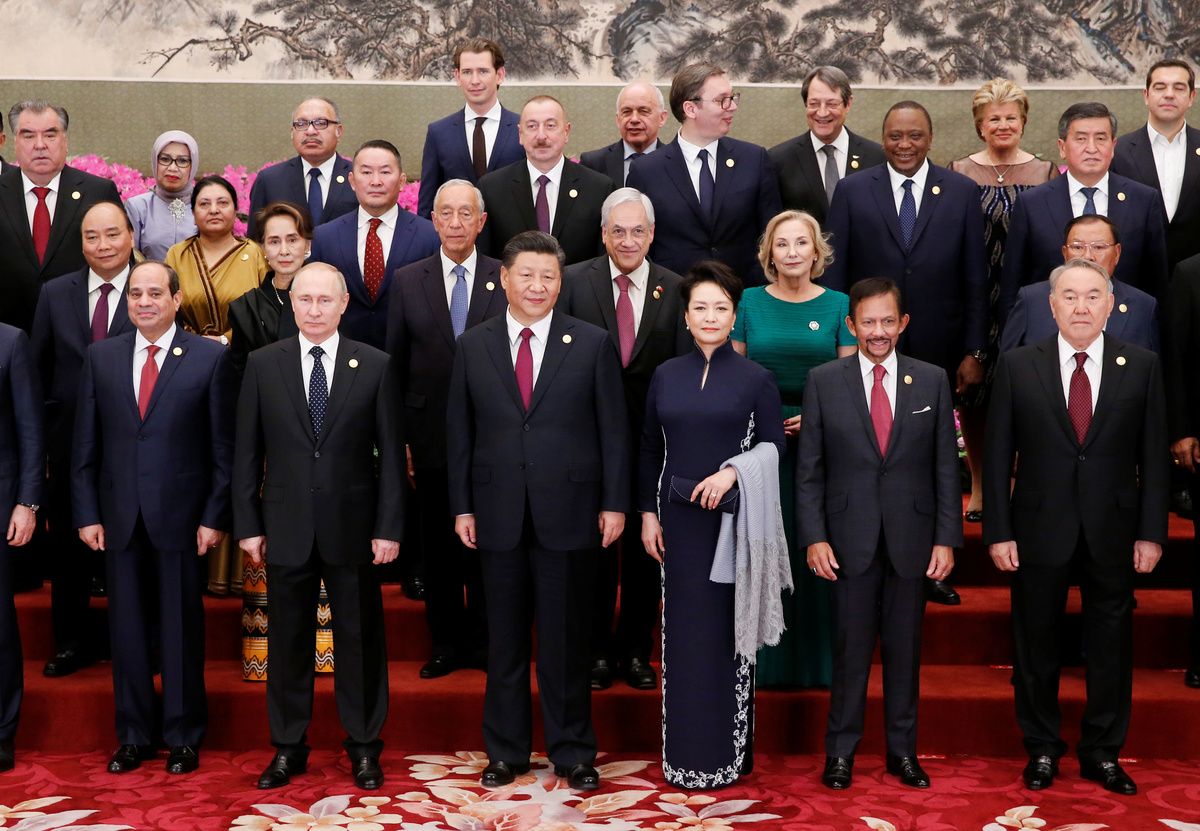
Chinese President Xi Jinping with his wife Peng Liyuan, Russian President Vladimir Putin and other leaders attend a group photo session at a welcoming banquet for the Belt and Road Forum at the Great Hall of the People, in Beijing, China, April 26, 2019. REUTERS/Jason Lee/Pool
China has not said how much the ambitious plan will cost, but some independent estimates suggest it will run to several trillion dollars.
Beijing has repeatedly said it is not seeking to trap countries that sign up to BRI with debt. It will use this week's summit in Beijing to address those concerns and recalibrate the policy.
Xi said in a keynote speech on Friday that environmental protection must underpin the initiative "to protect the common home we live in".
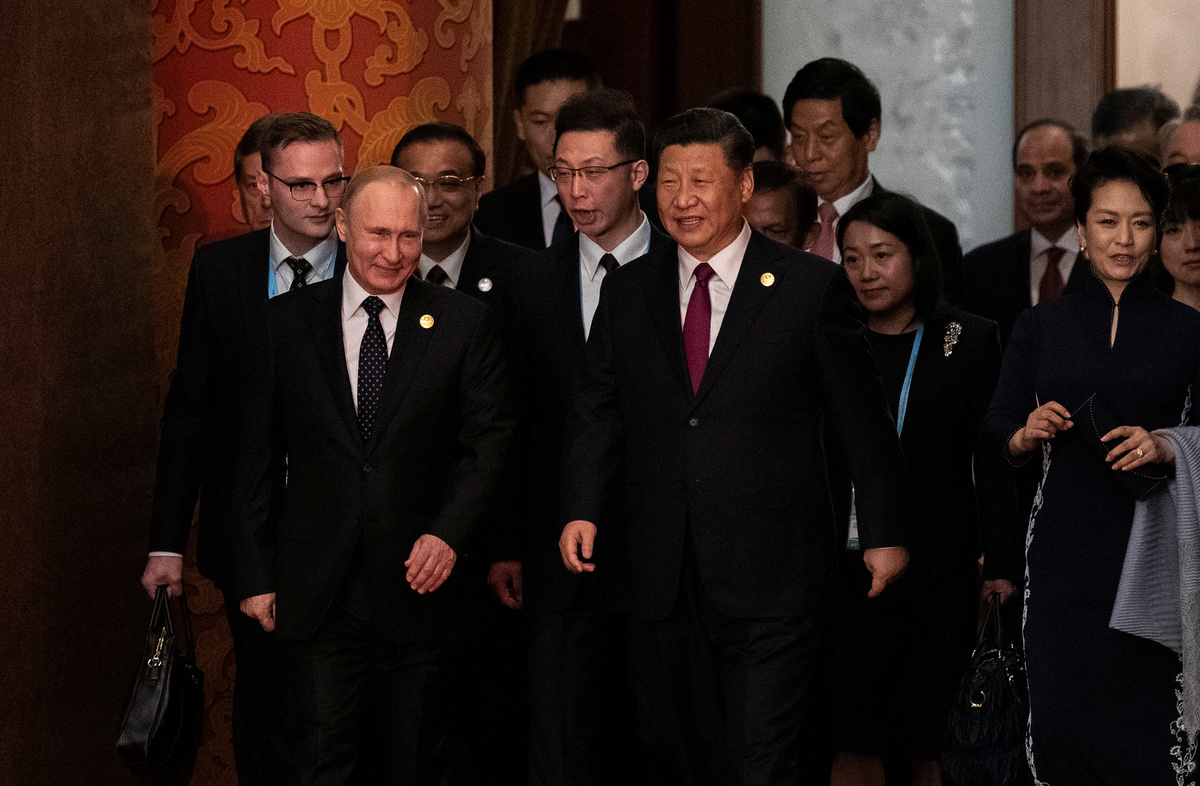
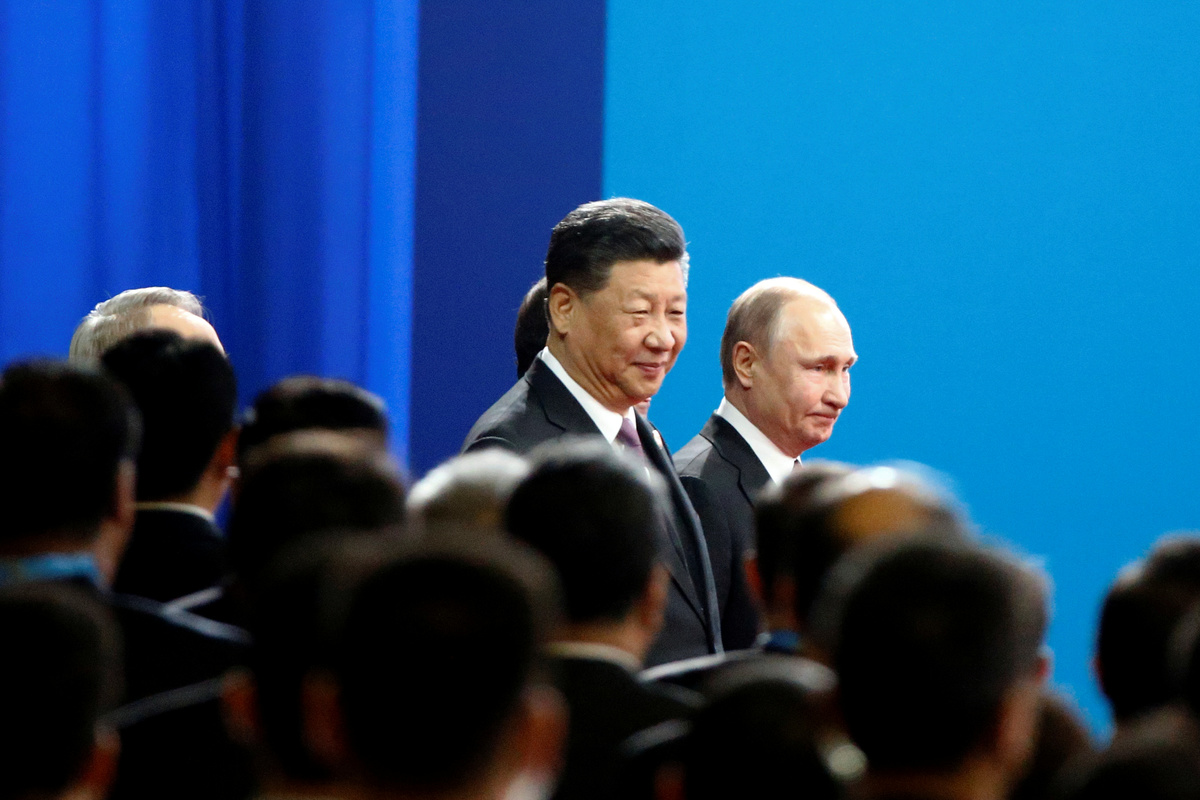
Russian President Vladimir Putin and Chinese President Xi Jinping arrive for a welcoming banquet, after the welcome ceremony of leaders attending the Belt and Road Forum at the Great Hall of the People in Beijing, China April 26, 2019. Nicolas Asfouri/Pool via REUTERS
"Operate in the sun and fight corruption together with zero tolerance," Xi said.
"Building high-quality, sustainable, risk-resistant, reasonably priced, and inclusive infrastructure will help countries to fully utilise their resource endowments," he said.
At the first summit, in 2017, Xi said Chinese banks would lend 380 billion yuan ($56.4 billion) to support BRI cooperation. He did not give a figure for the new financing in his opening remarks at the summit, but he is schedule to give another speech, on Saturday.
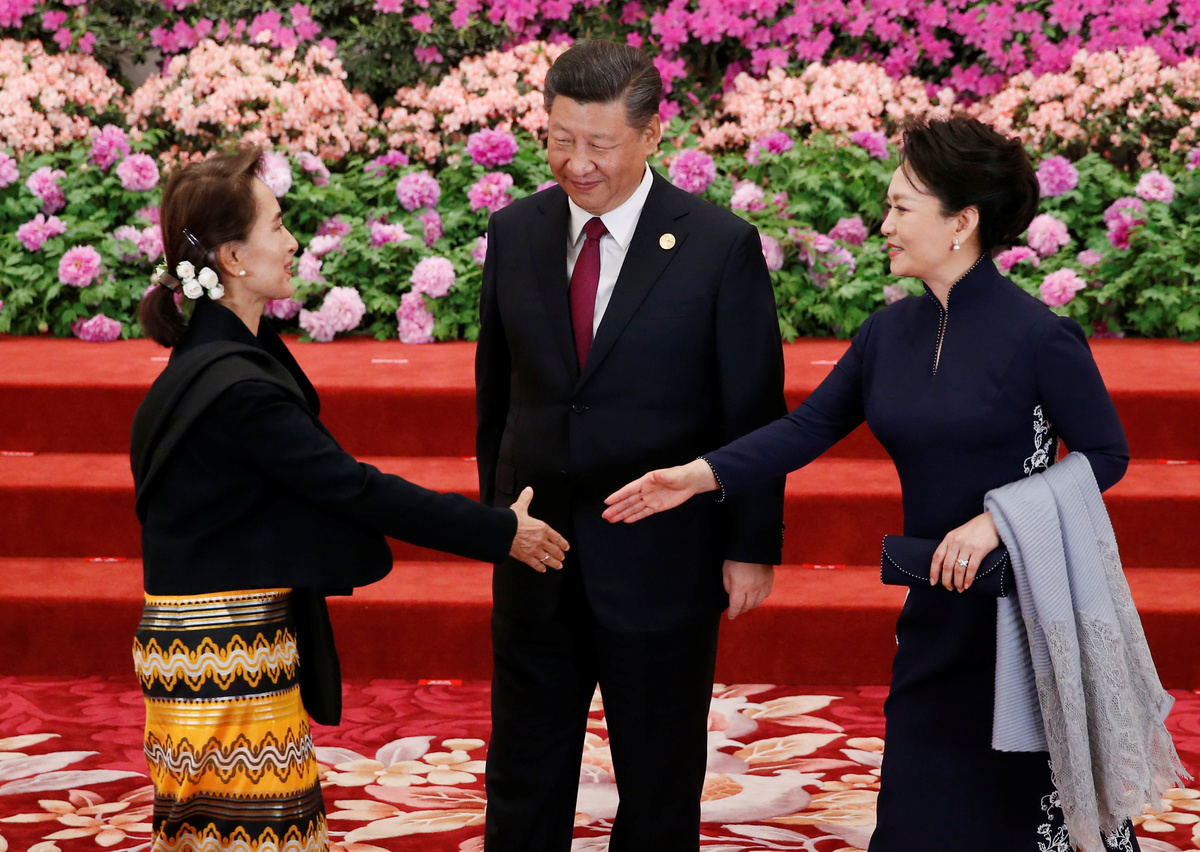
Myanmar State Counsellor Aung San Suu Kyi (L) arrives to attend a welcoming banquet for the Belt and Road Forum hosted by Chinese President Xi Jinping and his wife Peng Liyuan at the Great Hall of the People in Beijing, China, April 26, 2019. REUTERS/Jason Lee/Pool
Western governments have tended to view the plan as a means to spread Chinese influence abroad, saddling poor countries with unsustainable debt.
While most of the BRI projects are continuing as planned, some have been caught up by changes in government in countries such as Malaysia and the Maldives.
Those that have been shelved for financial reasons include a power plant in Pakistan and an airport in Sierra Leone, and Beijing has rebuffed critics by saying that not one country has been burdened with so-called "debt traps".
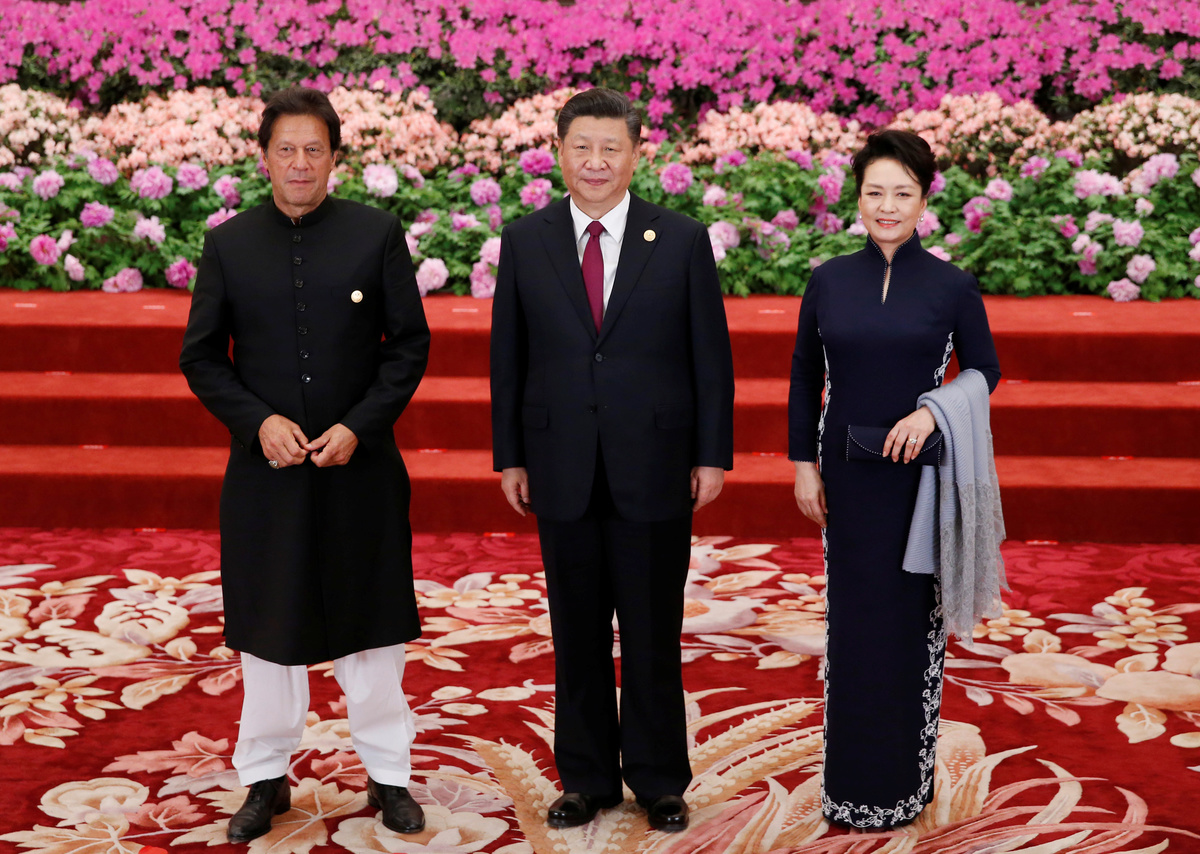
Pakistani Prime Minister Imran Khan arrives to attend a welcoming banquet for the Belt and Road Forum hosted by Chinese President Xi Jinping and his wife Peng Liyuan at the Great Hall of the People in Beijing, China, April 26, 2019. REUTERS/Jason Lee/Pool
Since 2017, the finance ministries of 28 countries have called on governments, financial institutions and companies from BRI countries to work together to build a long-term, stable and sustainable financing system to manage risks, China's finance ministry said in a report released on Thursday.
Debt sustainability has to be taken into account when mobilising funds, the ministry said in the report, which outlined a framework for use in analysing debt sustainability of low-income BRI nations and managing debt risks.
Xi launched BRI in 2013, and according to data from Refinitiv, the total value of projects in the scheme stands at $3.67 trillion, spanning countries in Asia, Europe, Africa, Oceania and South America.
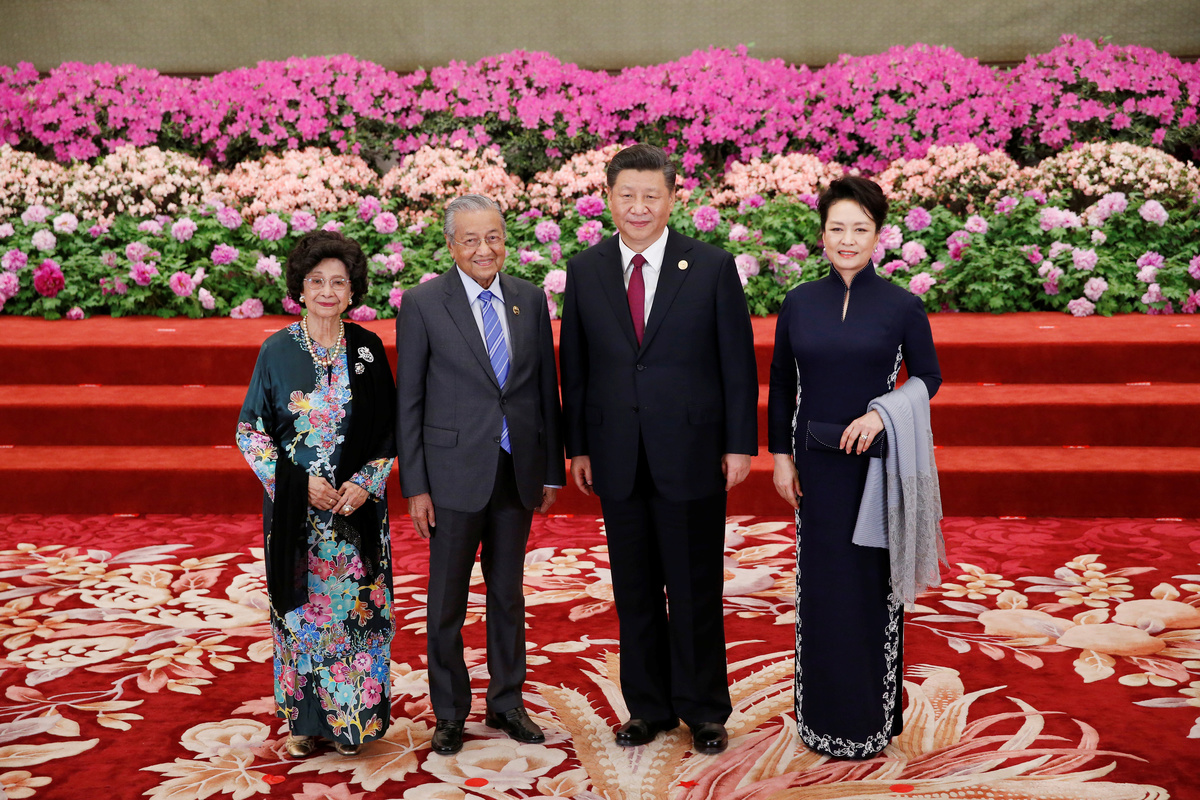
Malaysian Prime Minister Mahathir Mohamad (2nd L) and his wife Siti Hasmah arrive to attend a welcoming banquet for the Belt and Road Forum hosted by Chinese President Xi Jinping and his wife Peng Liyuan (R) at the Great Hall of the People in Beijing, China, April 26, 2019. REUTERS/Jason Lee/Pool
"The BRI is an extraordinarily ambitious vision. To turn that vision into a sustainable reality, it must work for everyone involved," British finance minister Philip Hammond said at the summit.
The potential benefits are clear, but to deliver them, BRI must operate according to the highest global standards with all parties working together within the rules-based international system to create genuine win-win outcomes for all, he said.
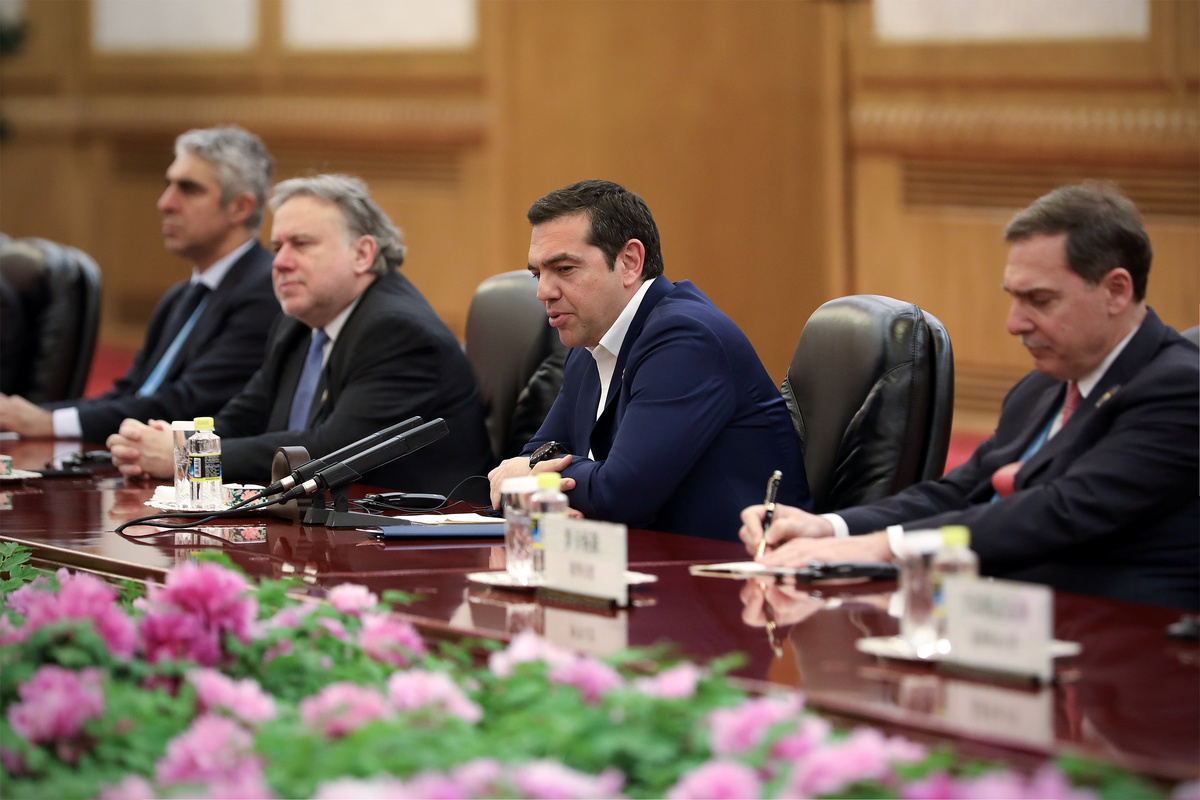
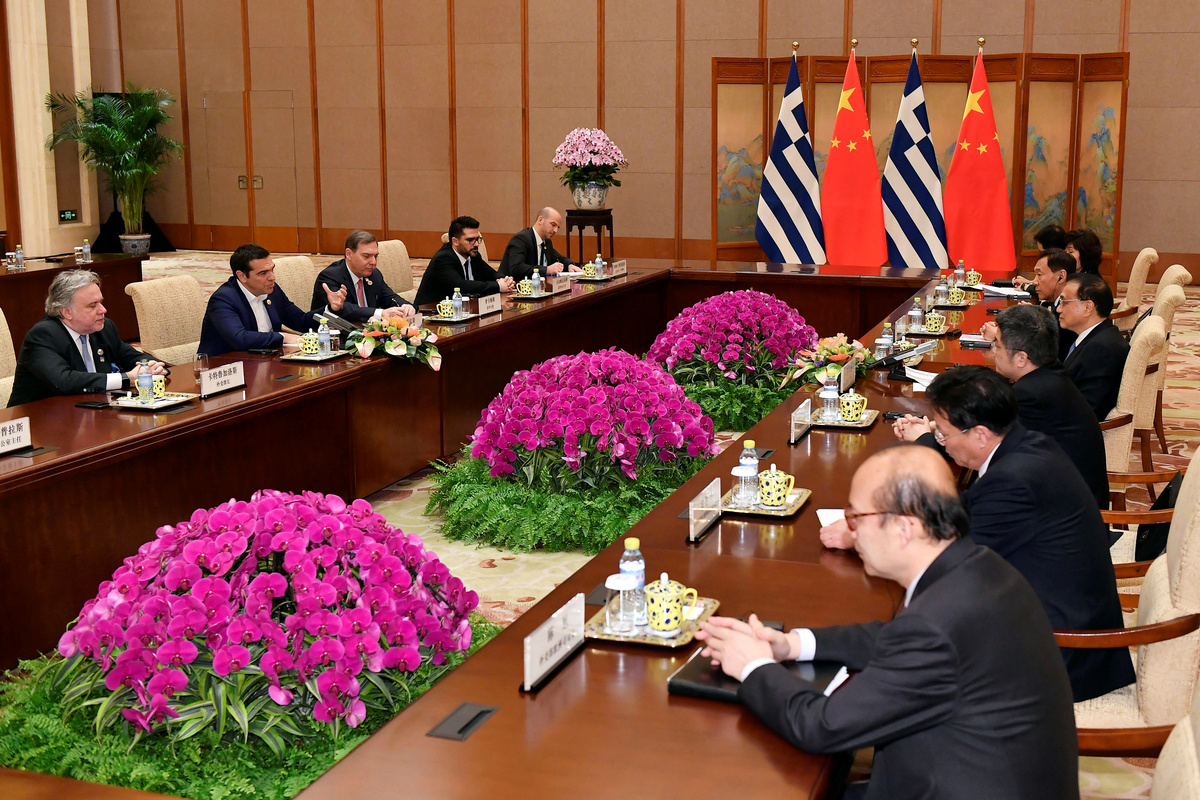
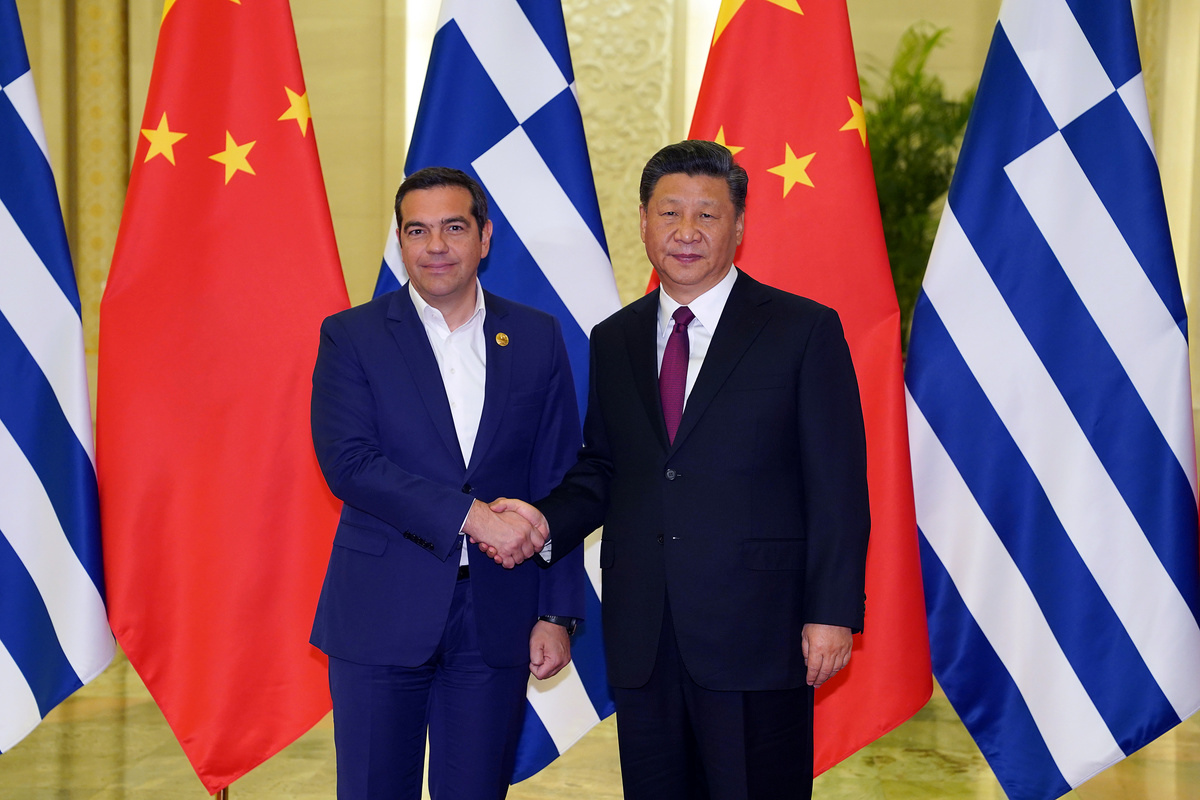
Greek Prime Minister Alexis Tsipras talks to Chinese President Xi Jinping (not pictured) during the bilateral meeting of the Second Belt and Road Forum at the Great Hall of the People in Beijing, China, April 26, 2019. Andrea Verdelli/Pool via REUTERS
CHINESE PROMISES
The BRI will also create development opportunities for China just as the country itself is further opening its markets to the world, Xi said.
He said China will "improve laws and regulations, regulate government behaviour at all levels in administrative licensing, market supervision and other areas, and clean up and abolish unreasonable regulations, subsidies and practices that impede fair competition and distort the market."
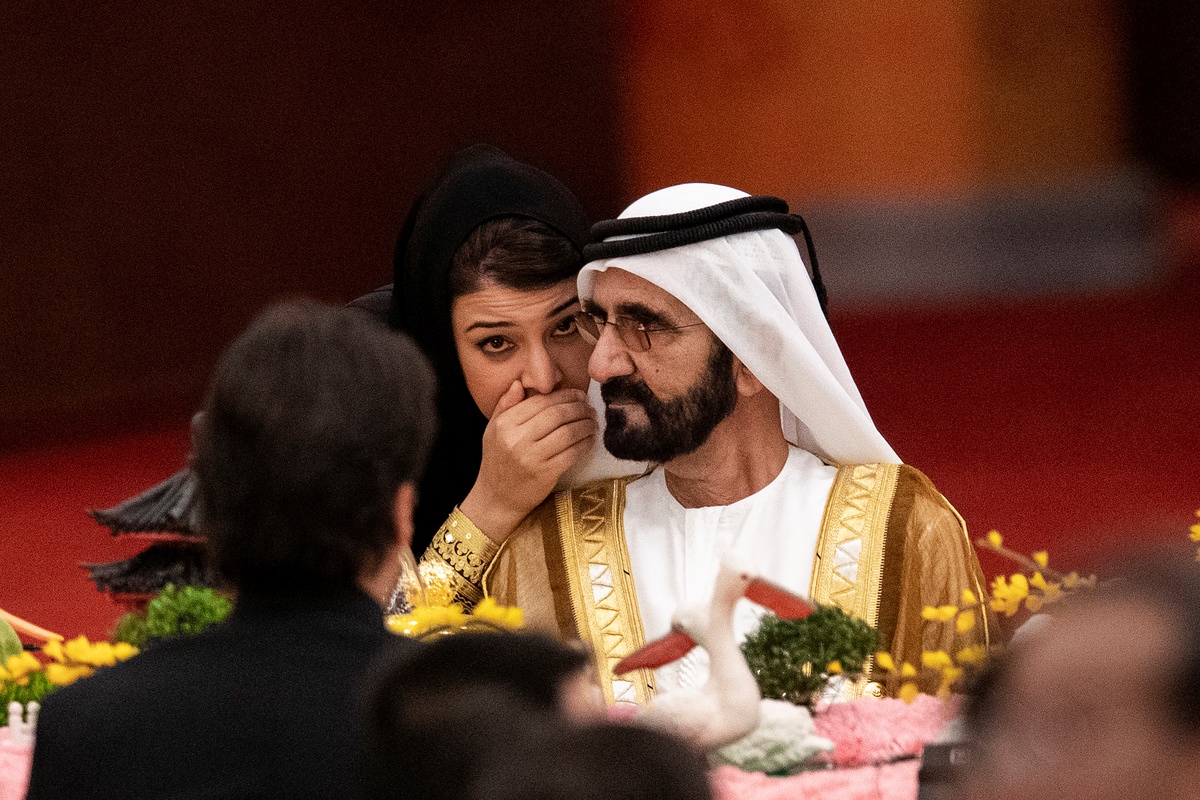
United Arab Emirates Vice President and Prime Minister Mohammed bin Rashid Al Maktoum is seen during a welcoming banquet, after the welcome ceremony of leaders attending the Second Belt and Road Forum at the Great Hall of the People in Beijing, China April 26, 2019. Nicolas Asfouri/Pool via REUTERS
Xi promised to significantly shorten the negative list for foreign investments, and allow foreign companies to take a majority stake or set up wholly-owned companies in more sectors.
Tariffs will be lower and non-tariff barriers will be eliminated, he added.
China also aims to import more services and goods, and is willing to import competitive agricultural products and services to achieve trade balance.
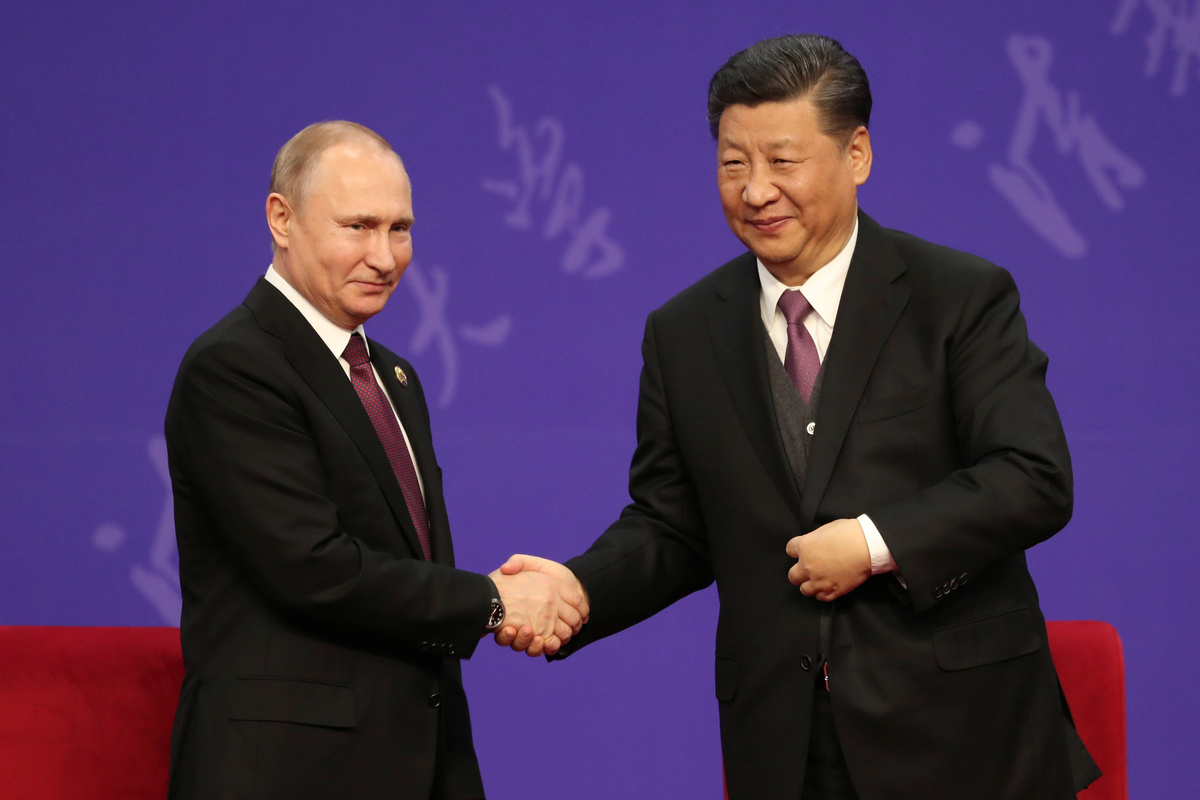
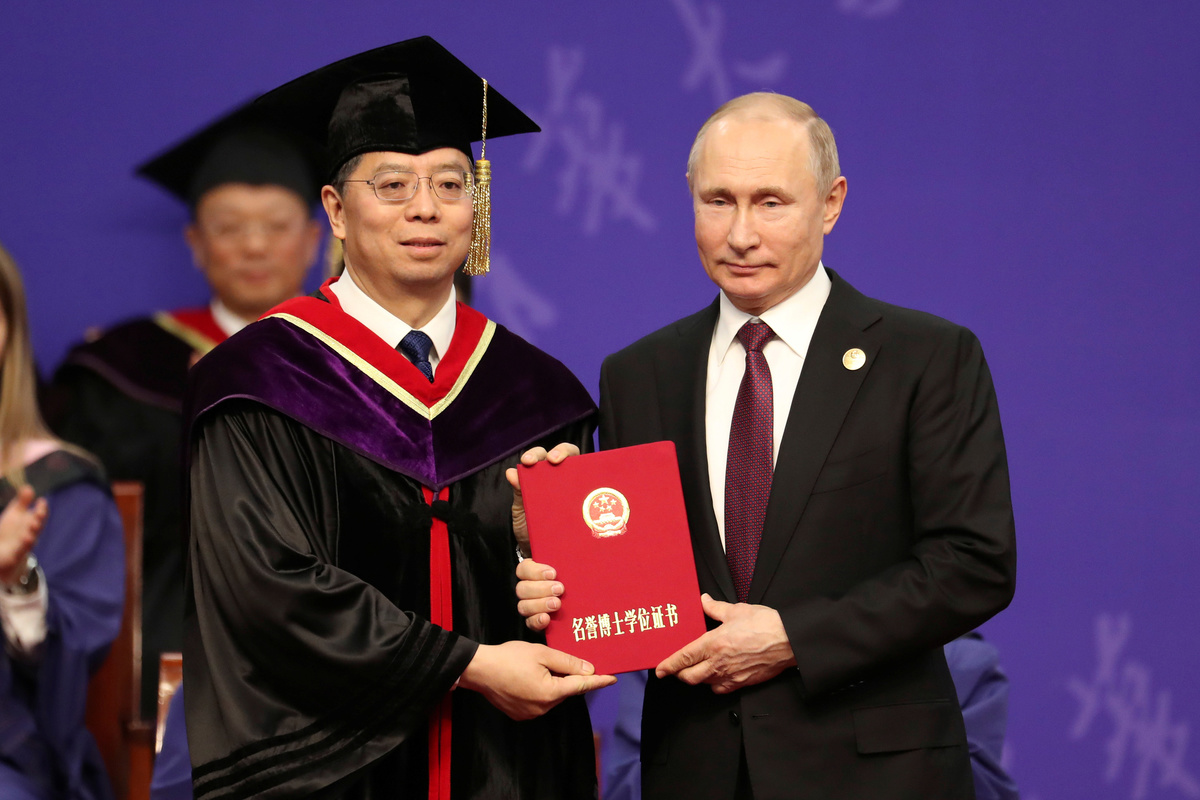
Russian President Vladimir Putin shakes hands with Chinese President Xi Jinping during the Tsinghua University’s ceremony at Friendship Palace in Beijing, China April 26, 2019. Kenzaburo Fukuhara/Pool via REUTERS
VISITING LEADERS
Summit attendees include Russian President Vladimir Putin and Prime Minister Imran Khan of Pakistan, a close China ally and among the biggest recipients of BRI investment, as well as Prime Minister Giuseppe Conte of Italy, which recently became the first G7 country to sign on.
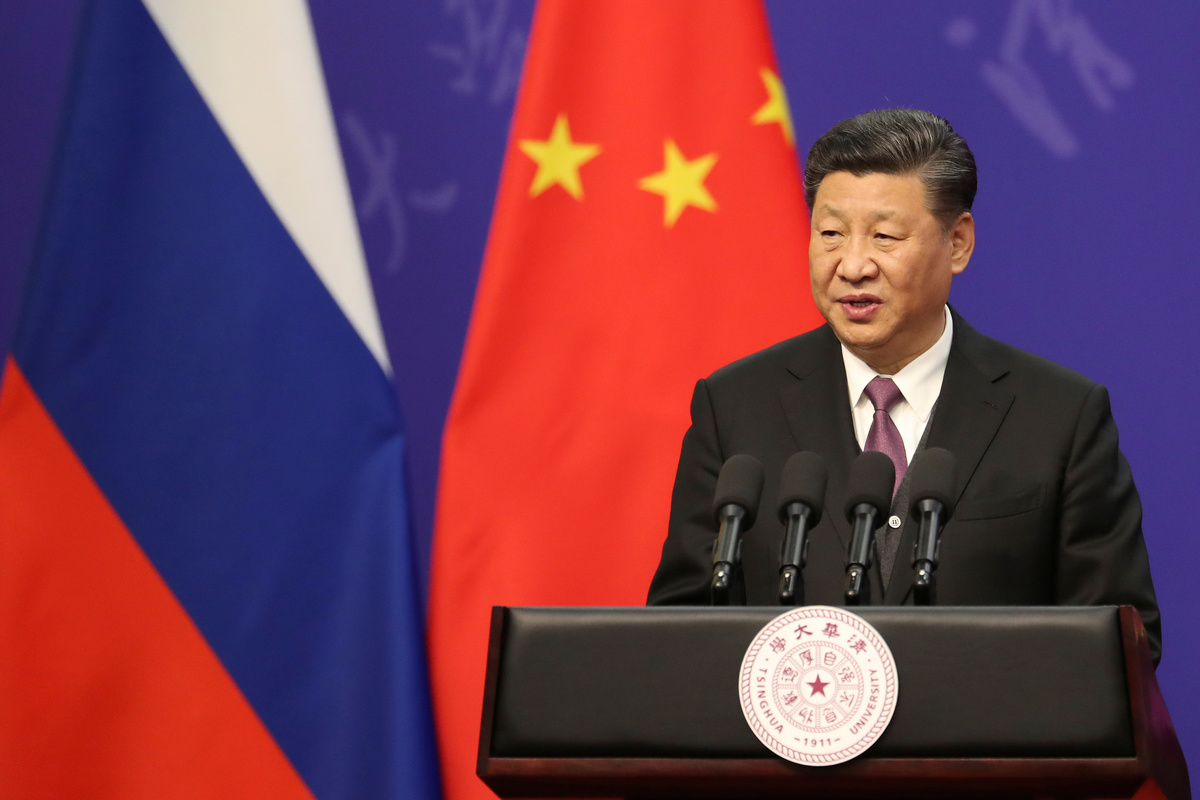
Chinese President Xi Jinping gives a speech during the Tsinghua University’s ceremony at Friendship Palace in Beijing, China April 26, 2019. Kenzaburo Fukuhara/Pool via REUTERS
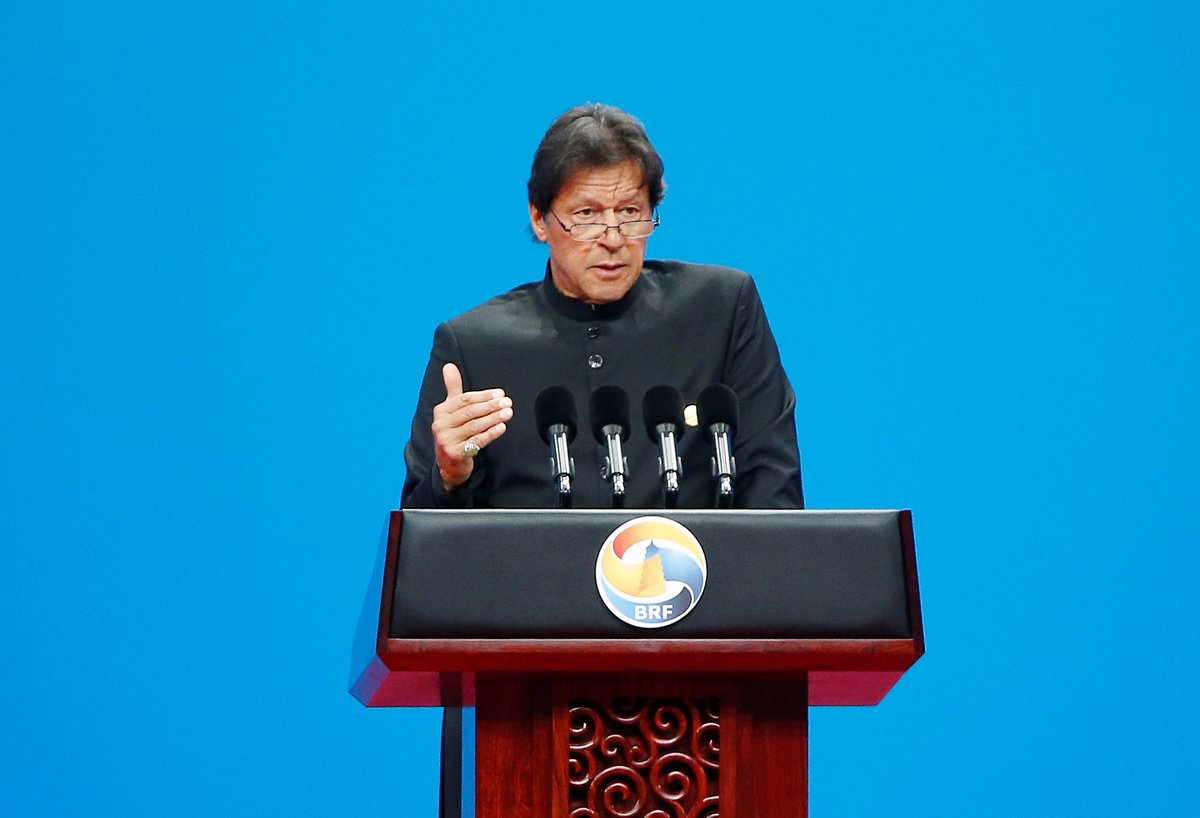
Khan told the summit that in a world of uncertainty, the initiative offered "a model of collaboration, partnership, connectivity and shared prosperity".
Cambodian Prime Minister Hun Sen took aim at critics who have described Belt and Road as a debt trap, pointing to the successful example of a Chinese-funded highway between Phnom Penh and the port city of Sihanoukville.
"Cambodia has not only been able to plan this project for the benefit of the people but also achieve financial engineering that does not increase public debt to the state," he said, in comments translated into English.
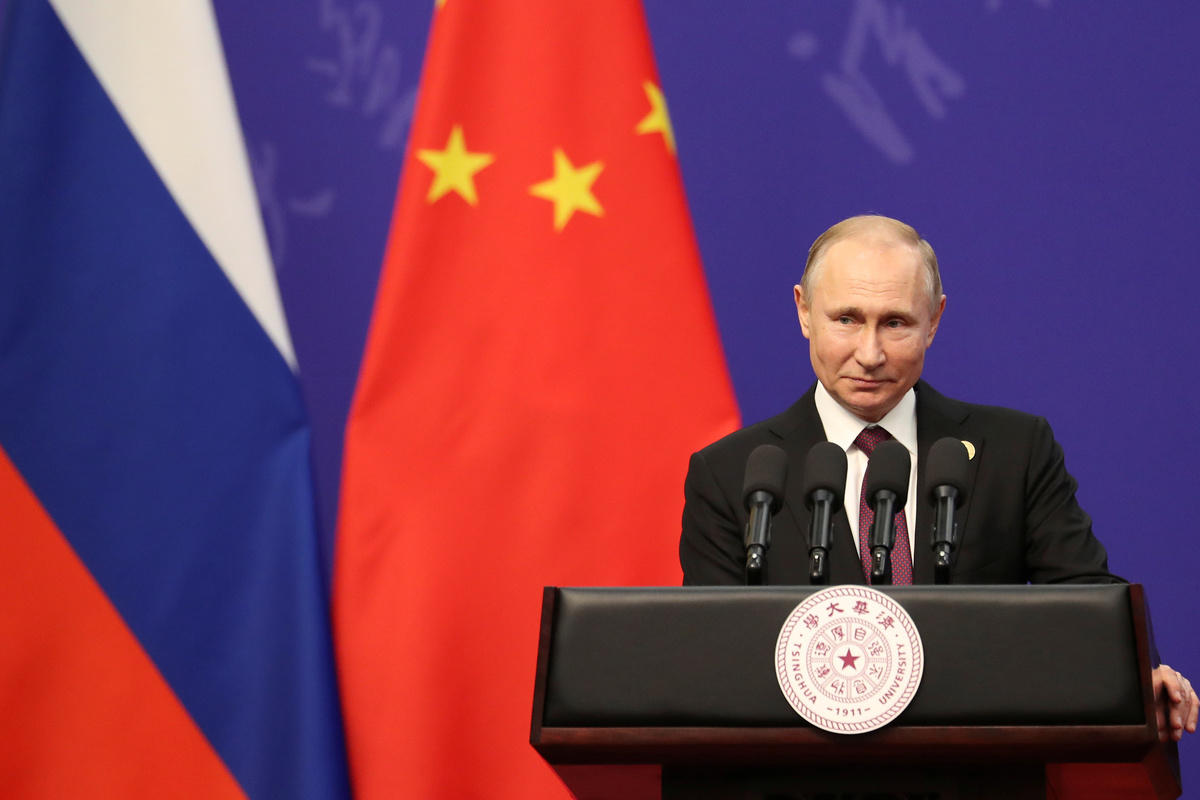
Russian President Vladimir Putin gives a speech during the Tsinghua University’s ceremony at Friendship Palace in Beijing, China April 26, 2019. Kenzaburo Fukuhara/Pool via REUTERS
European countries have signalled their willingness to participate in the BRI, but key states like France and Germany have said China must in turn improve access and fair competition for foreign firms.
Major European Union countries want to sign a memorandum of understanding on the BRI as a group and not as individual states, German Economy Minister Peter Altmaier said.
The United States, which has not joined the Belt and Road, is expected to send only lower-level officials, and nobody from Washington.
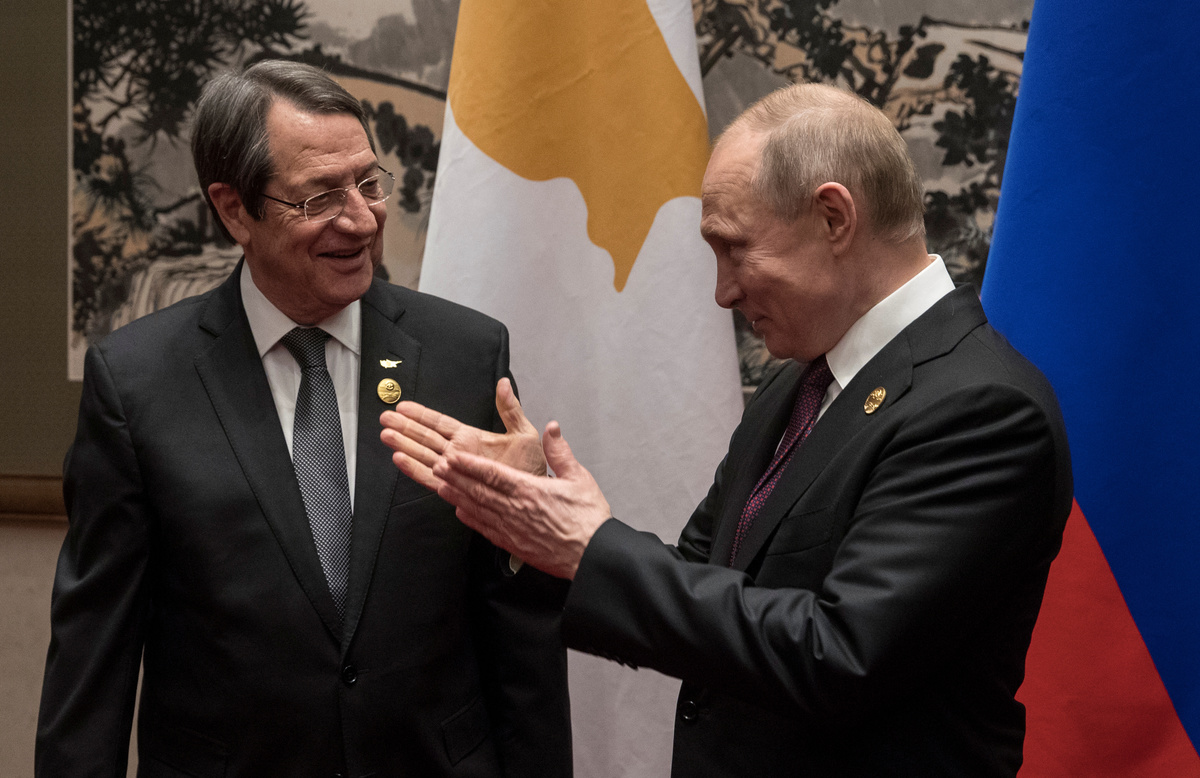
Russian President Vladimir Putin and Cyprus President Nicos Anastasiades meet at the Second Belt and Road Forum for International Cooperation (BRF) in Beijing, China April 26, 2019. Sergei Ilnitsky/Pool via REUTERS
"We continue to have serious concerns that China's infrastructure diplomacy activities ignore or weaken international standards and best practices related to development, labour protections, and environmental protection," a spokesman for the U.S. Embassy in Beijing said.
China’s state asset regulator on Friday said at least 17 central government-owned firms, including companies such as China Railway Construction Corp and Mengniu Dairy, signed deals at the Belt and Road forum which totalled over $20 billion in value, according to Reuters calculations.
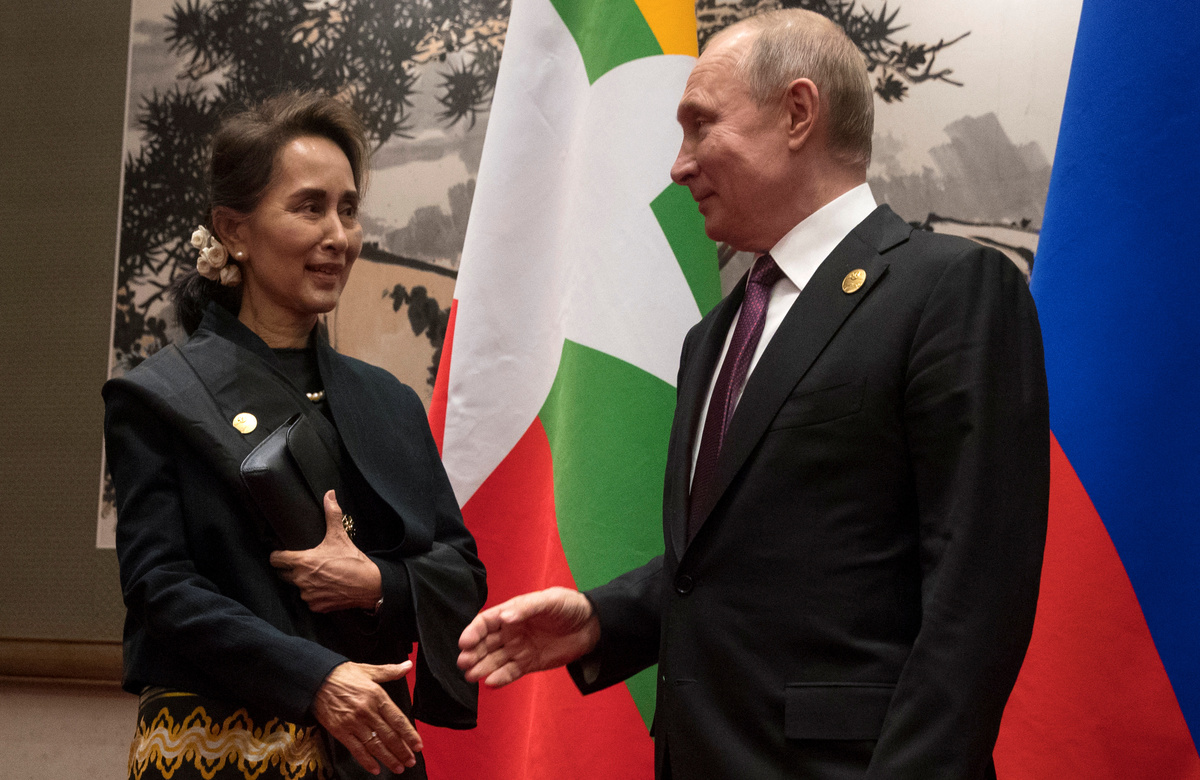
Russian President Vladimir Putin meets with the State Counsellor of Myanmar Aung San Suu Kyi during the Second Belt and Road Forum for International Cooperation (BRF) in Beijing, China April 26, 2019. Sergei Ilnitsky/Pool via REUTERS
(Reporting by Brenda Goh and Cate Cadell; additional reporting by Tony Munroe, Stella Qiu, Ryan Woo, Yilei Sun, and Tom Daly; writing by Ben Blanchard; editing by Simon Cameron-Moore, Darren Schuettler, Larry King)
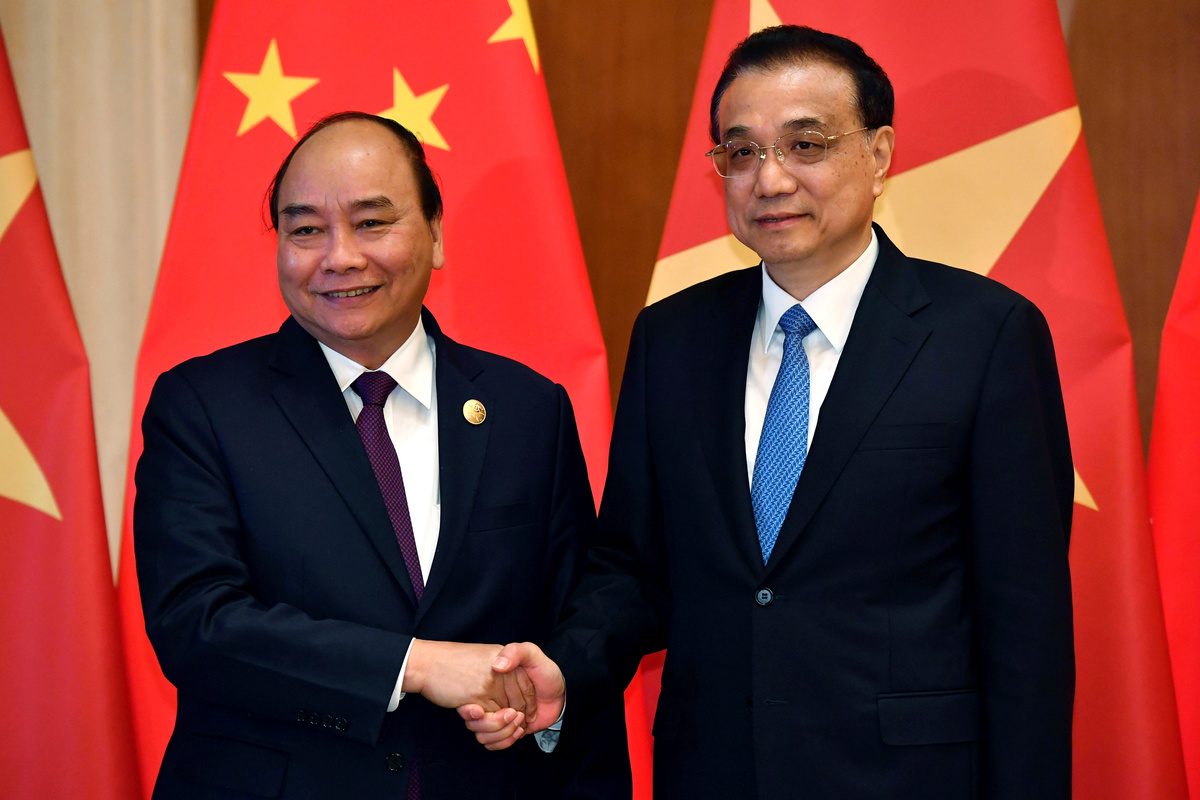
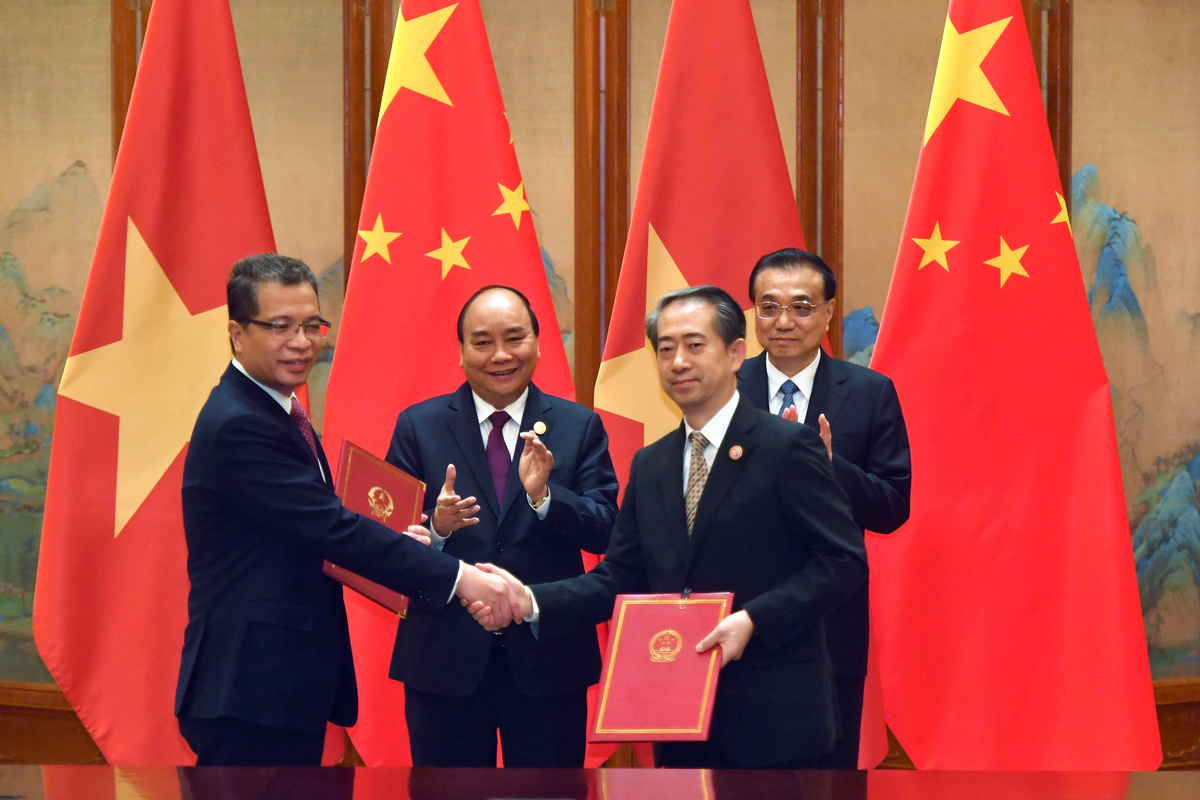
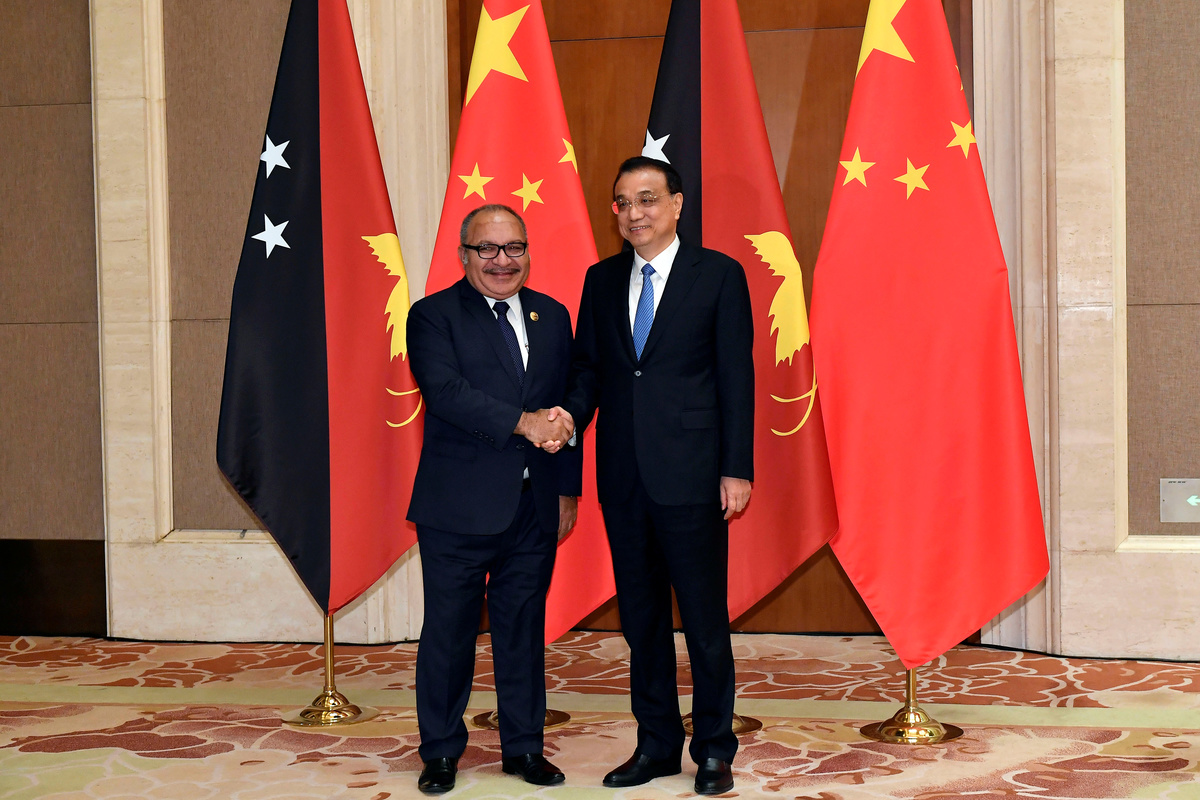
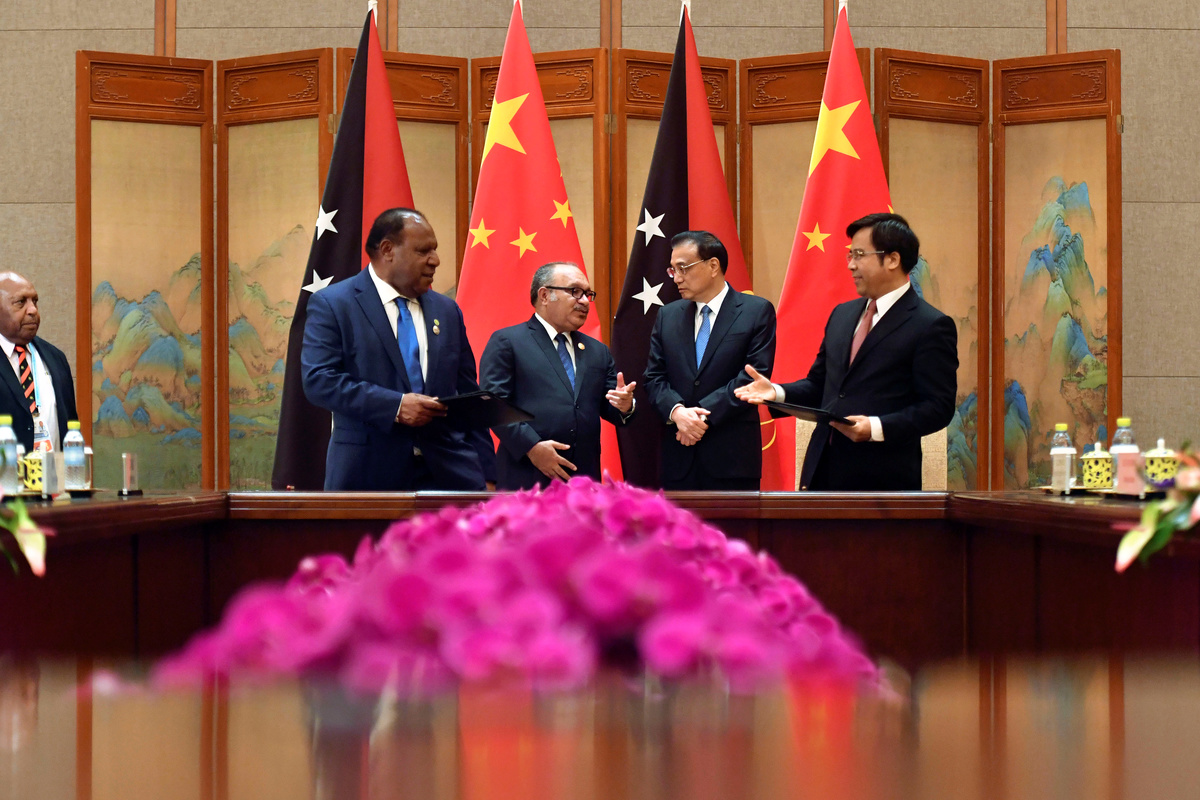
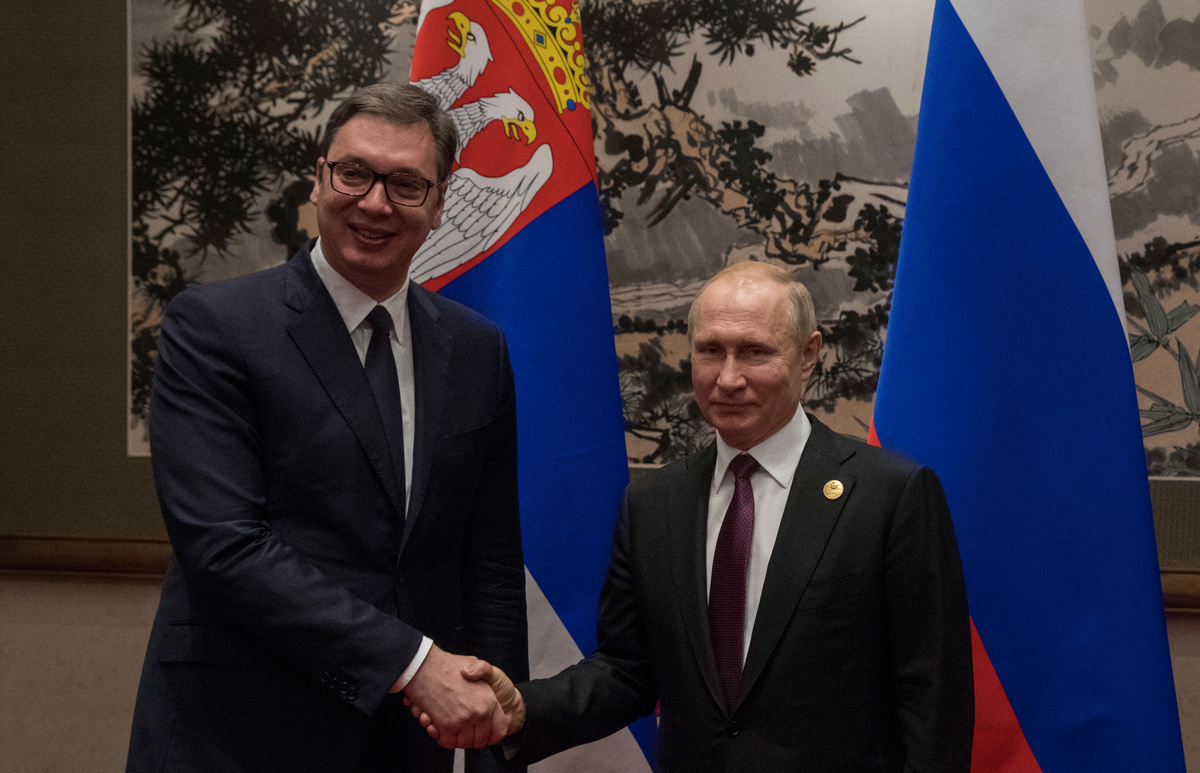
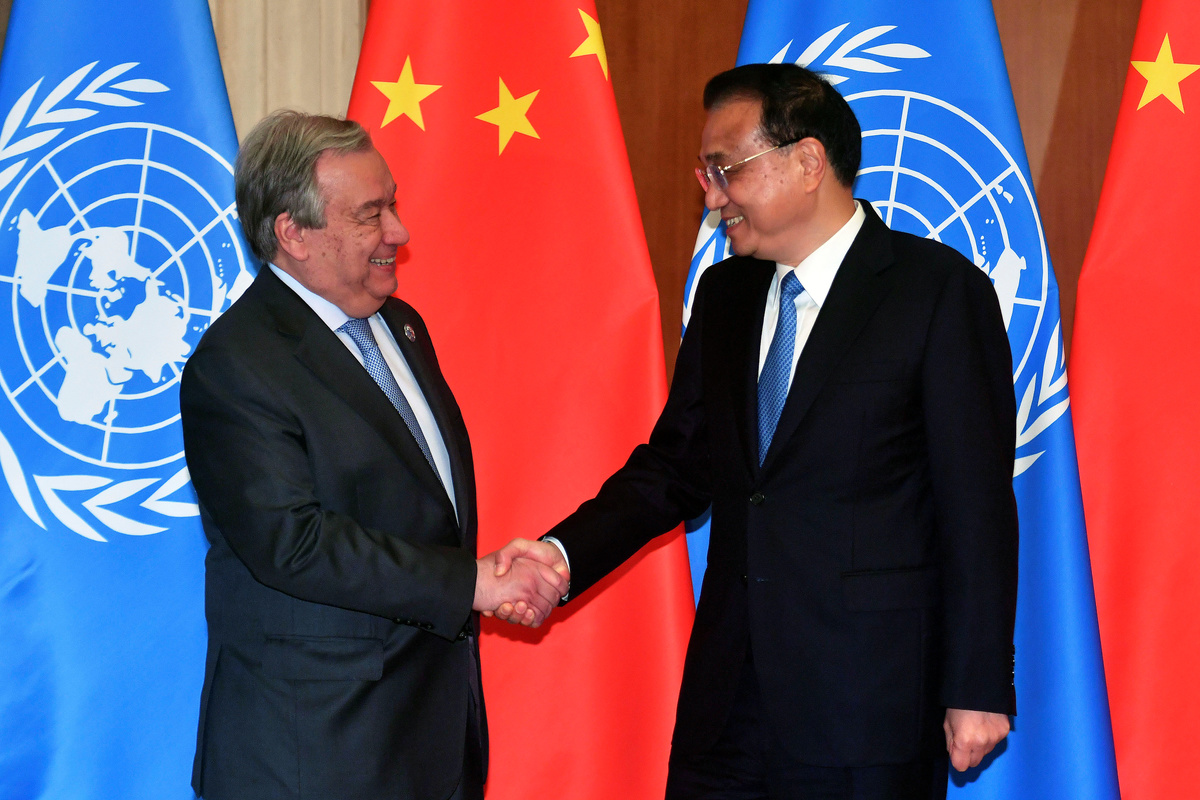
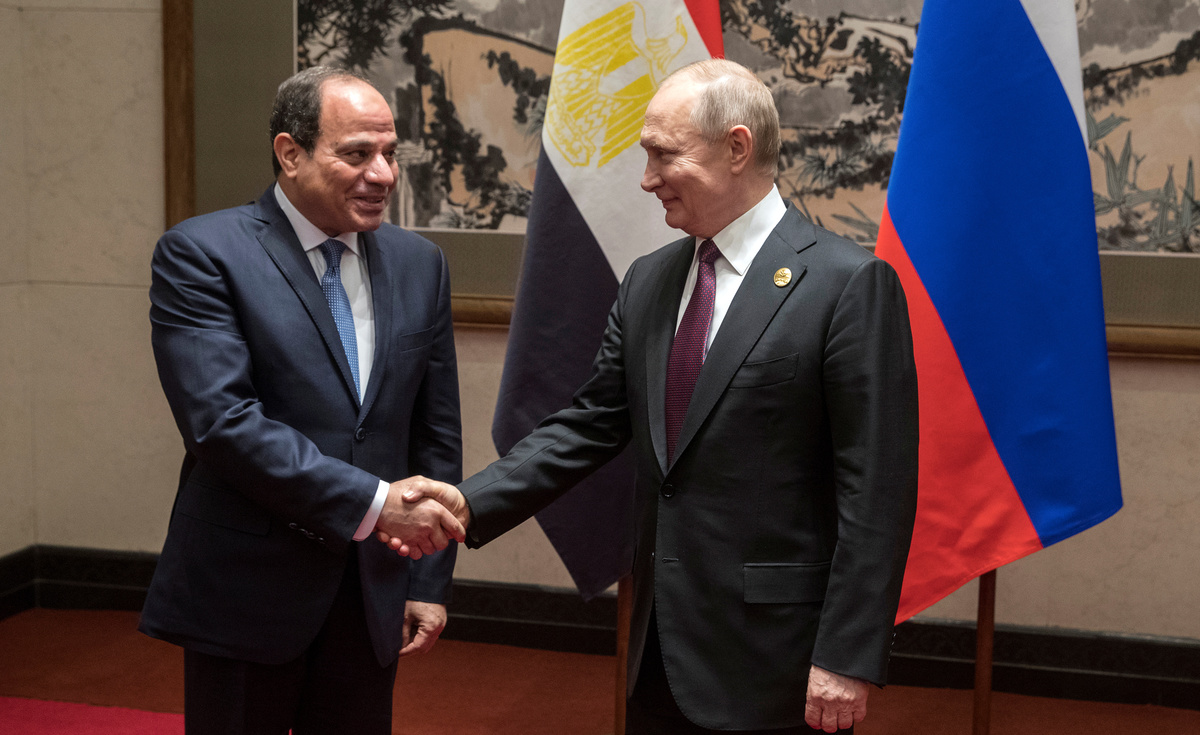
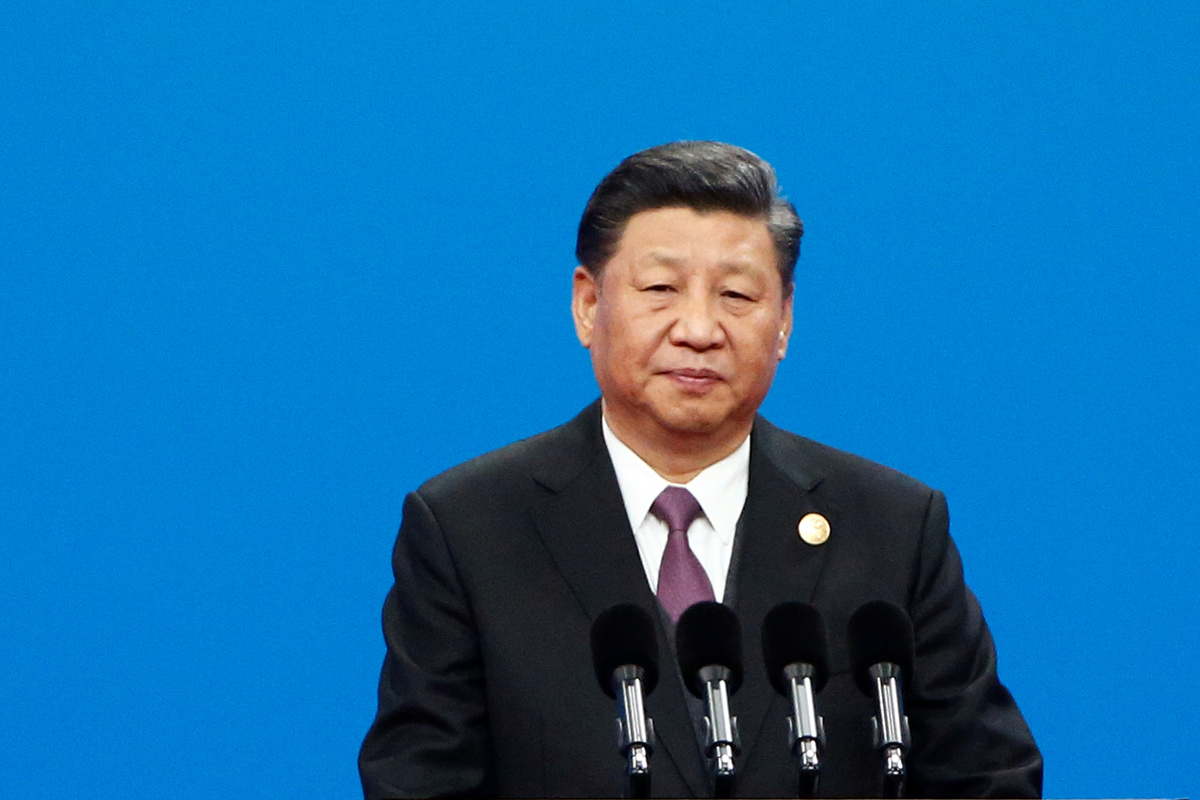
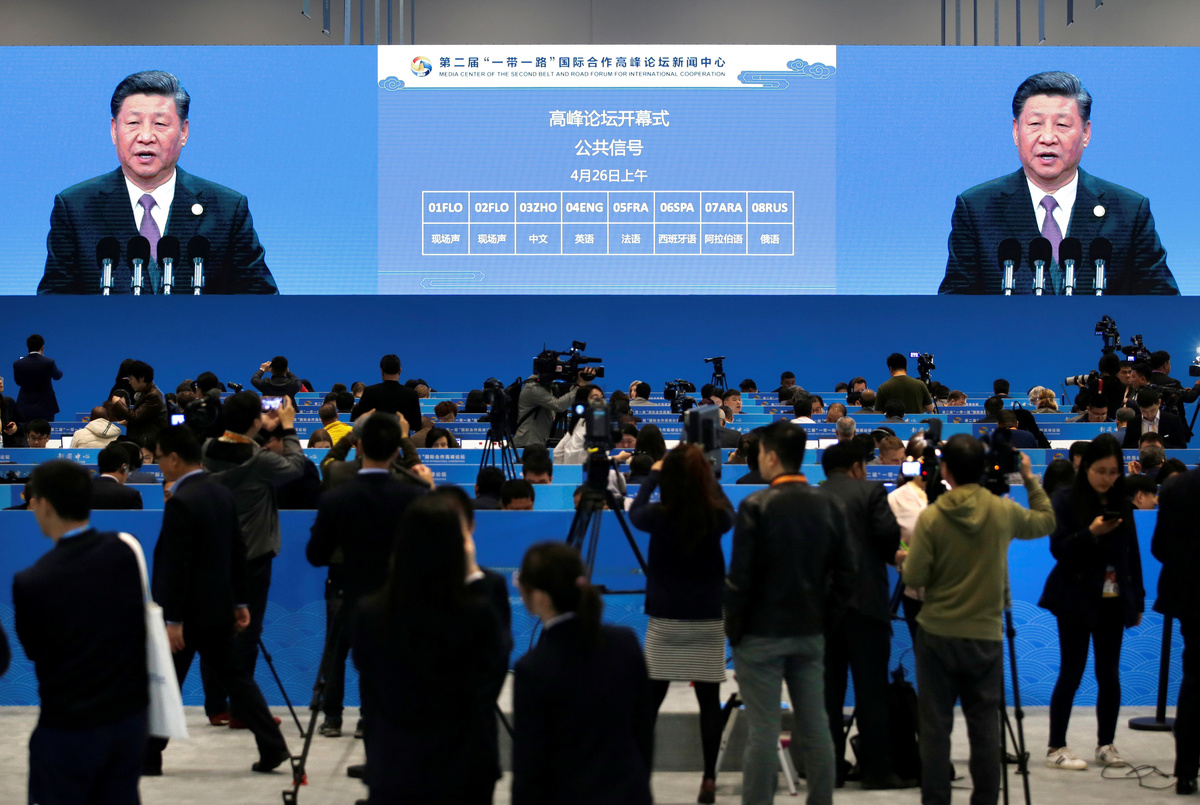
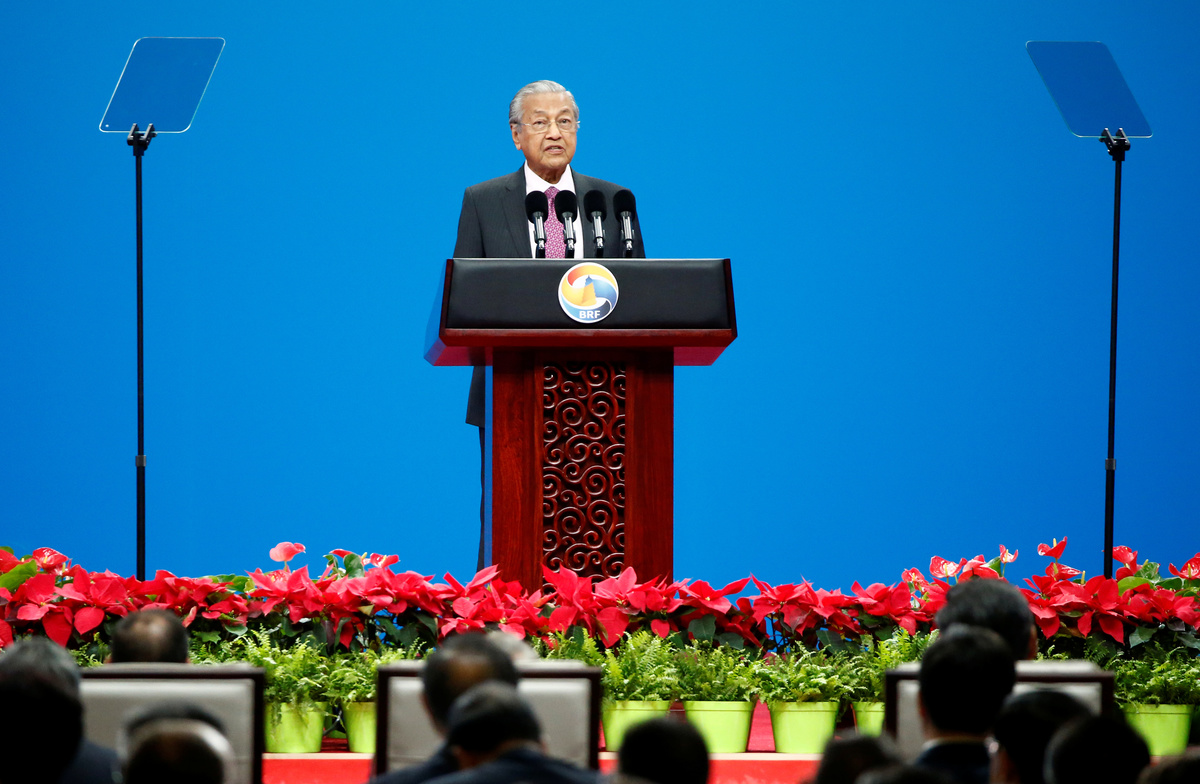
Vietnam's Prime Minister Nguyen Xuan Phuc shakes hands with Chinese Premier Li Keqiang as they pose for a picture before their meeting at the Diaoyutai State Guesthouse in Beijing, China, April 26, 2019. Parker Song/Pool via REUTERSVietnam's Prime Minister Nguyen Xuan Phuc and Chinese Premier Li Keqiang clap hands during a signing ceremony at the Diaoyutai State Guesthouse in Beijing, China, April 26, 2019. Parker Song/Pool via REUTERSPrime Minister of Papua New Guinea Peter O'Neill shakes hands with Chinese Premier Li Keqiang as they pose for a picture before their meeting at the Diaoyutai State Guesthouse in Beijing, China, April 26, 2019. Parker Song/Pool via REUTERSPrime Minister of Papua New Guinea Peter O'Neill and Chinese Premier Li Keqiang attend a signing ceremony at the Diaoyutai State Guesthouse in Beijing, China, April 26, 2019. Parker Song/Pool via REUTERSRussian President Vladimir Putin receives a diploma during the Tsinghua University’s ceremony at Friendship Palace in Beijing, China April 26, 2019. Kenzaburo Fukuhara/Pool via REUTERSChinese Premier Li Keqiang attends a meeting with Greek Prime Minister Alexis Tsipras at the Diaoyutai State Guesthouse in Beijing, China, April 26, 2019. Parker Song/Pool via REUTERSRussian President Vladimir Putin welcomes Serbian President Aleksandar Vucic during the second Belt and Road Forum in Beijing, China April 26, 2019. Sergei Ilnitsky/Pool via REUTERSSecretary General of the United Nations Antonio Guterres shakes hands with Chinese Premier Li Keqiang before their meeting at the Diaoyutai State Guesthouse in Beijing, China, April 26, 2019. Parker Song/Pool via REUTERSChinese President Xi Jinping and Greek Prime Minister Alexis Tsipras shake hands before the bilateral meeting of the Second Belt and Road Forum at the Great Hall of the People in Beijing, China, April 26, 2019. Andrea Verdelli/Pool via REUTERS Russian President Vladimir Putin shakes hands with Egyptian President Abdel Fattah el-Sisi during the Second Belt and Road Forum for International Cooperation (BRF) in Beijing, China, 26 April 2019. Sergei Ilnitsky/Pool via REUTERS Chinese President Xi Jinping speaks at the opening ceremony for the second Belt and Road Forum in Beijing, China April 26, 2019. REUTERS/Florence LoA media center's screen shows Chinese President Xi Jinping delivering a speech at the opening ceremony for the second Belt and Road Forum in Beijing, China, April 26, 2019. REUTERS/Jason LeeChinese President Xi Jinping speaks at the opening ceremony for the second Belt and Road Forum in Beijing, China April 26, 2019. REUTERS/Florence LoChinese President Xi Jinping and Russian President Vladimir Putin arrive at the opening ceremony for the second Belt and Road Forum in Beijing, China April 26, 2019. REUTERS/Florence LoMalaysian Prime Minister Mahathir Mohamad delivers a speech at the opening ceremony for the second Belt and Road Forum in Beijing, China, April 26, 2019. REUTERS/Florence LoPakistani Prime Minister Imran Khan delivers a speech at the opening ceremony for the second Belt and Road Forum in Beijing, China, April 26, 2019. REUTERS/Florence LoA media center's screen shows Chinese President Xi Jinping delivering a speech at the opening ceremony for the second Belt and Road Forum in Beijing, China, April 26, 2019. REUTERS/Jason Lee
Sign up to read this article
Read news from 100’s of titles, curated specifically for you.