Solar power is now cheaper than grid electricity in cities across China which could drive a surge in uptake, according to new research.
Some experts thought China would have to wait decades until solar generation cost the same as electricity from the grid. However, thanks to a combination of technological advances and support from the government, “grid parity” has already been reached.
Scientists found that all of the 344 cities they looked at could have cheaper electricity powered by solar energy, according to the study published in the journal Nature Energy. Twenty-two per cent of cities could also have solar systems that would generate lower cost electricity than coal, according to the researchers, led by Jinyue Yan from the Royal Institute of Technology in Stockholm.
As the price of clean energy technology plummets and China’s electricity demands rapidly rise, investing in renewables is becoming more appealing.
Kingsmill Bond, an energy strategist at Carbon Tracker who was not involved in the research, told Carbon Brief: “The conclusion that industrial and commercial solar is cheaper than grid electricity means that the workshop of the world can embrace solar. Without subsidy and its distorting impacts, and driven by commercial gain.”
In just 25 years China has gone from having no solar panels to at least 100 per cent more than any other country.
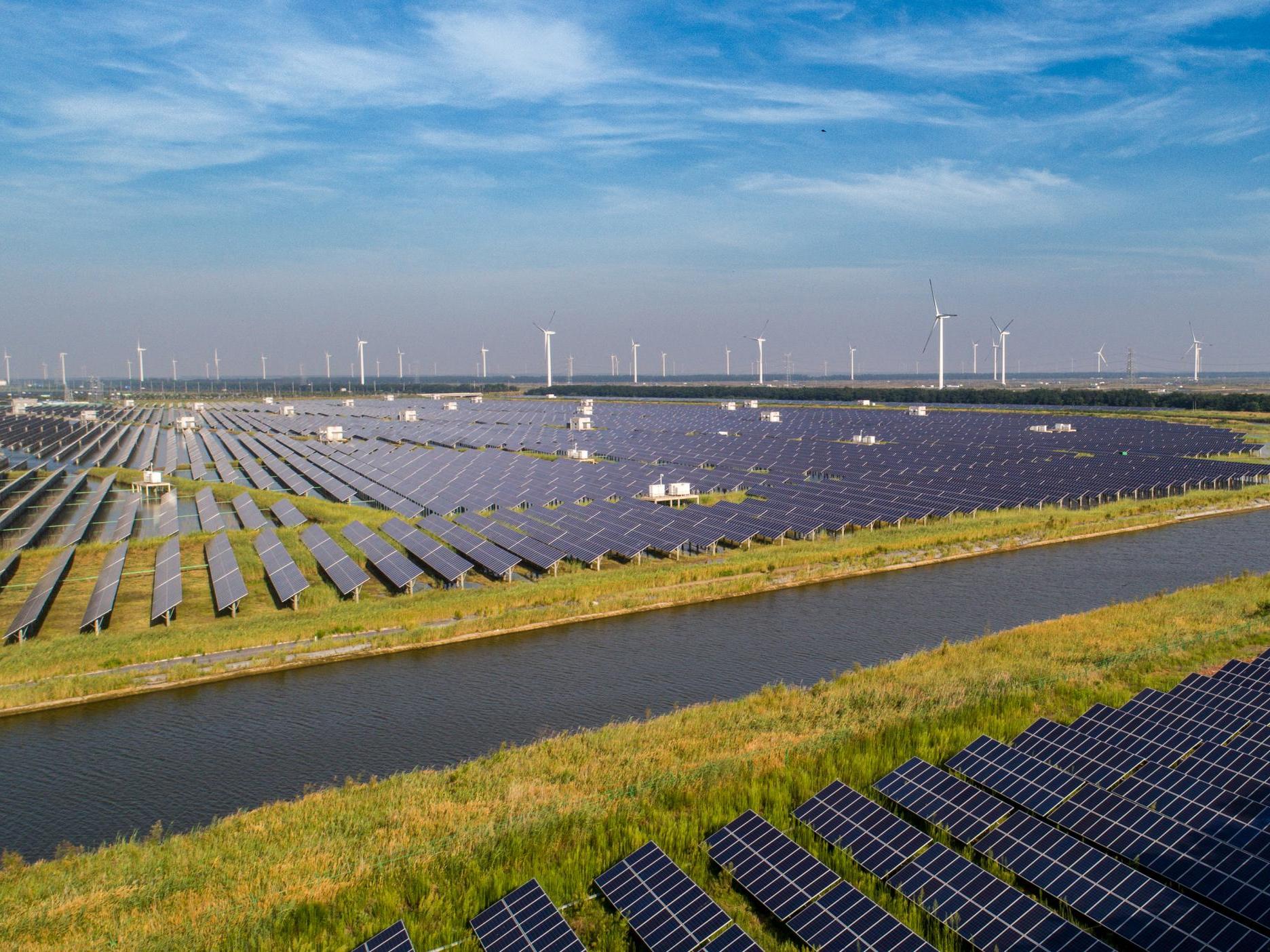
It is already home to several vast solar farms including the Tengger Desert plant, which is the world’s largest. In 2017, China was by far the world’s largest investor in renewable energy, accounting for nearly half of the new infrastructure commissioned.
However, coal is still dominant and has around 60 per cent share of the market compared to five per cent for solar.
Investment in solar power requires long-term thinking as installation costs are expensive and policymakers often don’t feel it is in their benefit in the short term. Also, because the price of solar is continuing to fall, many companies will look to wait until prices fall further.
In the paper, researchers suggest policy changes that would encourage more people to use solar energy.
According to a UN report, global investment in renewable energy shot up in 2017, far outstripping investment in fossil fuels.
In just over a decade, concerted investment has increased the proportion of world electricity generated by wind, solar and other renewable sources from around 5 per cent to 12 per cent.
Despite the apparent progress, the International Energy Agency has warned much more investment in renewables across the world is required to prevent more than 1.5C of average global warming as set out under the terms of the Paris climate agreement.