China's retrieved lunar samples weigh less than targeted
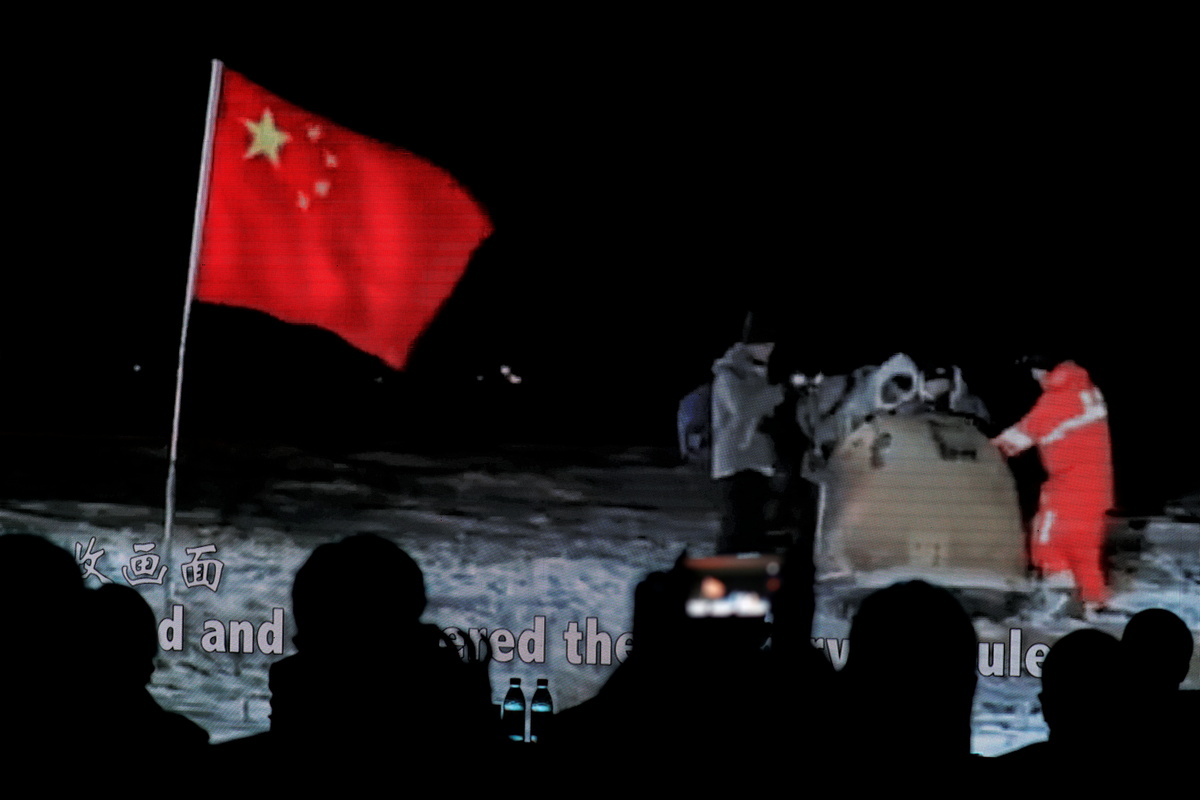
A screen shows a footage of reentry module carrying lunar samples landing on the earth during Chang'e-5 Mission, at an event on China’s lunar exploration program, at the National Astronomical Observatories of Chinese Academy of Sciences (CAS), in Beijing, China January 18, 2021. REUTERS/Tingshu Wang
Lunar rocks retrieved by a historic Chinese mission to the moon weighed less than initially targeted, but China is still willing to study the samples with foreign scientists, the mission's spokesman said on Monday.
China became the third country ever to secure lunar samples when its unmanned Chang'e-5 probe, named after the mythical moon goddess, brought back 1.731 kg (3.8 lb) of samples last month, falling short of the 2 kg (4.4 lb) planned.
The probe had estimated the lunar rocks to have a density of 1.6 grams per cubic millimetre, based on data from past missions by other countries, said Pei Zhaoyu, the mission spokesman.
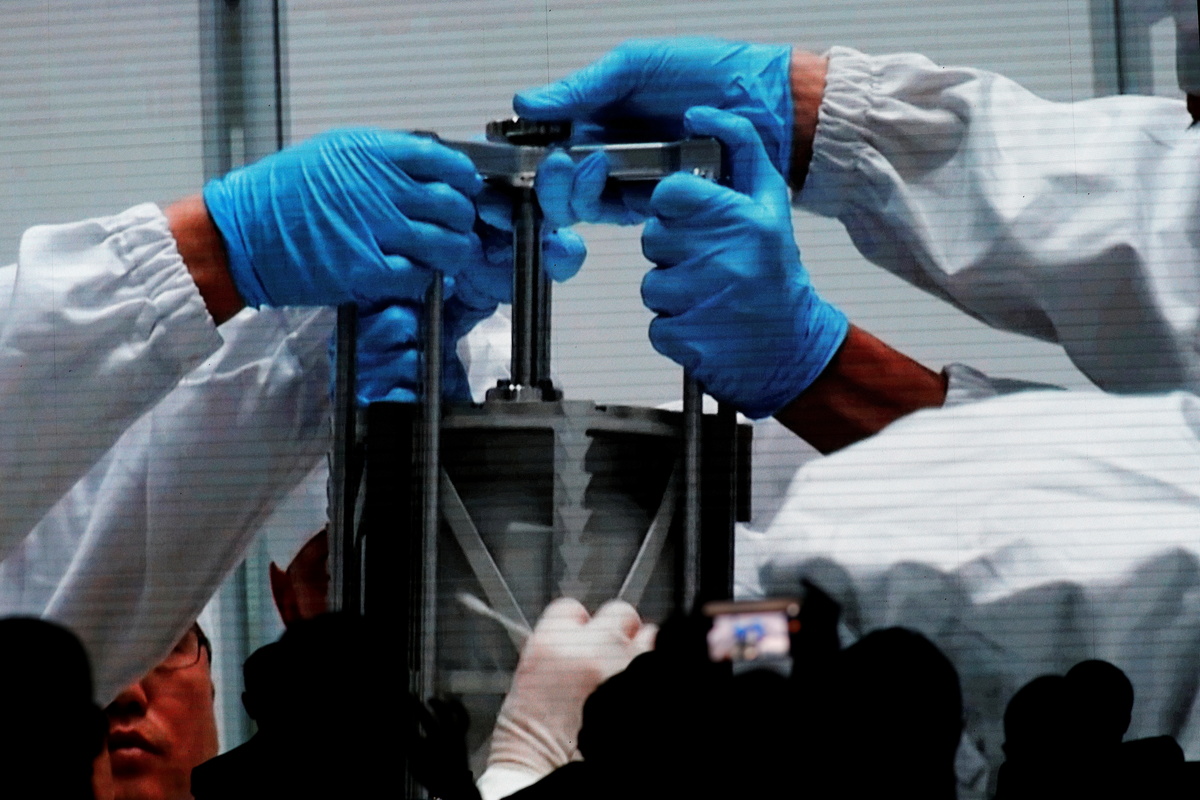
A screen shows footages of researchers holding an equipment carrying lunar sample from Chang'e-5 Mission, during an event on China’s lunar exploration program, at the National Astronomical Observatories of Chinese Academy of Sciences (CAS), in Beijing, China, January 18, 2021. REUTERS/Tingshu Wang
Going by that figure, the probe stopped taking samples after just 12 hours, apparently assessing that the target had been reached.
"However, from tests, the actual density might not be that high," Pei told reporters. "We originally planned to use 22 hours to complete the work of surface sampling, but, in fact, we stopped after 12 hours."
But China is still open to cooperating with all nations in studying the samples, he said, including the United States.
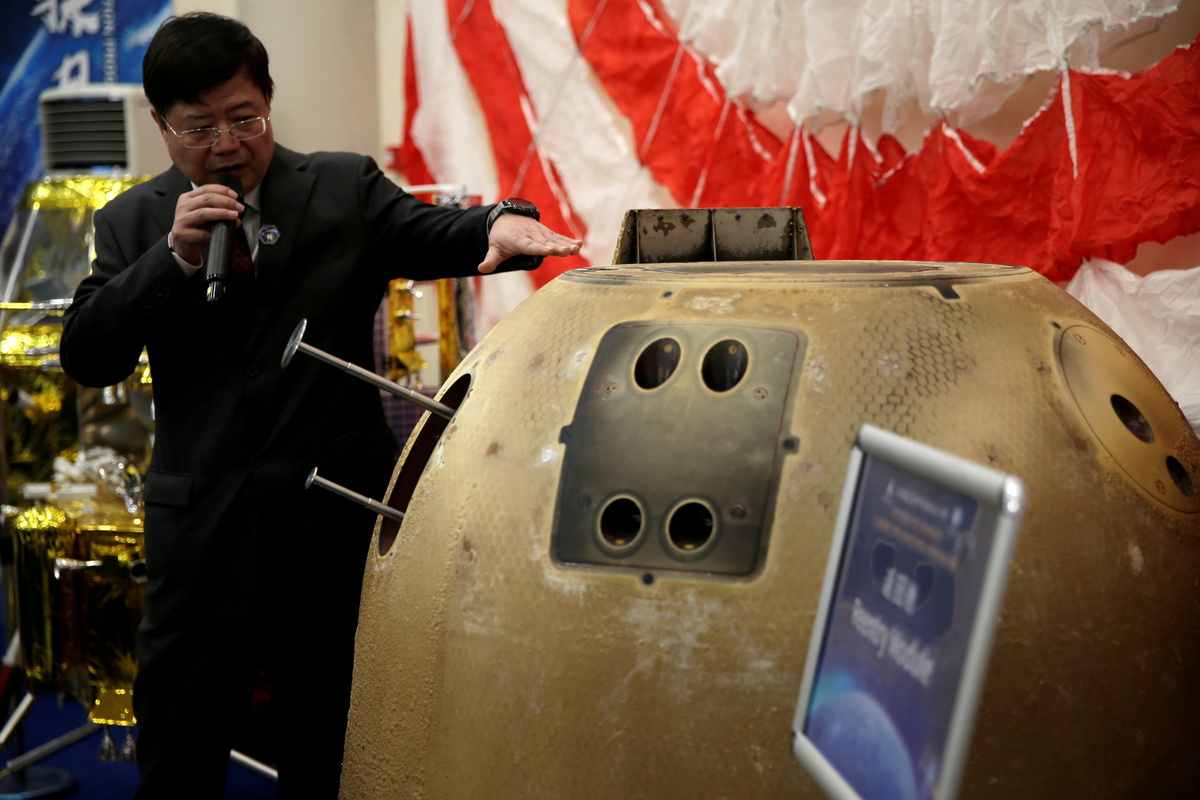
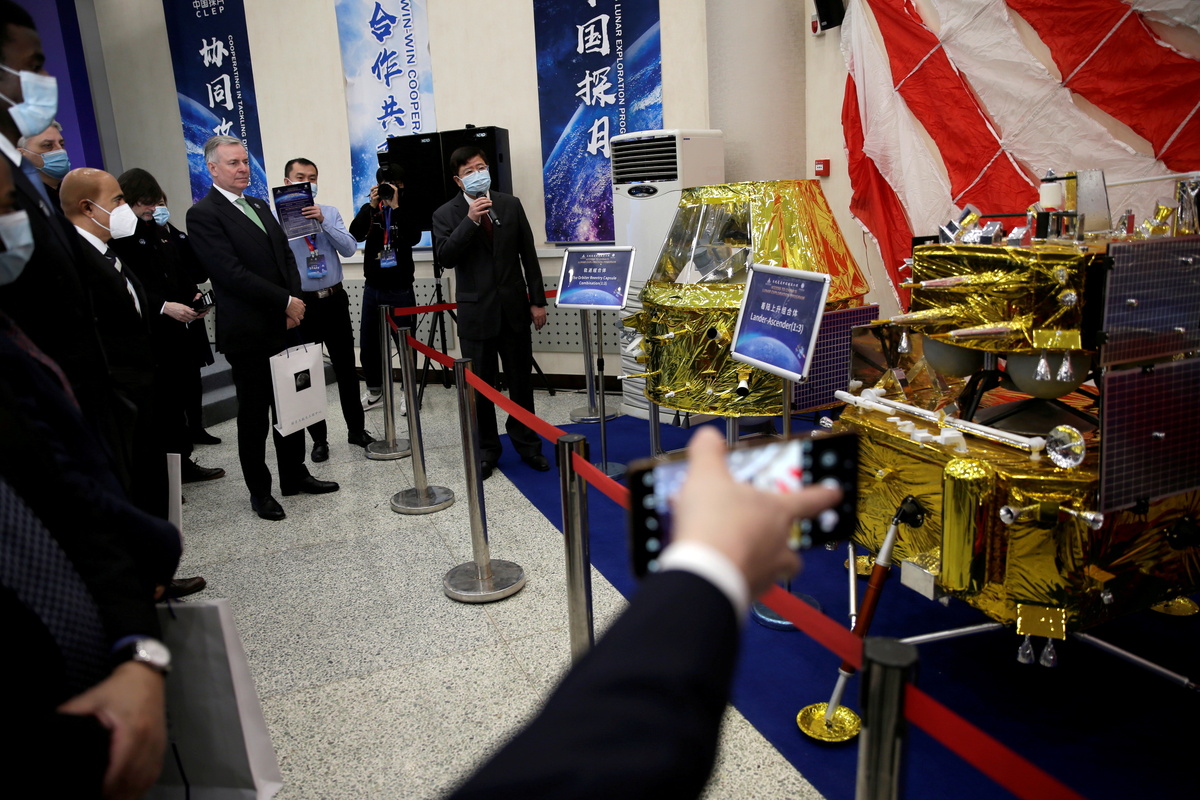
Pei Zhaoyu, spokesperson for Chang’e-5 Mission and deputy director of Lunar Exploration and Space Engineering Center of the China National Space Administration (CNSA), introduces the reentry module which has carried moon sample back to earth, at the National Astronomical Observatories of Chinese Academy of Sciences (CAS), in Beijing, China, January 18, 2021. REUTERS/Tingshu Wang
For years, U.S. laws have limited its space agency NASA from directly cooperating with China.
"We didn't set restrictions between countries," Pei said. "Whether or not two countries could carry out related cooperation is a matter for two sides."
China has not yet received any access request for samples, he said, adding that the rocks were still in a pre-treatment stage.
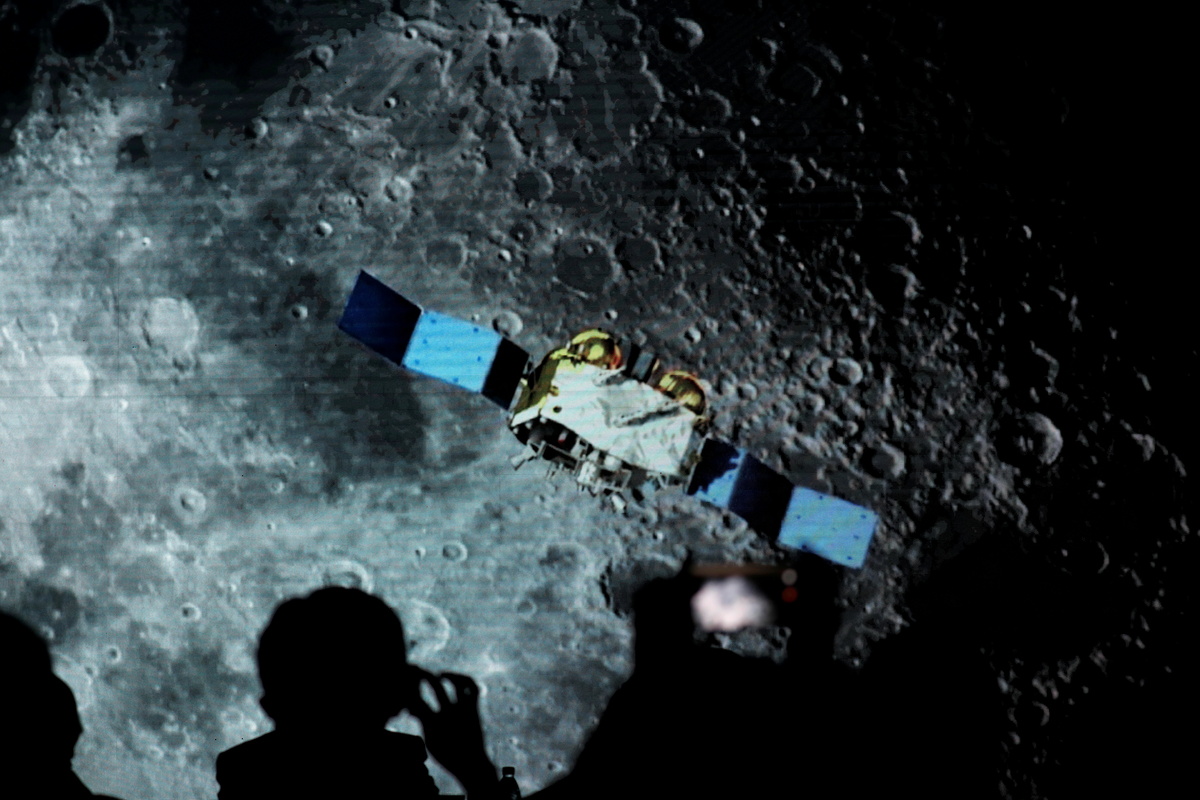
A screen shows footages of spacecraft for Chang'e-5 Mission, during an event on China’s lunar exploration program, at the National Astronomical Observatories of Chinese Academy of Sciences (CAS), in Beijing, China, January 18, 2021. REUTERS/Tingshu Wang
(Reporting by Martin Quin Pollard; Writing by Ryan Woo; Editing by Clarence Fernandez)
Pei Zhaoyu, spokesperson for Chang’e-5 Mission and deputy director of Lunar Exploration and Space Engineering Center of the China National Space Administration (CNSA), introduces models of lunar exploration spacecraft to guests, at the National Astronomical Observatories of Chinese Academy of Sciences (CAS), in Beijing, China, January 18, 2021. REUTERS/Tingshu Wang
Sign up to read this article
Read news from 100’s of titles, curated specifically for you.