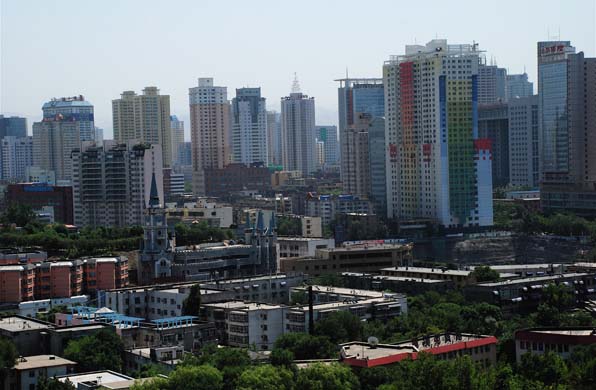
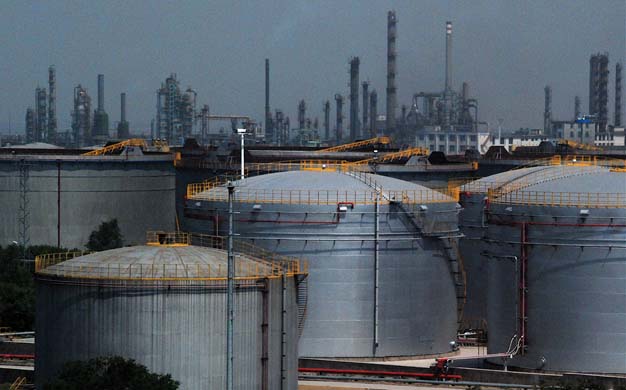
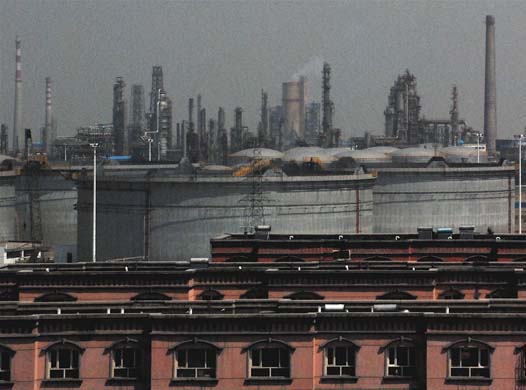
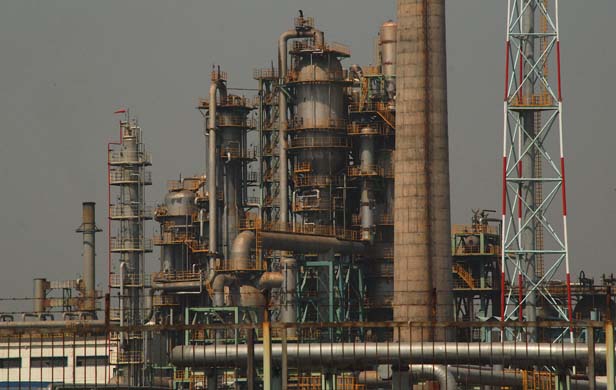
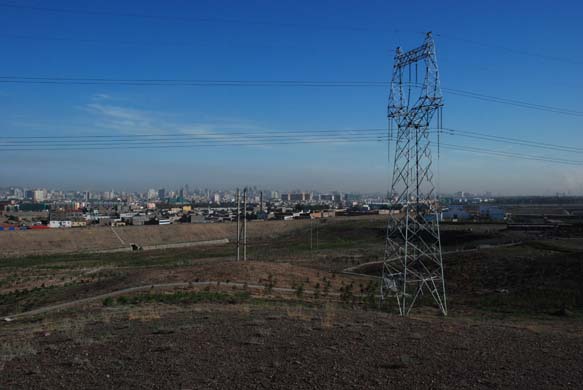
Skyscrapers in Urumqi, the provincial capital of China's far western region of Xinjiang. More than 2 million people live in the city, which depends on glacier run-off for much of its water supplyPhotograph: Jonathan Watts/FreelancerVast storage tanks at China National Petroleum Corporation's plant in Urumqi. Xinjiang has China's biggest untapped oil and gas deposits. A pipeline stretching thousands of miles across the country pumps the supplies from the deserts of the west to the factories on the eastern seaboardPhotograph: Jonathan Watts/FreelancerDormitories, storage tanks and refinery towers at the China National Petroleum Corporation plant in Urumqi. China is stepping up its exploration of oil and gas fields in western China to power its fast growing economyPhotograph: Jonathan Watts/Freelancer
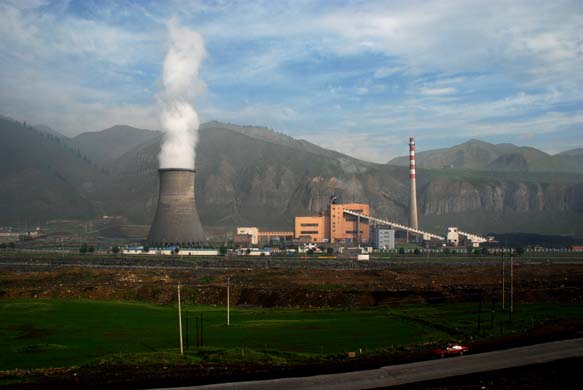
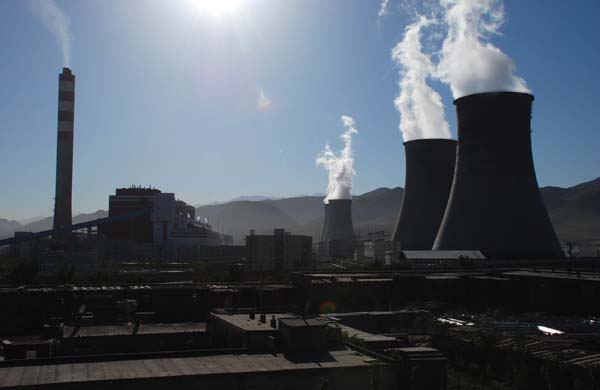
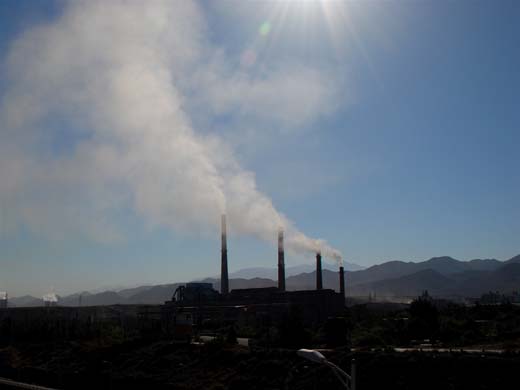
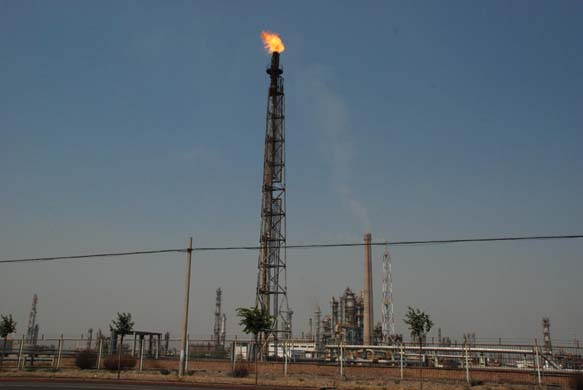
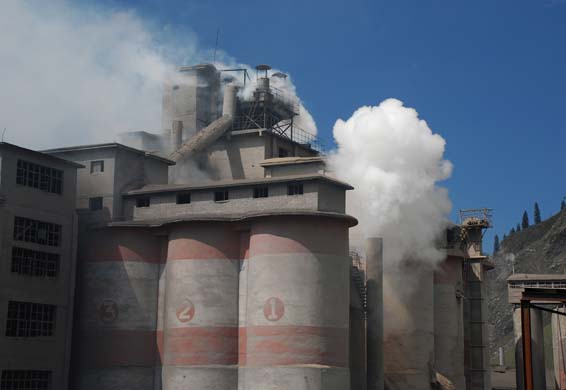
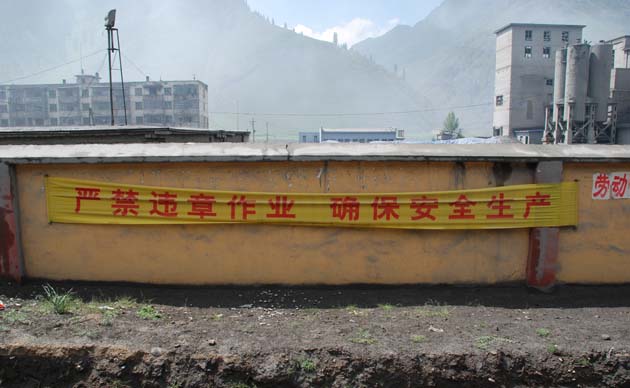
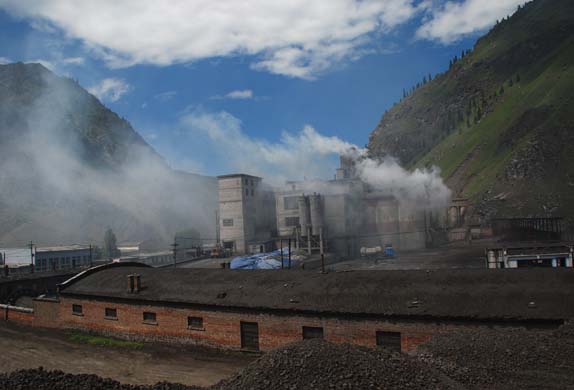
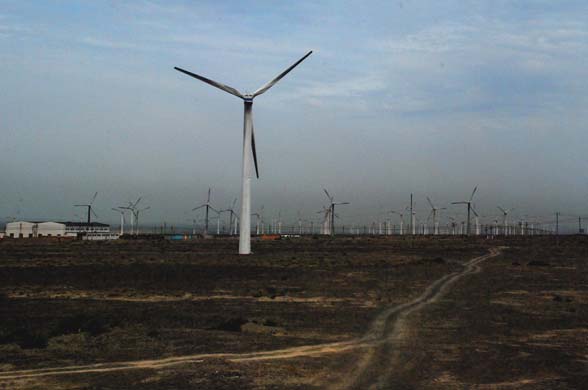
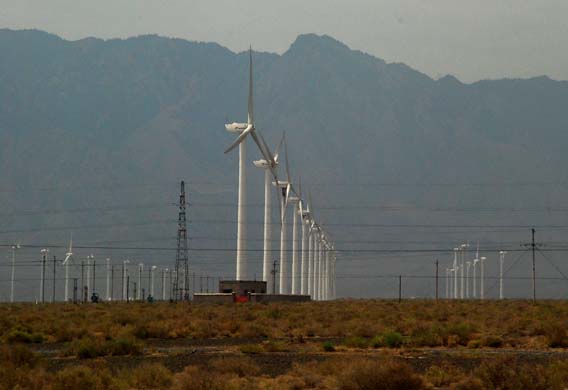
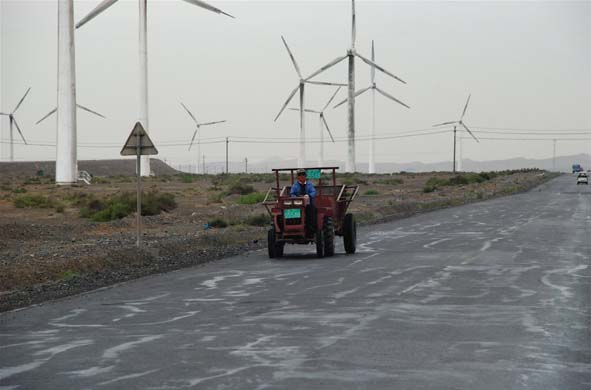
A coal-fuelled power plant in a valley on the road up to the Urumqi glacier. There are few places in the world where the causes and effects of global warming are so closely juxtaposedPhotograph: Jonathan Watts/FreelancerThe coal-fired Urumqi Number Two power plant supplies electricity and heating to the city of 2 millionPhotograph: Jonathan Watts/FreelancerEmissions slope from the chimneys of a coal-fired power plants in Urumqi. China depends on coal for 70% of its electricity generation. In the winter, Urumqi is one of the most polluted cities in ChinaPhotograph: Jonathan Watts/FreelancerA flame burns at the top of Urumqi's biggest petrochemical plantPhotograph: Jonathan Watts/FreelancerThe cement factory blows CO2 and sulphur into the air. Engineers say the old plant will be closed down within three years as part of a nationwide strategy to clean up pollutionPhotograph: Jonathan Watts/FreelancerThe banner outside the cement factory reads 'Prohibit unregulated construction, Guarantee safe production'Photograph: Jonathan Watts/FreelancerSmoke from a concrete factory billows across a valley on the road up to the glacier. Many polluting industries were moved into remote locations in the 1960s under Mao Zedong's 'Third Front' policyPhotograph: Jonathan Watts/FreelancerThe China National Petroleum Corporation refinery in Urumqi is the biggest in the Xinjiang region of western China. The oil and gas are pumped from fields in the deserts south of the cityPhotograph: Jonathan Watts/FreelancerPylons outside of Urumqi. China's national grid is still poorly developed which is hindering the expansion of wind power supplies from distant XinjiangPhotograph: Jonathan Watts/FreelancerFields of wind turbines outside Urumqi. China is trying to rebalance its energy mix by using more renewables. China's wind energy capacity has doubled in size in each of the past three years and is forecast to be the biggest in the world by the end of 2009Photograph: Jonathan Watts/FreelancerThe wind farm at Dabancheng, about an hour's drive outside of Urumiqi is one of the biggest in AsiaPhotograph: Jonathan Watts/FreelancerA farmer's tractor chugs past wind turbines in Dabancheng. The gales through this valley get so fierce that trains and lorries have been overturned. Police occasionally shut the road to avoid similar accidentsPhotograph: Jonathan Watts/Freelancer
Sign up to read this article
Read news from 100’s of titles, curated specifically for you.