China's plan to build hydro dams over Salween river – in pictures
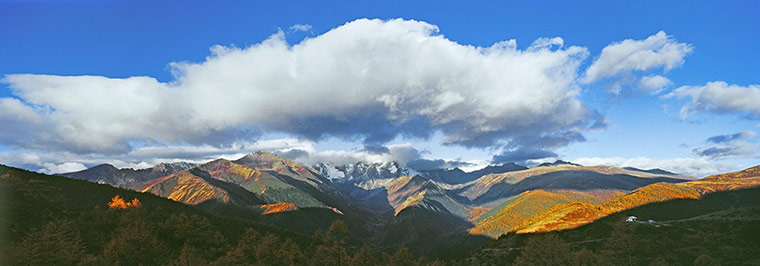
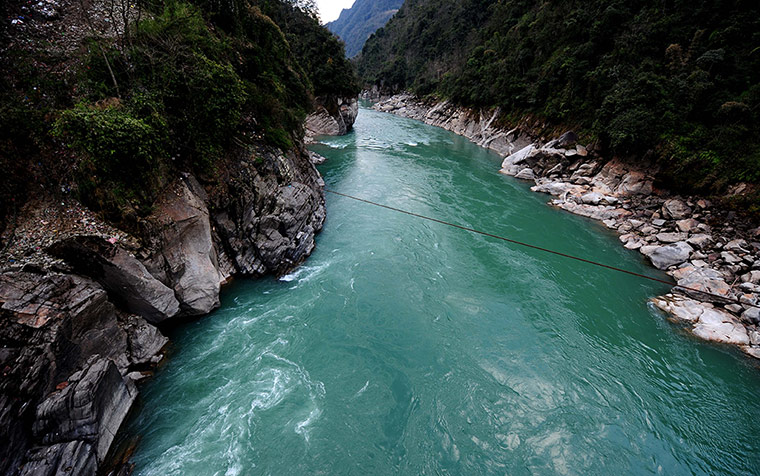
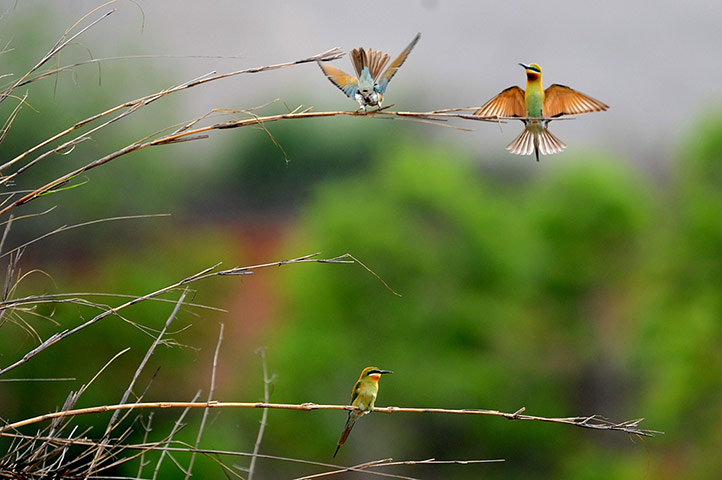
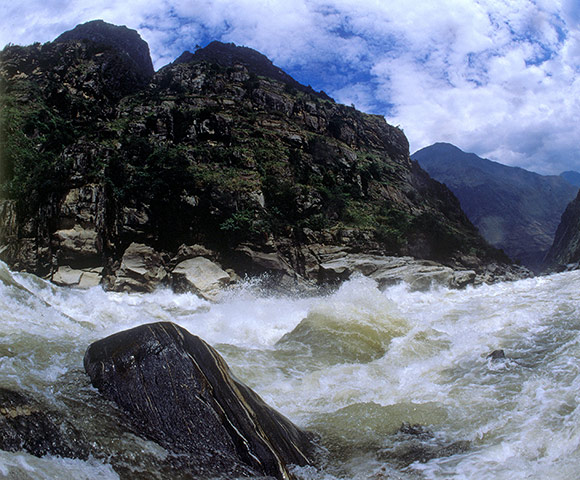
Deqin, Yunnan province: the Baima snow mountain is part of the Three Parallel Rivers world heritage site chosen for its outstanding biodiversity and refers to a section of the Hengduan mountain range where three great rivers, the Yangtze (Jinsha), the Mekong (Lancang) and the Salween (Nu) run roughly parallel to each otherPhotograph: Liu Jian Ming/CorbisSalween (Nu) river in spring in Lisu autonomous prefecture of Nujiang, YunnanPhotograph: Qin Qing/CorbisThe blue-tailed bee-eater (Merops philippinus) at home in the Gaoligong mountain national reserve, situated in a deep valley on the west bank of Salween. The reserve is spread over 120,000 hectares with forest coverage of 85%. It's 5.5 mile (9km) wide and 84 mile (135km) long, and characterised by its natural landscape and a great variety of plants and animals Photograph: Qin Qing/Corbis
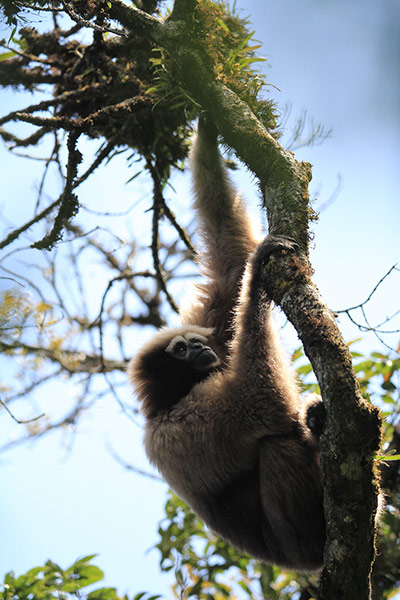
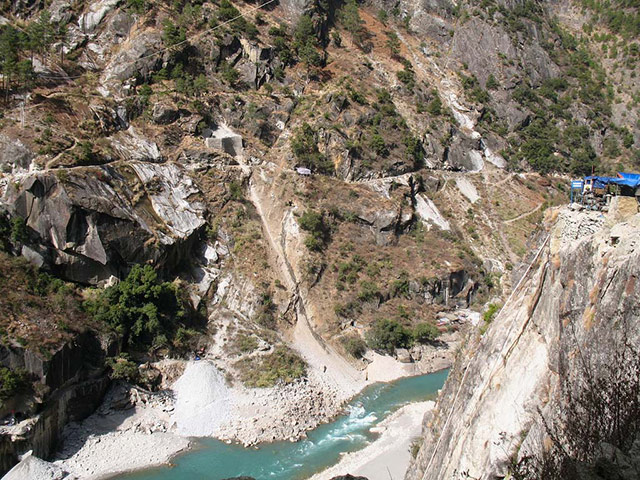
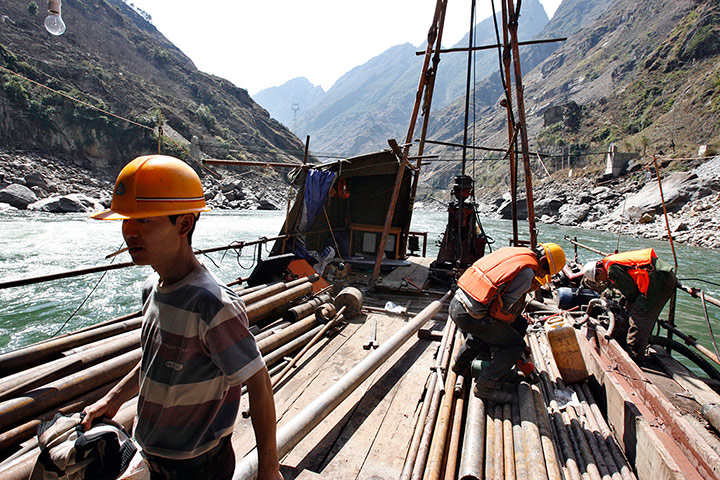
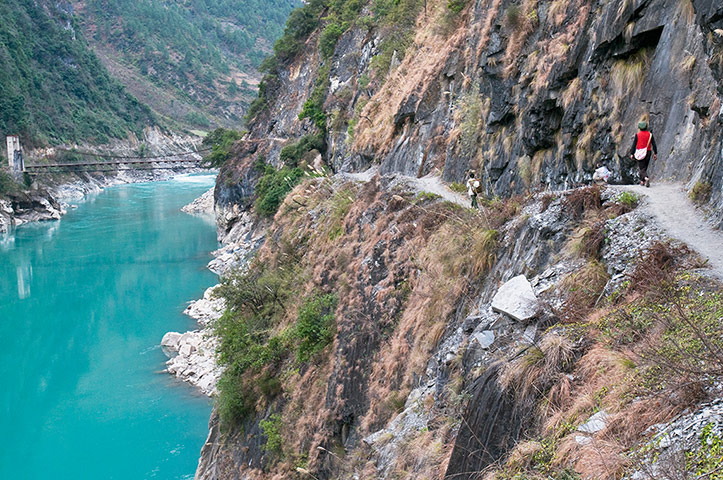
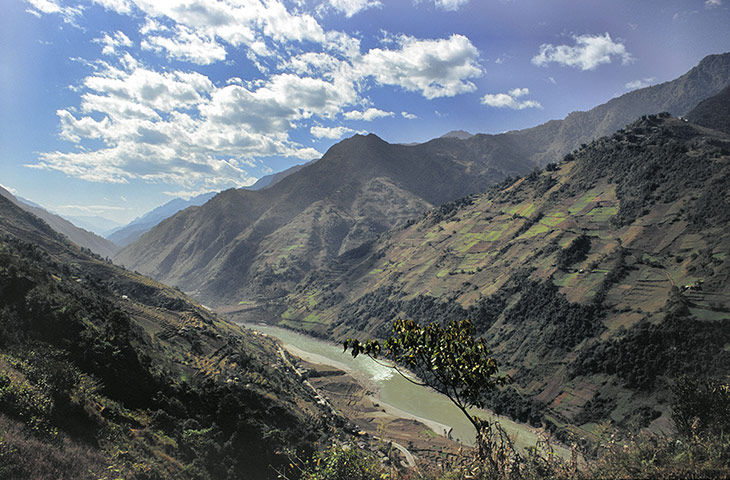
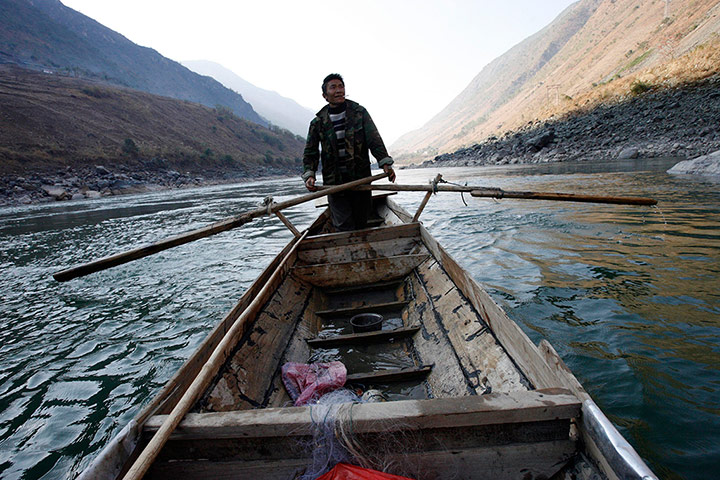
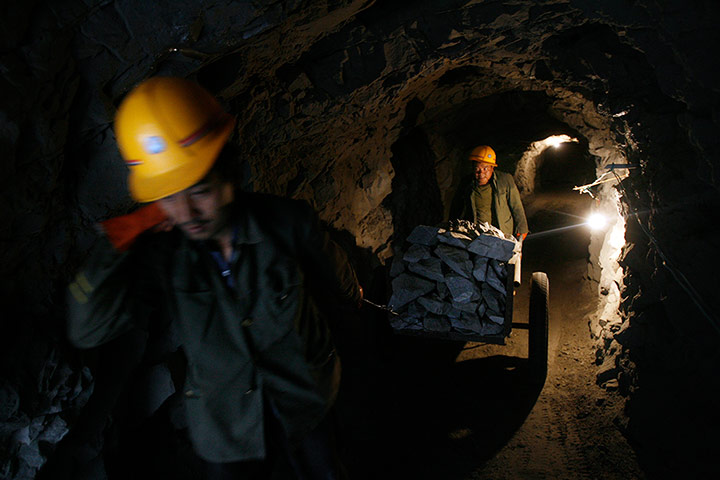
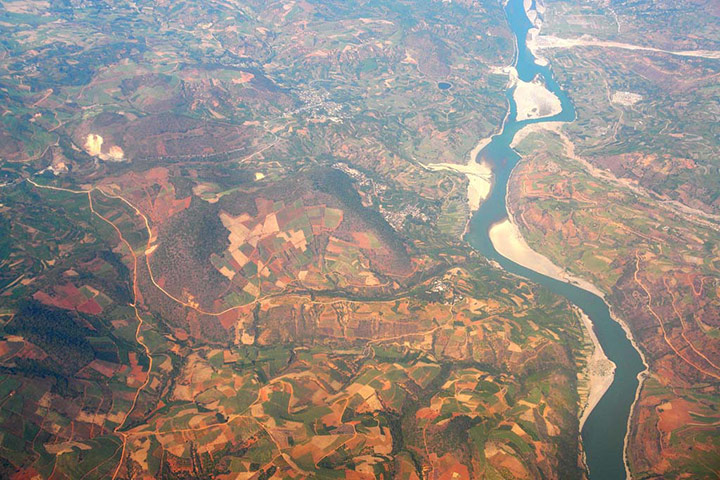
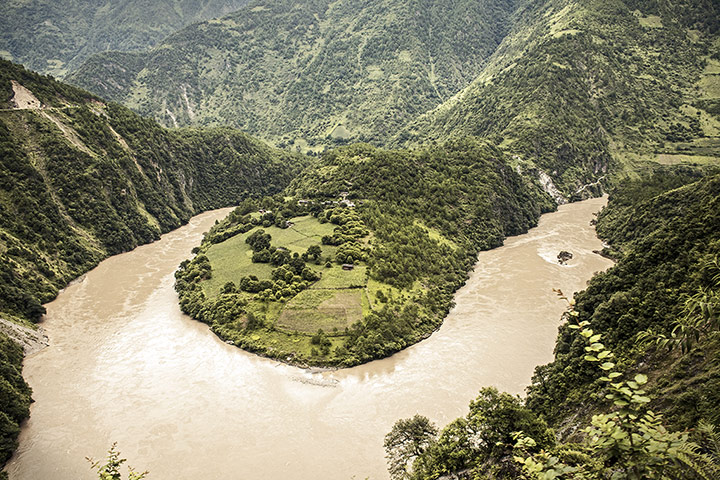
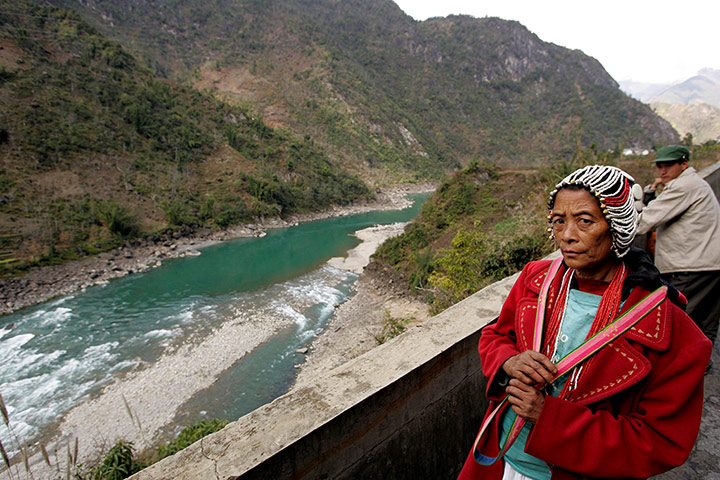
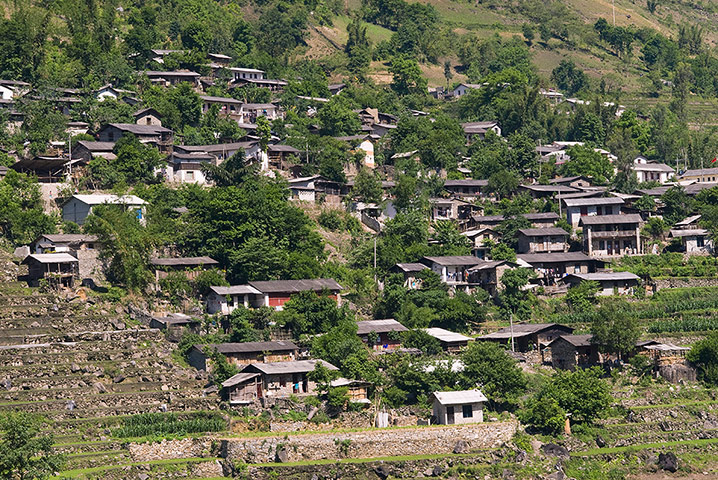
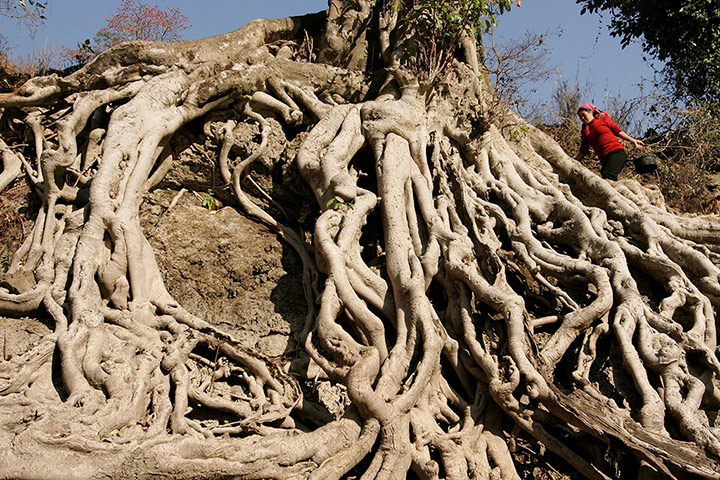
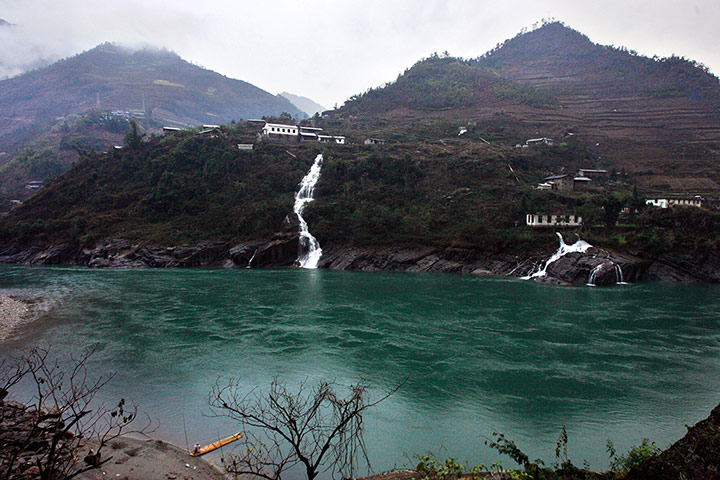
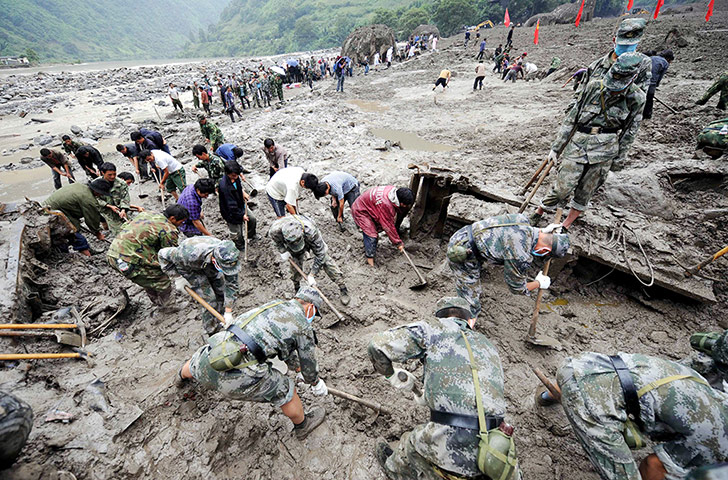
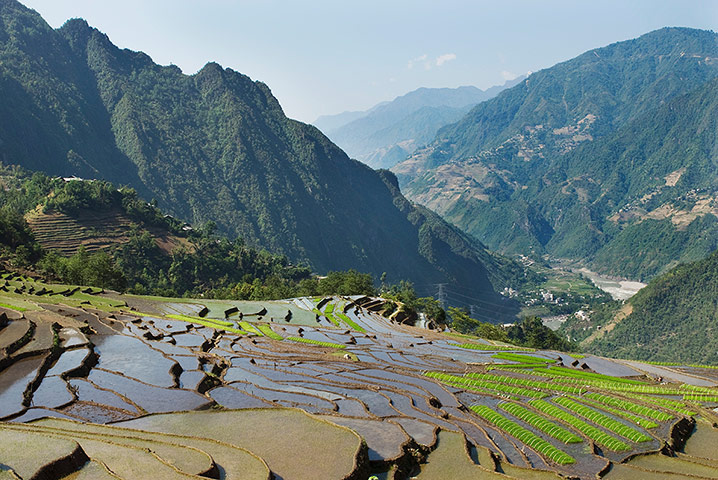
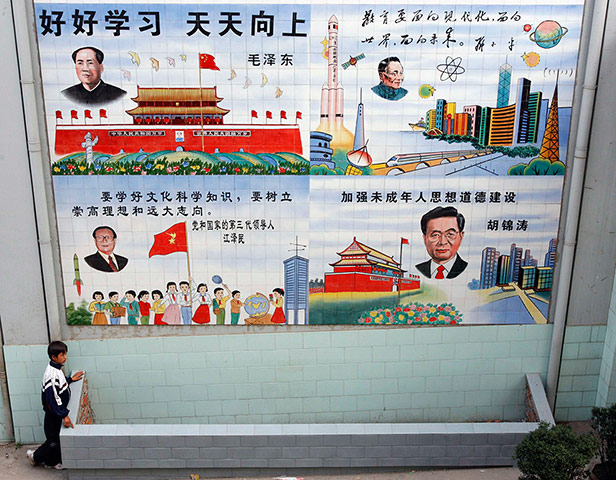
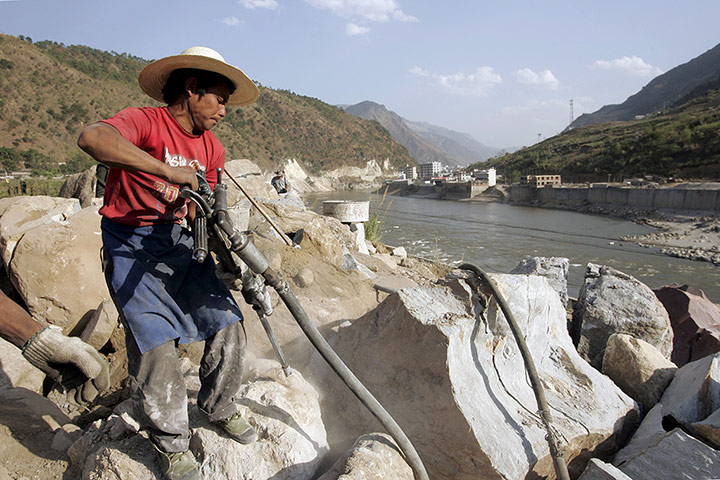
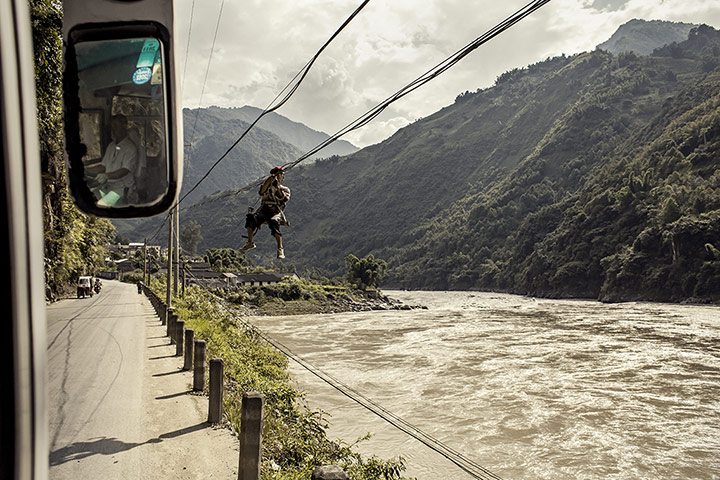
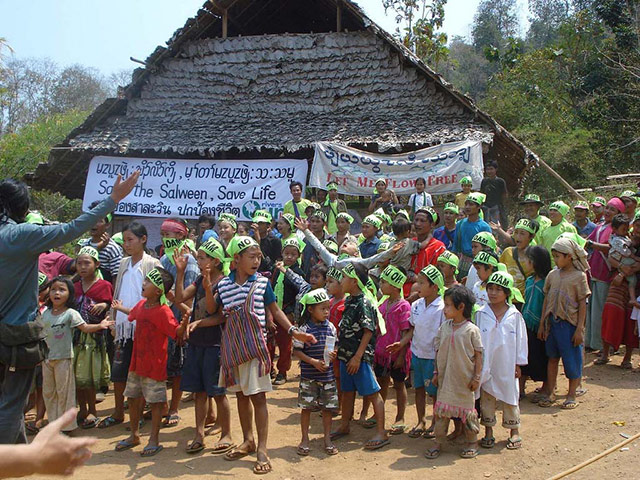
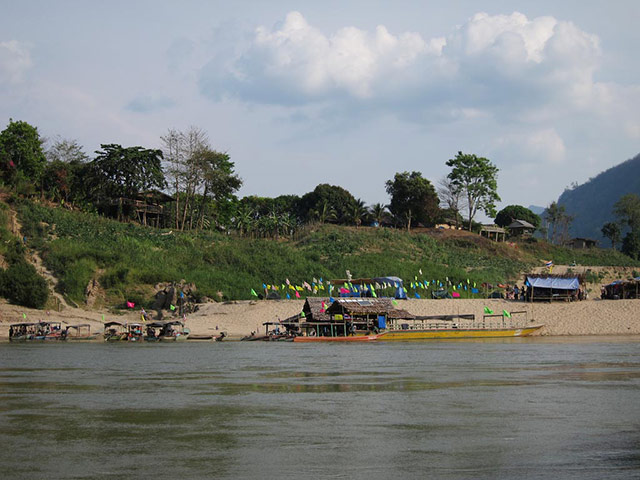
A silvery gibbon on a tree in Gaoligong mountain valley, which, according to an estimate has 699 kinds of vertebrates. In 2000, it was listed as a biosphere protection zone by UnescoPhotograph: Wei Zongmei/CorbisConstruction work at Songta dam in Tibet, close to Yunnan province border and the Three Parallel Rivers world heritage sitePhotograph: Green Watershed/International RiversWorkers fix a floating platform for the construction of a dam on the Salween river - Asia's last free flowing river and home to 7,000 species of plants and 80 rare or endangered animals and fish in China. The dam requires some 50,000 people to relocate Photograph: Nir Elias/ReutersGongshan county, Yunnan: an old trade route along the Salween river valleyPhotograph: CorbisIn March 2005 the proposal for a 13-stage dam project over the river was halted. The Chinese government agreed to conduct further scientific research after international pressure Photograph: Ryan Pyle/CorbisLocal communities, made up of 13 different ethnic groups, also call the Salween the 'angry river' or 'mother river'Photograph: CorbisA fisherman sails his boat on the Salween, near Wa La Ya Kan area in NujiangPhotograph: Nir Elias/ReutersMarch 2007: workers carry stones loaded on a cart in a tunnel dug for a planned dam on the Salween, some 74 mile (120km) north to Lushui in Yunnan province. The work continued despite the Chinese government officially suspending the plan to build dams on the river in 2004Photograph: Nir Elias/ReutersAn aerial view of the Salween river. The Nu, as it is locally known, nourishes a rich valley that hosts millions of people in southwest YunnanPhotograph: Heng Duan Shan Society./International RiversBing Zhongluo in the Three Parallel Rivers world heritage site: the Salween river winds around several small villages that have lived harmoniously with a diversity of religions and ethnic groups for centuries. The river originates in the QingHai mountains in Tibet, runs through Yunnan and flows into Burma Photograph: Matteo Butturini/CorbisA woman of the Lisu ethnic minority stands beside the Salween. Despite lack of approval from Beijing, highly-controversial preliminary work has begun on at least four proposed hydro-dam sites on the river and threatens to displace 50,000 people from 22 ethnic minority communities in the region Photograph: Michael Reynolds/EPAA Lisu ethnic village at Fugong in the Nujiang river valleyPhotograph: CorbisLiuku, Yunnan: a villager of the Lisu ethnic minority walks beside the enormous roots of a tree at the bank of the SalweenPhotograph: Michael Reynolds/EPASmall and medium hydropower stations dot the riverside. Most of the river's tributaries have been dammed and diverted. A lone fisherman sits on the east bank (bottom left above) at this site in Gongshan countyPhotograph: Nir Elias/ReutersChinese rescuers search for victims and survivors buried in the mud in the aftermath of mudslides in Litoudi village, Puladi township of Gongshan county in Yunnan. Over 69 people perished in the disaster in August 2010. Damming the Salween could trigger mudslides and earthquakes, environmentalists say Photograph: CorbisTerraced paddy fields at Fugong in the Nujiang river valley: the village of 2,000 would be flooded by one of the 13 proposed dams on the SalweenPhotograph: CorbisA boy stands beside the entrance of an elementary school in a rural area of Nujiang, on the bank of the Salween river in YunnanPhotograph: Nir Elias/ReutersA worker uses a jackhammer on the construction site of village being built for people who would be forced to relocate after the completion of a dam on Salween Photograph: Michael Reynolds/EPANujiang Lisu prefecture: a man is repairing electricity cables close to the road, hanging from a rope above the Salween Photograph: Matteo Butturini/CorbisChildren in a village on the banks of Salween participate in an anti-dam protest in BurmaPhotograph: International RiversVillage of Sob Mouy, Thailand: to celebrate the 15th Annual International Day of Action for Rivers, hundreds of villagers, activists, artists, journalists, and experts from Burma, Thailand, China and the US gathered at a small village by the Salween river to learn about proposed dams in China and Burma. The gathering included cultural performances, a candlelight vigil, concert, and prayer in support of the indigenous communities along the entire Salween riverPhotograph: International Rivers
Sign up to read this article
Read news from 100’s of titles, curated specifically for you.