China's Ninebot unveils scooters that drive themselves to charging stations
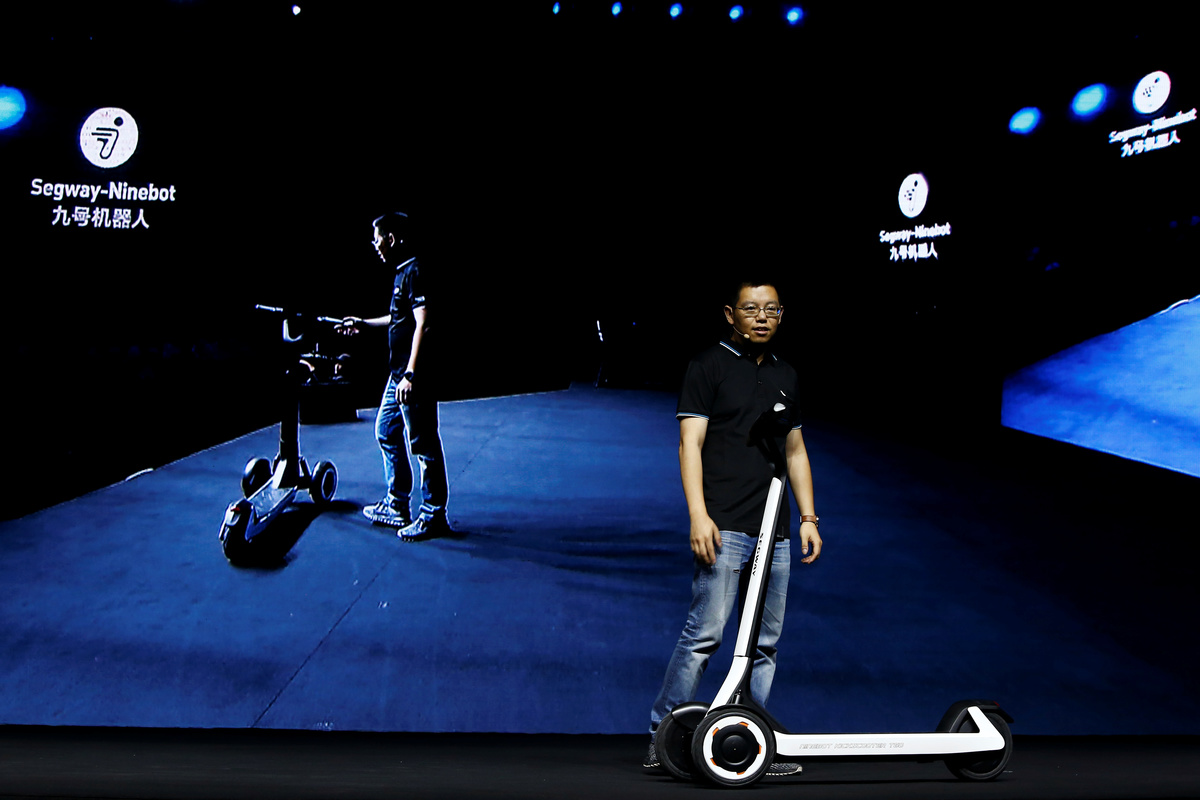
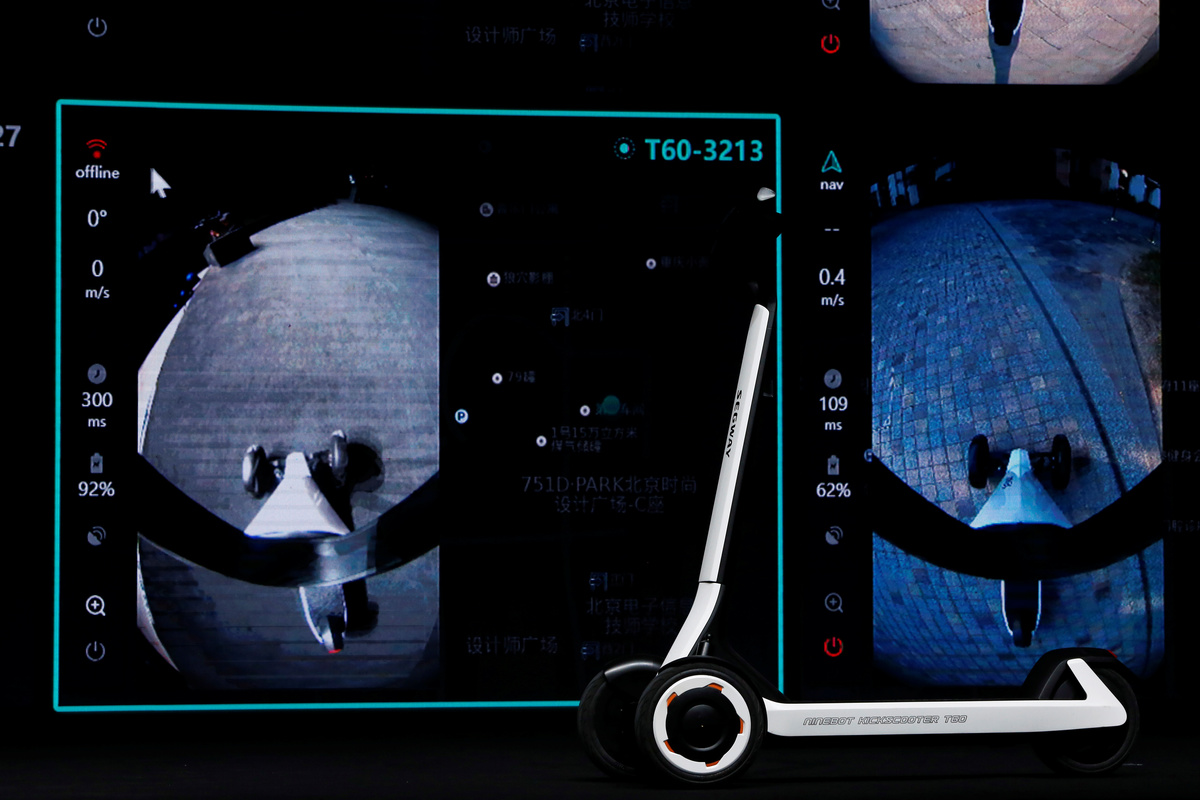
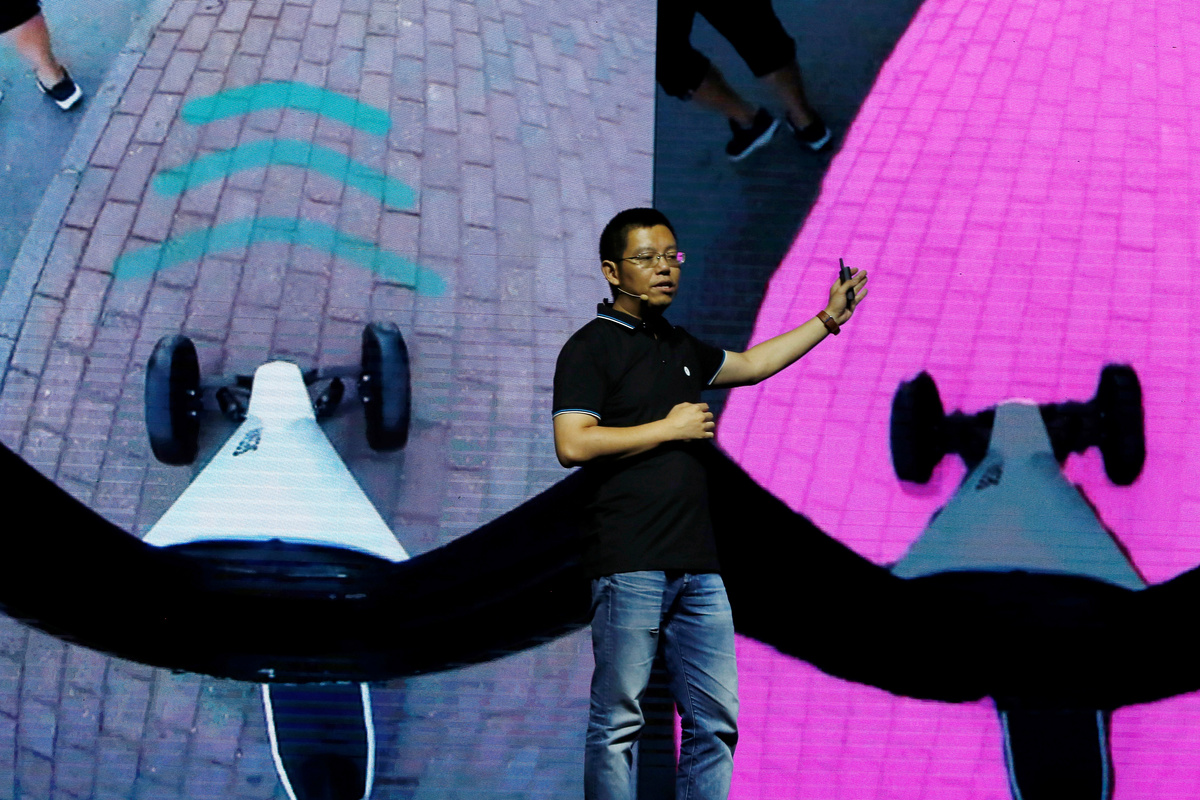
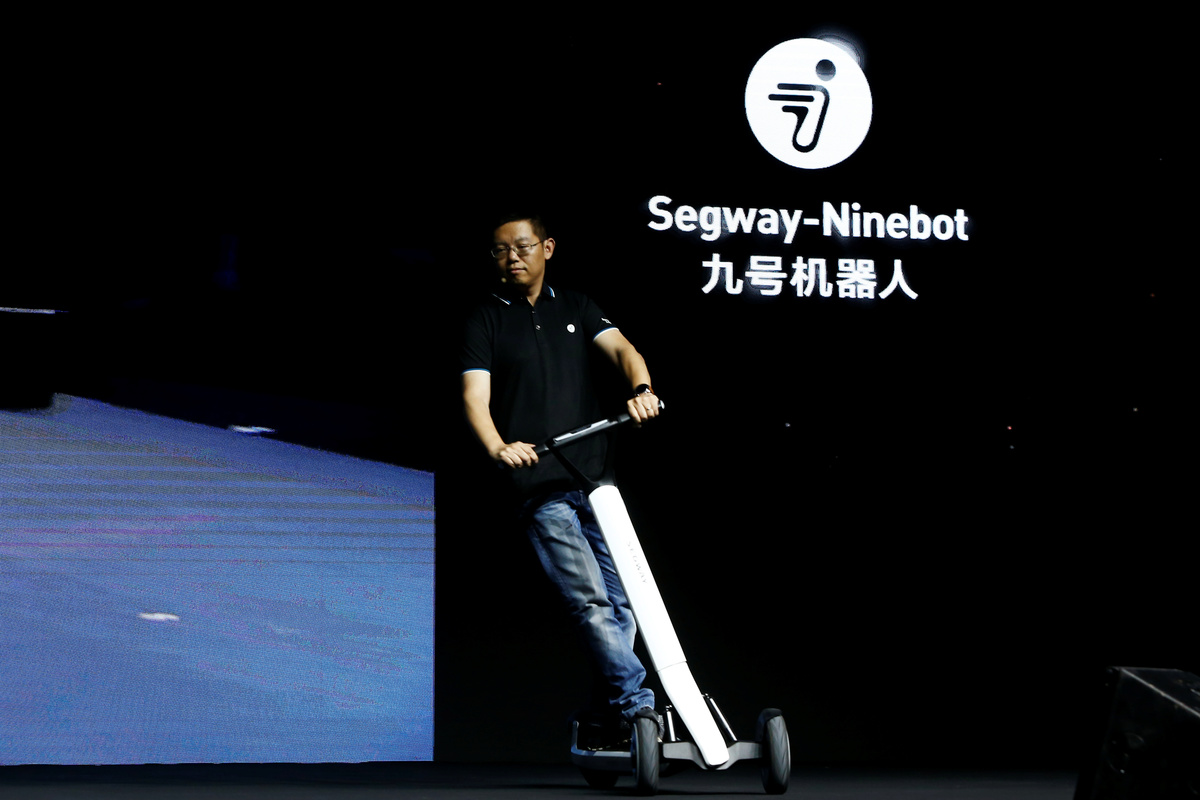
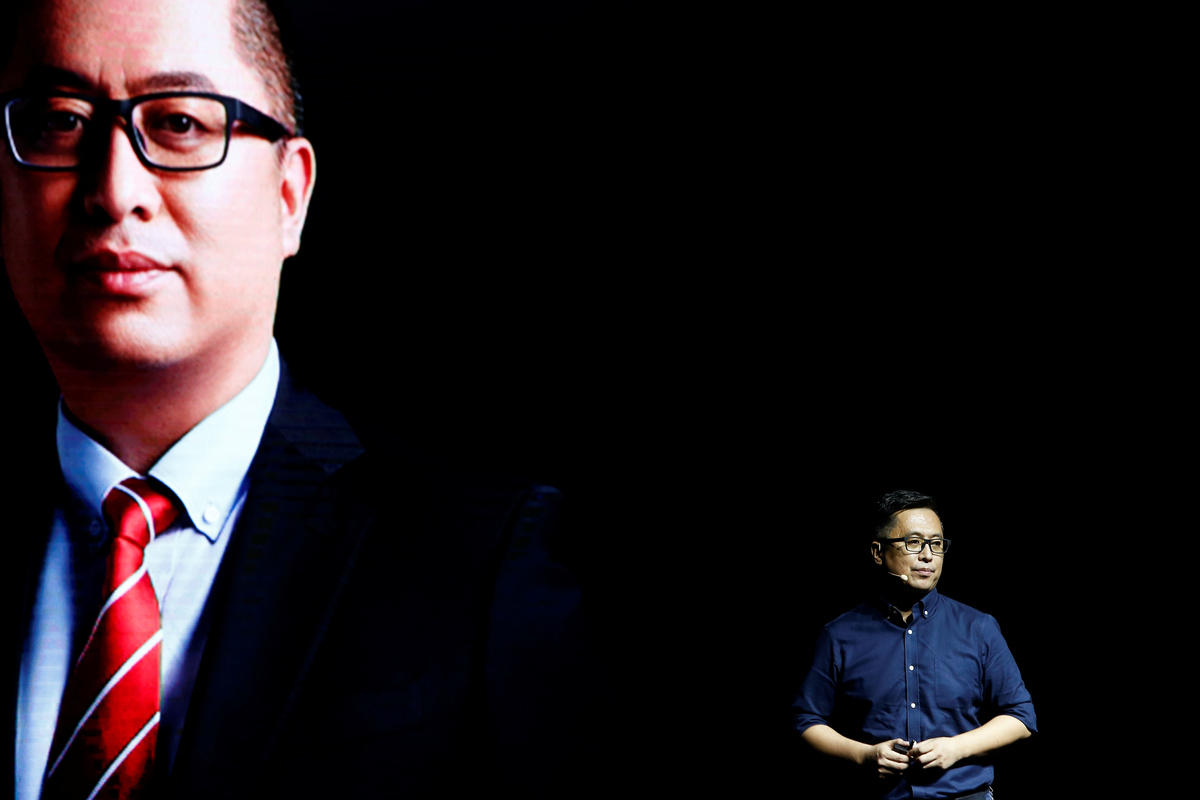
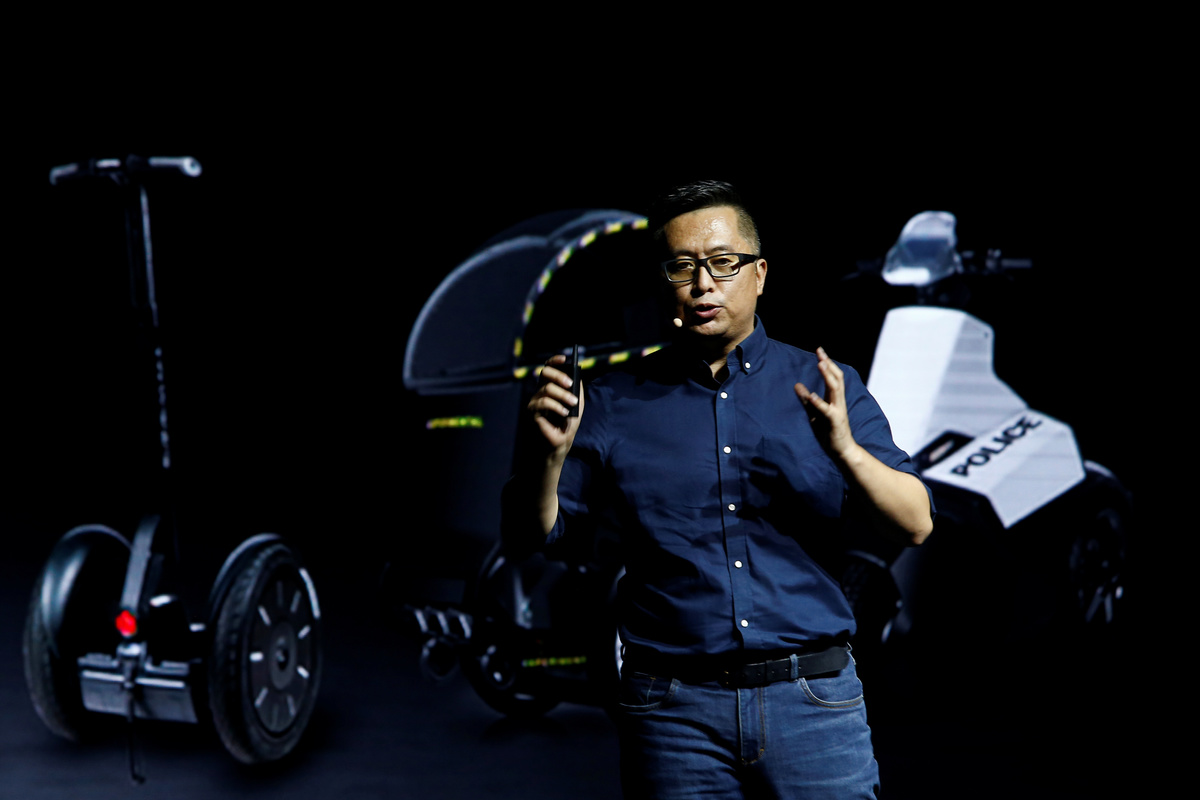
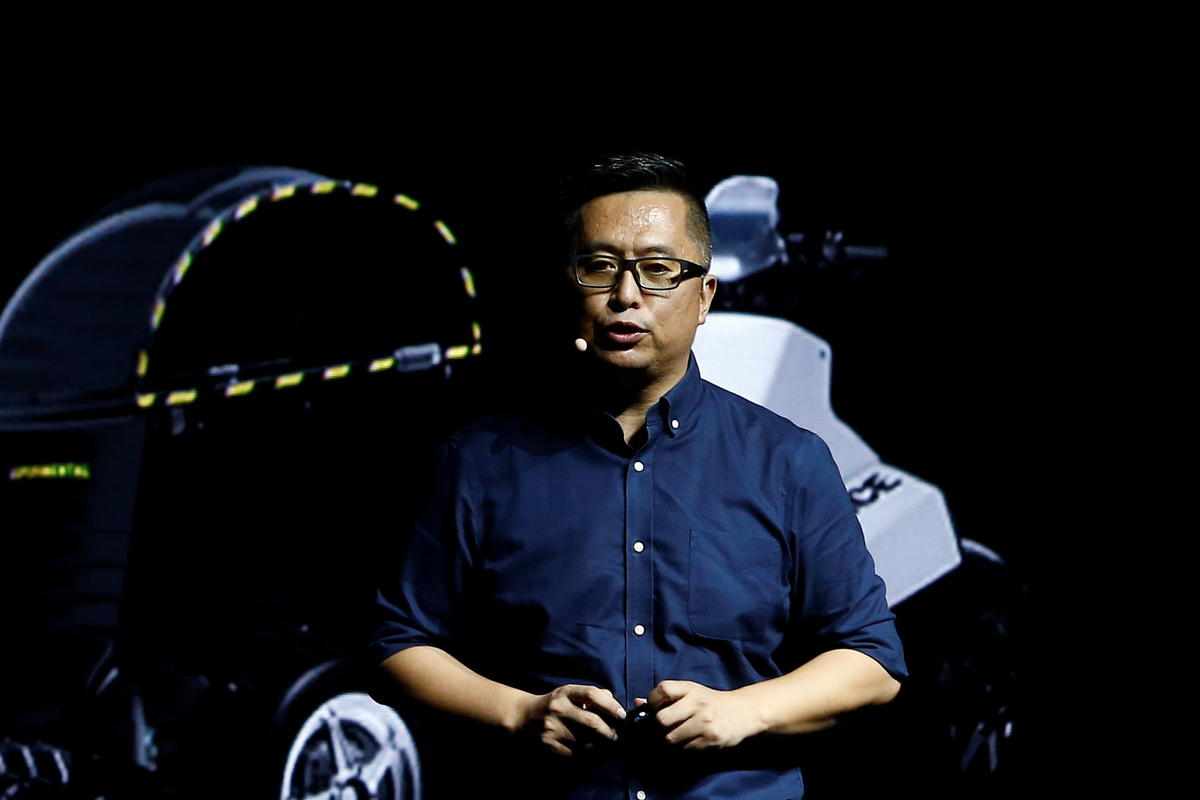
Ninebot President Wang Ye unveils semi-autonomous scooter KickScooter T60 that can return itself to charging stations without a driver, at a Segway-Ninebot product launch event in Beijing, China August 16, 2019. REUTERS/Florence Lo
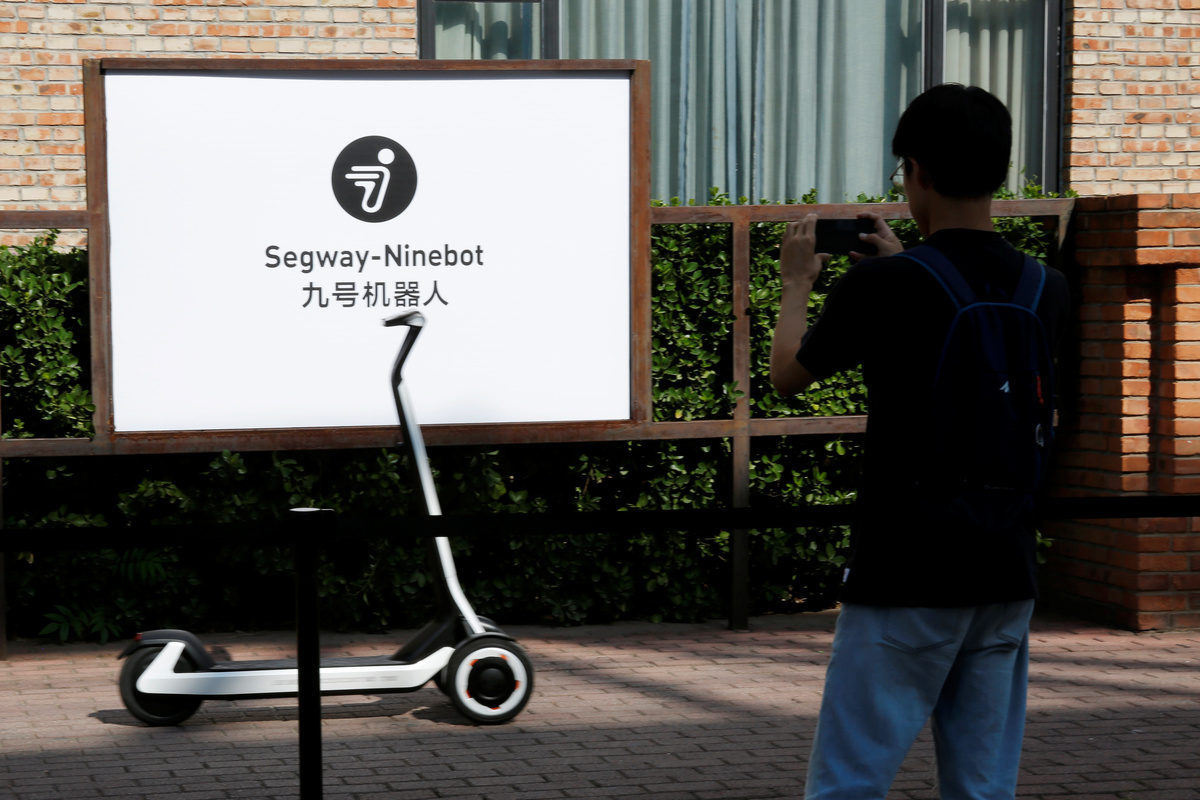
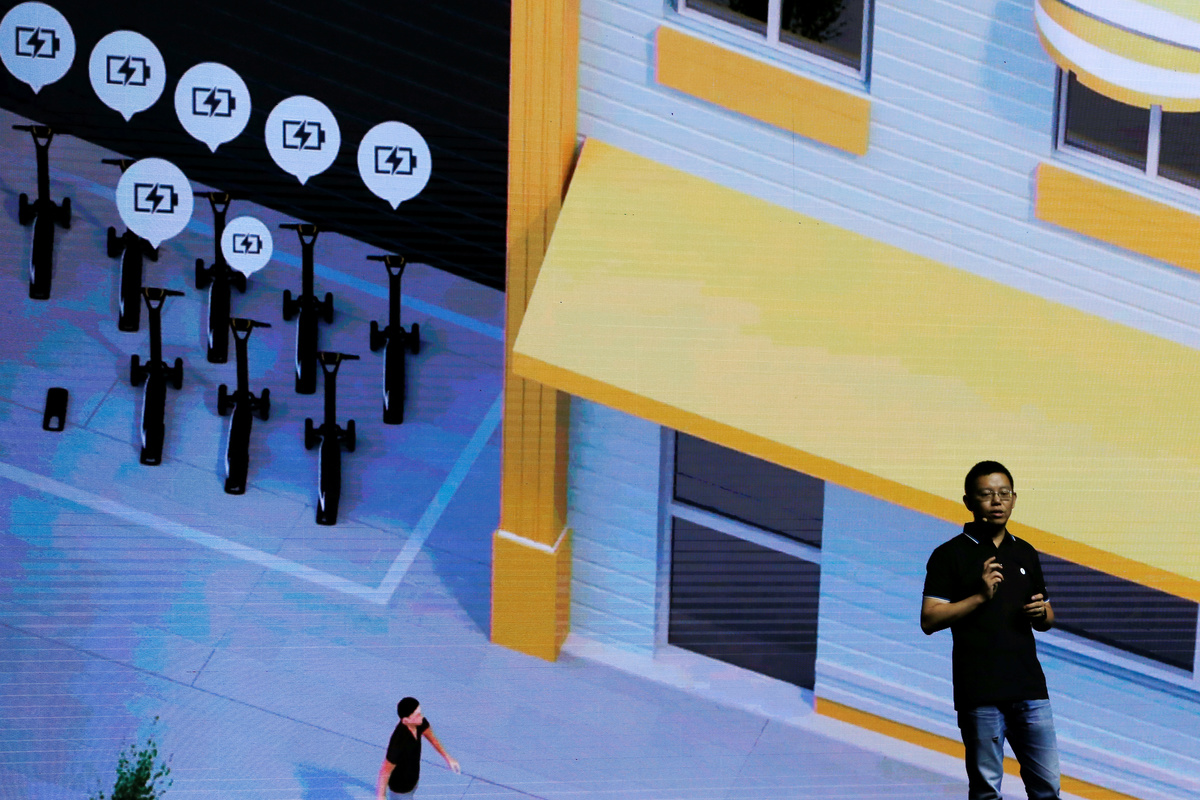
BEIJING/HONG KONG (Reuters) - Segway-Ninebot Group, a Beijing-based electric scooter maker, on Friday unveiled a scooter that can return itself to charging stations without a driver, a potential boon for the burgeoning scooter-sharing industry.
Ninebot said Uber and Lyft, the ride-hailing giants that are expanding into scooter-sharing, would be among the customers for the new semi-autonomous vehicles that are expected to hit roads early next year.
A man takes pictures of a semi-autonomous scooter KickScooter T60 that can return itself to charging stations without a driver, at a Segway-Ninebot product launch event in Beijing, China August 16, 2019. REUTERS/Florence Lo
Gao Lufeng, Ninebot chairman and chief executive, told Reuters in an interview that AI-driven scooters, controlled remotely from the cloud, could radically improve the economics of scooter-sharing.
"The pain point for scooter operators is to better maintain the scooters at a lower cost," he said. Currently, operators of scooter sharing fleets have to collect the machines manually for re-charging.
Formed by the 2015 combination of China's Ninebot and U.S. transportation pioneer Segway, the company has quietly become the largest supplier for scooter-sharing companies such as Bird and Lime.
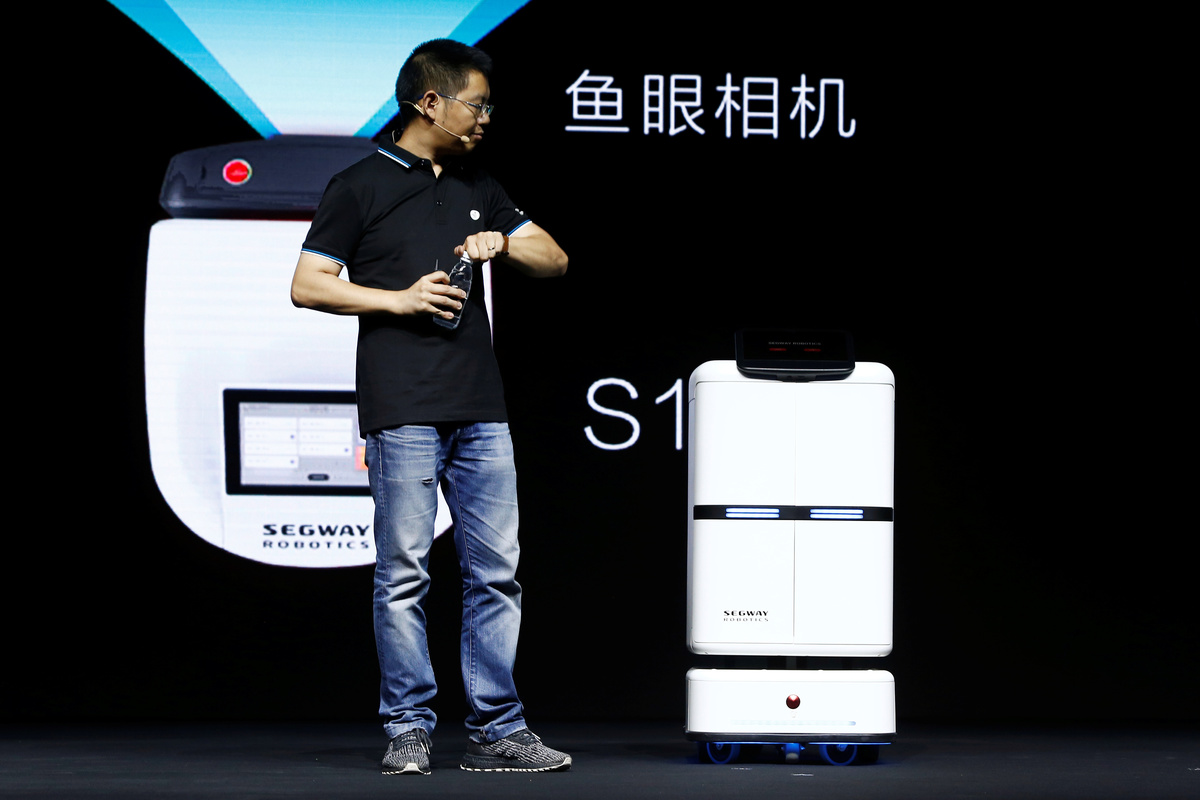
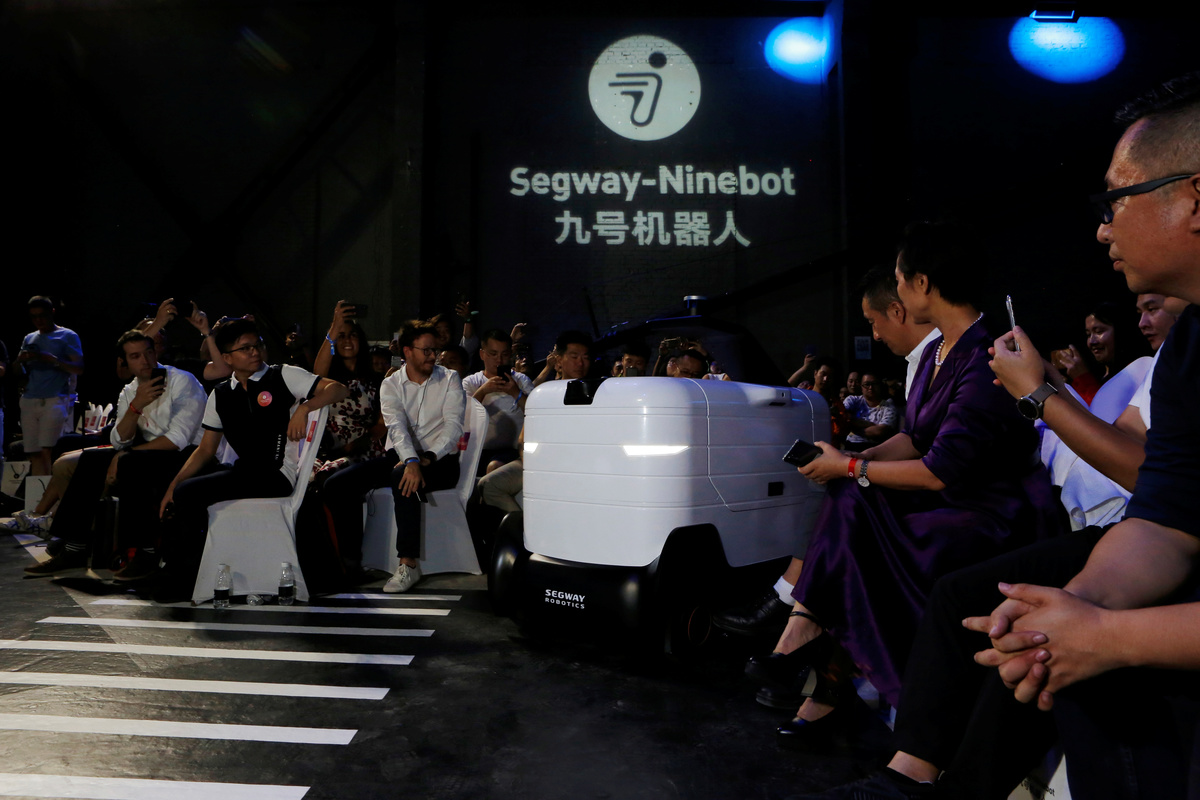
Ninebot President Wang Ye unveils delivery robot Segway DeliveryBot S2 at a Segway-Ninebot product launch event in Beijing, China August 16, 2019. REUTERS/Florence Lo
"I believe scooters will replace bicycles as the prime solution for micro-mobility," Gao said. "It's human nature to save energy when commuting."
The scooter-sharing fad was triggered two years ago with the launch of Bird in California. Venture-capital investors have since poured hundreds of millions of dollars into the sector, and fleets of electric-powered scooters now operate in cities across the U.S. and Europe.
Segway-Ninebot Group has applied to list its shares on the China's new Nasdaq-style board for homegrown tech firms, the STAR Market. The company sold 1.6 million scooters in 2018, according to a prospectus filed in April.
Ninebot President Wang Ye unveils semi-autonomous scooter KickScooter T60 that can return itself to charging stations without a driver, at a Segway-Ninebot product launch event in Beijing, China August 16, 2019. REUTERS/Florence Lo
Julie Wood, a spokeswoman for Lyft, said the company was always interested in seeing the latest innovations from potential partners like Ninebot. "But we haven't yet made any commitments around this product," she said in an e-mail.
Uber did not immediately respond to emailed requests for comment.
The new scooters will be priced at close to 10,000 yuan ($1,420), more than the company's traditional scooters, which it sells to scooter companies for $100-$300.
Semi-autonomous scooter KickScooter T60 that can return itself to charging stations without a driver, is seen onstage at a Segway-Ninebot product launch event in Beijing, China August 16, 2019. REUTERS/Florence Lo
The new machines will start road testing next month and will be largely commercialized in the first quarter of 2020.
The company also launched two self-driving delivery robots -- one for outdoor delivery, the other for indoor services.
Ninebot said the unmanned delivery robots will initially serve the food delivery industry in China.
Ninebot President Wang Ye unveils semi-autonomous scooter KickScooter T60 that can return itself to charging stations without a driver, at a Segway-Ninebot product launch event in Beijing, China August 16, 2019. REUTERS/Florence Lo
The company is in talks with food delivery operators, including Meituan Dianping and Alibaba Group's Ele.me, to begin service by the first half of next year.
(Reporting by Yingzhi Yang in BEIJING and Brenda Goh in HONG KONG; Editing by Darren Schuettler & Simon Cameron-Moore)
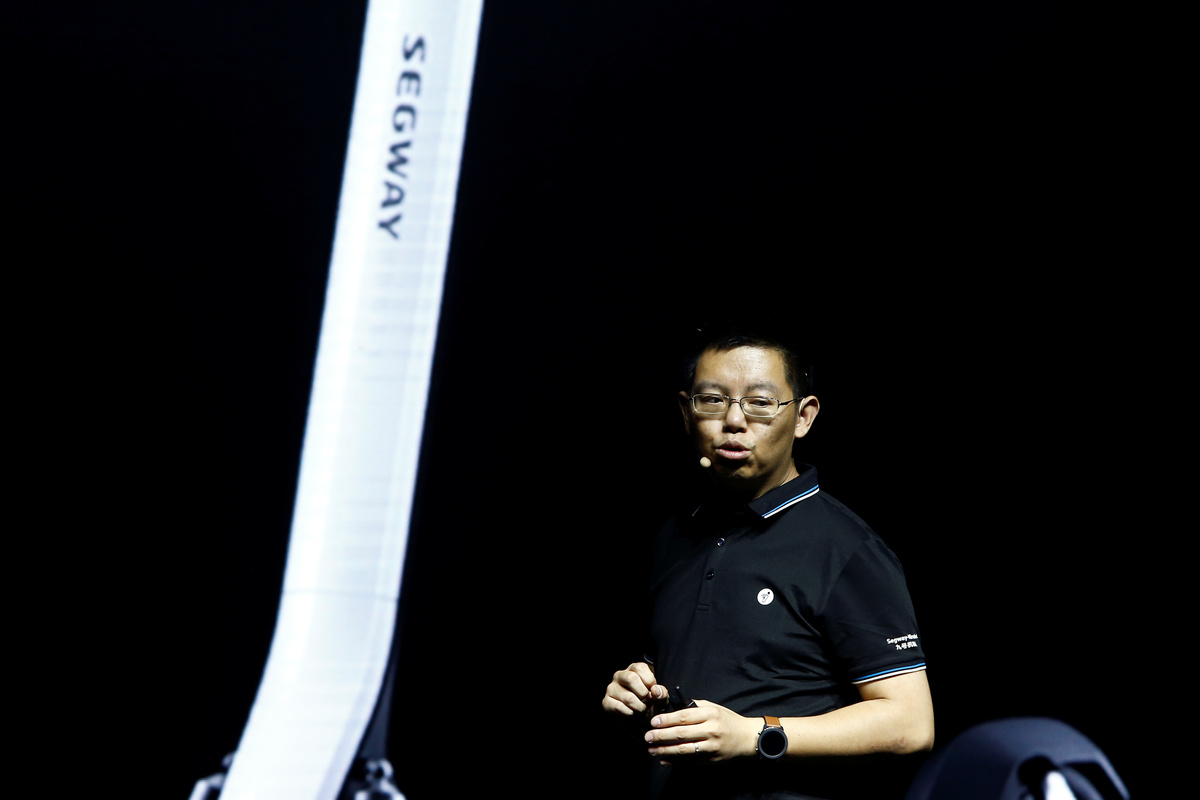
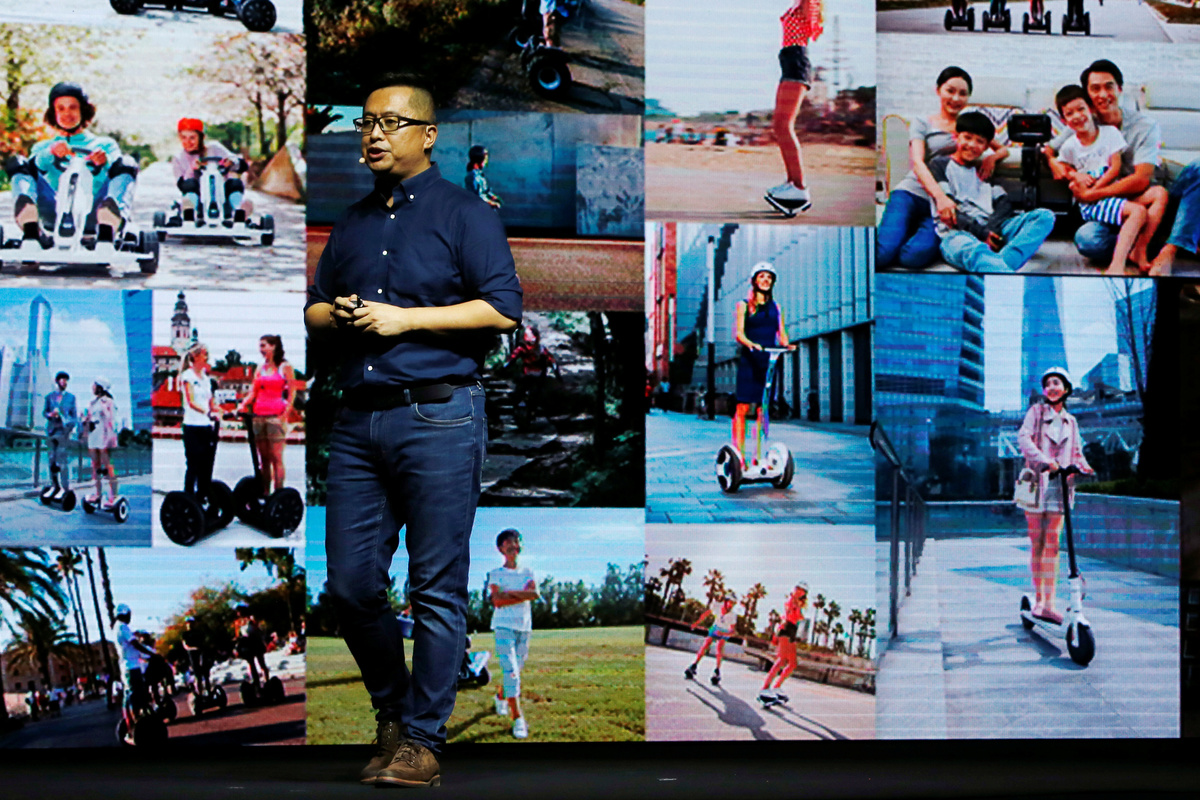
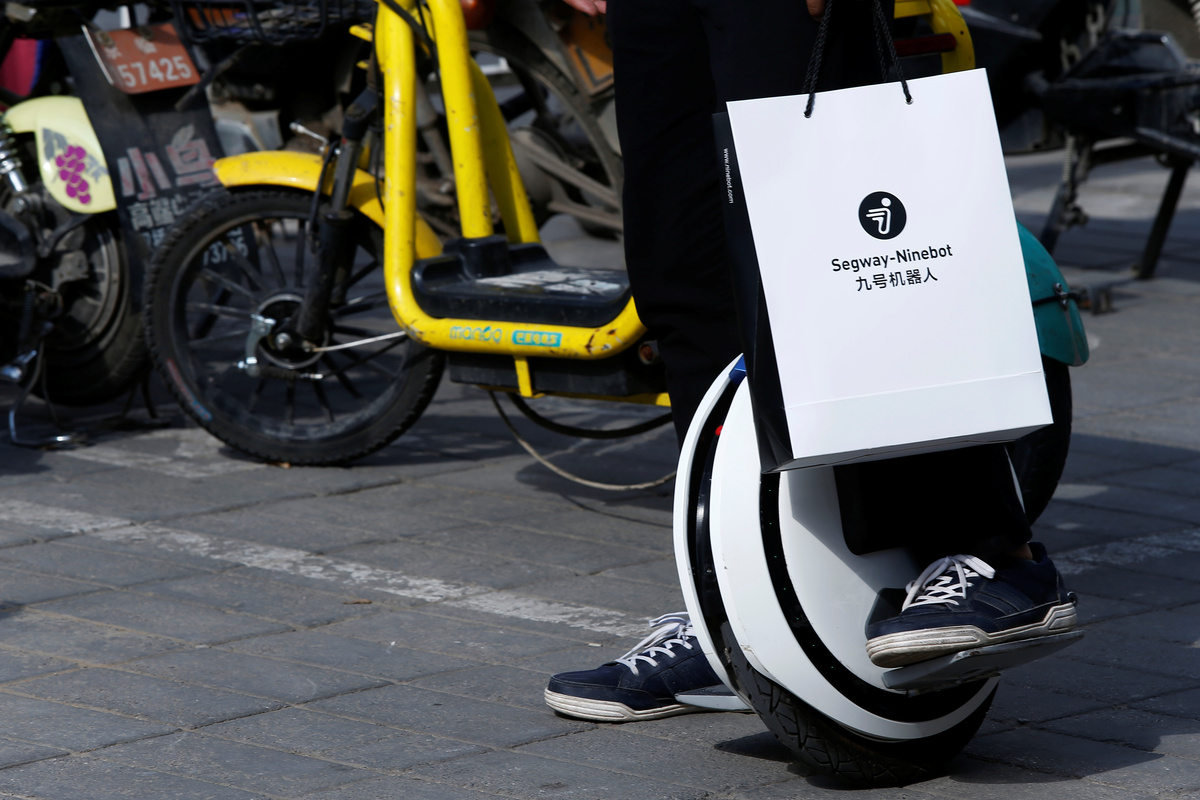
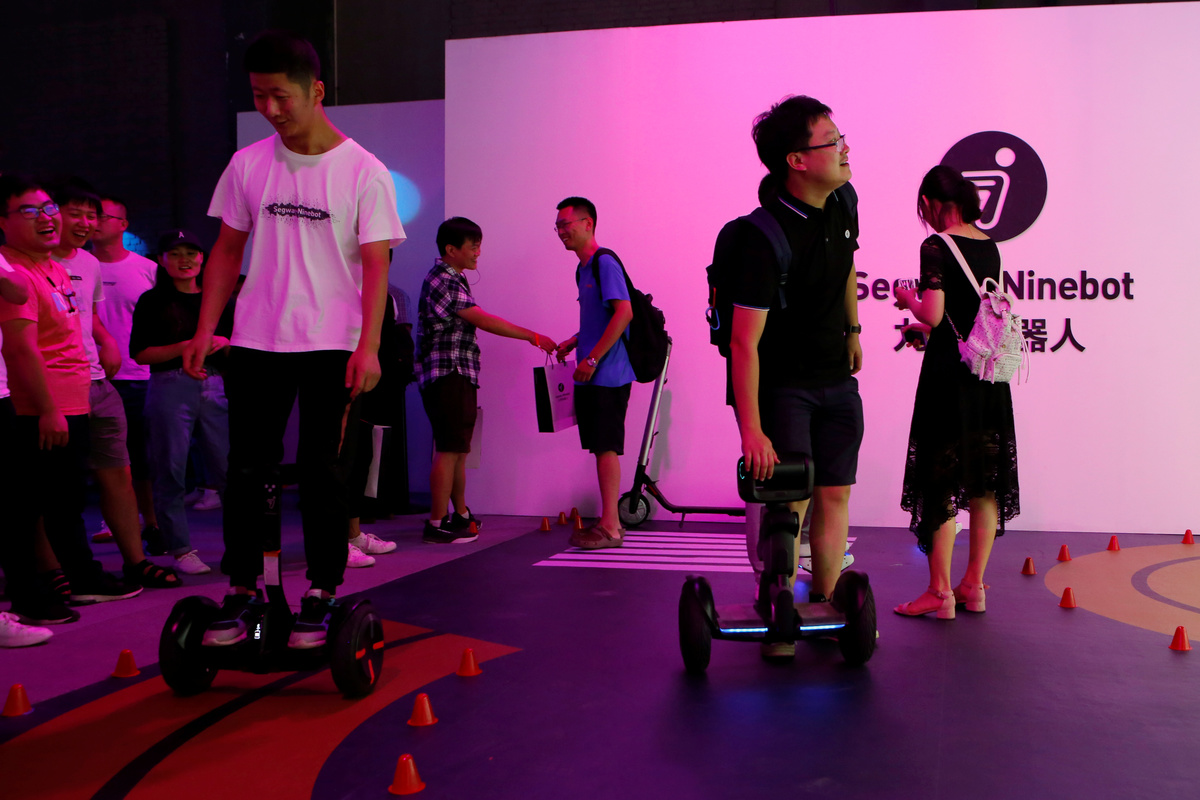
Ninebot President Wang Ye unveils semi-autonomous scooter KickScooter T60 that can return itself to charging stations without a driver, at a Segway-Ninebot product launch event in Beijing, China August 16, 2019. REUTERS/Florence LoNinebot President Wang Ye unveils semi-autonomous scooter KickScooter T60 that can return itself to charging stations without a driver, at a Segway-Ninebot product launch event in Beijing, China August 16, 2019. REUTERS/Florence LoNinebot Chief Executive Officer Gao Lufeng attends a Segway-Ninebot product launch event in Beijing, China August 16, 2019. REUTERS/Florence LoNinebot Chief Executive Officer Gao Lufeng speaks at a Segway-Ninebot product launch event in Beijing, China August 16, 2019. REUTERS/Florence LoNinebot Chief Executive Officer Gao Lufeng speaks at a Segway-Ninebot product launch event in Beijing, China August 16, 2019. REUTERS/Florence LoNinebot Chief Executive Officer Gao Lufeng speaks at a Segway-Ninebot product launch event in Beijing, China August 16, 2019. REUTERS/Florence LoDelivery robot Segway DeliveryBot X1 is unveiled at a Segway-Ninebot product launch event in Beijing, China August 16, 2019. REUTERS/Florence LoA man rides a Ninebot One electric unicycle near the venue of a Segway-Ninebot product launch event in Beijing, China August 16, 2019. REUTERS/Florence LoA man tries a Segway self-balancing scooter before a Segway-Ninebot product launch event in Beijing, China August 16, 2019. REUTERS/Florence Lo
Sign up to read this article
Read news from 100’s of titles, curated specifically for you.