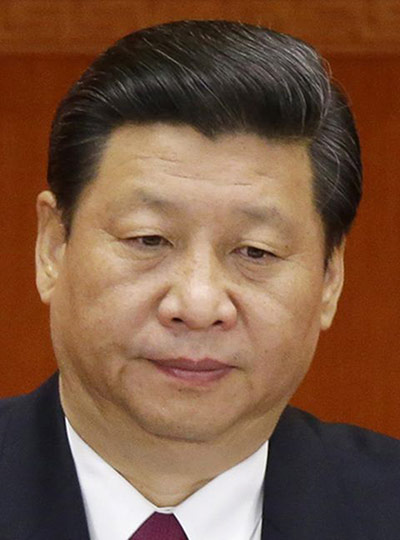
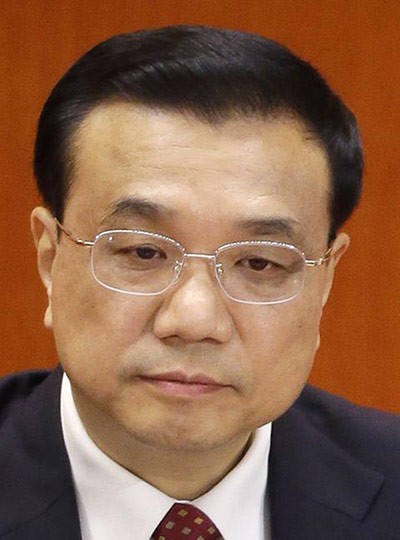
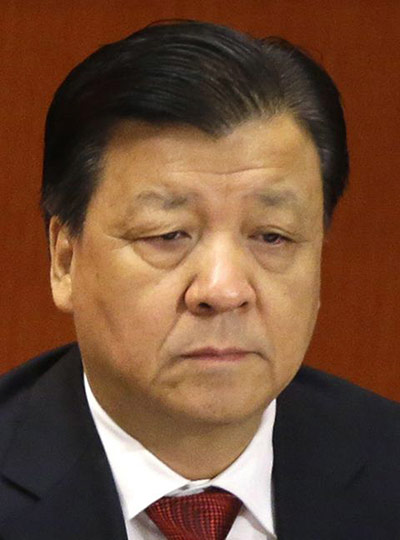
Xi Jinping, 59. Will take over as head of state in March at the annual meeting of parliament. Belongs to the party's "princeling" generation, the offspring of communist revolutionaries. During the Cultural Revolution, went to work in the poor north-west Chinese countryside as a "sent-down youth" before making his way to university and then to power. Considered a cautious reformer, having spent time in top positions in the coastal Fujian and Zhejiang provinces, both at the forefront of China's economic reformsPhotograph: Jason Lee/ReutersLi Keqiang, 57. Expected to take over as China's next premier. Born in Anhui province in 1955, son of a local rural official. Sent to toil in the countryside during Mao's Cultural Revolution. Studied law at the elite Peking University, which was among the first Chinese schools to resume teaching law after the chaos of the Cultural Revolution. Worked his way through the official student union and then up through the Communist party ranks. Served in challenging party chief posts in Liaoning, a frigid north-eastern rustbelt province, and rural Henan province, before being elevated to the party’s top echelonsPhotograph: Jason Lee/ReutersLiu Yunshan, 65. Expected to take over as head of propaganda and ideology. Worked as a reporter with Xinhua in Inner Mongolia, where he later served in party and propaganda roles before shifting to Beijing. Worked for the Communist Youth League for two years in Inner Mongolia from 1982-84. Long ties to the party's propaganda system and close relationship with Hu Jintao, the outgoing president. As minister of the party's propaganda department since 2002 Liu has also sought to control China's internet, which has more than 500 million usersPhotograph: Jason Lee/Reuters
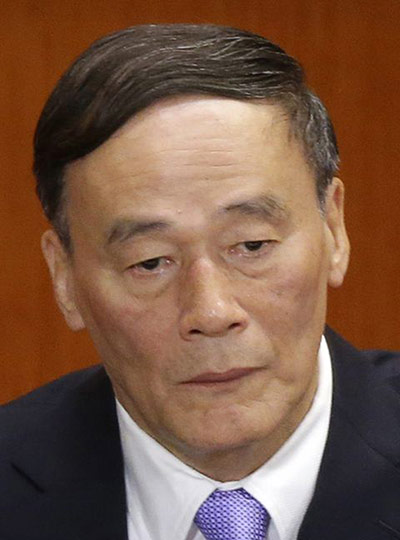
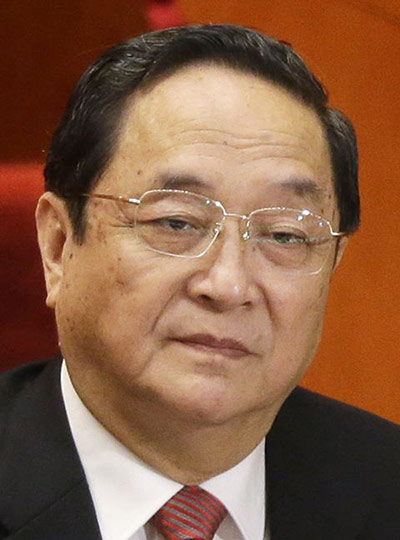
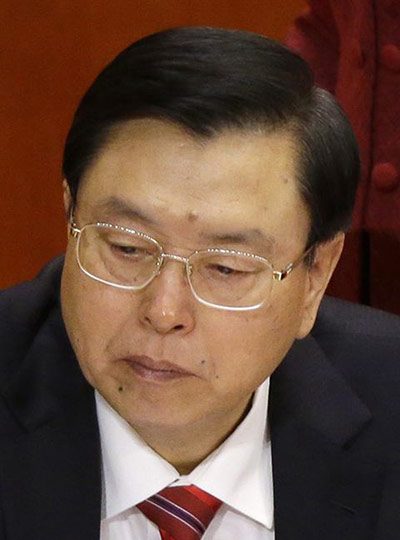
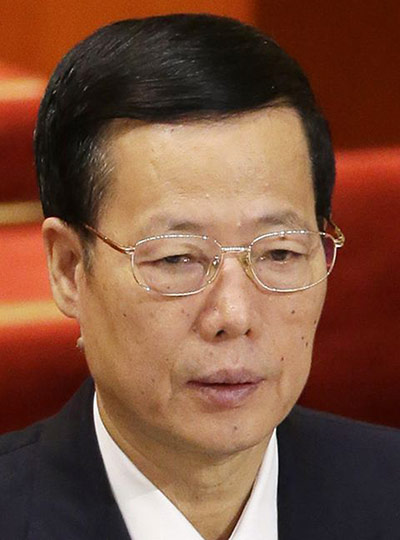
Wang Qishan, 64. Vice-premier. Ex-mayor of Beijing, financial reformer and problem solver with deep experience tackling tricky economic and political problems. The only likely member of the standing committee to have been chief executive of a corporation, leading the state-owned China Construction Bank from 1994 to 1997. Likely to lead the fight against corruption. Wang is also a princeling: son-in-law of former vice-premier and ex-standing committee member Yao Yilin.Photograph: Jason Lee/ReutersYu Zhengsheng, 67. Shanghai party secretary. Considered a cautious reformer. His impeccable Communist pedigree made him a rising star in the mid-1980s until his brother, an intelligence official, defected to the United States. His close ties with Deng Pufang, the eldest son of late paramount leader Deng Xiaoping, spared him the full political repercussions but he was taken off the fast track. Bided his time in ministerial ranks until bouncing back, joining the Politburo in 2002. However the princeling's age would require him to retire in 2017 after one term Photograph: Jason Lee/ReutersZhang Dejiang, 65. Vice-premier. Chosen this year to replace disgraced politician Bo Xilai as Chongqing party boss. He also serves as vice-premier in charge of industry, though his record has been tarnished by the downfall of the railway minister last year for corruption. Close to former president Jiang Zemin. Studied economics at Kim Il-sung University in North Korea and is a native of north-east China. On his watch as party chief of Guangdong the southern province maintained its position as a powerhouse of China's economic growthPhotograph: Jason Lee/ReutersZhang Gaoli, 65. Vice-premier. Party chief of the northern port city of Tianjin. A financial reformer with experience in more developed parts of China. Politburo member since 2007, seen as a Jiang Zemin ally but also acceptable to outgoing President Hu. An advocate of greater foreign investment. Was sent to clean up Tianjin after a string of corruption scandals. A native of south-eastern Fujian province, Zhang trained as an economist and served as party chief and governor of eastern Shandong province and as Guangdong vice-governorPhotograph: Jason Lee/Reuters
Sign up to read this article
Read news from 100’s of titles, curated specifically for you.