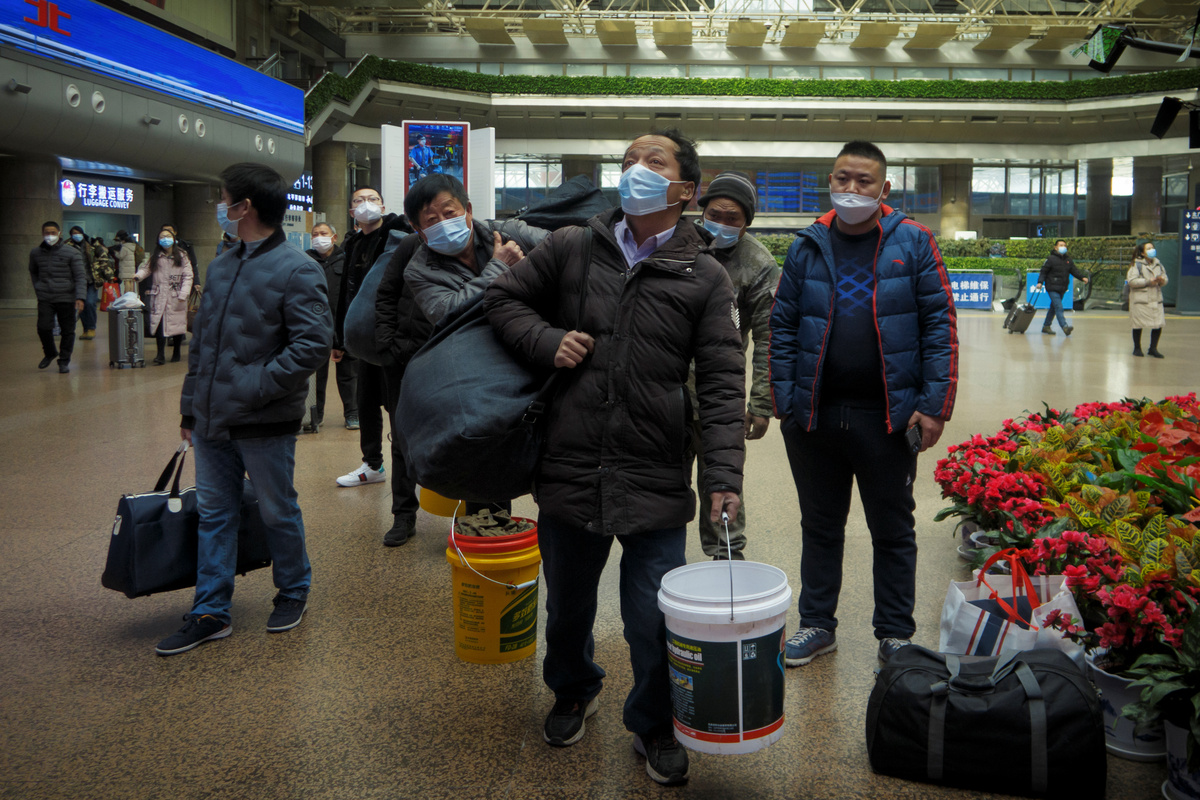
Fearing COVID cases, lost profits and possible lockdowns, China's local governments and humming factories are offering a slew of incentives to persuade workers not to go home for the Lunar New Year holiday in February.
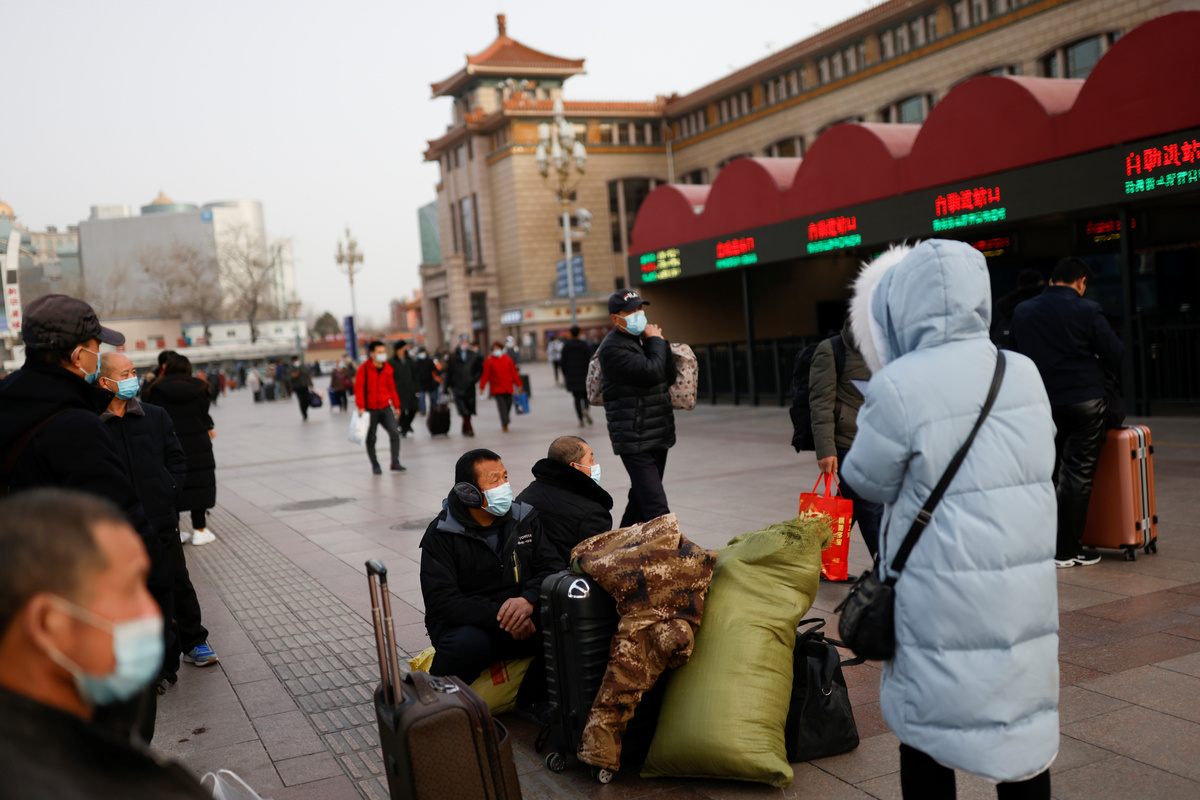
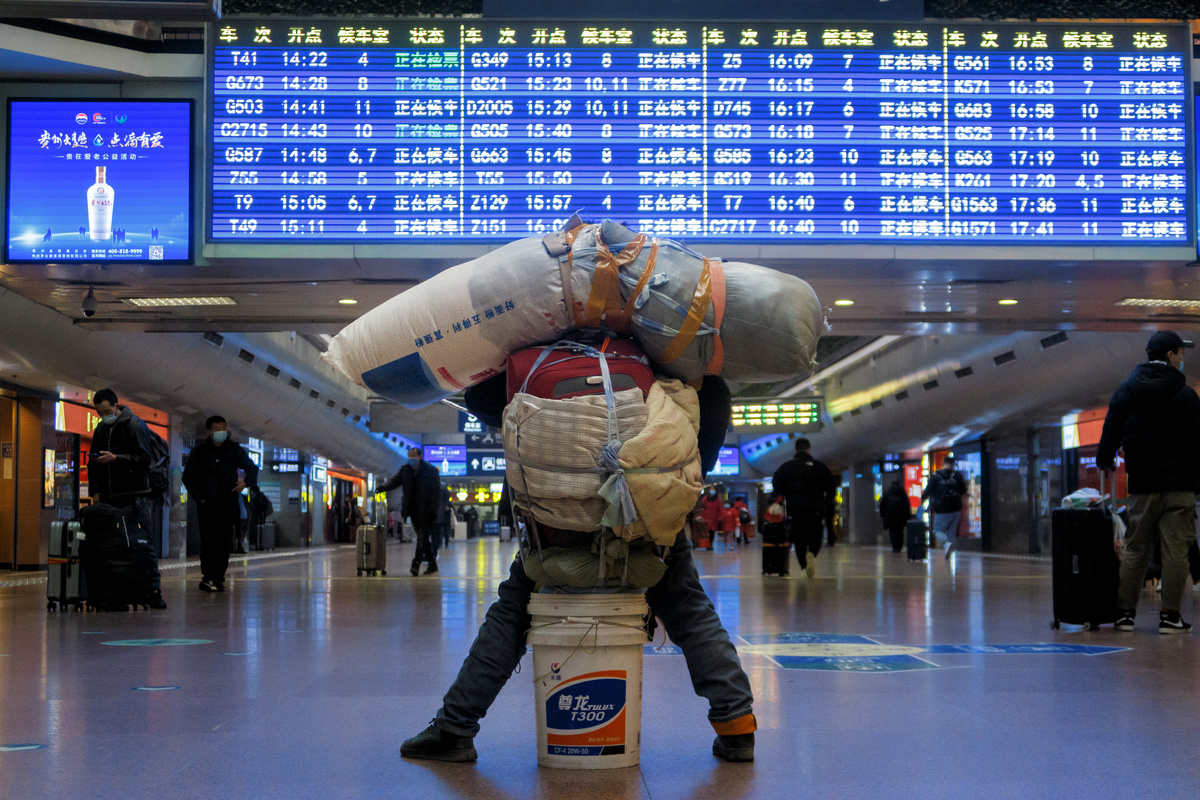
This period usually sees the majority of the country's 280 million rural migrant workers, as well as millions of white-collar workers who live far from home, travel back to see family.
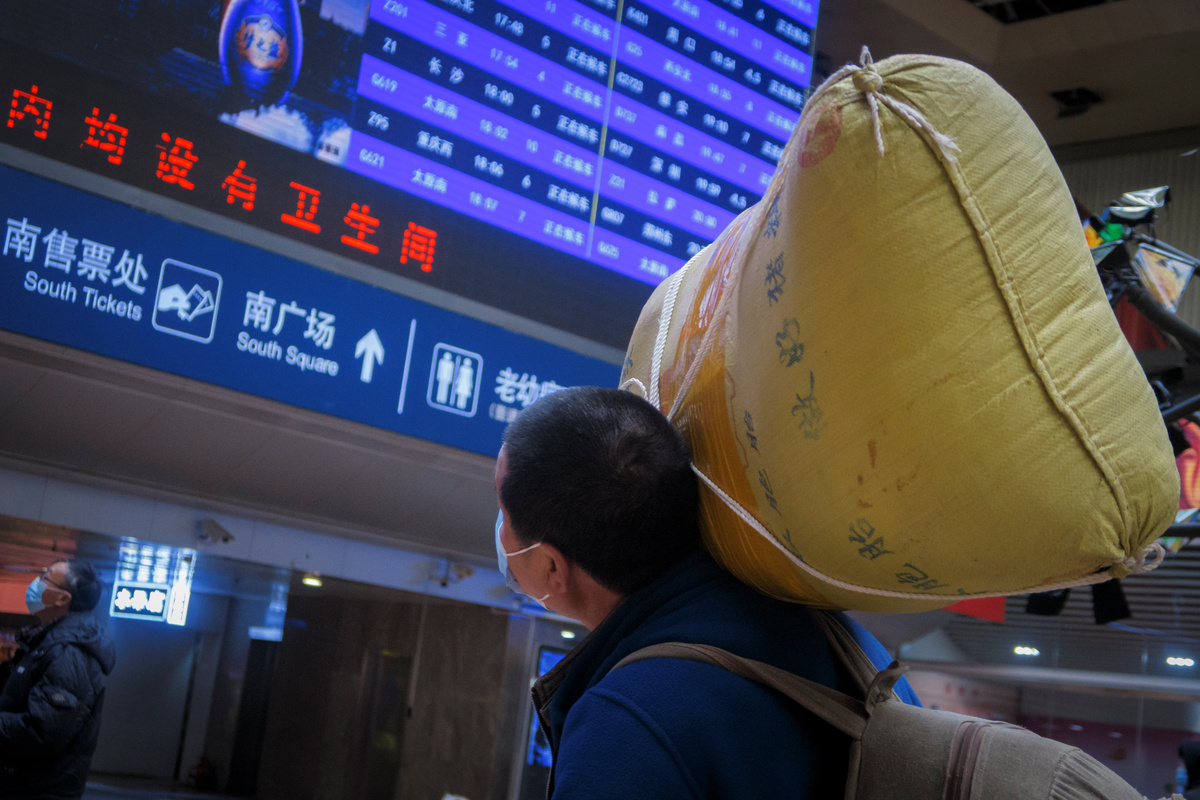
The rapid coronavirus spread during last year's holidays, however, trapped many workers in their villages for months and forced them into long quarantines when they finally returned to the cities.
Factories were paralysed, industrial production plummeted, and workers lost weeks of income.
Companies usually pay more to those who work over the festival, but this year local governments and companies are hoping far more take up the offer.
Most provinces have issued notices encouraging workers to stay in place, citing the importance of epidemic control as well as "guaranteeing the stability of industrial and supply chains."
Incentives include extra pay, prizes, entertainment, free New Year's eve banquets and staggered holiday arrangements.
Demand for labour in some industries is already high. China's manufacturing recovery, fuelled in part by demand from COVID-constrained consumers abroad, has soared past expectations this year, with factories struggling to fill a shortage of blue-collar workers.
A notice from the government of Ningbo, a port and industrial hub in Zhejiang province, said a halt to production over Lunar New Year amid blistering foreign demand could "cause companies huge losses."
While it's yet to be seen how many workers stay put this year, China's state planner said it expects "markedly lower" holiday travel than normal. The southern Jiangxi province, a major source of migrant workers, expects travel to be around 60% of 2019.
One chemicals company in Zhejiang told local media 85% of its workers plan to stay this year, lured by double hourly pay and an extra 500 yuan ($77) reward for full-time attendance over the festival period.
Increased mass travel at this time also heighten the risk of new coronavirus infections, which had otherwise been largely snuffed out across most of the country.
China reported its biggest daily jump in new COVID-19 cases in more than 10 months on Thursday as infections in northeastern Heilongjiang province nearly tripled. Twenty-eight million people have been put under home quarantine in northern provinces.
Wang Zhishen, who works at a container factory in Dongguan, an export hub, said he will probably stay there if his factory remains open, despite having already purchased a train ticket home to Gansu province, 2,000 kilometres away.
"What if you get unlucky and get infected on the road back home? Then your whole family might get sick," he said.
"If my factory is not going to be closed over the holiday, I think I'll just stay in Dongguan. Going home is too risky."
For some, especially those who don't have employers who can offer prizes and guarantee work over the holidays, reuniting with families is still worth the risk.
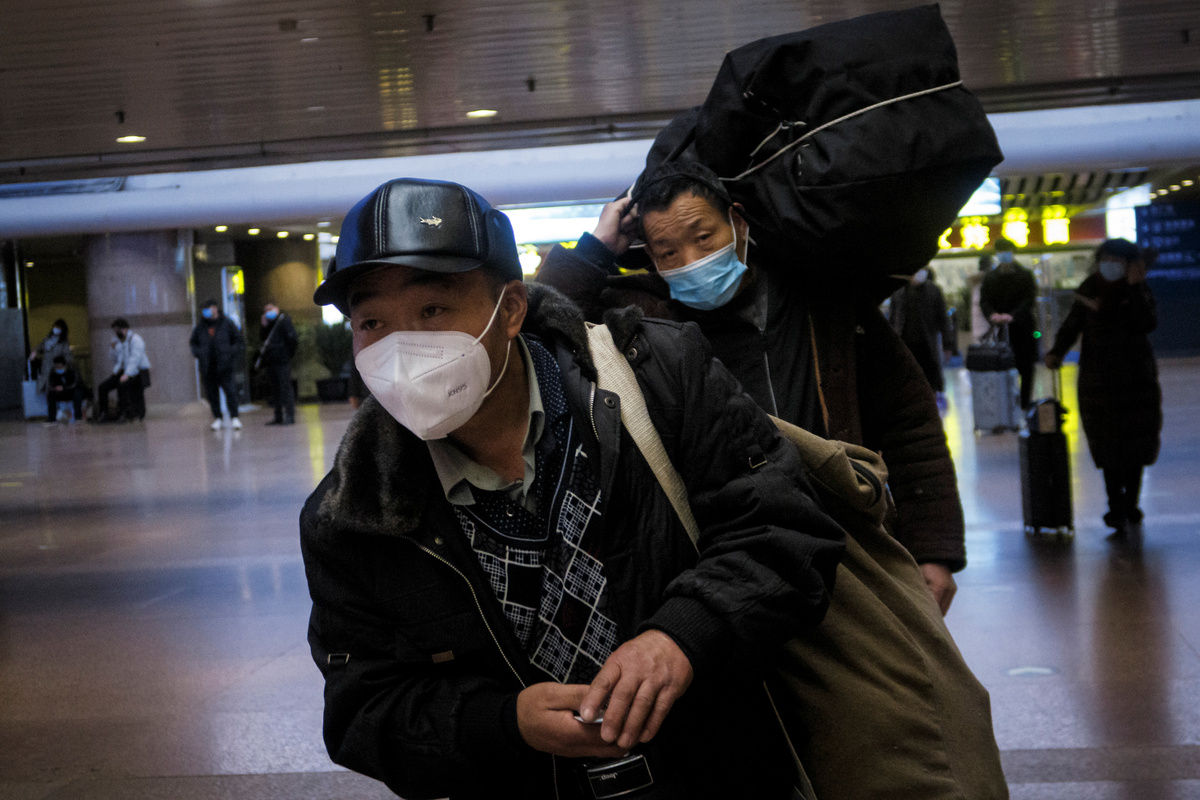
At Beijing Railway Station this week, a 64-year-old migrant worker surnamed Wang, who works as a construction worker in the capital, was rushing back to his village in eastern Shandong province before it enters lockdown.
"There's no other way. We have to get back before then. We've got family back home." he said, after arriving at the station seven hours before his train leaves Beijing.
(Reporting by Stella Qiu and Gabriel Crossley; Editing by Sam Holmes)