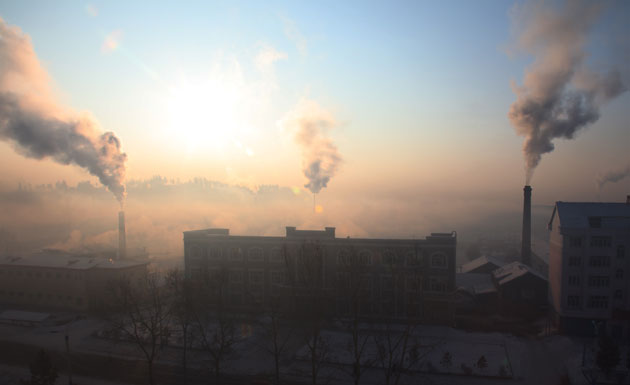
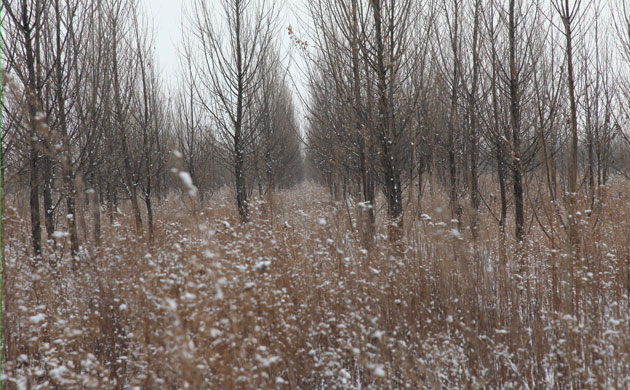
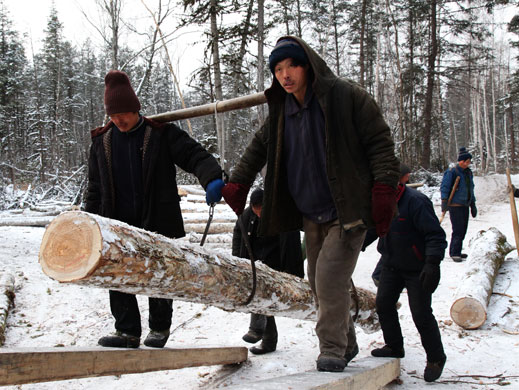
Plumes of coal smoke rise up above Tangwanghe, Heilongjiang province, which was named last year as China's first national park. It was loosely modelled on Yellowstone in the United States, but there is little sign of wildlife Photograph: Jonathan WattsMost of the new trees in China are planted in rows of fast-growing species, which are either cropped for timber or left as wind and sand breaks to protect agriculture. Forestry experts say these trees absorb more carbon than Korean pine and other slower-growing speciesPhotograph: Jonathan WattsHeilongjiang province: Lumberjacks carry a freshly cut log on to a truck. Many of them accept that a ban is inevitable because forestry stocks have declined to crisis levelsPhotograph: Jonathan Watts
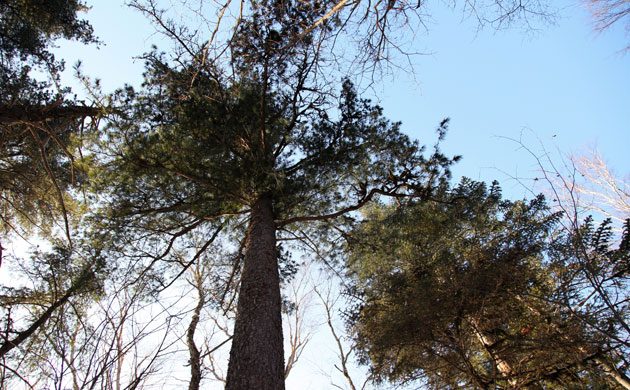
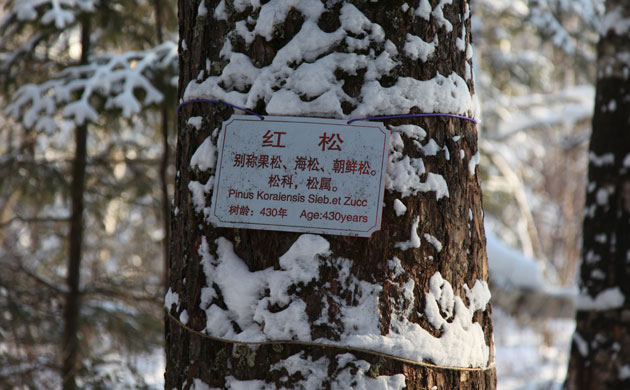
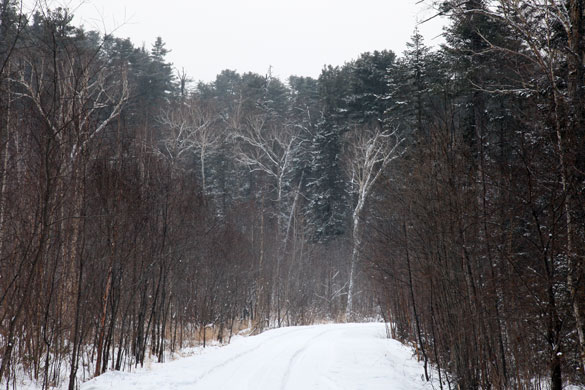
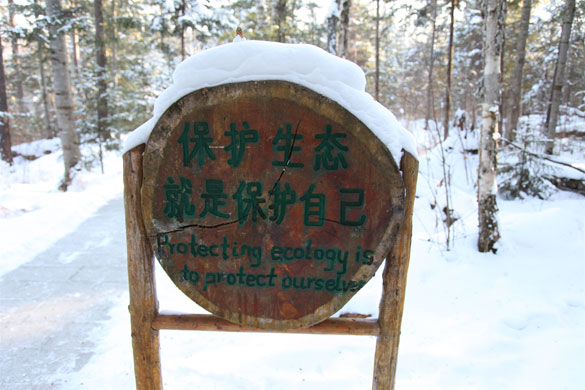
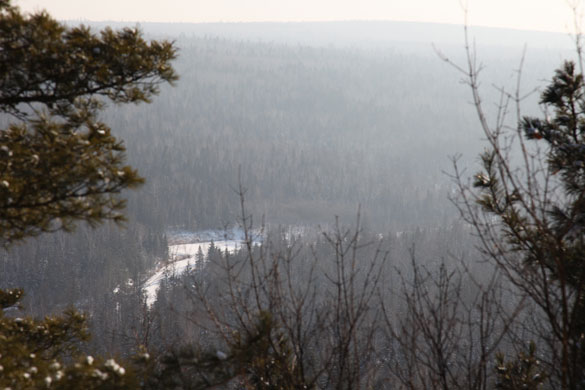
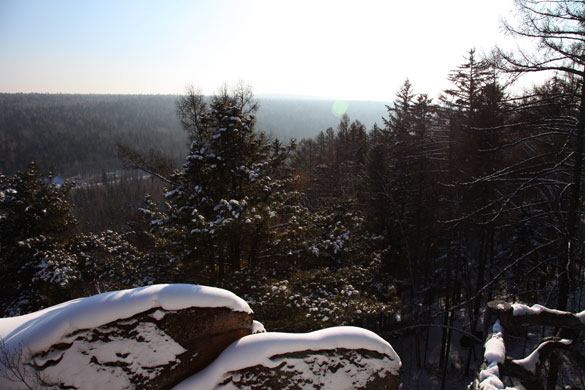
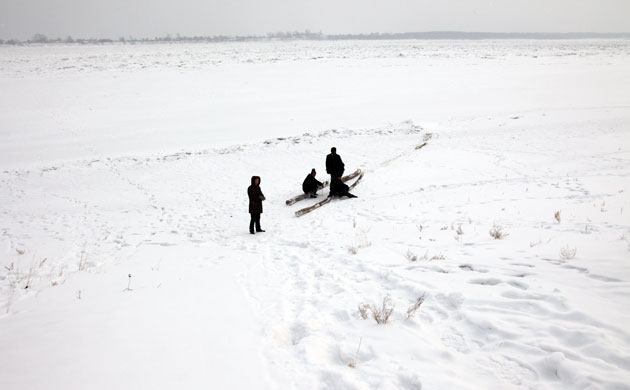
Although there are more trees in China, most of the new growth is of thinner, more vulnerable species. Their weakness was evident in snow storms last year that, by one estimate, wiped out almost 10% of the new forest stockPhotograph: Jonathan WattsKorean pine were once abundant in the Xiaoxingan forest. Numbers have been decimated by clear cutting, over-logging and a preference for faster growing species such as larch. Tangwanghe has established a system to sponsor individual Korean Pine trees. One hundred yuan (10 pounds) for life.Photograph: Jonathan WattsA Korean pine nature reserve near Yichun. Korean pine used to be the mainstay of the "Great Northern Wildnerness" which once stretched across an area bigger than northern Europe. Today they are protected in a few reservesPhotograph: Jonathan WattsRaising environmental awareness is one of the missions of the Tangwanghe National ParkPhotograph: Jonathan WattsTangwanghe National Park has spectacular views of the Xiaoxingan forests. From afar, it appears to be a broad forest in healthy condition. China wants to strengthen these forests as part of a shelterbelt for agriculture, popularly known as The Great Green WallPhotograph: Jonathan WattsThe main attractions at the Tangwanghe National Park are granite formations with colourful names, such as Kissing Boulders, Drunken Tortoise and Pine Teasing Golden ToadPhotograph: Jonathan WattsThe frozen Heilong river marks the border with Russia. Since China has restricted domestic logging, supplies of timber are increasingly coming from SiberiaPhotograph: Jonathan WattsThe frozen Heilong River marks the border with Russia. As buildings go up in Beijing, Shanghai, Guangzhou and Chongqing, the vast Taiga boreal forests of Siberia are being flattened. At current harvesting rates, the Russian Far East could be logged out in 20 years, according to a study by the Beijing Forestry UniversityPhotograph: Jonathan Watts
Sign up to read this article
Read news from 100’s of titles, curated specifically for you.