Russian President Vladimir Putin arrived in Beijing on Tuesday for a state visit just days after United States President Donald Trump concluded his own summit with Chinese President Xi Jinping.
Putin was welcomed by Chinese Foreign Minister Wang Yi and an honour guard at the airport in Beijing, with Chinese state media describing the trip as the Russian leader's 25th visit to China. The timing of the visit has drawn international attention as Beijing hosts two major world leaders within the space of a week amid growing geopolitical tensions involving the United States, Russia and China.
The visit also comes after Trump's trip to Beijing produced limited publicly confirmed agreements despite both sides describing the meetings positively. China's commerce ministry later described several trade and aviation proposals from the summit as 'preliminary', while the agreements did not include detailed timelines or binding commitments.
China And Russia Prepare Dozens Of Agreements
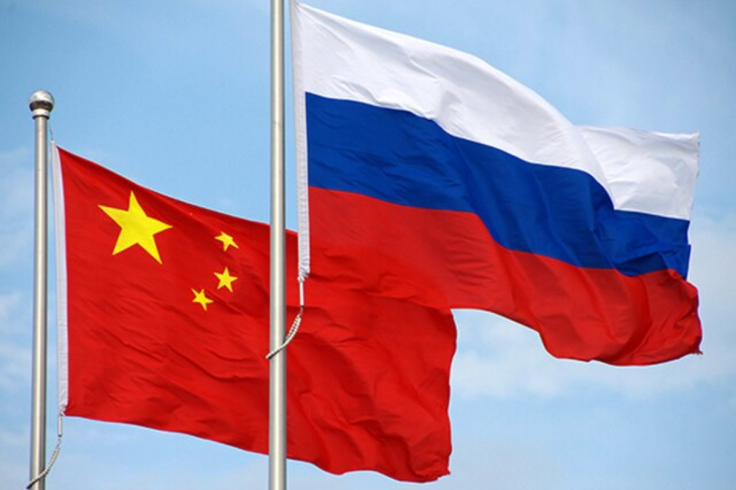
During the Beijing talks, the Kremlin said China and Russia were expected to sign around 40 bilateral agreements alongside a lengthy joint statement focused on strengthening political, economic and strategic cooperation between the two countries.
Russian officials said the discussions would include plans to expand trade using roubles and yuan as both countries seek to reduce reliance on Western financial systems amid sanctions linked to the war in Ukraine. Putin also described relations between Moscow and Beijing as reaching 'an unprecedented level' in remarks released before the visit.
The two leaders are additionally expected to discuss a joint declaration promoting what Russian officials described as a 'multipolar world order' and a new framework for international relations.
China has remained one of Russia's largest trading partners since the start of the war in Ukraine. According to the Centre for Research on Energy and Clean Air, China has purchased more than $367 billion (about £273 billion) worth of Russian fossil fuels since the conflict escalated.
Trump-Xi Summit Produced Limited Detail
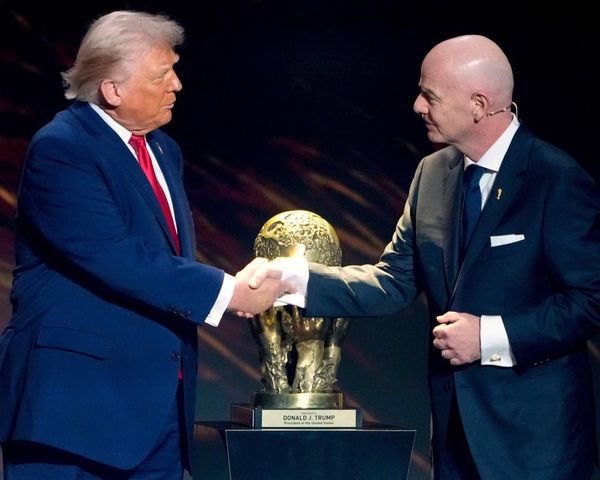
Putin's arrival followed Trump's state visit to Beijing earlier in the week, where the US president held talks with Xi focused on trade, investment and economic cooperation.
Trump later described the summit as successful and said China had agreed to purchase 200 Boeing aircraft. However, China's commerce ministry later stated that discussions surrounding tariffs, agriculture and aircraft arrangements were still being negotiated and would be finalised 'as soon as possible'.
Reuters reported that Chinese officials did not provide details regarding volumes, values or timelines linked to the proposed agreements.
The ministry also confirmed that both countries had discussed creating investment and trade boards aimed at negotiating reciprocal tariff reductions and resolving market access issues affecting agricultural products and aviation exports.
Despite the positive rhetoric from both governments, few concrete details emerged publicly from the summit.
Energy Projects Remain Central To Beijing Talks
One of the most closely watched topics during the summit is expected to be the proposed Power of Siberia 2 gas pipeline project. The planned pipeline would transport Russian natural gas to China through Mongolia and could significantly increase energy cooperation between the two countries. Russia views the project as important after losing access to several European energy markets following the war in Ukraine.
For China, the pipeline could provide an additional overland energy source at a time of continued instability affecting global shipping routes and energy supplies.
The visit also comes amid continued criticism from Western governments over China's economic relationship with Russia, particularly regarding trade involving dual-use goods with potential military applications.