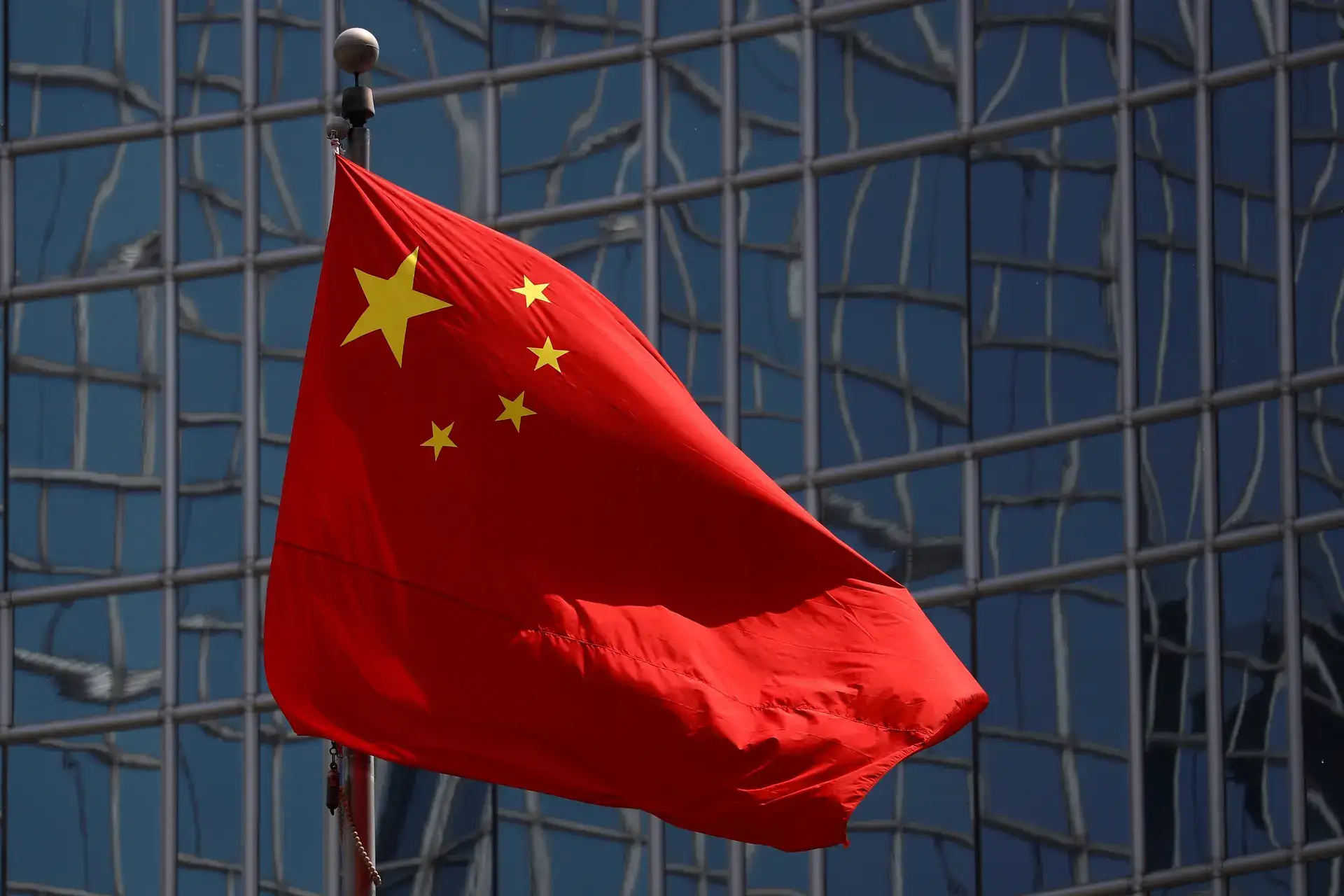
China expanded its trade secret rules to include data and algorithms, as Beijing steps up efforts to prevent technology leaks amid intensifying strategic competition with the US.
Effective Monday, the Regulations on Trade Secret Protection mark the first time Chinese law protects such digital assets as proprietary secrets, according to state broadcaster China Central Television.
The move, from the State Administration for Market Regulation, represents the latest step taken by Beijing to shield technologies seen as new pillars of the world’s second-largest economy.
The framework details strict security requirements for remote work and cross-border corporate collaborations. Companies must now implement protective measures, including by limiting file access by employee rank, hiding sensitive details and tracking user activity.
The rules also target infringement on trade secrets committed outside the country, though they did not specify how it would be enforced.
The People’s Daily, the ruling Communist Party’s flagship newspaper, praised the measures for adapting to the digital era.
“With the profound development of the digital economy, digital assets such as data, algorithms, computer programs, and code have become core trade secrets for enterprises,” the newspaper said in an article last week. It noted that electronic intrusion and remote scraping now frequently threaten corporate secrets.
Alongside the new rules, the market regulator launched a month-long enforcement campaign on Monday with a focus on key sectors such as biomedicine, semiconductor and AI. The agency vows to crack down on “malicious poaching” and employees who change jobs while carrying trade secrets.
The legal push underscores Beijing’s broader effort to lock down domestic innovation as China climbs the global value chain. On Monday, the cabinet released separate rules to strengthen oversight of outbound investment.
Those regulations prohibit domestic investors from transferring restricted goods, technology or data overseas without prior approval. Companies are also banned from providing technical training that facilitates such foreign exports.
Beijing is increasingly concerned about the loss of technology and talent overseas. In April, it ordered Meta Platforms Inc. to unwind its $2 billion acquisition of agentic AI startup Manus, which started out in China but relocated to Singapore. China is also restricting overseas travel for top AI professionals in private firms such as Alibaba Group and DeepSeek, Bloomberg reported.