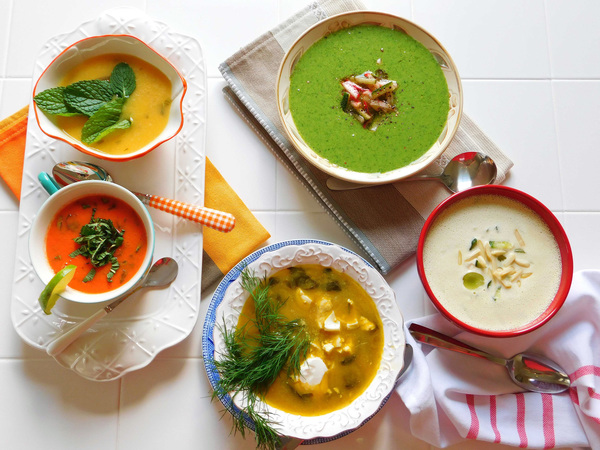
Hot soup is the quintessential comfort food, but there's nothing more welcoming than a bowl of chilled soup during scorching summer days.
Cold soups combine a wealth of fresh, seasonal ingredients and flavors in a quick, no-fuss, simple meal.
"Soup is a four-season food that isn't meant just for the cold days when you want to be cozy but also for the summer when you want something refreshing and easy and don't want to turn on the stove," says Julie Peacock, co-author of "The Soup Club Cookbook." It's a good genre of food _ it's an easy meal and way of combining lots of flavors in a bowl, she adds.
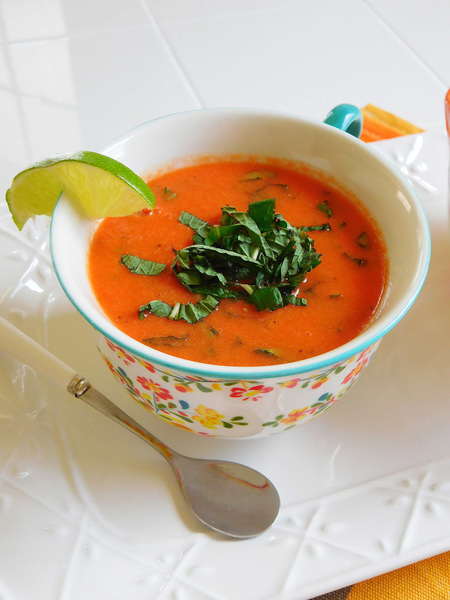
When we think of chilled soups the first thing that usually comes to mind is the renowned Spanish gazpacho _ the uncooked tomato-based soup with raw cucumbers, peppers and onion. Despite the extra chopping involved, Ms. Peacock favors the concoction because the end result packs a bold, chunky bite of savory summer flavors.
Trendier variations have expanded the cold soup menu in recent times. There are savory purees including the classic vichyssoise crafted by Chef Louis Diat at the Ritz-Carlton Hotel in New York in the early 20th century. Sassy, textured raw vegetable creations are on the list, while cooked then chilled soups are always a convenient option. And then there are the semi-sweet fruit purees and raw fruit-based soups served as desserts.
Cold soups are supposed to excite your appetite, not satiate your hunger, and therefore are served primarily as starters or accompaniments. Occasionally they can be the main attraction of the meal. "They are also a nice finisher and palate cleanser and can act as a digestif at the end of a meal," Peacock says.
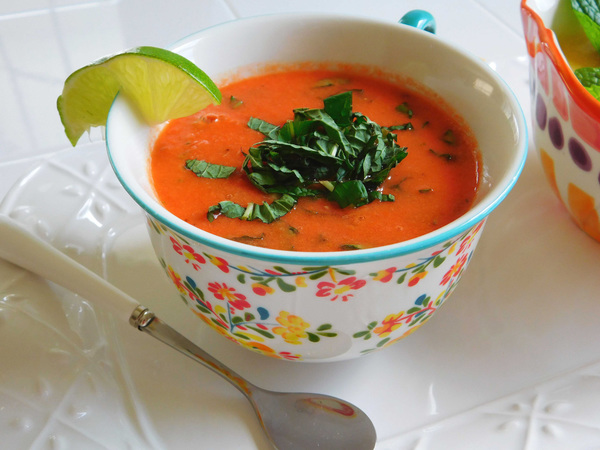
You can make a plethora of things with chilled soups, yet, to a novice it can still be a surprising sensation when tasting a cold soup, especially given the texture and fresh, uncooked ingredients, says Mikhail Istomin, marketing director at the Uzbek restaurant Kavsar in Pittsburgh's Mount Washington.
The rule of thumb for cold soups is fresh ingredients, he says. Fresh kefir (liquid) and yogurt also are important when making milk-based broths, he says. Peacock stresses the importance of seasonal and high-quality ingredients when whipping up chilled soups. Moreover, it's key to use citrus to bring that next level of zing, and be liberal with fresh herbs for that extra brightness. Add plenty of seasoning and don't forget to factor in the time to chill the soup and allow the flavors to mingle, she says.
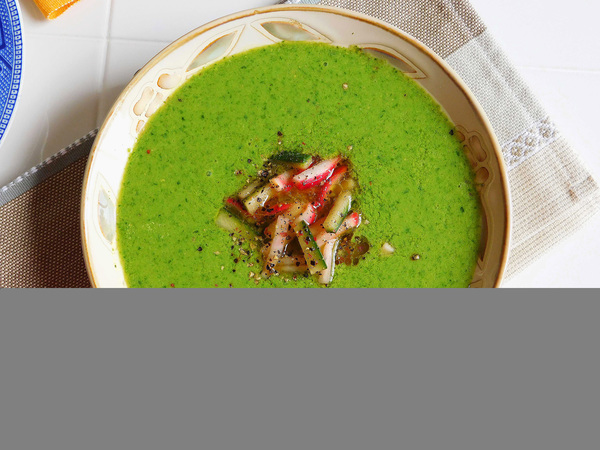
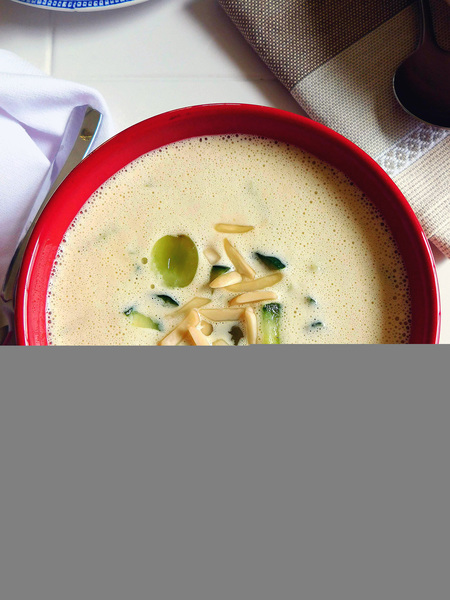
When it comes to combinations, there's a world of possibilities. Peacock opts to combine vegetables and herbs such as cucumber and yogurt, tomato, basil and parsley; avocado, arugula and cilantro; or melon and mint. You can always turn your salad into soup with a mix of lettuces and herbs, thicken the puree with yogurt and top it with a colorful salsa. Combine sweet melons with vegetables and brighten the flavor with splashes of lime or lemon juice. Spike peaches with prosecco and cool mint or drown crimson berries in a pool of red wine. For a vegan approach, try a blend of bread, almonds, garlic, vinegar, water and olive oil.
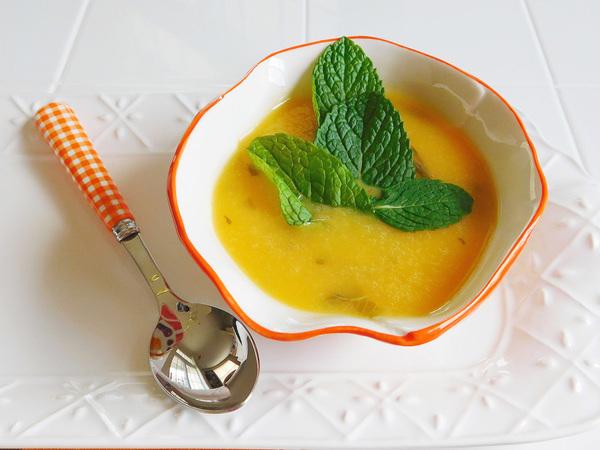
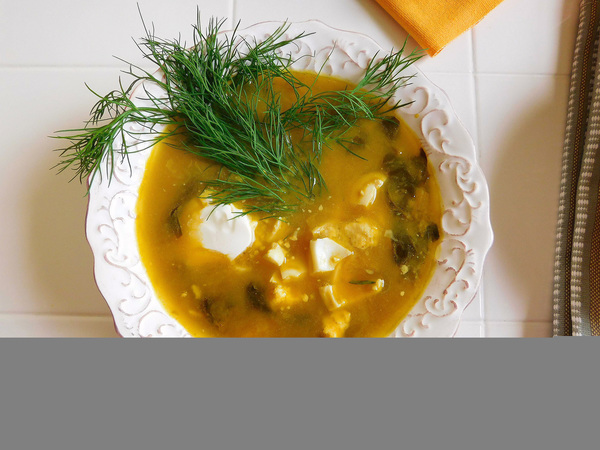
Countries around the world embrace the cold soup tradition. Ukraine is proud of its sorrel soup, Russia is famous for its beet borsch, while Uzbekistan revels in its okroshka, a traditional mixture of raw vegetables served in a milk-based, tangy cold broth. It can be vegetarian or speckled with chunks of beef for a meaty version. In Pittsburgh, chef Tahmina Umaralieva of Kavsar serves an authentic family recipe of okroshka.
But regardless of country, technique or type of soup, plenty of seasoning is vital as cold soups tend to showcase a dull edge with flavors lessening in the cold, Peacock says. Amp up the taste of soups with a wide array of garnishes; top them with tangy vegetables, hard-cooked eggs, dollops of sour cream and seafood. Sprinkle purees with herbs such as mint, basil or dill, add a dash of citrus and toss in some toasted nuts. For a brave punch, finish the dish with a pinch of red pepper flakes.
You might want to avoid loads of animal fat or butter in cold soups as they tend to envelop your mouth in an unpleasant way.
Don't be intimidated to make cold soups. "If you can make a margarita you can make a cold soup," Peacock says. At the very least, get out of your comfort zone and try chilled soups. It will be a challenge, but you will be pleasantly surprised, Istomin adds.