Chilean Patagonia and the way of life under threat by dams
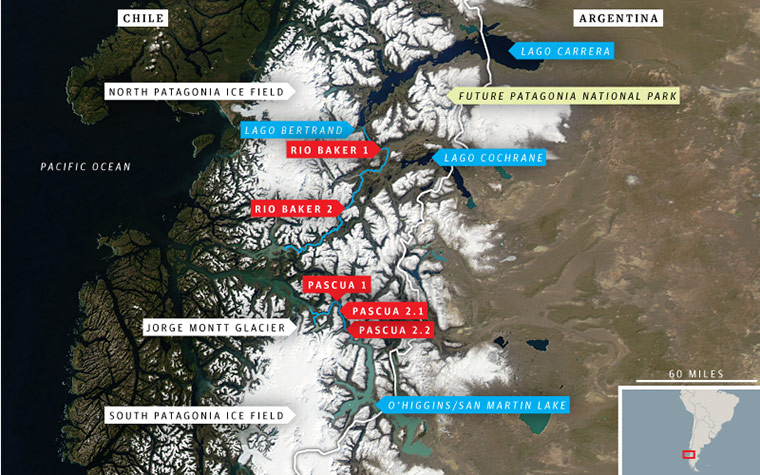
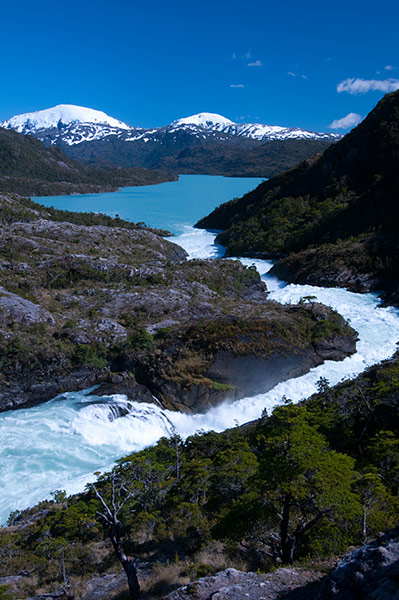
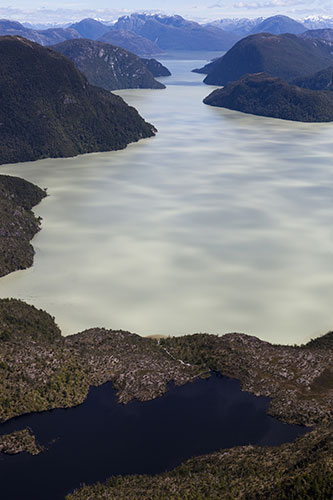
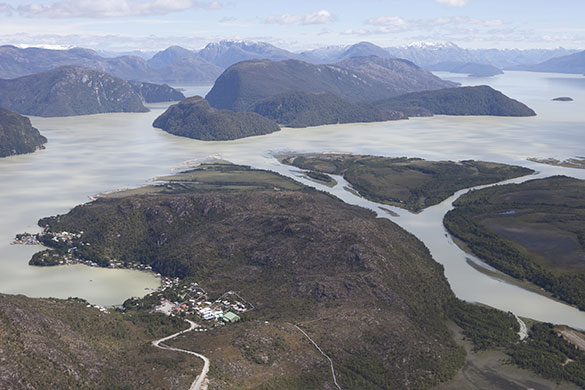
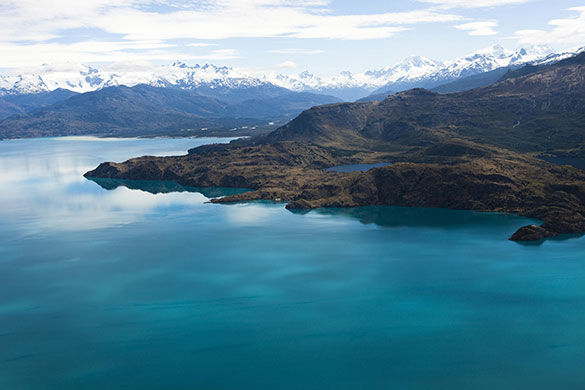
In total, five hydroelectric dams are planned, three for the Pascua river and two for the Baker. Some of these dams would be more than 1,500 miles from the central grid to which the electricity will be sent. Both rivers are fed by, and they flow in between, the world’s two largest ice caps outside Greenland and Antarctica Photograph: MODIS/NASA/GuardianAysén, Chile. Headwaters of the Pascua river start at Lago O'Higgins (known as Lake St Martin in Argentina). The lake is the deepest in the Americas, with a maximum depth of 836ms near O'Higgins glacier. Its characteristic milky light-blue colour comes from rock flour suspended in its watersPhotograph: Daniel Beltra/iLCPSouthern Chile, south of O'Higgins, the site at the headwaters of the Pascua river where three dams are proposedPhotograph: Bridget Besaw/iLCP
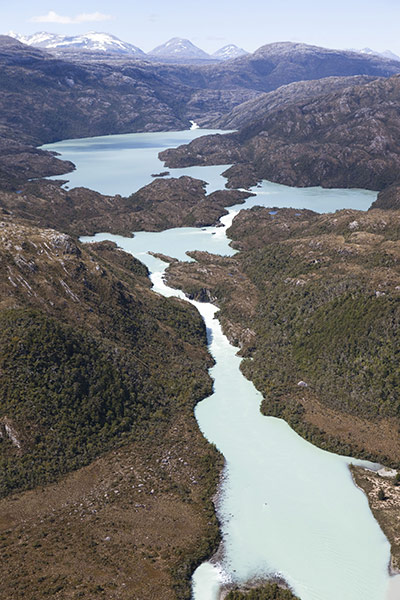
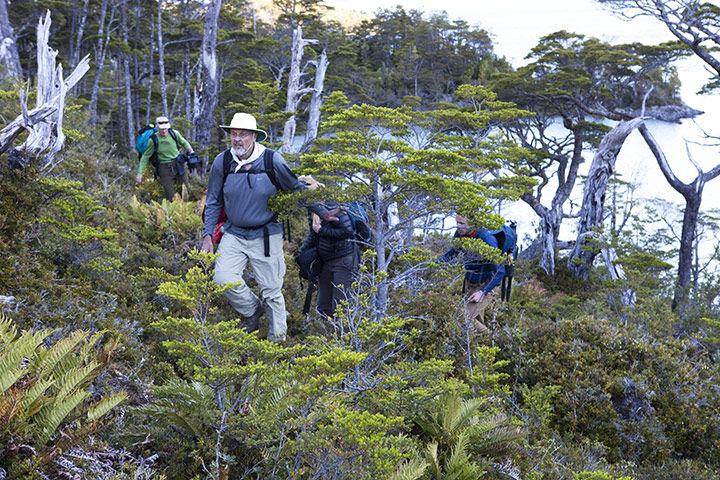
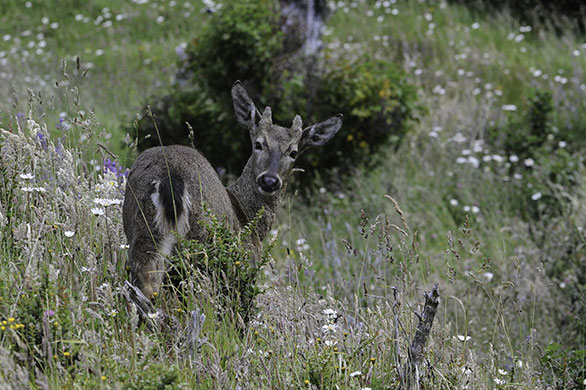
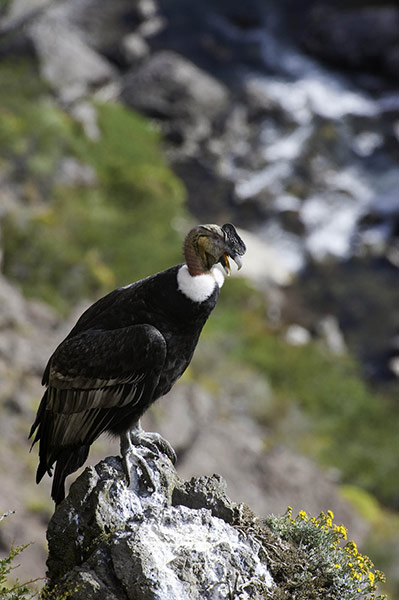
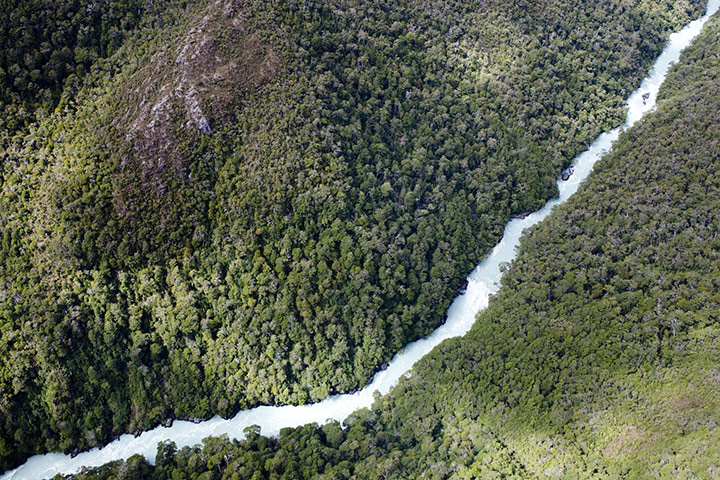
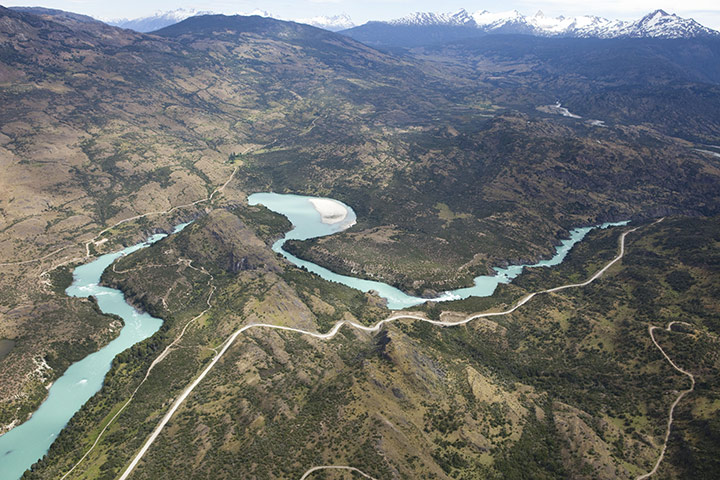
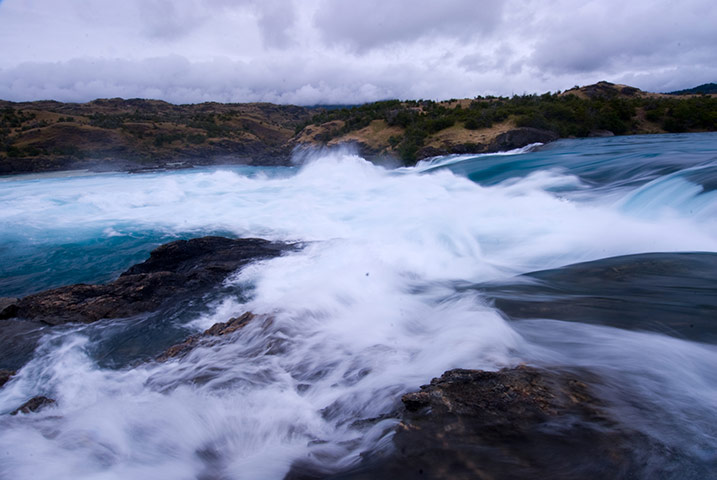
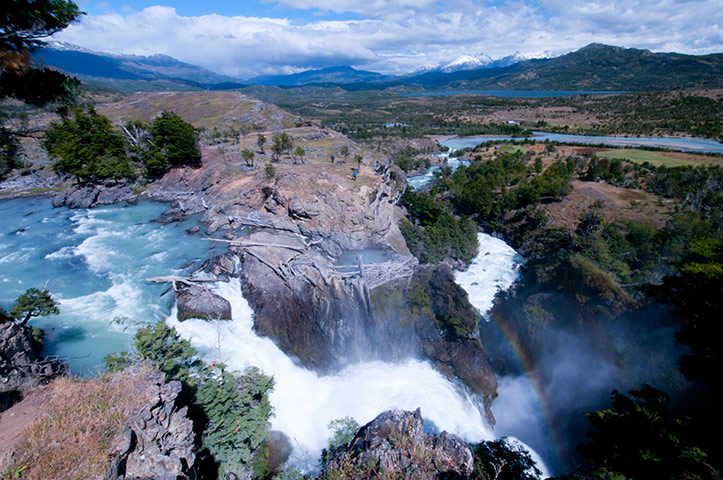
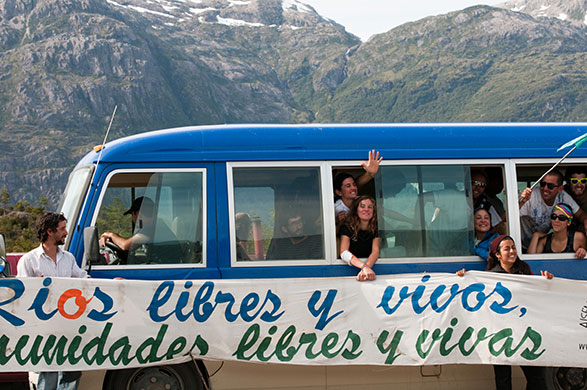
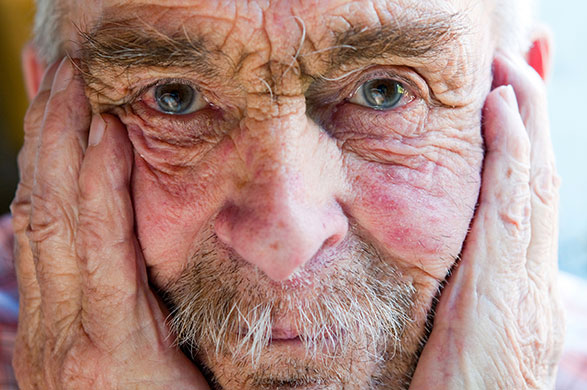
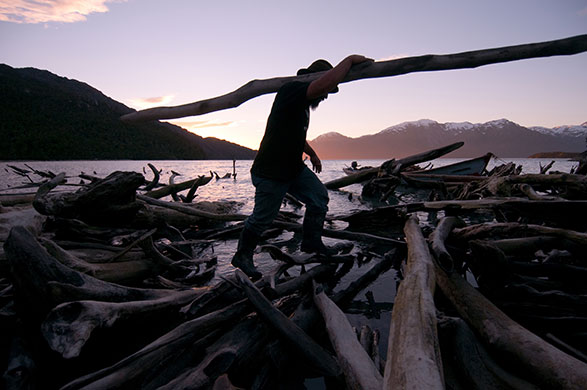
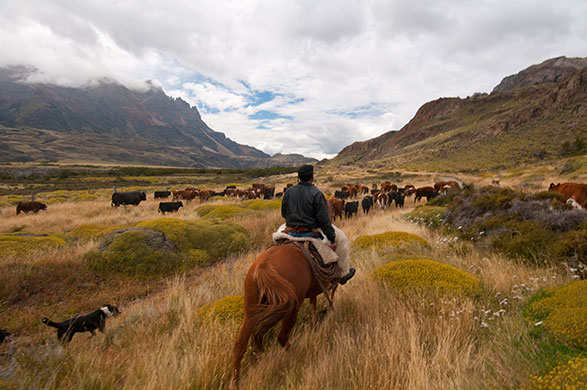
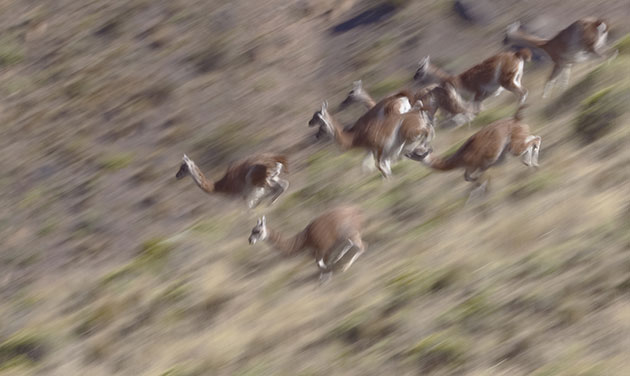
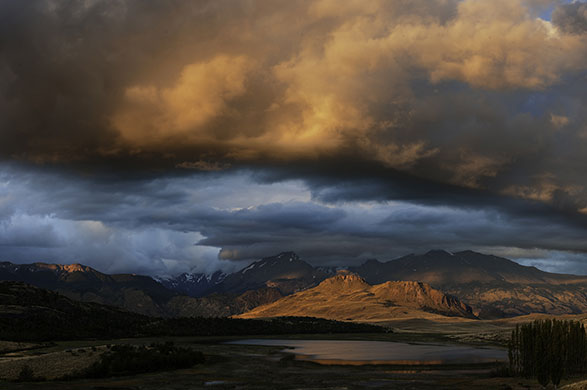
Aysén, Chile. The three dams on the Pascua river would create artificial lakes flooding more than 1,600 hectares (about 4,000 acres). Flooded lands would include some of the world’s rarest forest types, including the critically endangered plants. Other rare species that would be harmed by the Pascua dams include the torrent duck and the white-bellied seedsnipePhotograph: Daniel Beltra/iLCPThe Rave team walks through a marshy area called mallín where magellanic coigue and guaiteca cipres growPhotograph: Daniel Beltra/iLCPThe Huemul deer. This is a rare animal that survives only in remote, fragmented habitats – such as the basins of the Baker and Pascua riversPhotograph: Jeff Foott /iLCPThe Andean condor is considered near threatened by the IUCN despite being the national symbol of Chile as well as Peru, Argentina, Bolivia, Chile, Colombia and EcuadorPhotograph: Jeff Foott /iLCPAysén, Chile. Pascua river (lake Quetru area). A view from above the areas that would be affected by the Hydroaysen projectPhotograph: Daniel Beltra/iLCPRio Baker, where the Pascua and Baker rivers end Photograph: Daniel Beltra/iLCPAysén, Chile. The Baker river estuary area, including the village of TortelPhotograph: Daniel Beltra/iLCPAysén, Chile. The Baker river near the confluence with the river Nef. The two dams on the Baker river would create artificial lakes flooding more than 4,300 hectares (about 10,700 acres). Flooded areas would include some of the best agricultural and ranching lands of the regionPhotograph: Daniel Beltra/iLCPThe Baker river near one of the proposed dam sitesPhotograph: Bridget Besaw/iLCPRio Salto falls, a tributary of the BakerPhotograph: Bridget Besaw/iLCPLake General Carrera is fed from the north Patagonian ice field flight Photograph: Daniel Beltra/iLCPA group of activists travelling from Chaiten to Tortel, from the headwaters of the Baker river to the delta, in protest against the proposed Hydrosen dam projectPhotograph: Bridget Besaw/iLCPActivist Jose Cadagan in his home in Cochrane, Chile. Cadagan is a passionate speaker against the proposed dams that would be placed nearby on the Baker riverPhotograph: Bridget Besaw/iLCPActivist Augusto Hernandez. In the tiny town of Tortel, the 500 residents can either cut the dwindling resources of remaining cypress forest for fire wood, or they can collect the plentiful resource of driftwood from the many beaches just a short boat ride away. Collecting this wood is a way of life in this area. Most people spend at least one day a week making the trip by boat to harvest wood. Many there fear that the development and large, rapid influx of new people to this area will drastically change their way of life Bridget Besaw/iLCPThe last remaining gaucho and his family herd the sheep and cattle that feed the staff at the Estancia Chacabuco. This ranch, previously one of the largest in Chilean Patagonia, is now becoming the new Patagonia national park. The process of creating the park involves removing fences and most of the animals from the property to allow these grasslands to healPhotograph: Bridget Besaw/iLCPChacabuco guanacos. The guanaco is a camelid native to the arid, mountainous regions of South AmericaPhotograph: Jack Dykinga/iLCPA view of Chacabuco lagunas at sunsetPhotograph: Jack Dykinga/iLCPViscacha are closely related to chinchillas, and look similar to rabbitsPhotograph: Jeff Foott /iLCP
Sign up to read this article
Read news from 100's of titles, curated specifically for you.