Get all your news in one place.
100’s of premium titles.
One app.
Start reading
Reuters
Reuters
Environment
Natalia A. Ramos Miranda

Chile's trashpickers say recycling latest casualty of coronavirus

A rubbish recycler waits for a truck transporting the materials at a recycling centre, amid the spread of coronavirus disease (COVID-19) in Santiago, Chile May 15, 2020. REUTERS/Ivan Alvarado

Trashpickers in Chile are warning that recycling, never popular in the far-flung South American nation, is poised to become the latest casualty of the coronavirus pandemic.

Nearly 5,000 of Chile's trashpickers, organized under a collective called the "Recycling Movement," say they fear city dwellers quarantined inside their homes are increasingly opting for the trash can instead of the recycling bin.
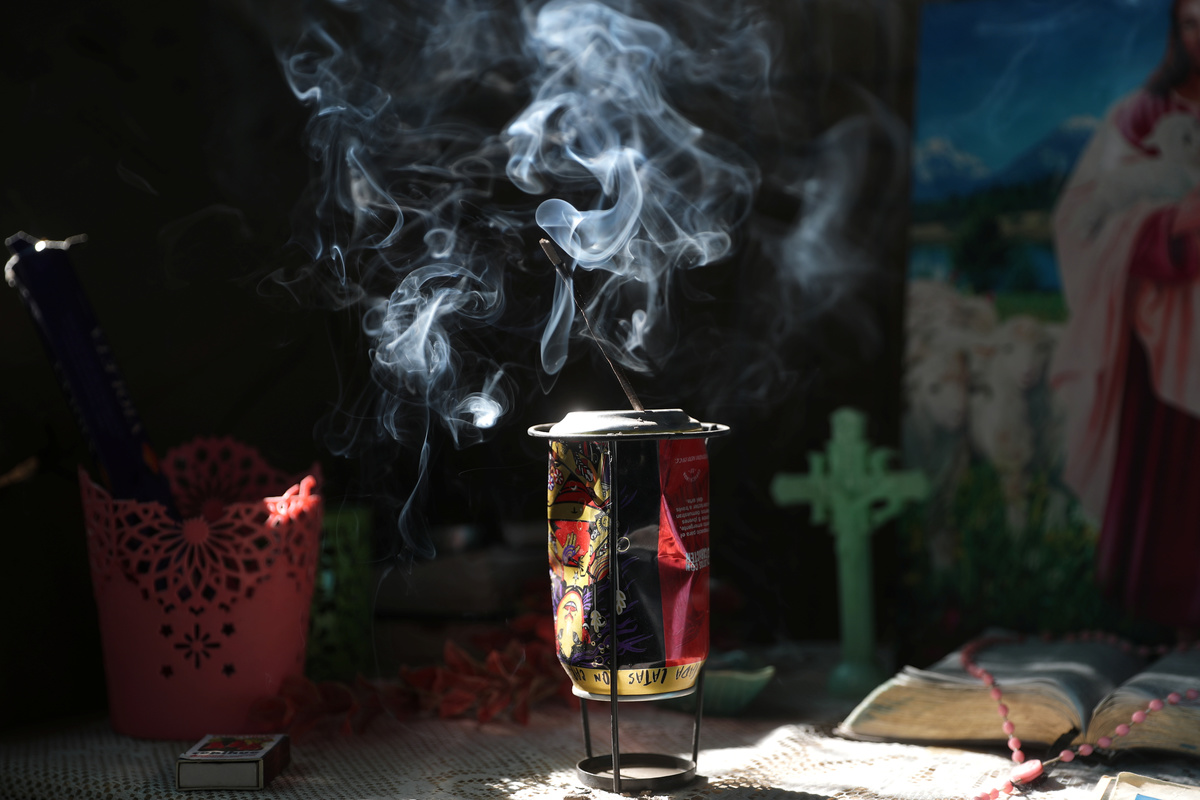
A used beer can containing an incense stick sits on a religious altar made by rubbish recyclers at a recycling centre, amid the spread of coronavirus disease (COVID-19) in Santiago, Chile May 15, 2020. REUTERS/Ivan Alvarado

Few places in Chile pick up recyclables at curb-side. Instead, most citizens must walk or drive to designated drop-off points throughout cities. Many of the sites have been shuttered amid lockdown measures to combat the spread of coronavirus.

"The drop in recycling has been shocking," group leader Soledad Mella told Reuters at a recycling center in the municipality of Maipú, a poor western neighborhood of ​​Santiago.

Chile is among Latin America´s biggest trash producers, according to 2018 World Bank statistics, but it recycles or composts less than 1% of that waste. The United States, by contrast, recycles 35% of its rubbish, according to U.S. Environmental Protection Agency figures.
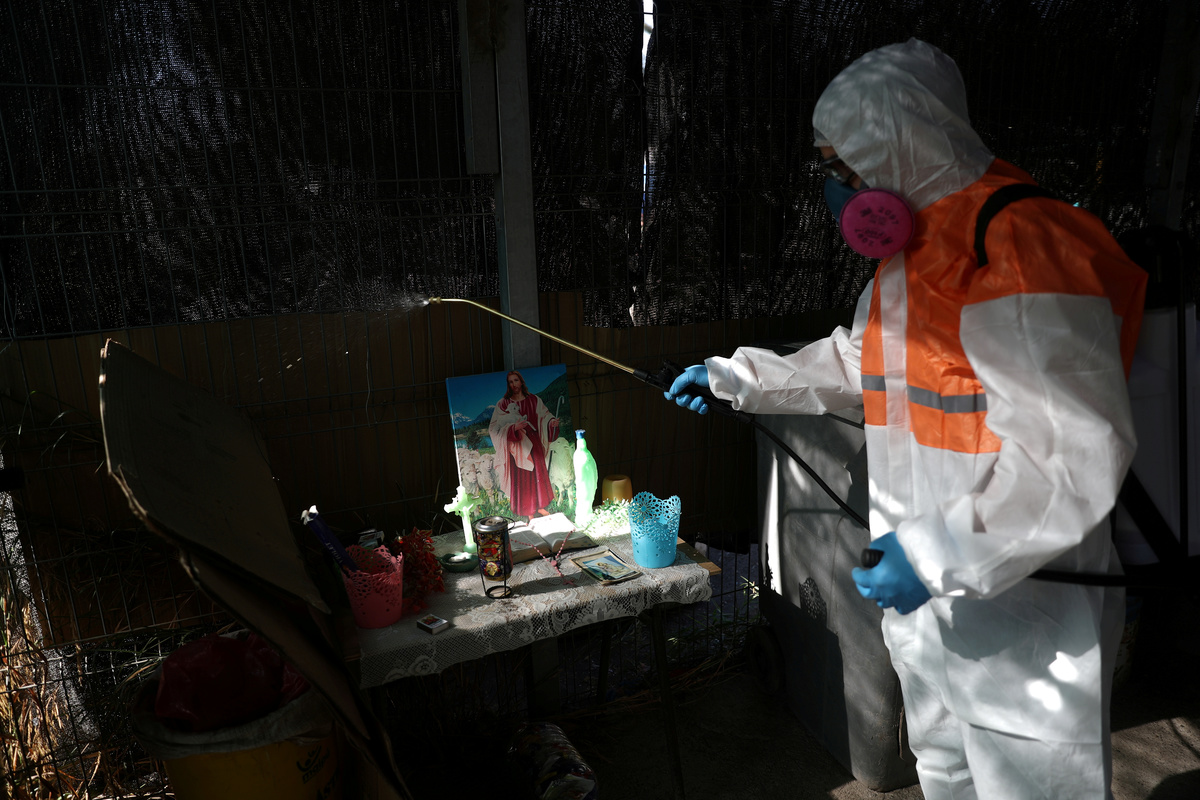
A worker wearing a preventive suit applies disinfectant next to a religious altar made by rubbish recyclers with the materials, at a recycling centre, amid the spread of coronavirus disease (COVID-19) in Santiago, Chile May 15, 2020. REUTERS/Ivan Alvarado

Chilean trashpickers, who help sort plastic, metal, glass, paper and cardboard at the local recycling centers, say their livelihoods are also at risk as the relatively few people that once recycled abandon the practice.

"The situation is only going to get worse," said Mella, explaining that the fast-approaching southern hemisphere winter normally sees a sharp drop in recycling even in the best of years.

Many of Chile´s trash pickers also roam the streets with ramshackle shopping carts, even in the most upscale of neighborhoods, rummaging through garbage cans, a risky practice made worse by coronavirus.
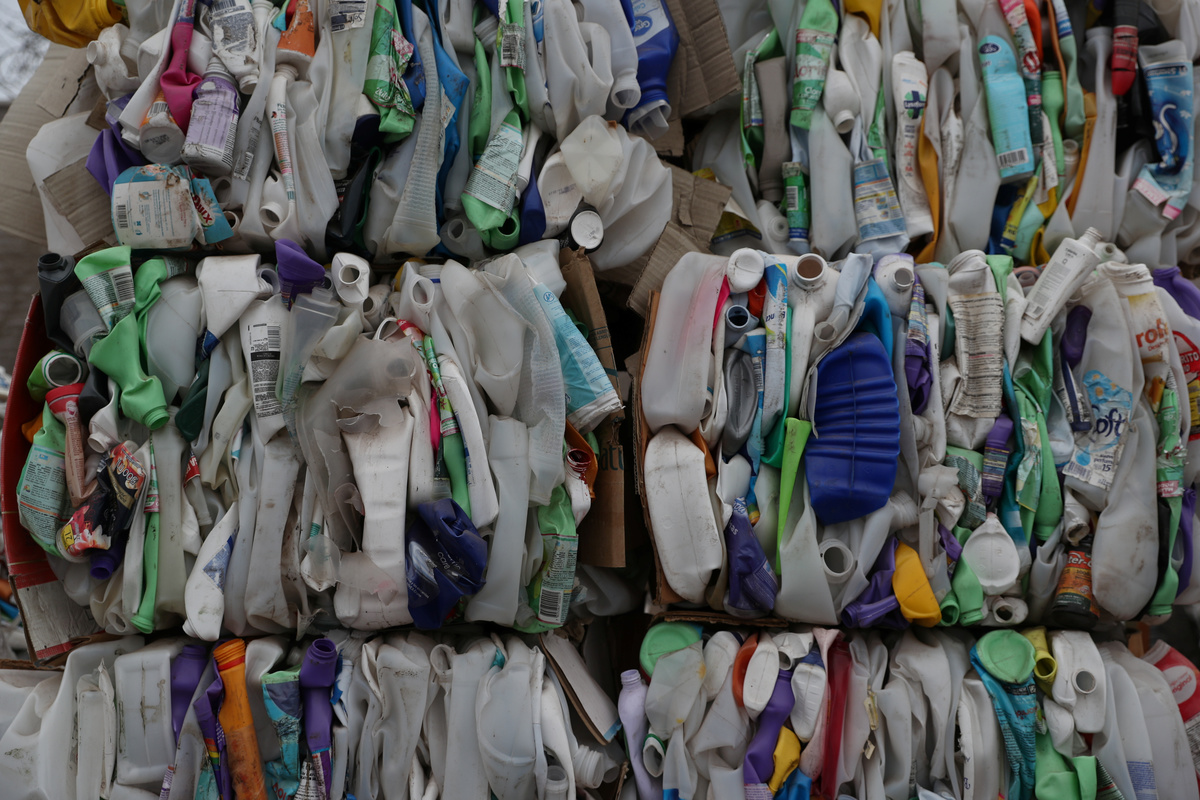
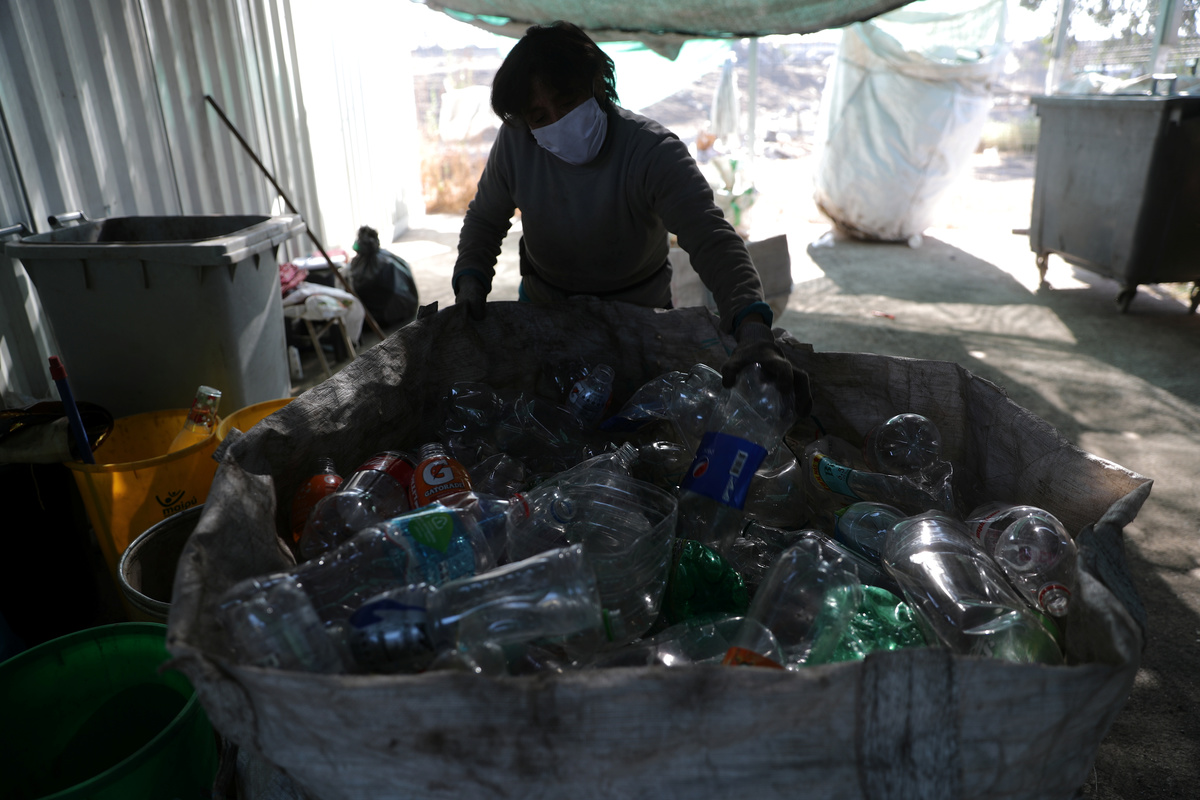
Plastic bottles are piled ready to deliver to a processing plant from a recycling centre, amid the spread of coronavirus disease (COVID-19) in Santiago, Chile May 19, 2020. REUTERS/Ivan Alvarado

Chile´s environment ministry nonetheless recently declared the collection and processing of recyclables as an "essential" activity that could continue during lockdown periods.

"We live from this. If they shut us down, I´ll have no work, with my two children at home," said Jessica Cataldo, 54, who for a decade has been dedicated to sorting trash.

In normal times, Cataldo says she earns about $300 per month, well below the minimum wage.
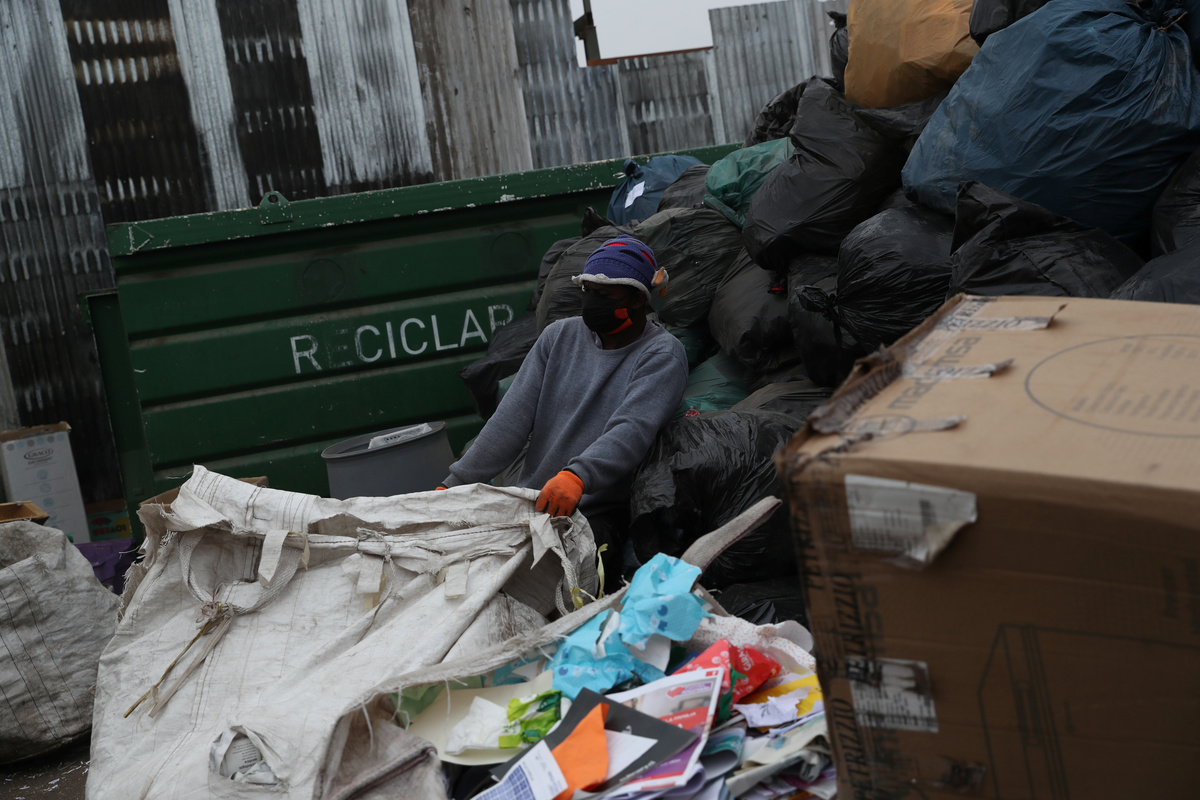
A rubbish recycler drags a sack containing the materials at a recycling centre, amid the spread of coronavirus disease (COVID-19) in Santiago, Chile May 19, 2020. REUTERS/Ivan Alvarado

"I hope I am wrong, but I don't think there is going to be much recycling," she told Reuters at a recycling center in Maipu, adjusting her mask with gloveless fingers. "I think people are going to throw everything away."

(Reporting by Natalia Ramos, writing by Dave Sherwood; editing by Diane Craft)
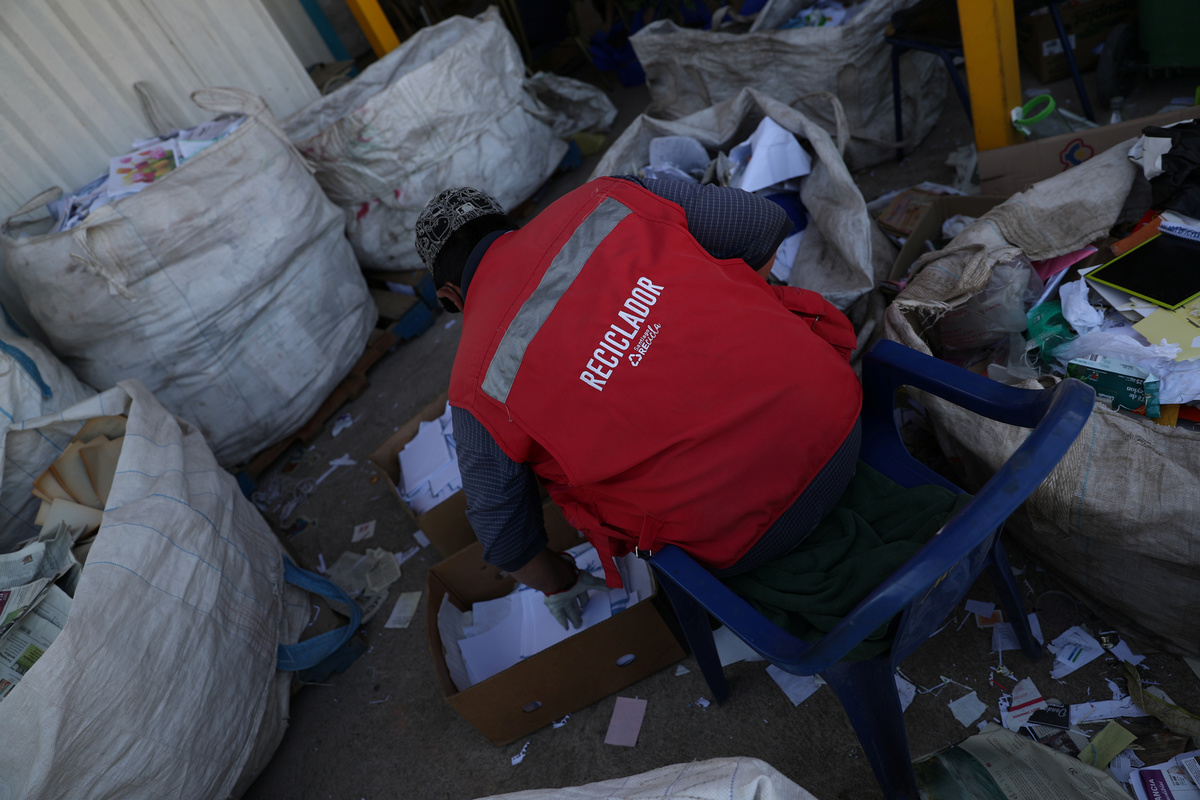
A rubbish recycler classifies paper at a recycling centre, amid the spread of coronavirus disease (COVID-19) in Santiago, Chile May 15, 2020. REUTERS/Ivan Alvarado
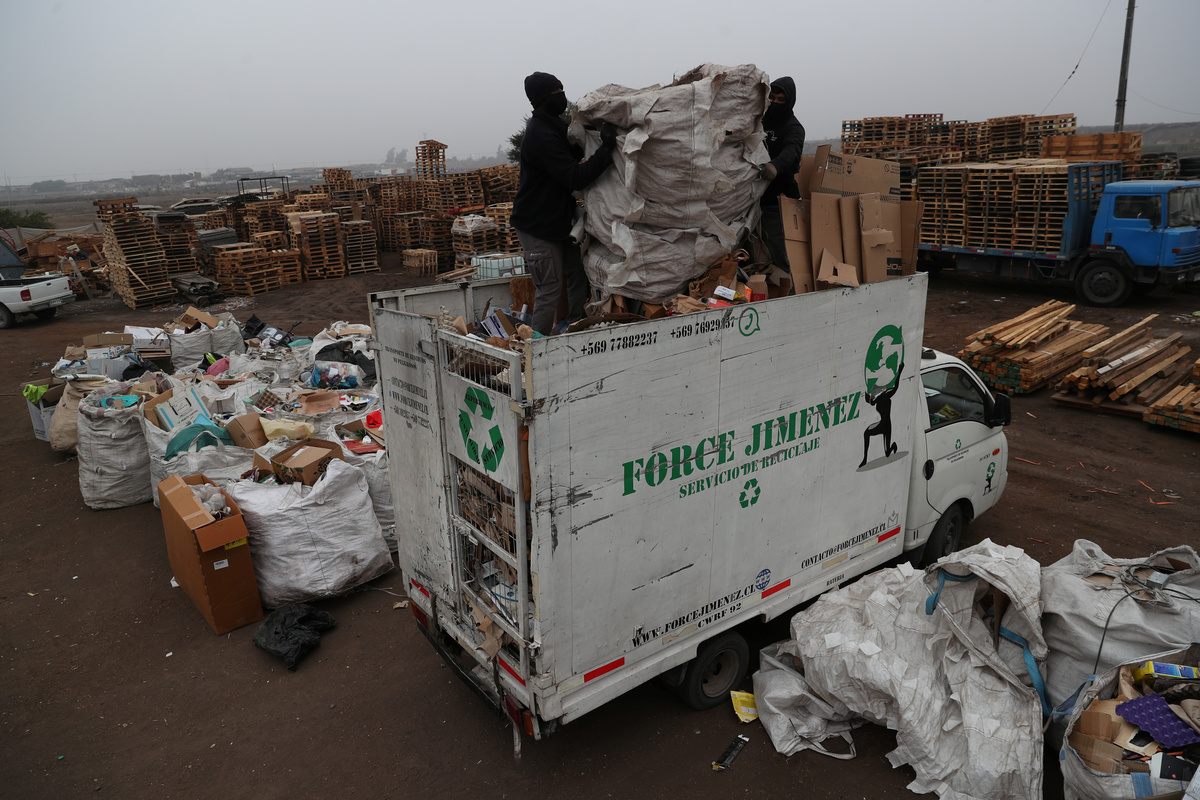
Rubbish recyclers load a truck with cardboard to deliver it to a processing plant from a recycling centre, amid the spread of coronavirus disease (COVID-19) in Santiago, Chile May 19, 2020. REUTERS/Ivan Alvarado
A rubbish recycler prepares a sack containing plastic bottles at a recycling centre, amid the spread of coronavirus disease (COVID-19) in Santiago, Chile May 15, 2020. REUTERS/Ivan Alvarado
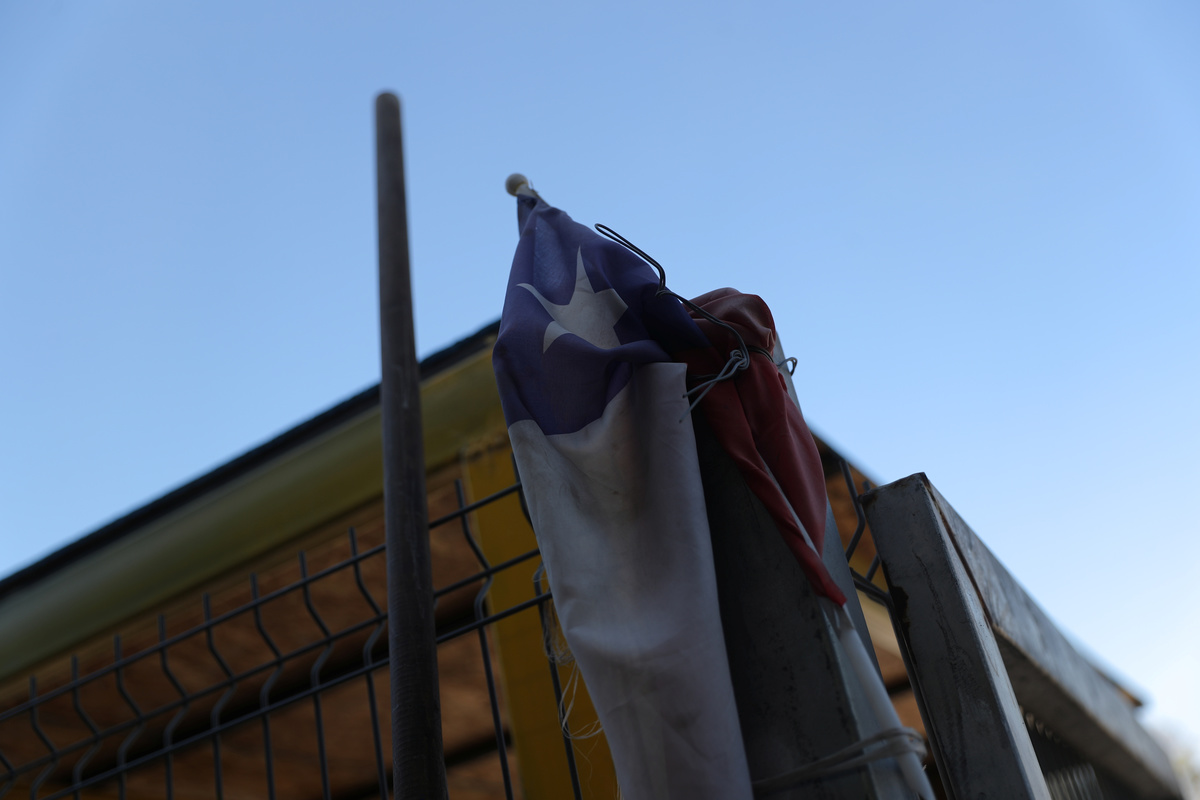
A Chilean flag hangs on a fence at a recycling centre, amid the spread of coronavirus disease (COVID-19) in Santiago, Chile May 15, 2020. REUTERS/Ivan Alvarado
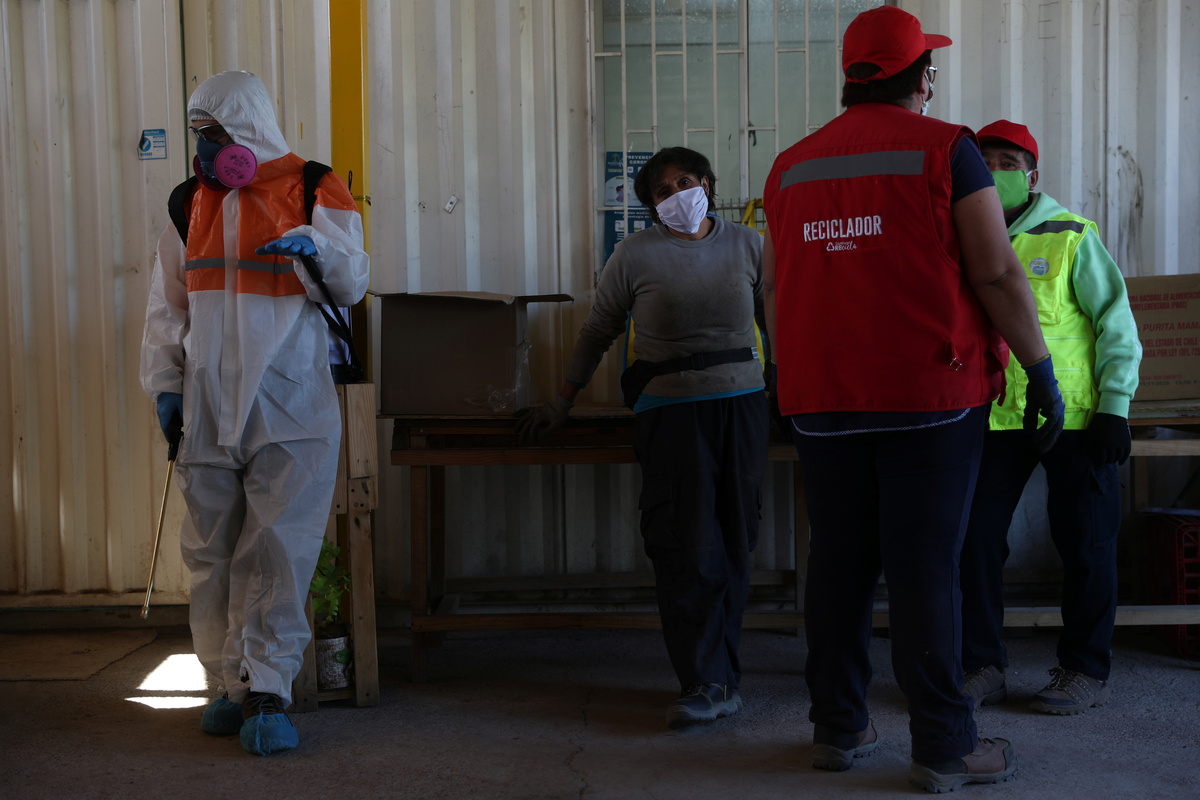
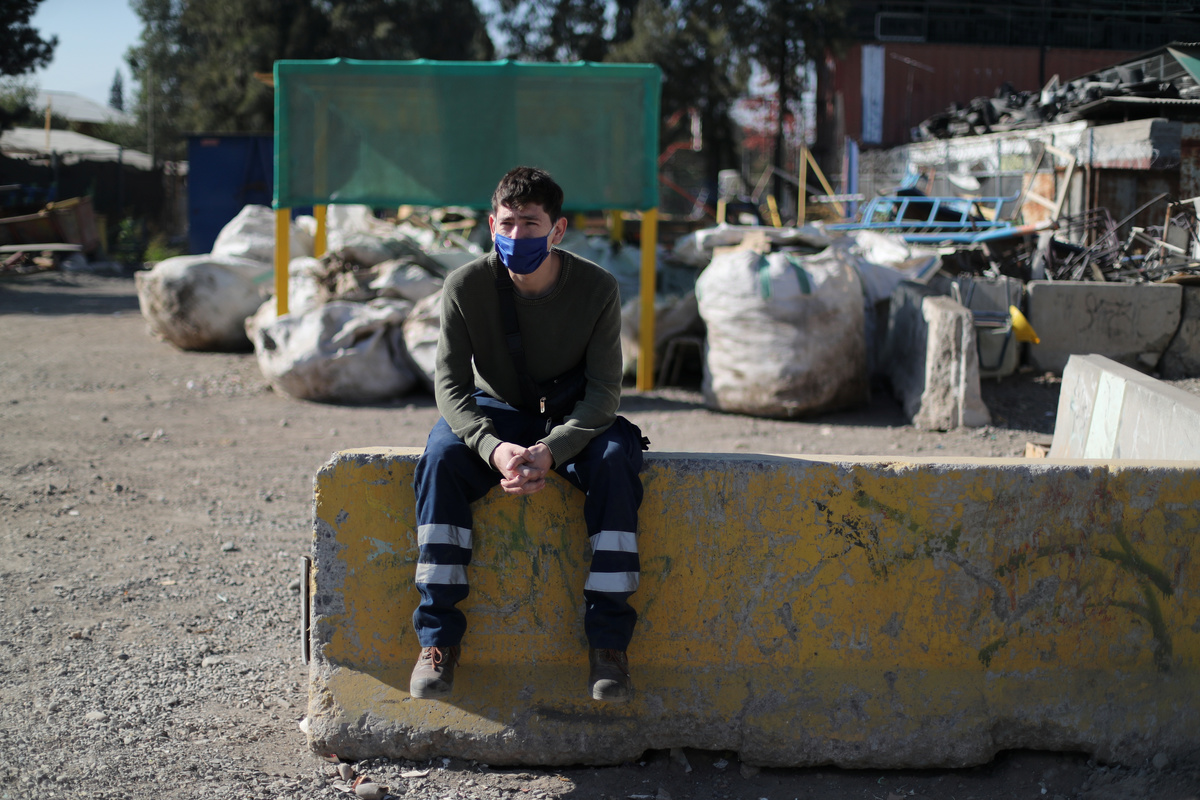
Rubbish recyclers take a break as a worker wearing a preventive suit prepares to start to apply disinfectant at a recycling centre, amid the spread of coronavirus disease (COVID-19) in Santiago, Chile May 15, 2020. REUTERS/Ivan Alvarado
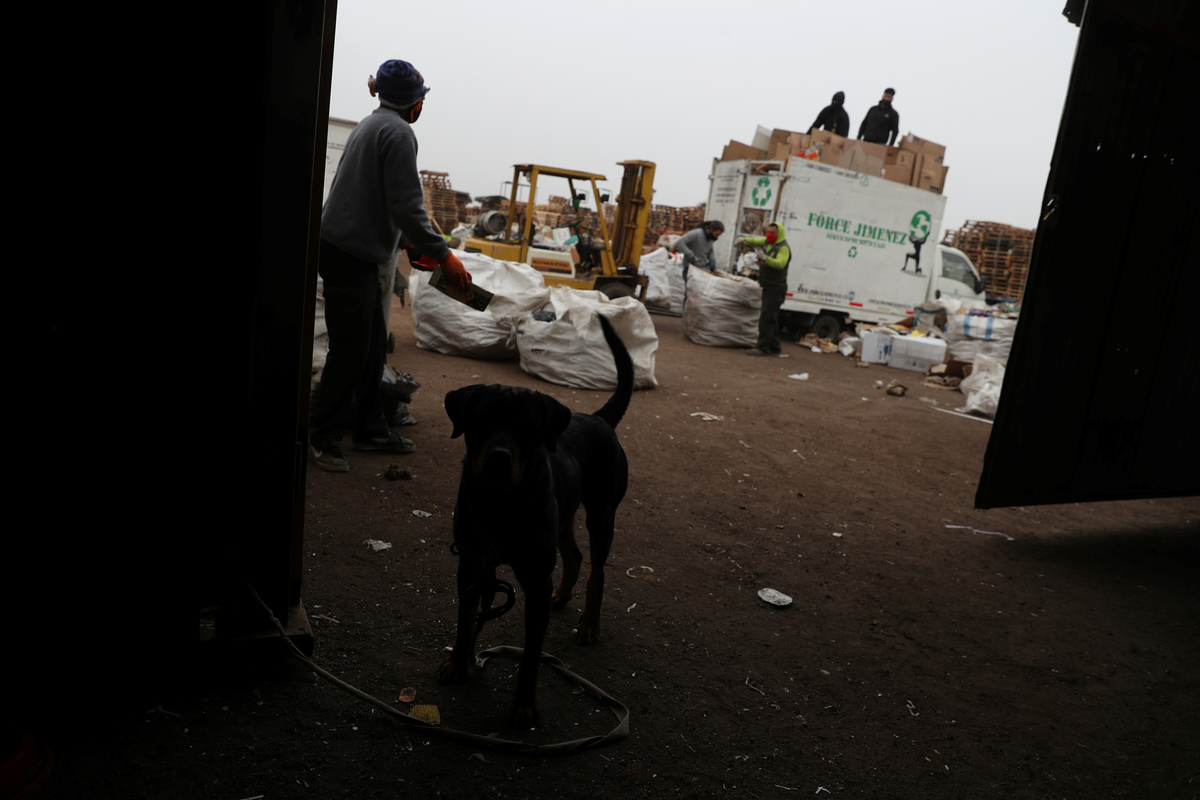
A dog guards an access as rubbish recyclers load a truck with cardboard to deliver it to a processing plant from a recycling centre, amid the spread of coronavirus disease (COVID-19) in Santiago, Chile May 19, 2020. REUTERS/Ivan Alvarado
Sign up to read this article
Read news from 100’s of titles, curated specifically for you.
Already a member? Sign in here
Related Stories
Top stories on inkl right now
One subscription that gives you access to news from hundreds of sites
Already a member? Sign in here
Our Picks
Fourteen days free
Download the app
One app. One membership.
100+ trusted global sources.