Chile's top health official said on Monday that a patient recovered from COVID-19 had little chance of contracting the disease again for least three months, flaunting guidance from World Health Organization scientists who warn of scant evidence for such claims.
Chile is preparing this week to roll out some of the world´s first "release certificates" for recovered patients. Health officials say they are not "immunity cards" but have previously suggested they will indicate some degree of resistance to the disease.

Health minister Jaime Manalich said he and U.N. health agency officials had met and agreed there was no way to guarantee immunity. But he cited data from China and South Korea that point to shorter-term protection for those who survive the disease.
"The probability that a person becomes ill again, or that someone else becomes ill, becomes very remote. How long? A minimum of three months," Manalich told reporters at a daily briefing.
Manalich, a kidney specialist who once ran one of Chile´s top hospitals, said the certificates Chile planned to issue would follow antibody tests and at least help identify those who have already had the disease.
The World Health Organization said last week there was no evidence to support any claims of immunity and warned against giving false hope to survivors or those who come in contact with them.
Dr. Mike Ryan, the WHO´s top emergencies expert, reiterated those concerns in Geneva on Monday, saying it was easier to prove that someone had the disease than to show they were immune.
"The scientific question is, ´To what extent does having had that infection offer you protection against another infection?'" Ryan said. "That is the question that still needs to be addressed."
Ryan said scientists expect antibodies to lend some protection. But he said it was not yet clear how long that immunity might last, or to what extent it might protect a recovered patient from contracting the disease again.
Chile has yet to say what guarantees the certificates might offer to those who possess them, or when they might expire.
A spokeswoman for the Health Ministry declined to give more details.
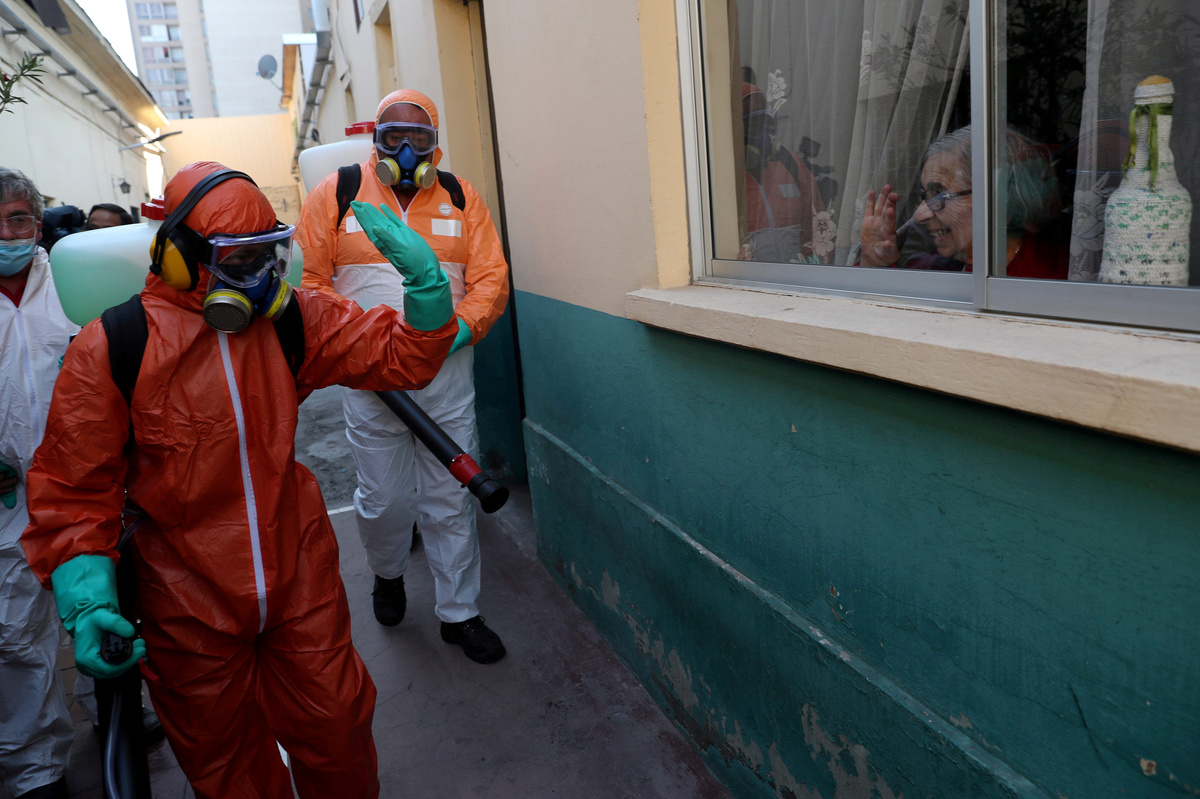
Chile has been widely praised for its approach to combating the coronavirus, including widespread testing, flexible region-specific quarantines and quick action to secure additional ventilators.
The country has confirmed nearly 14,000 cases of the viral infection since the outbreak began in early March, and 198 deaths.
(Reporting by Dave Sherwood and Stephanie Nebehay; Editing by Dan Grebler)