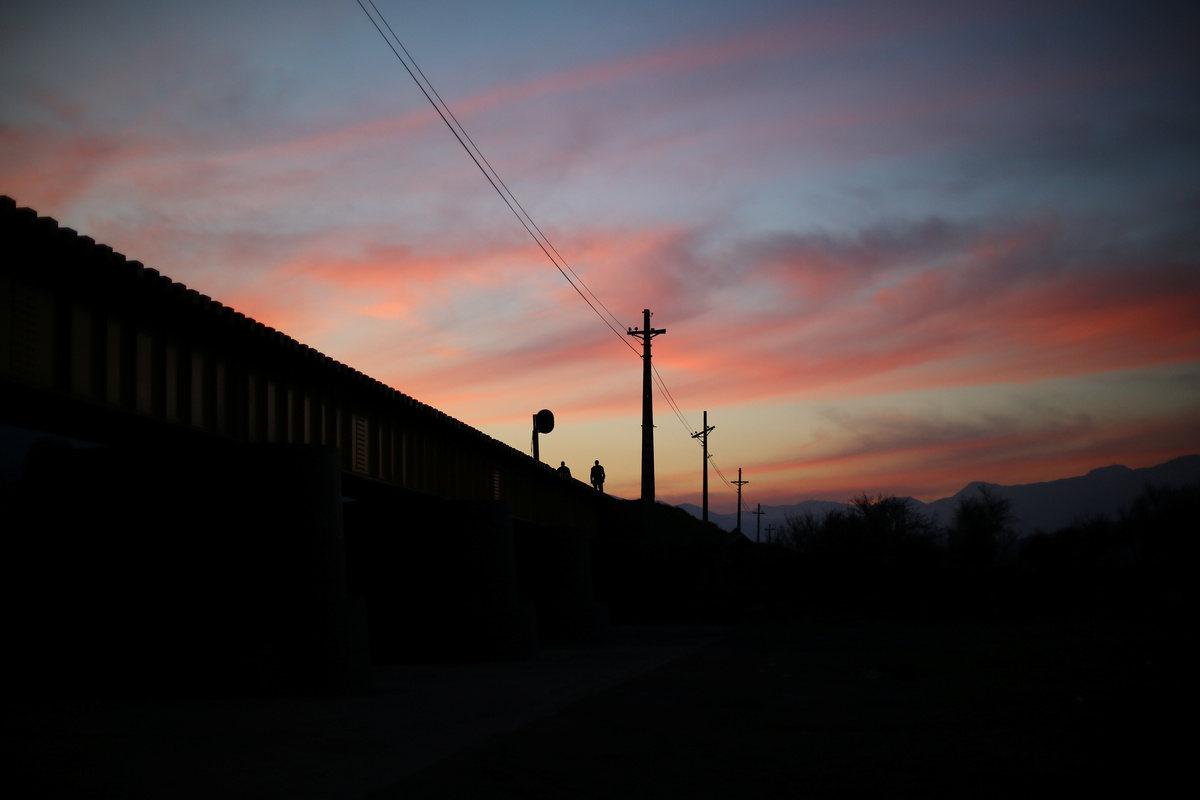
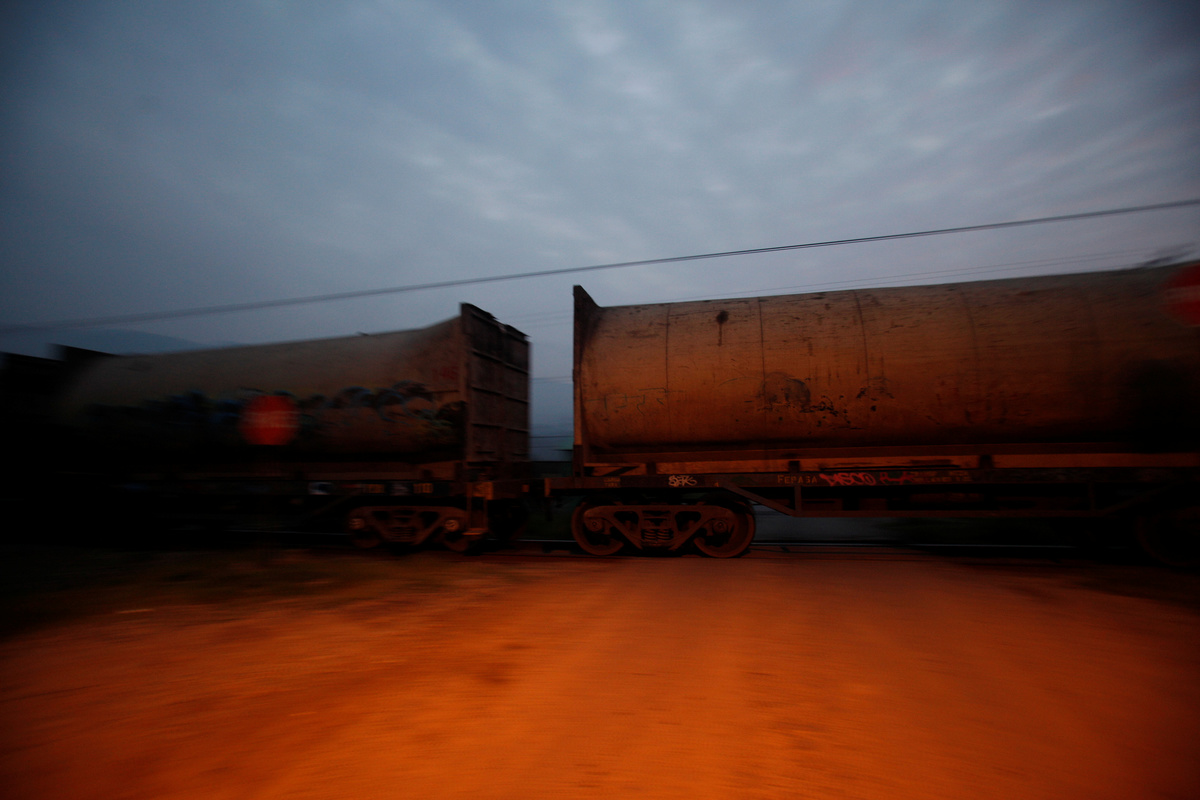
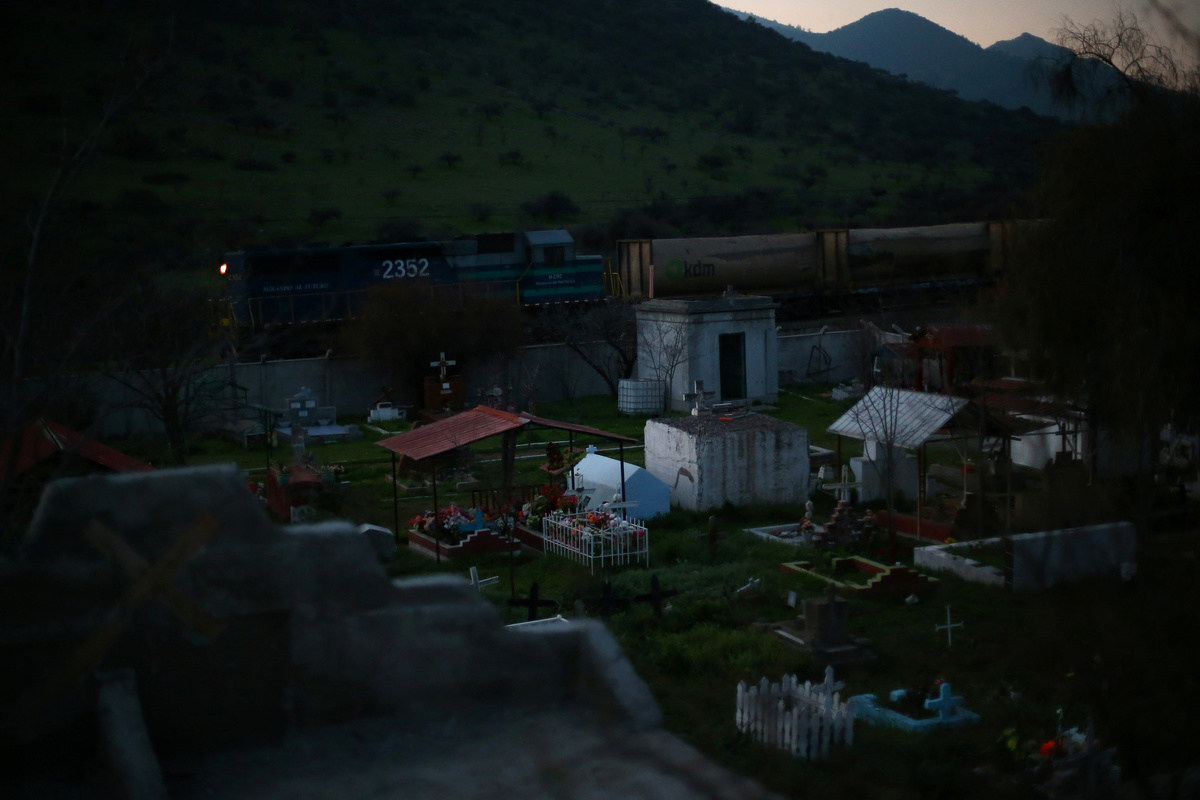
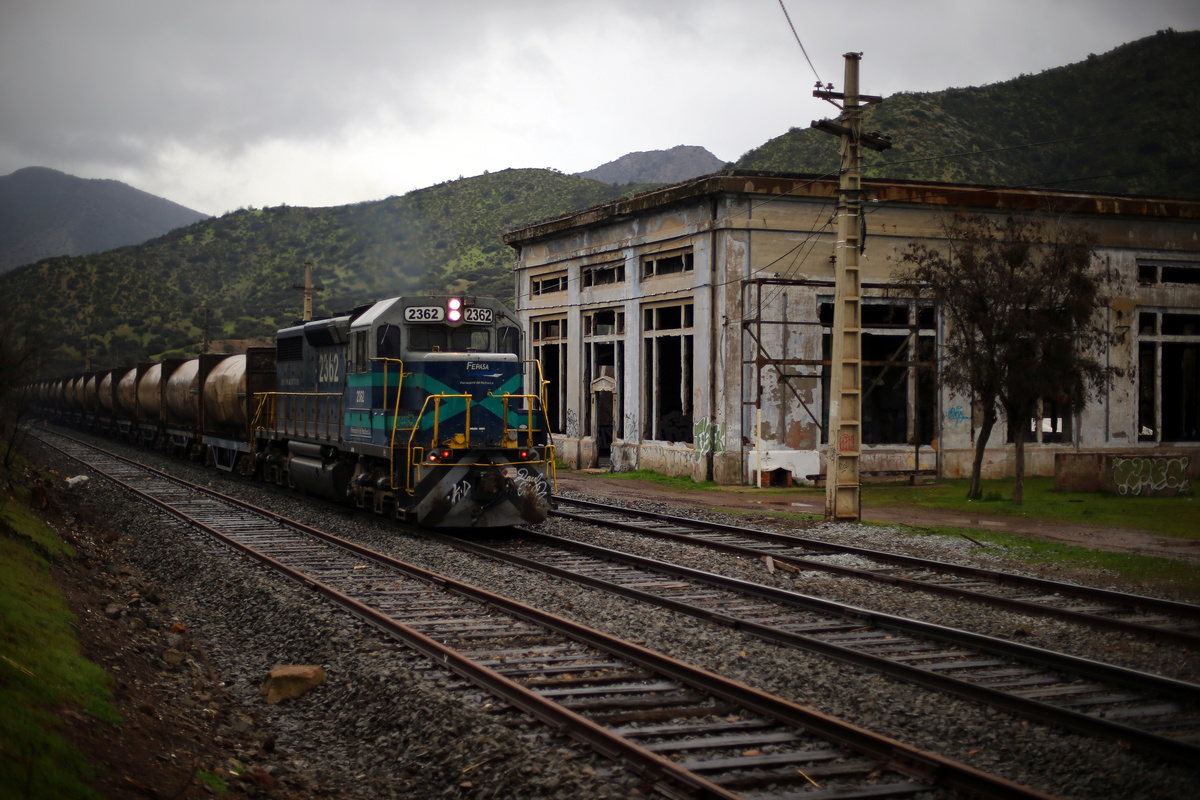
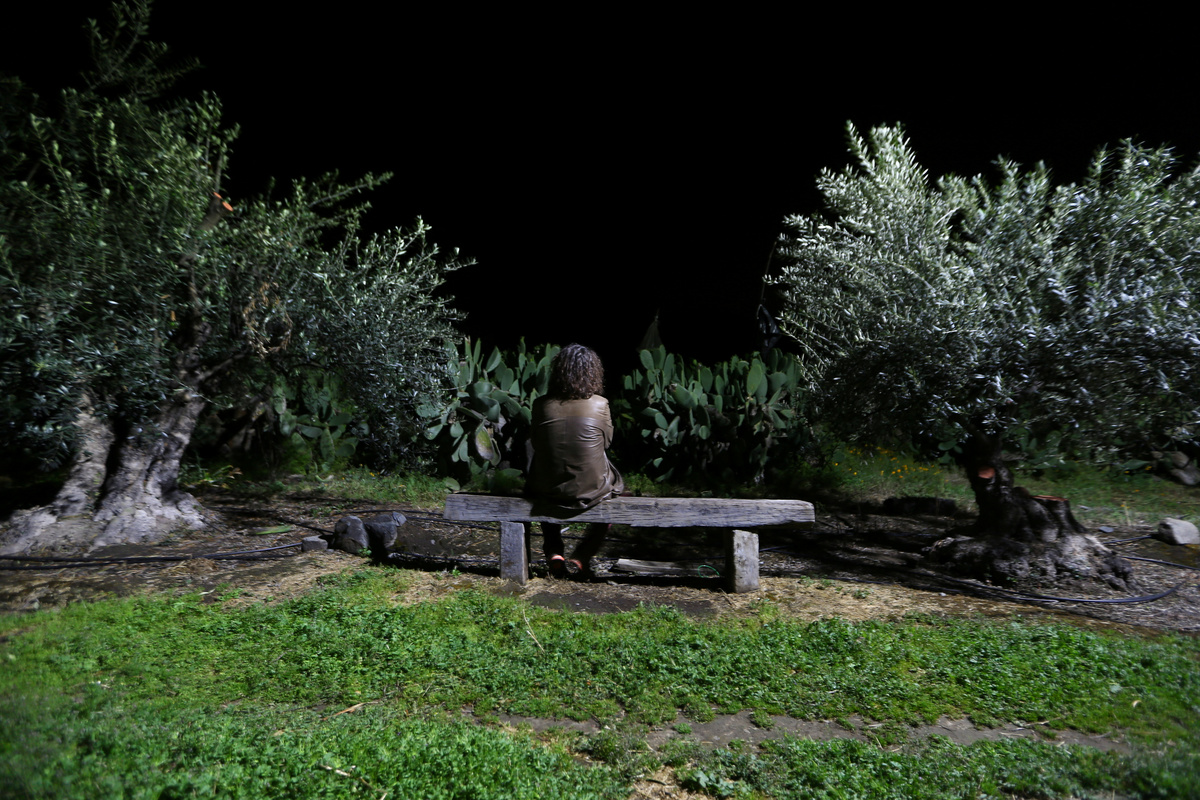
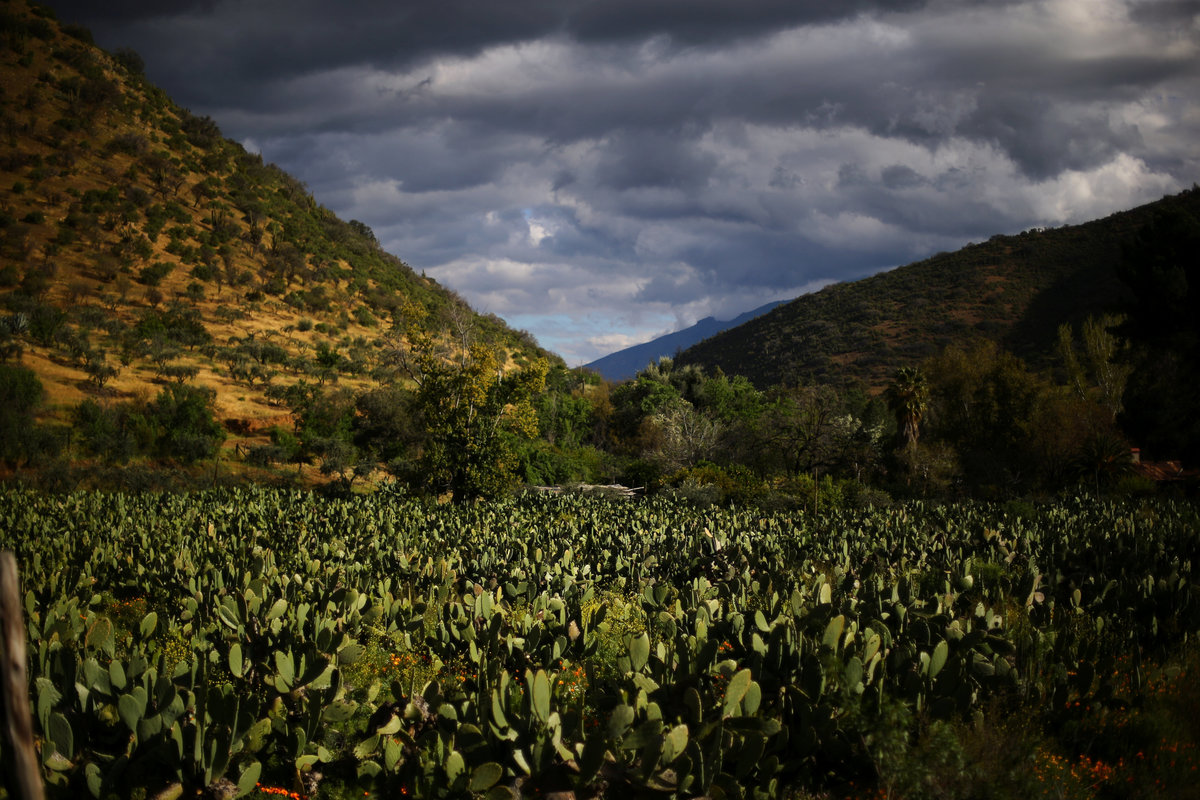
An 'Animita' which is used to remember a tragic event in a public place, is seen next to a train track which is used to transport garbage in Til Til, Chile, October 5, 2017. REUTERS/Ivan Alvarado
By Ivan Alvarado and Dave Sherwood
TIL TIL, Chile (Reuters) - The trains seem to never stop.
One after another, they haul more than 12 tonnes of rubbish daily to the small Chilean community of Til Til, 35 miles (56 km) northwest of Santiago, the equivalent of at least two-thirds of the capital's municipal waste.
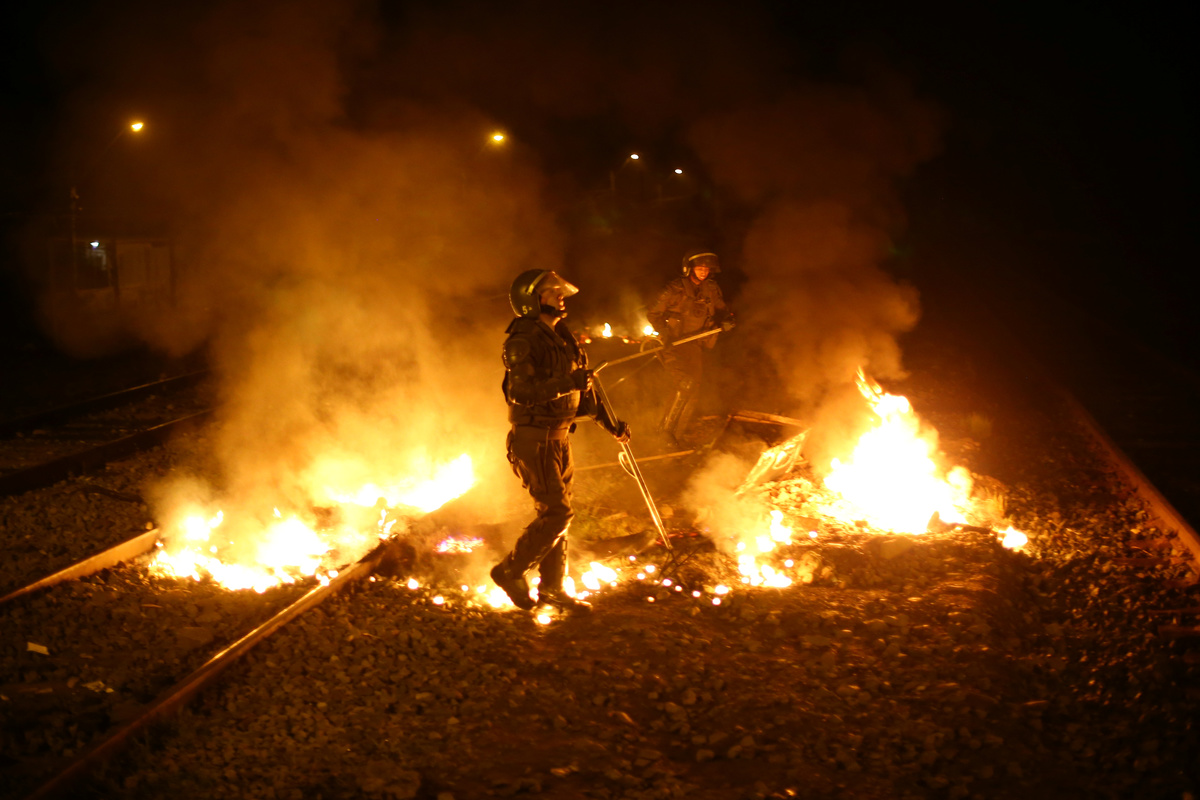
Riot policemen remove barricades from train tracks which is used to transport garbage, after a protest against a new industrial waste processing facility that is being constructed in Til Til, Chile, August 20, 2017. REUTERS/Ivan Alvarado
This town of 17,000 is the last stop for much of the trash produced by a city of 7 million.
And now there will be more.
The Minister's Committee, a gathering of high-ranking Chilean political officials who decide the fate of controversial projects, last year approved the construction of a sprawling new industrial waste processing facility here.
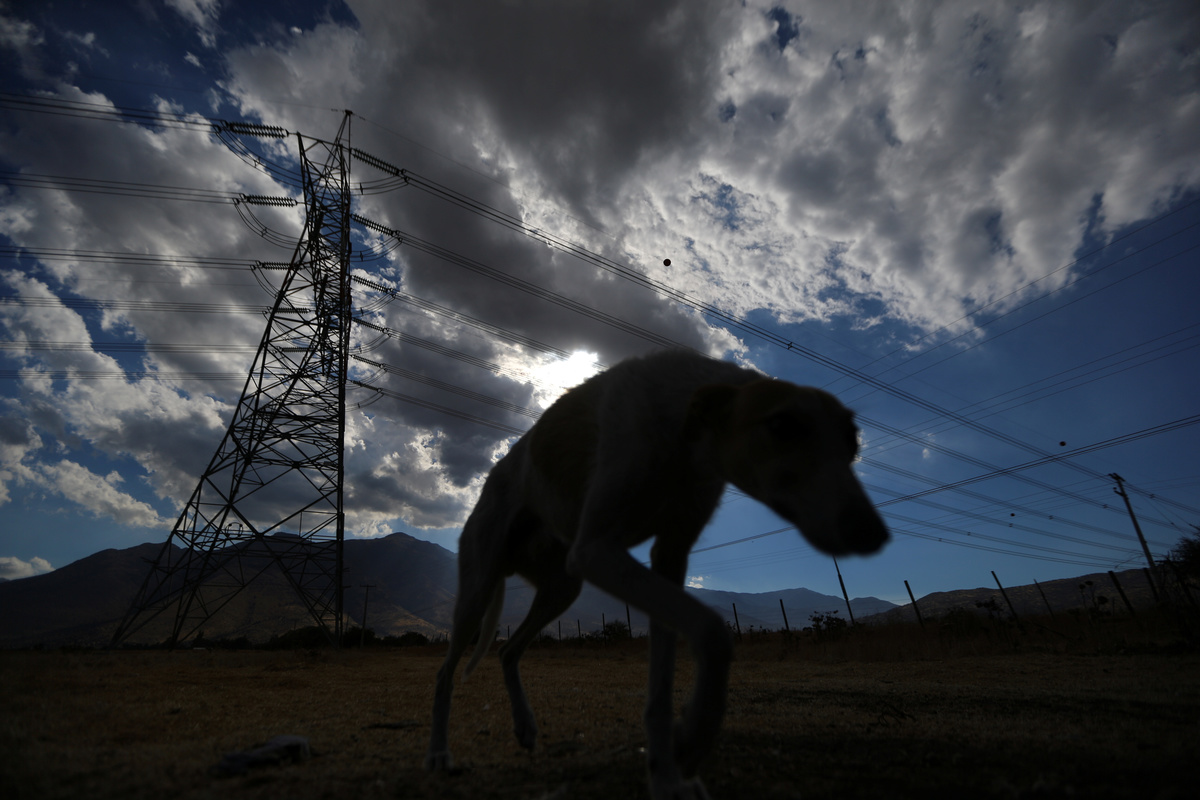
A greyhound passes by a power line tower in Til Til, Chile, February 19, 2018. REUTERS/Ivan Alvarado
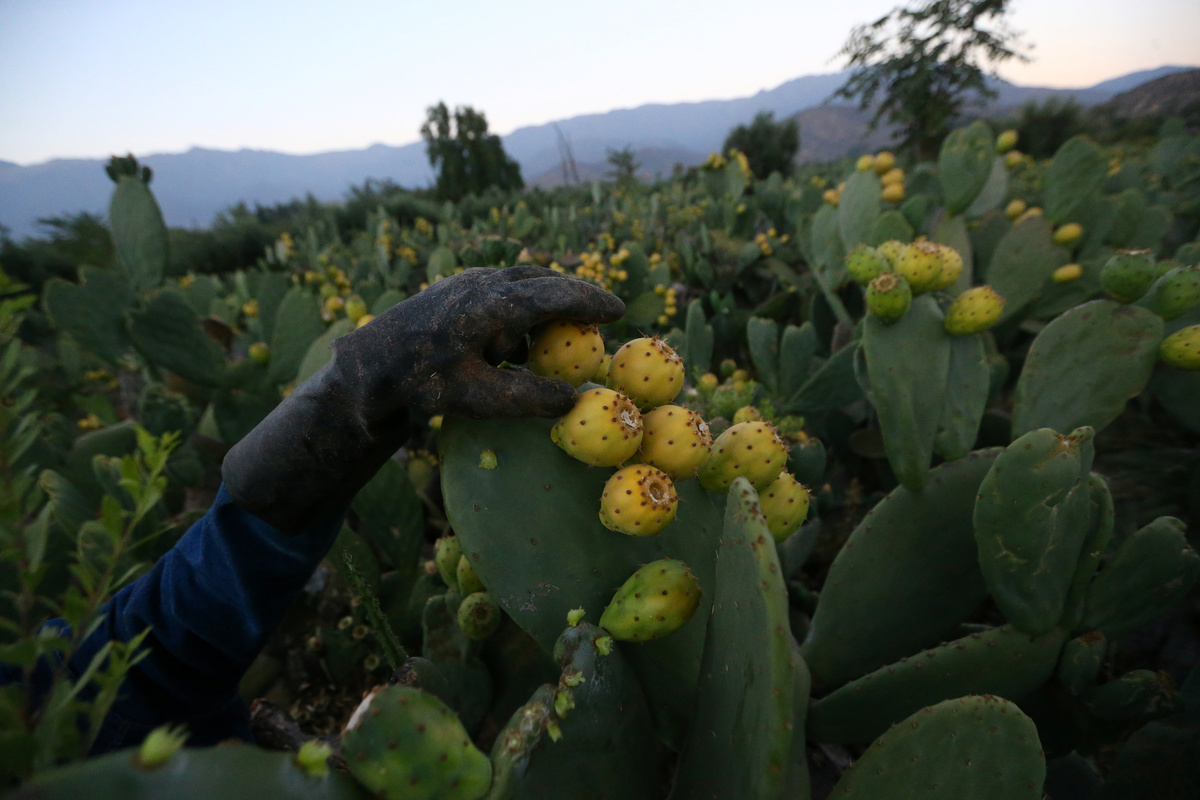
Already, Til Til, a desert-dry community of yellow hills fringed with cactus fruit farms, has more than 30 industrial projects. Among them: several mining waste sites, a pig farm, a cement plant and Lomas Los Colorados, one of Santiago's largest waste dumps.
With this newly approved facility, operated by Ciclo, a local waste management company, Til Til will become the last stop for more than half the industrial waste produced from northern Chilean mining region of Atacama to Bio Bio province in the south, according to a report from Chile's Congress.
The community has protested, blocking the train tracks that funnel trash north, and Route 5, known locally as the Panamerican Highway and a major trucking thoroughfare that transits the city.
Locals shout slogans as they attempt to block a mountain road during a protest against a new industrial waste processing facility that is being constructed in Til Til, Chile, August 11, 2017. REUTERS/Ivan Alvarado
"Why Til Til again? Why must Til Til solve the environmental problems of 8 million inhabitants?," said Til Til Mayor Nelson Orellana on a radio program following the project's approval.
The national committee that approved the project says safeguards have put in place to minimize contamination or impact on townspeople.
Ciclo said that the site is the only one within the greater Santiago region that is "apt and possible" for an industrial waste site of this magnitude.
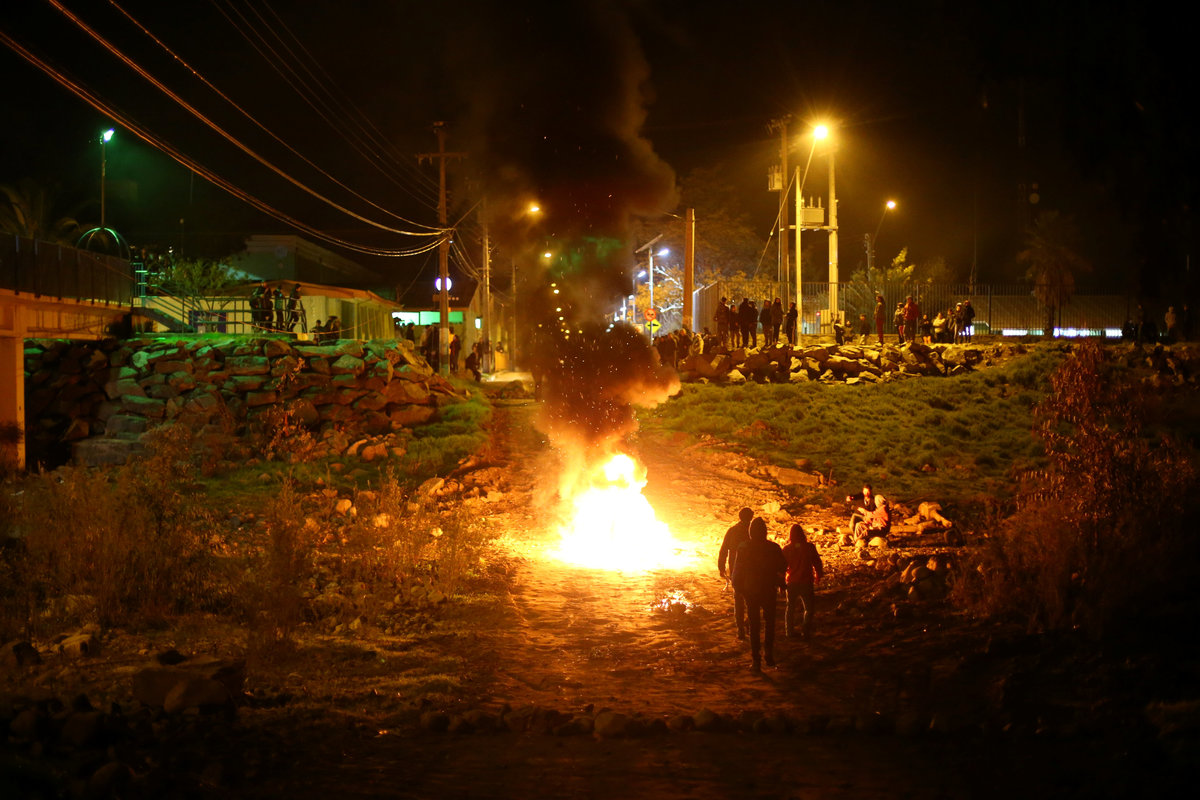
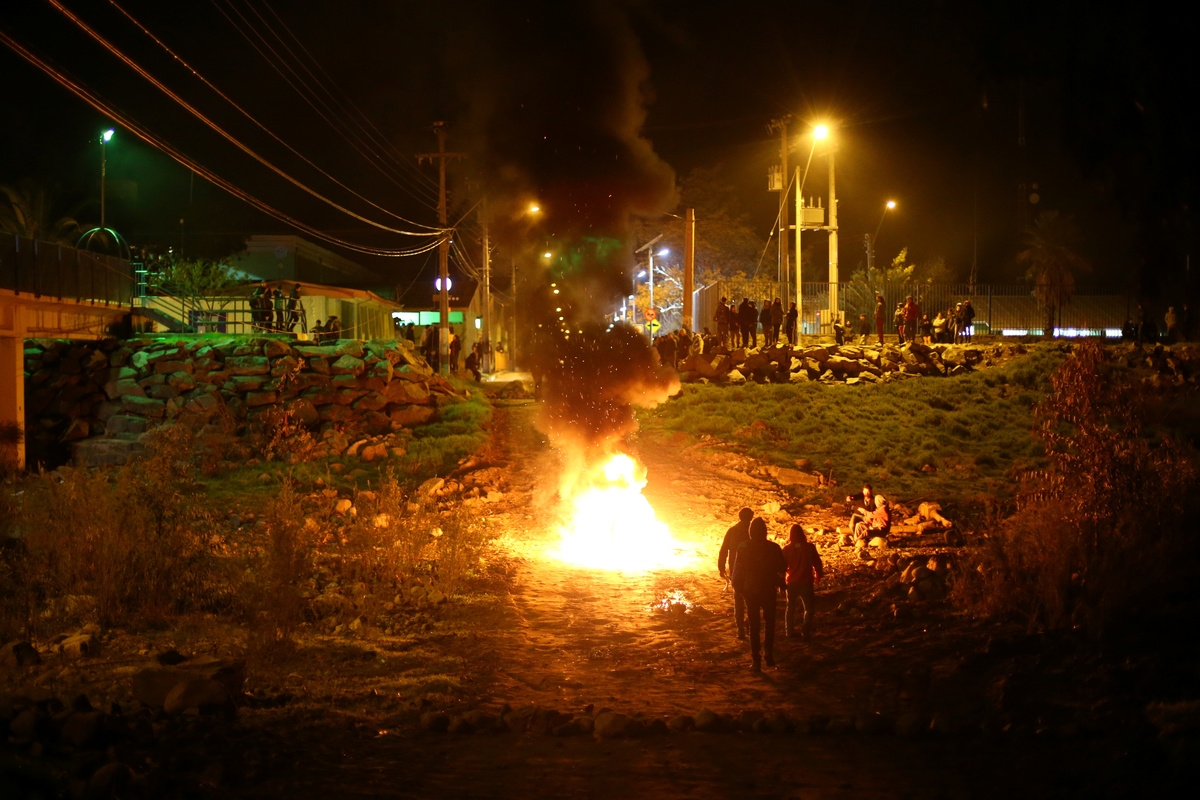
Locals make barricades as they gather to protest against a new industrial waste processing facility that is being constructed in Til Til, Chile, August 15, 2017. REUTERS/Ivan Alvarado
"There is no health risk for the population," Ciclo says on its website.
The company hopes to see the project begin operation in 2019, according to its promotional materials.
Meanwhile, Santiago's trash problem is only getting worse.
Locals make barricades as they gather to protest against a new industrial waste processing facility that is being constructed in Til Til, Chile, August 15, 2017. REUTERS/Ivan Alvarado
A 2015 fire at another large landfill in Santa Marta - much nearer the city center than Til Til - put citizens here on edge, shrouding Santiago's skyscrapers and crowded streets in toxic dust.
Only 10 percent of the country's trash is recycled, according to Environment Ministry statistics - putting the country near the bottom of Organization for Economic Co-operation and Development(OECD) nations.
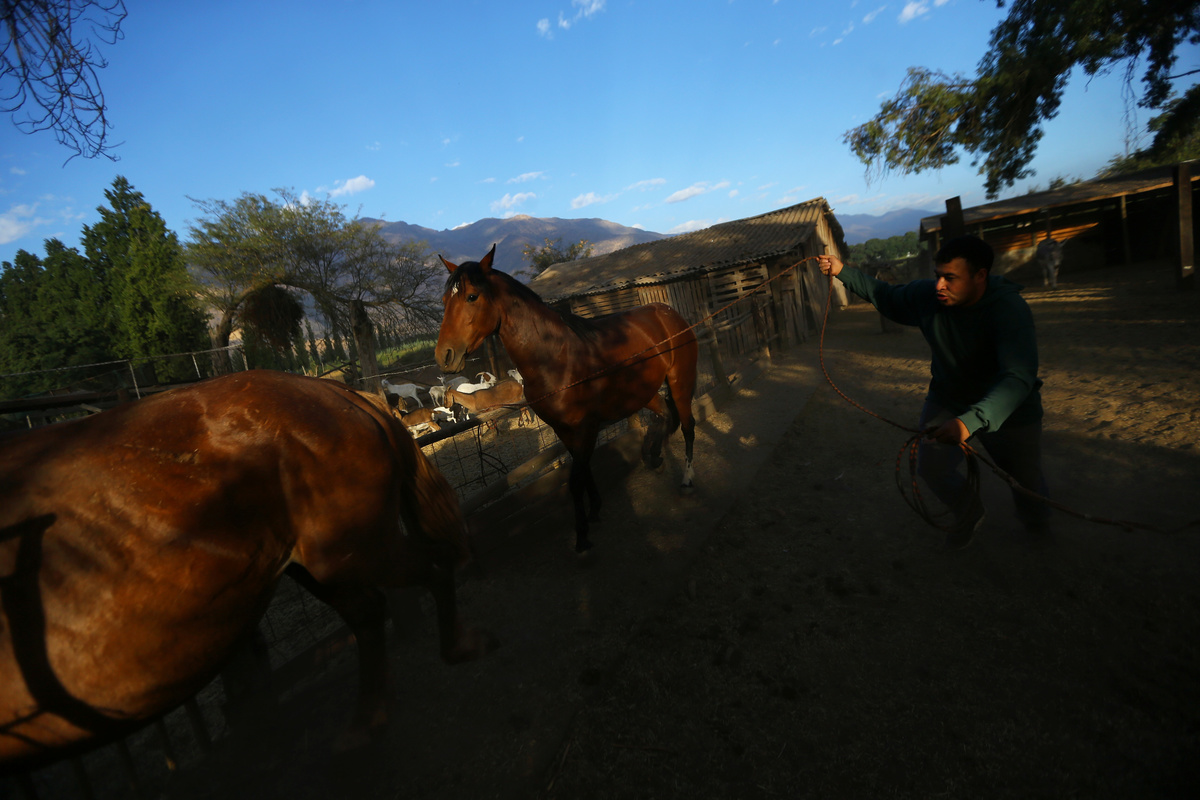
Alex Rojas, a caretaker of farm animals, attempts to catch horses to give them medication in Til Til, Chile, February 20, 2018. REUTERS/Ivan Alvarado
(Reporting by Dave Sherwood; Editing by Cynthia Osterman)
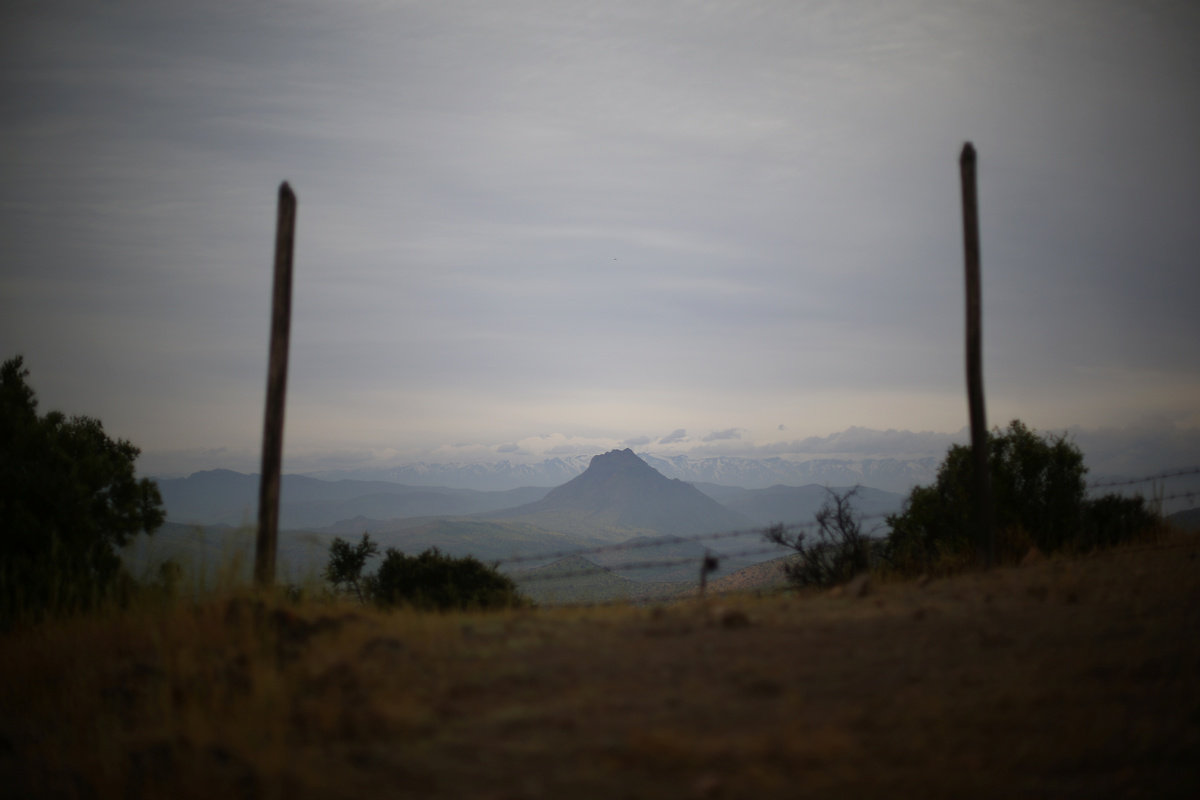
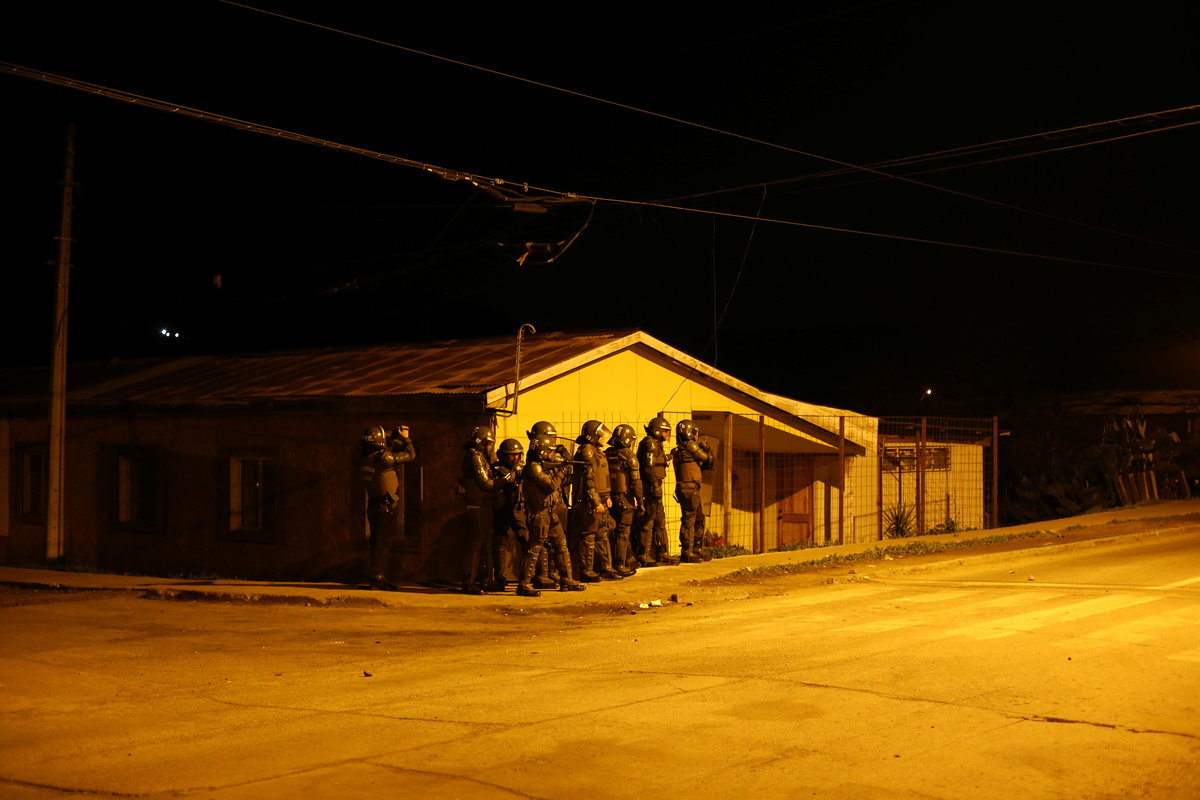
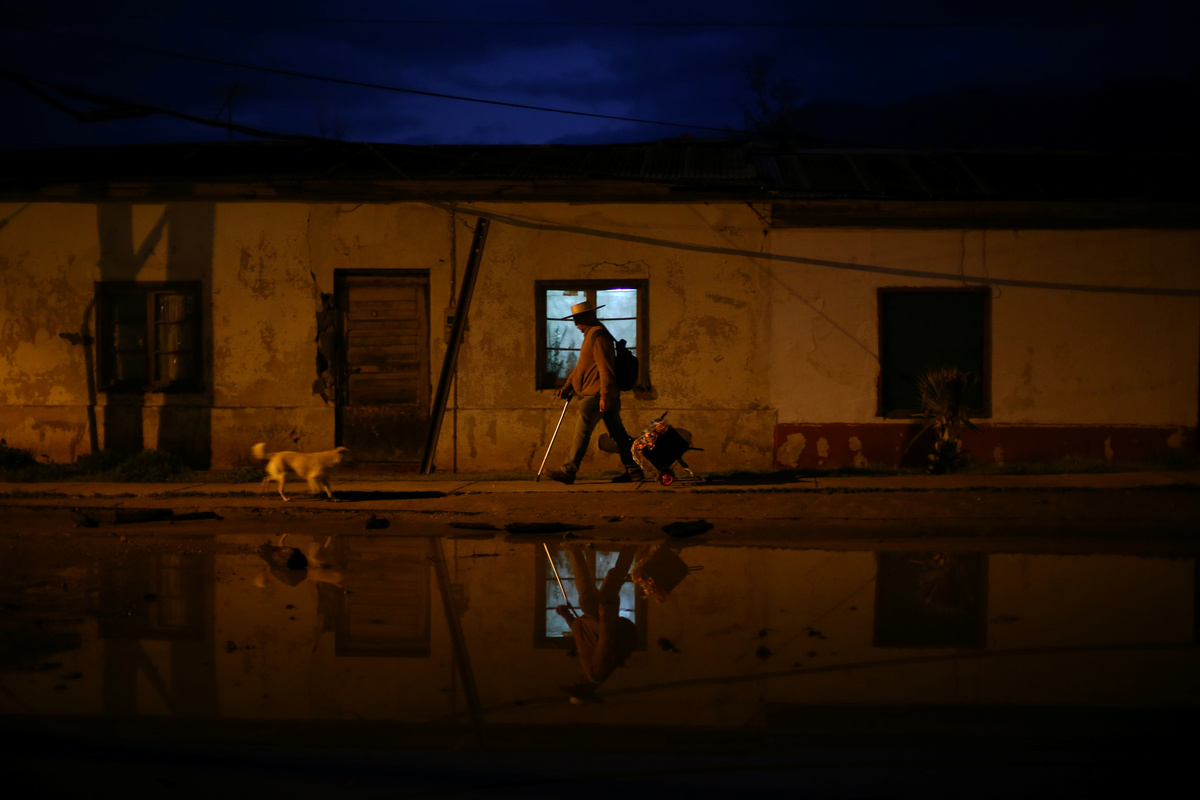
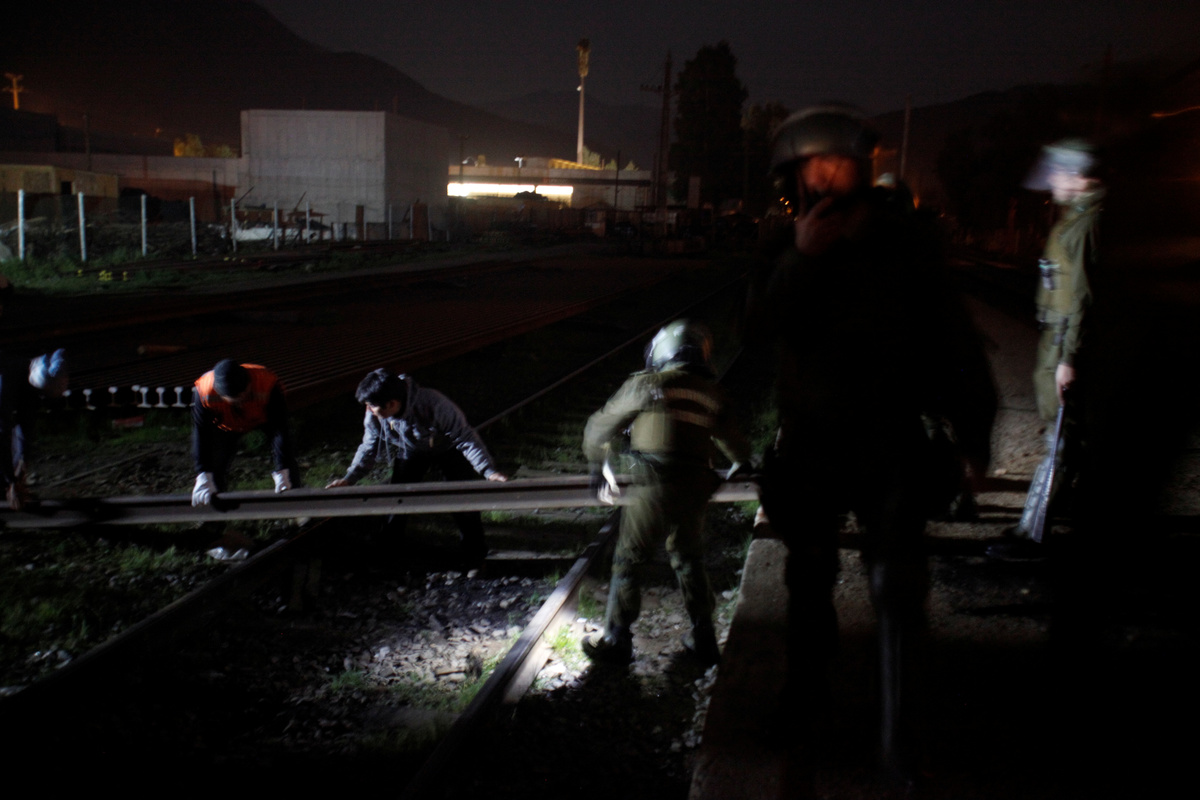
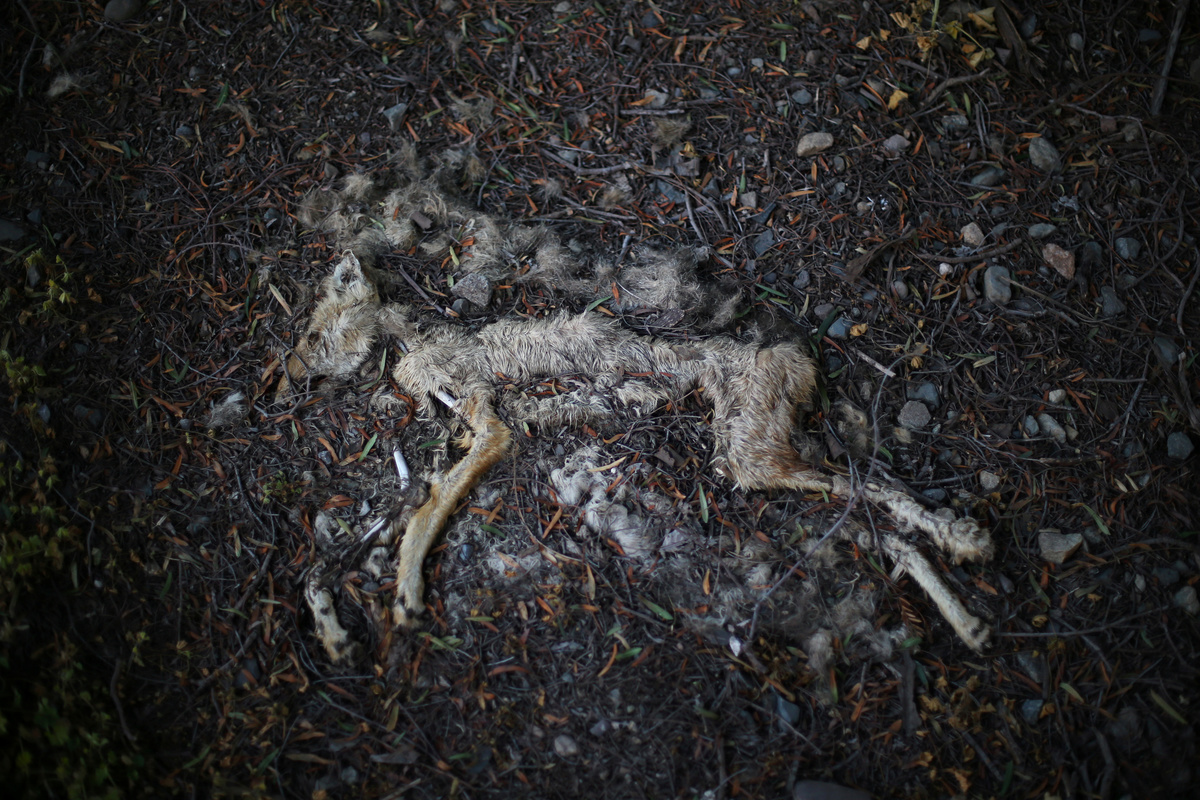
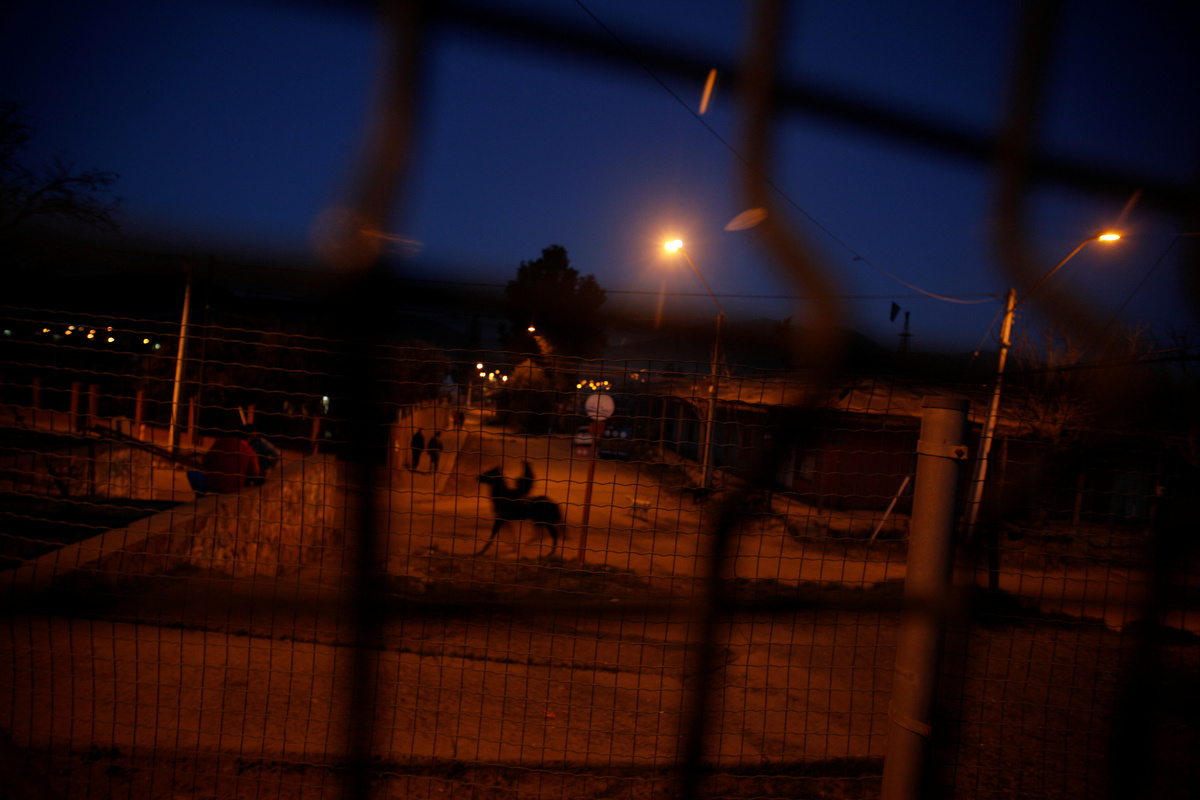
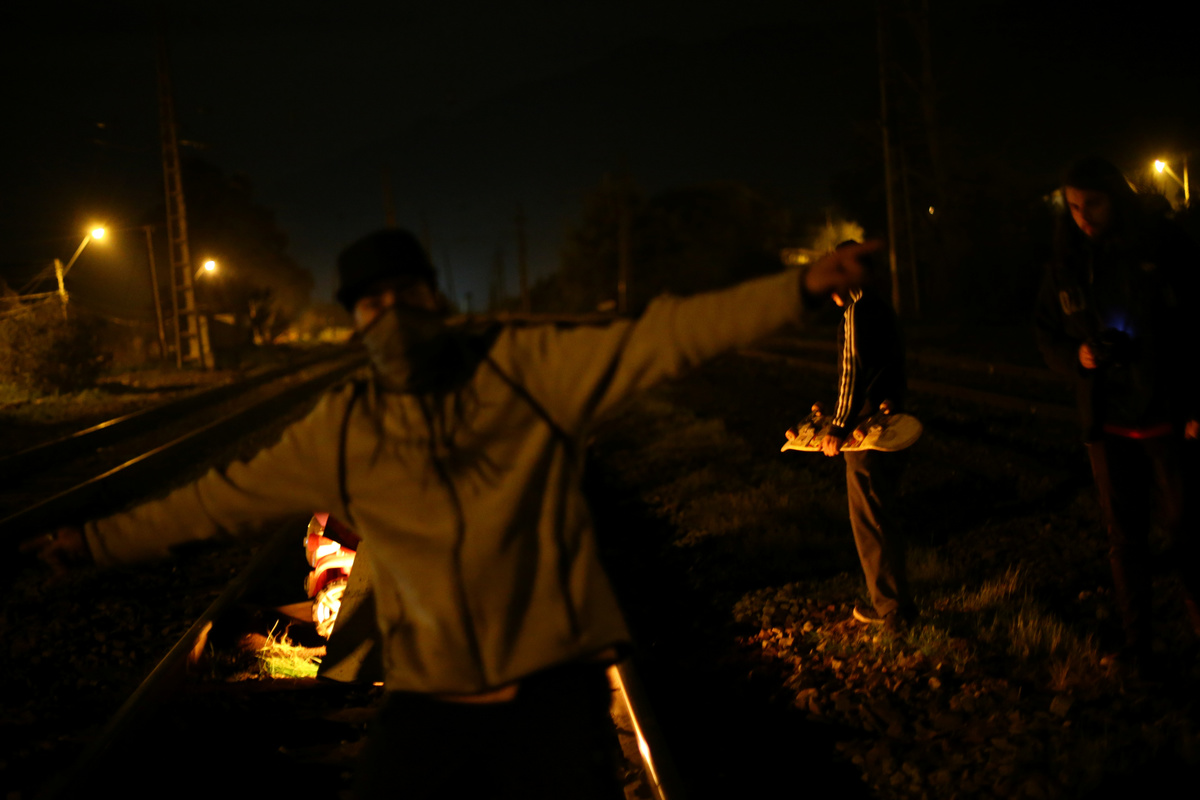
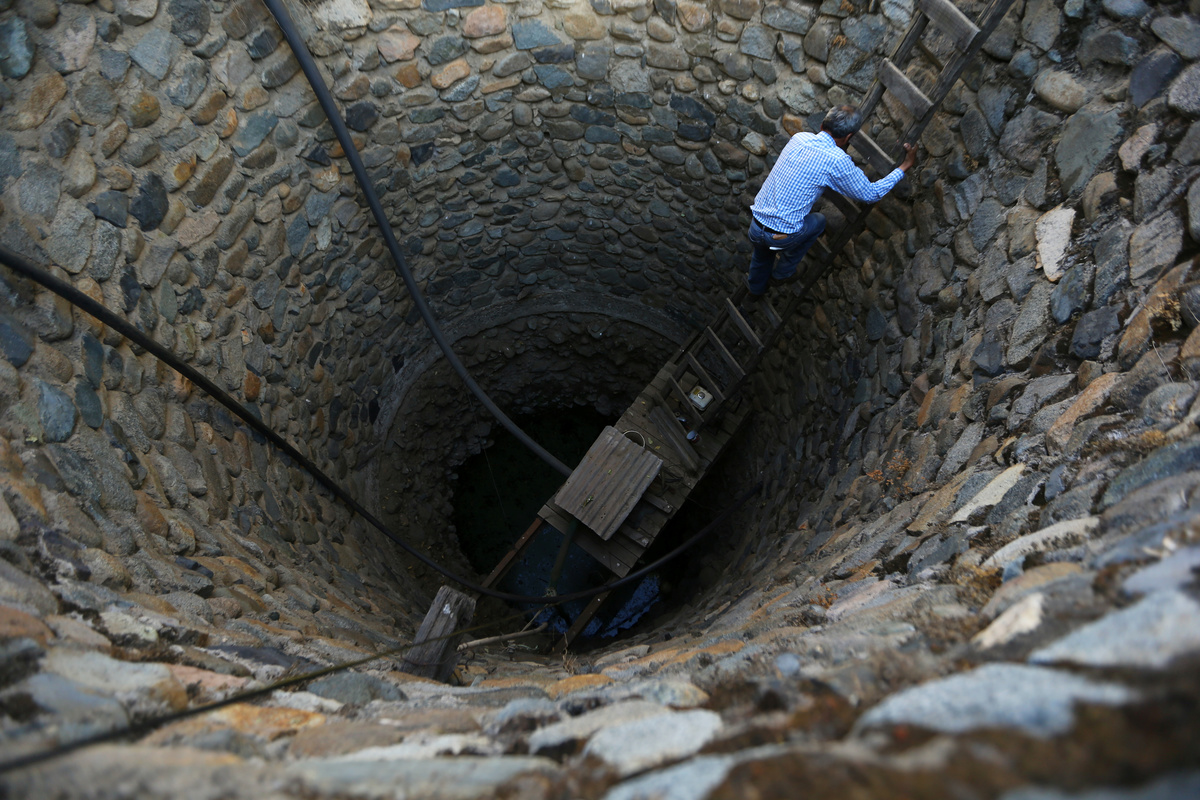
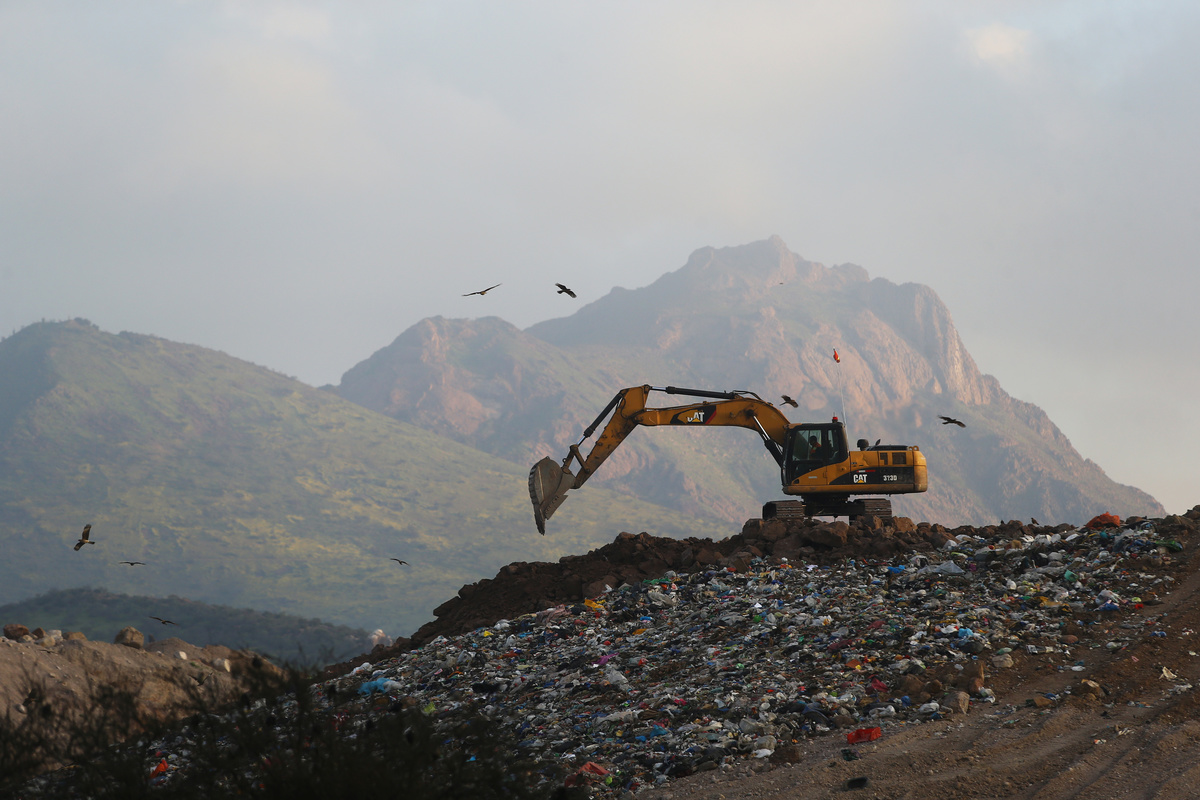
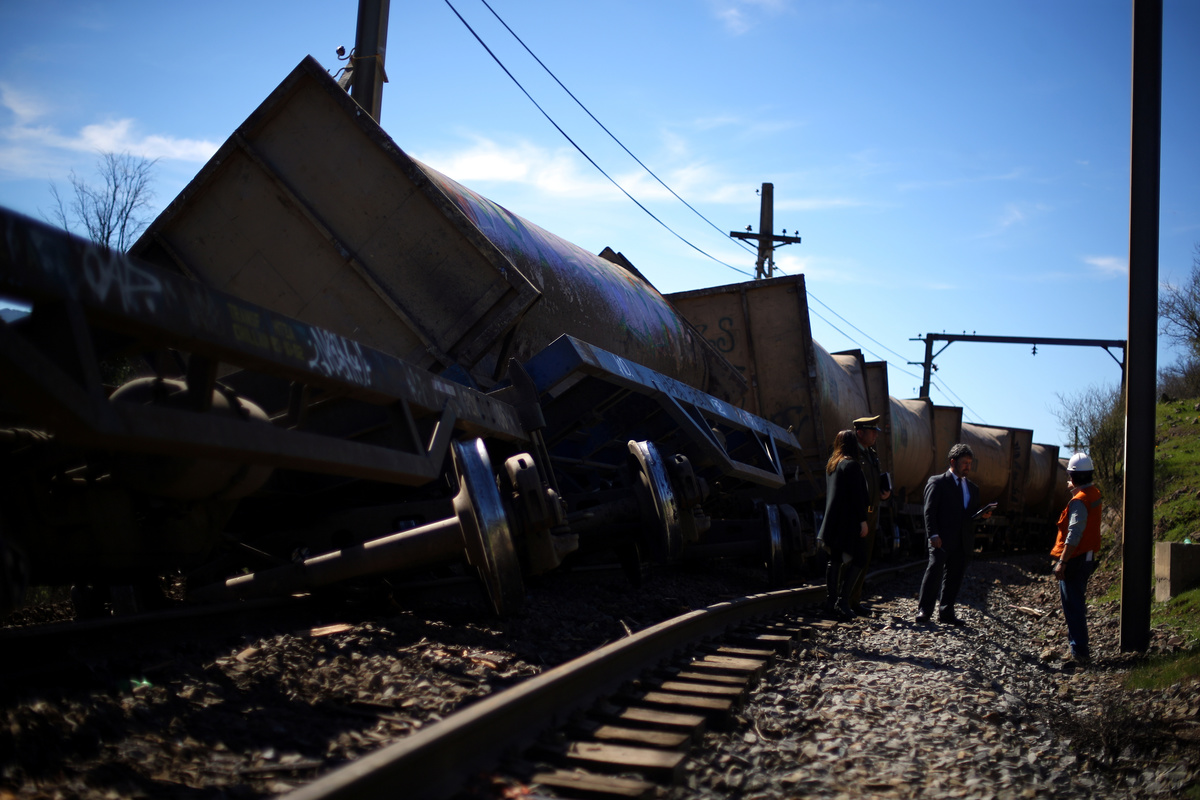
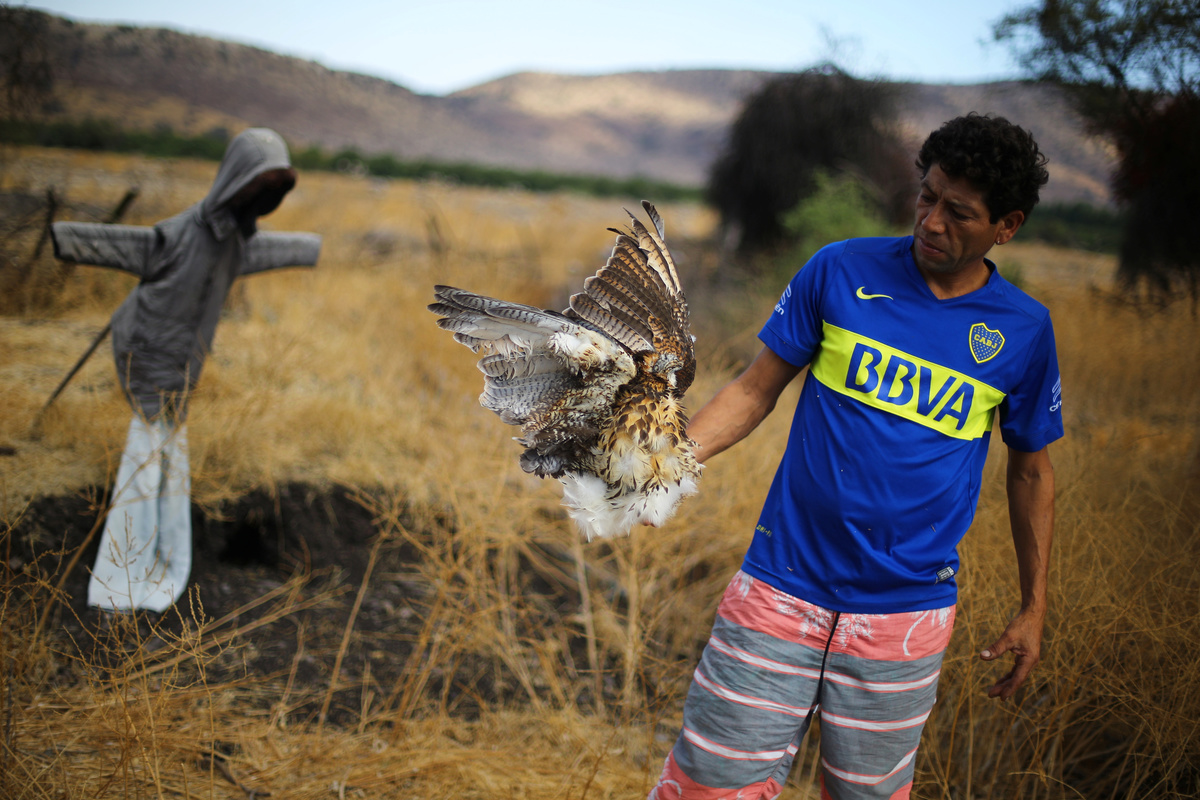
Demonstrators run away from tear gas released by riot police during a protest against a new industrial waste processing facility that is being constructed in Til Til, Chile, August 12, 2017. REUTERS/Ivan Alvarado A mountain which is close to both - an existing waste dump and the new industrial waste processing facility that is being constructed, is seen in Til Til, Chile, September 29, 2017. REUTERS/Ivan Alvarado Riot policemen gather at a street corner during a protest against a new industrial waste processing facility that is being constructed in Til Til, Chile, August 20, 2017. REUTERS/Ivan Alvarado Riot policemen guard train tracks which are used to transport garbage, to prevent barricades from locals protesting against the new industrial waste processing facility that is being constructed in Til Til, Chile, August 15, 2017. REUTERS/Ivan Alvarado A man drags a pram loaded with stuff that he sells on a street, close to train tracks in Til Til, Chile, August 19, 2017. REUTERS/Ivan Alvarado Workers and riot policemen attempt to remove a rail that was used to block the route of a train that transports garbage, as part of a protest against a new industrial waste processing facility that is being constructed in Til Til, Chile, August 6, 2017. REUTERS/Ivan Alvarado A carcass of an animal lies on the ground next to a cement plant in Til Til, Chile, September 13, 2017. REUTERS/Ivan Alvarado A train, which is used to transport garbage, rides on its way to Santiago to be reloaded, in Til Til, Chile, August 7, 2017. REUTERS/Ivan Alvarado Grass surrounds a disused train tracks which were used by a cement plant in rural area close to Til Til, Chile, February 23, 2018. REUTERS/Ivan Alvarado A man is seen riding a horse, from a fence of a train track, in Til Til, Chile, August 6, 2017. REUTERS/Ivan Alvarado A protester gestures as demonstrators block train tracks which is used to transport garbage during a protest against a new industrial waste processing facility that is being constructed in Til Til, Chile, August 15, 2017. REUTERS/Ivan Alvarado Grass surrounds a disused train tracks which were used by a cement plant in rural area close to Til Til, Chile, February 23, 2018. REUTERS/Ivan Alvarado A farmer uses rubber gloves to pick up prickly pears during harvest time in Til Til, Chile, February 16, 2018. REUTERS/Ivan Alvarado A train, which is used to transport garbage, passes next to a local cemetery on its way to Santiago to be reloaded, in Til Til, Chile, August 24, 2017. REUTERS/Ivan Alvarado A train transporting garbage rides to a waste dump passing next to an abandoned power plant in Til Til, Chile, August 10, 2017. REUTERS/Ivan Alvarado Farmer and psychologist Gonzalo Herrera takes a break at his prickly pears and olives plantation in Til Til, Chile, October 6, 2017. REUTERS/Ivan Alvarado A prickly pear plantation located next to a rail line used by a train to transport garbage, is seen in a valley of Til Til, Chile, October 5, 2017. REUTERS/Ivan Alvarado A shadow is cast on a wall painted with a skull at a bus stop in Til Til, Chile, September 13, 2017. "Til Til is not a ghost town, it's not just a landfill for Santiago," a local said. REUTERS/Ivan Alvarado Javier, a farmer, climbs a ladder after inspecting the water level at an old well in Til Til, Chile, February 16, 2018. REUTERS/Ivan Alvarado A mechanic digger works on a waste dump in Til Til, Chile, August 23, 2017. "With the landfill we lose our identity. People identify us as a trash town," a local said. REUTERS/Ivan Alvarado Police inspect the area where a train transporting garbage garbage was derailed, in Til Til, Chile, August 21, 2017. REUTERS/Ivan Alvarado Cristian, a breeder of farm birds, holds up a dead falcon which he shot, in Til Til, Chile, February 19, 2018. Cristian said the raptors are attacking his farm birds due to the lack of food in the area. REUTERS/Ivan Alvarado
Sign up to read this article
Read news from 100’s of titles, curated specifically for you.