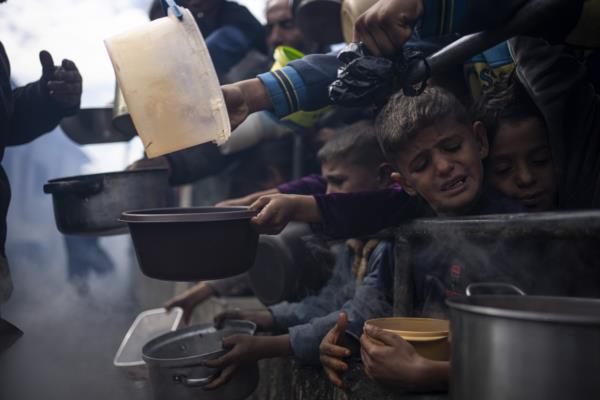
Amid Israel's bombardment and siege of Gaza, warnings of famine have tragically come to fruition as children are now succumbing to malnutrition and dehydration. The situation is most dire in northern Gaza, where long cutoffs of food supplies have led to at least 20 deaths, predominantly children. In the south, access to aid is more regular, but vulnerable children are also beginning to suffer.
In Rafah, 16 premature babies have died in the past five weeks due to malnutrition-related causes. Malnutrition weakens immune systems, making individuals more susceptible to diseases. The lack of clean water and sanitation in Gaza exacerbates the crisis, with diarrheal diseases further complicating the situation.
Israel's restrictions on the entry of essential supplies have been a major contributing factor to the hunger crisis in Gaza. Despite international pressure, aid deliveries have been sporadic and often disrupted by Israeli forces. Recent airdrops of aid have provided limited relief, but truck deliveries remain scarce and dangerous.
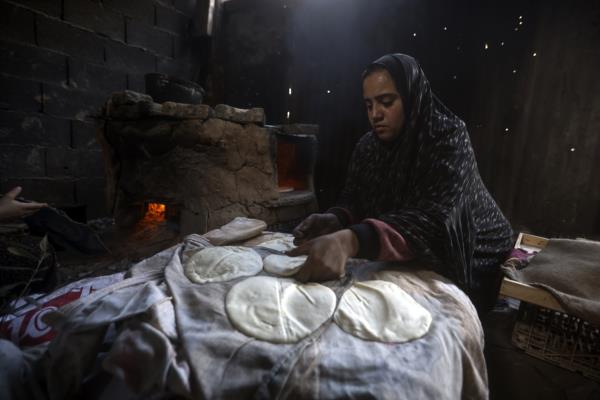
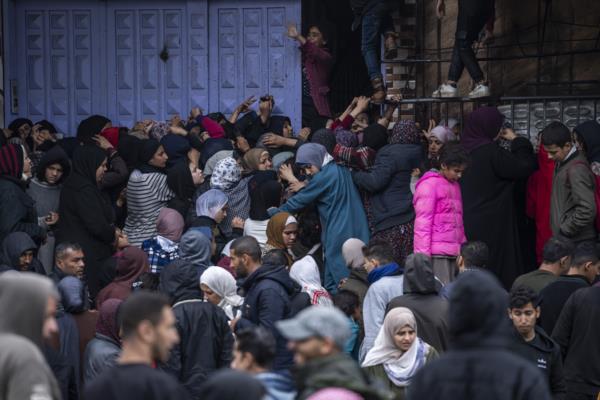
In the north, conditions are described as desperate, with residents resorting to eating weeds and makeshift food sources. Families are struggling to find basic necessities, with some forced to sell meager supplies at inflated prices. The situation is equally dire in the south, where malnourished children are overwhelming hospitals.
Tragically, children like Yazan al-Kafarna, who suffered from cerebral palsy, have succumbed to extreme malnutrition. The lack of appropriate food and medical care has led to devastating consequences, with many families unable to access essential resources.
As the crisis deepens, medical professionals are overwhelmed by the influx of malnourished children and premature babies. The lack of proper nutrition and care is resulting in preventable deaths, highlighting the urgent need for sustained aid and support.
The situation in Gaza is dire, with thousands of families facing food insecurity and limited access to essential resources. Immediate action is needed to prevent further loss of life and alleviate the suffering of vulnerable populations in the region.