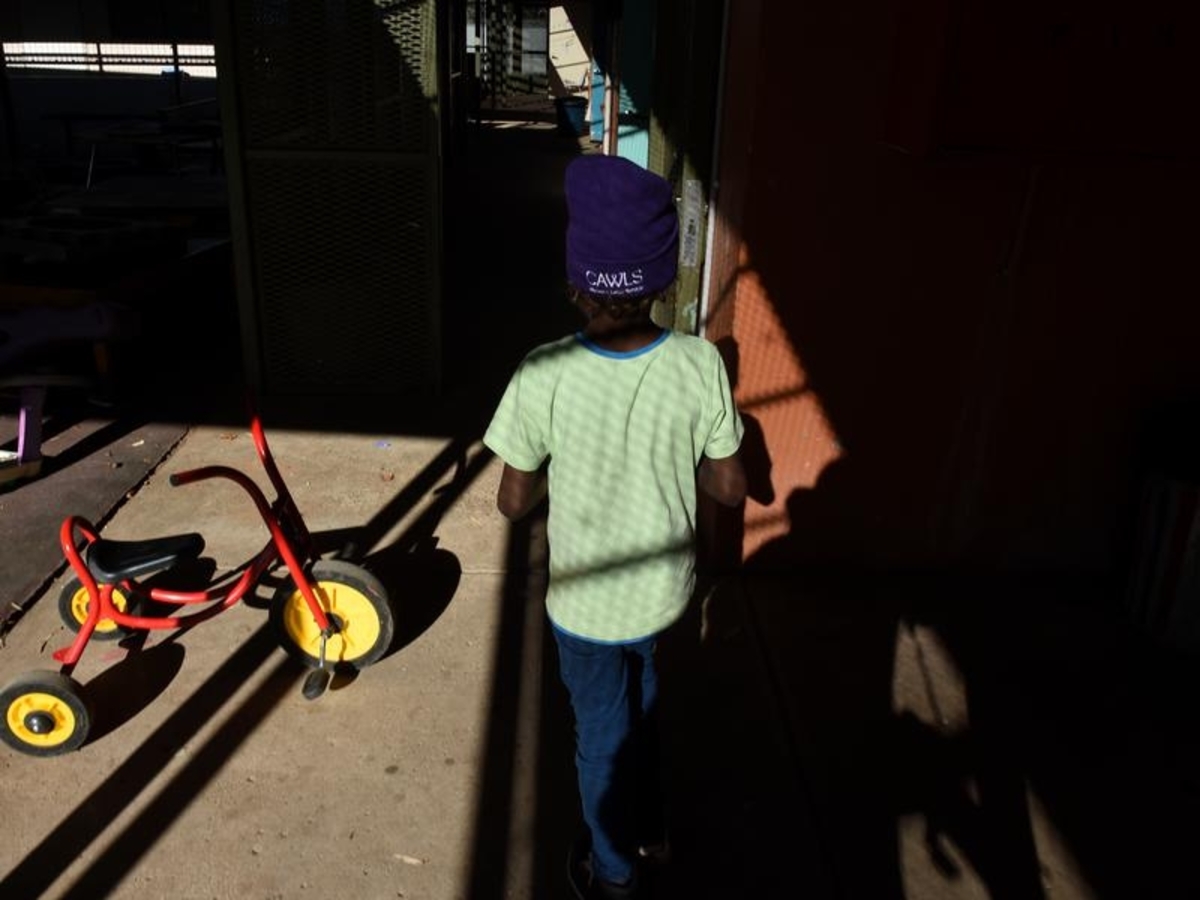
Fewer Aboriginal children would end up in the child protection system if early childhood services were better funded and resourced, industry leaders suggest.
Victoria's truth-telling inquiry is examining the child protection system, with early childhood leaders on Friday lamenting the fractured way centres are funded across the state.
Aboriginal-controlled childcare organisations that unite communities and instil a strong sense of identity in children receive the same Commonwealth funding as non-Aboriginal organisations, the Yoorrook Justice Commission was told.
When children in government care are enrolled in their services, centres don't receive any extra funding for them.
Childcare centres also don't have regular contact with child protection workers despite the children being there each day, and don't have a say when it comes to their care.
Programs have to be strong in their identities because they are "up against it" with the sector having been "stripped bare", Bubup Wilam Aboriginal Child and Family Centre chief executive Lisa Thorpe said.
The Gunditjmara and Gunnai woman told the commission: "How do we sustain and maintain these centres when it's so fractured out there in how we are funded?
"If the early years centres were funded and supported and recognised for what they do they'd be able to help keep kids out of the system."
Demand for places in Aboriginal-controlled early childhood centres outweighs capacity, the leaders suggested, with many having no choice but to be "ruthless" and only let in those who could prove their Aboriginality.
Yappera Children's Service has a two-year waiting list, chief executive Stacey Brown said.
There have been cases where children initially thought to be Aboriginal have been taken in, only for it to turn out they are not Aboriginal, Njernda Aboriginal Corporation family services manager Aunty Hazel Hudson said.
Not verifying children's identity risked traumatising them all over again.
"We have to be ruthless to some degree to ensure that the kids we do know are Aboriginal are getting the services that they need," Ms Hudson said.
Identifying children's mobs was an important focus for Aboriginal-controlled centres.
When a child showed up to a centre in government care, some organisations put it back on the Department of Families, Fairness and Housing to identify their bloodlines before they were enrolled.
Njernda referred the department to the Victorian Aboriginal Child Care Agency to trace the children's families, Ms Hudson said.
The truth-telling inquiry also heard about Marram Ngala Ganbu, a Koori family hearing day, held weekly at Broadmeadows Children's Court in Melbourne's north.
The process allows families be more involved than they would be otherwise at court, letting parents sit at the bar table rather than being looked down at, and offering Koori support officers in the room.
It's a top-to-bottom service where people can be heard and truly engage in the process, Koori services coordinator Ashley Morris said, calling for it to be offered in every court in Victoria.
"That's the court's aspiration, we do want to deliver this state-wide. It's just, how do we get there?"
The truth-telling inquiry will next week shift its focus to the criminal justice system.