Food distribution costs have quietly risen across Chicago, and seniors are feeling the pinch at the checkout line. Transportation fees, warehouse expenses, and labor shortages all contribute to higher grocery prices. Retirees living on fixed incomes notice that staples like bread, milk, and produce cost more than last winter. These increases make budgeting more difficult, especially for those already struggling with medical or housing expenses. Understanding the drivers of food distribution costs helps seniors prepare for ongoing financial challenges.
Transportation Challenges
Chicago’s food supply relies heavily on trucking, and rising fuel prices have made distribution more expensive. Seniors see the impact directly in higher grocery bills, even when buying basic items. Delivery delays caused by winter storms further strain the system. Retailers often pass these costs onto consumers, leaving retirees to absorb the difference. Transportation challenges remain a key factor in rising food costs.
Warehouse and Storage Costs
Cold storage facilities and warehouses are essential for keeping food fresh during winter. Rising energy bills and staffing shortages have increased operating costs. Seniors indirectly pay for these expenses when grocery prices climb. Warehouse inefficiencies also lead to shortages of certain items, frustrating retirees who depend on consistency. Storage costs highlight the hidden layers behind grocery inflation.
Labor Shortages
Food distribution networks depend on workers to move products from suppliers to stores. Labor shortages in trucking, warehousing, and retail have driven wages higher. Seniors ultimately bear the burden as these costs are reflected in grocery prices. Retirees often notice fewer staff in stores, leading to longer lines and reduced service. Labor challenges continue to ripple through the food supply chain.
Retailer Adjustments
Grocery chains in Chicago are adjusting pricing strategies to cope with rising distribution costs. Seniors report fewer discounts and promotions compared to previous years. Retailers often reduce perks like senior shopping days or loyalty rewards. These changes make it harder for retirees to stretch their budgets. Retailer adjustments show how inflation reshapes consumer experiences.
Health Implications
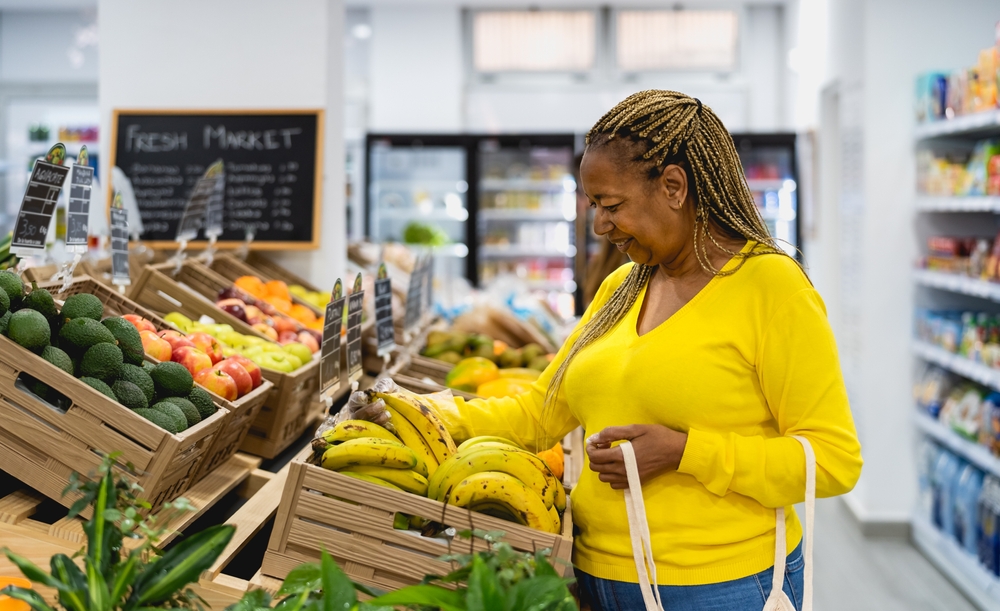
Higher food costs can push seniors toward cheaper, less nutritious options. Retirees may swap fresh produce for processed foods to save money. This shift can negatively affect health, especially for those managing chronic conditions. Nutrition experts warn that food inflation may worsen health disparities among older adults. Rising costs highlight the link between economics and wellness.
Confronting the Real Drivers of Food Inflation
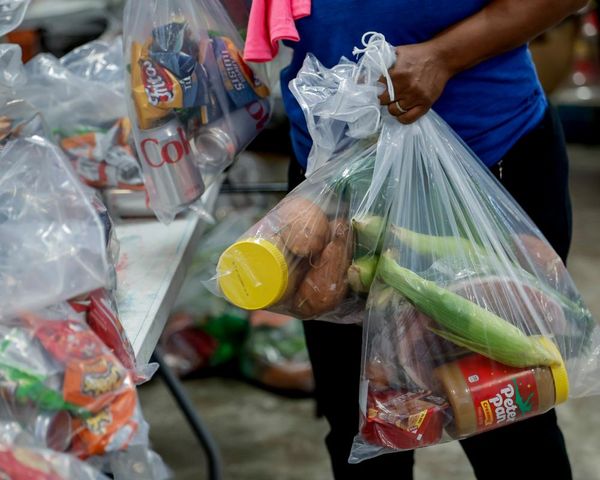
The larger truth is that labor and raw material costs are now the biggest inflation drivers, while food insecurity is worsening—25% of residents face hunger, and food bank visits are up nearly 50% since 2020. For Chicago seniors, this means grocery strain will likely continue, even as community resources provide partial relief. Preparing budgets carefully, seeking assistance early, and exploring alternative shopping strategies can help, but systemic affordability challenges remain. Seniors should expect ongoing pressure at the checkout line and lean on both local support networks and policy advocacy to safeguard their well-being.
Have you noticed higher grocery prices in Chicago this winter? Share your strategies in the comments — your advice can help other retirees adapt.
You May Also Like
- 8 Inflation-Driven Grocery Swaps Seniors Are Making to Stretch Budgets
- Denver Grocery Deliveries Are Becoming More Expensive for Fixed-Income Residents
- 4 Ways Grocery Chains Are Adjusting or Ending Senior Discount Days
- The Financial Benefits of Smarter Grocery Planning
- Are Your Grocery Costs Rising Faster Than Your COLA?