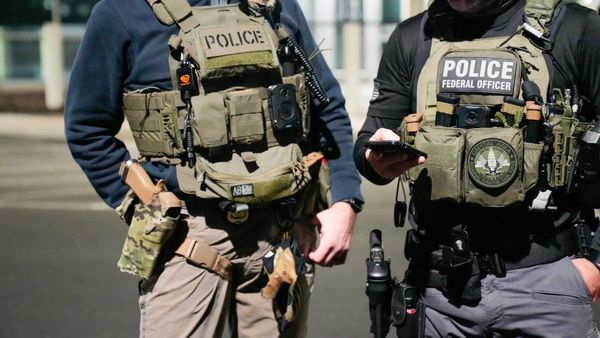
CHICAGO _ Chicago Mayor Rahm Emanuel on Tuesday released his long-in-the-works blueprint to replace the agency that probes police misconduct and to create an inspector general with the power to investigate the Police Department.
He's pushing to get the proposal passed through the City Council in two weeks, as the U.S. Justice Department continues its civil rights investigation into the Chicago Police Department's use of force following the emergence of the Laquan McDonald police shooting controversy last November.
The mayor's overhaul of police oversight calls for disbanding the much-maligned Independent Police Review Authority and replacing it with the Civilian Office of Police Accountability _ or COPA. Unlike its predecessor, the new agency would have more power to investigate alleged police misconduct.
In addition, Emanuel wants to beef up Police Department oversight with the new post of police inspector general _ a position that would be selected by and report to the city inspector general, who is appointed by the mayor. Details of Emanuel plan have trickled out for weeks, but the late Tuesday afternoon posting of the drafted ordinance made his office's work on the matter official.
And while Emanuel has pushed for the City Council to pass the measure at its Sept. 14 meeting, he indicated Tuesday that he may be willing to acquiesce to calls from some aldermen who have indicated they need more time to weigh the issue before a final vote.
"We have had a long but good process to get to this product, and I think it's fair to say even people who are not normally complimentary of my work acknowledge that the product is good, a good foundation, their voices have been heard," Emanuel said Tuesday after an event to mark the opening of a new CTA bus station near Union Station. "I do not want to do anything that would violate that trust."
The mayor's latest plan is part of his ongoing effort to revamp the city's police accountability system, which fell under a harsh national spotlight after a Cook County judge ordered Emanuel to release a police video that showed the fatal shooting of black teen McDonald as he walked away from officers while holding a knife. Officer Jason Van Dyke wasn't charged with murder for shooting the teenager 16 times until hours before Emanuel released the video, leading to widespread accusations of a City Hall cover-up, weeks of street protests and calls for the mayor's resignation.
Both the new oversight agency and Police Department watchdog were recommendations made by the Police Accountability Task Force Emanuel appointed to come up with reforms in the wake of the McDonald shooting video release. But the proposal Emanuel revealed Tuesday does not include another key element recommended by his task force: the establishment of a citizen board that would select the person who will run the police oversight agency.
That citizen board is critical to establishing more trust between cops and the communities they serve, say police accountability advocates who have pushed for far more input on the makeup of that board and who will appoint the members. Aldermen briefed by Emanuel's aides said the mayor has delayed action on that piece of the plan, citing the demand of critics for more public input.
Emanuel would not answer specific questions Tuesday about the proposed community police oversight board _ including whether the mayor's office would get to appoint a majority of the members _ except to say work will continue.
"You're way ahead," Emanuel said. "A lot of people thought that was too big of an issue and wanted to have hearings later. So we decided as it relates to the inspector general and the independent civilian body as it relates to investigations, should move forward. And that doesn't mean we don't continue to work on the other issue."
As for COPA, Emanuel and aldermen have conveyed a sense or urgency in setting up the new agency, given that some of IPRA's current staff has been departing because of the city's uncertain future on police oversight. IPRA Chief Administrator Sharon Fairley told aldermen last week that her agency could have trouble keeping up with cases because of those departures.
Emanuel appointed Fairley to run IPRA after he fired her predecessor in the wake of the McDonald controversy and amid outrage that the agency had drawn no conclusions on the case despite having more than a year to investigate it. Fairley likely would serve as head of COPA _ at least until the new citizen board is put in place, aldermen have said.
In pushing for approval of his plan next month, Emanuel said he is trying to balance the concerns of the community and aldermen about ample time for review against the eroding staffing situation at IPRA.
"I want to be conscious of that equity against the equity that both the community, the public as a whole, and the police officers and the staff over at the accountability offices have certainty about their future, because they are losing staff who are not sure about that future," Emanuel said. "And those are the people you're going to rely on to do the investigations."
Still, Emanuel made it clear that he's willing to back off his September timeline in the name of building trust with skeptics.
"If people need more time, I'm not going to let the process destroy the product. Not 'destroy,' but somehow hamper," Emanuel said. "There's been a lot that's gone into this. If people need a few more weeks to look at it so they feel comfortable, they feel like they've discussed it with their constituents, that's not going to be a stumbling block."
Under the mayor's plan, COPA would not only investigate shootings by cops, but also use of Tasers. And the agency's authority to probe misconduct would be expanded to include alleged Fourth Amendment violations, such as illegal searches and seizures, and alleged psychological coercion and intimidation of witnesses and suspects _ all of which now fall under the purview of the Police Department's bureau of internal affairs and not the civilian-run agency.
Other proposed changes include:
_When COPA makes a recommendation of discipline or firing in a case, the police superintendent would have 90 days to respond. Currently, the superintendent can let recommendations wither on the vine.
_COPA itself would have deadlines, with reports required six months after an investigation is opened and another six months later. Some IPRA cases have gone unreported for years, the Chicago Tribune has reported.
_The agency also could not hire former Chicago cops or Cook County prosecutors unless it has been five years since they left those jobs.
Some of Emanuel's critics and allies alike have balked at the mayor's timetable for approving the ordinance, saying more public input should be sought now that a written proposal has been offered up. But Emanuel already has delayed his proposal once for more City Council public hearings on the issue.
The mayor's top aides also point to the thorough series of hearings his Police Accountability Task Force held in the run-up to that panel issuing its own slate of recommendations. Emanuel has relied on those recommendations for much of the framework he introduced Tuesday.
By moving to gain council approval within weeks, Emanuel also is angling to get a jump on changes that are likely to be mandated as a result of the ongoing Justice Department investigation.