CHOSHI, Chiba -- In the Edo period (1603-1867), the city of Choshi, located on the easternmost tip of the Kanto Plain in Chiba Prefecture, was described as the very end of the country. And Tokawa, which can be found at the very end of Choshi, is the birthplace of the city's fishing industry.
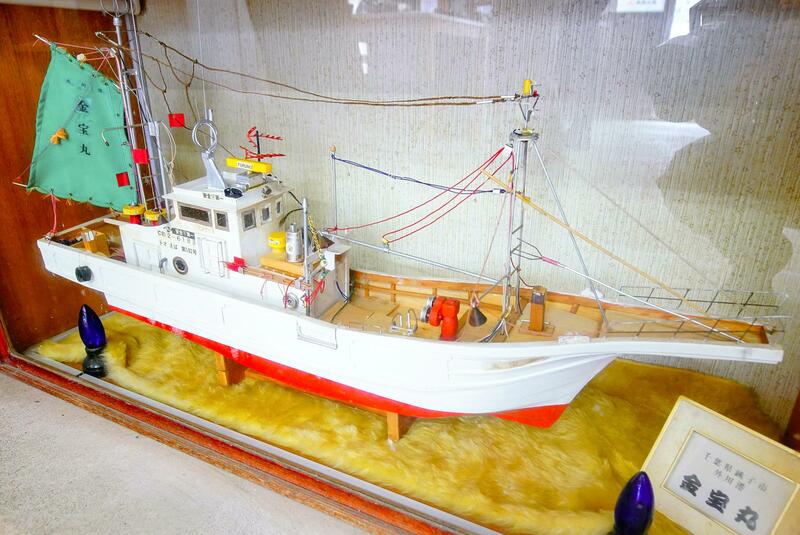
For 10 consecutive years until last year, Tokawa boasted the largest fish landing site in Japan. Its folk museum, Tokawa Mini Kyodo Shiryokan, which exhibits items from age-old fishing gear to fossils, conveys the spirit of the town's oneness with the sea.
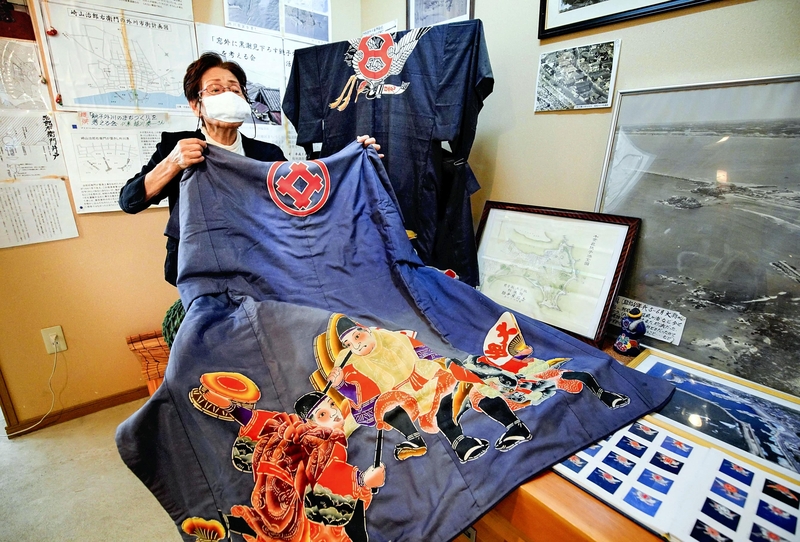
One of the exhibits is a flashy kimono printed with cranes and turtles, both of which are lucky charms. It is a special-occasion dress called maiwai, and it is said to have originated in the prefecture's Boso Peninsula. It was given as a bonus by a shipowner to the crew in celebration of a good catch.
The museum's director Yasue Shimada, 85, was born and raised in Tokawa.
"The rich land surrounded by the sea buzzed with life," she said, recalling the days when fishermen in maiwai swaggered through the streets.
The waters off Choshi where the Kuroshio current collides with the Oyashio current have for a long time offered good fishing grounds. In 1658, fisherman Sakiyama Jiroemon from Kishu, now Wakayama Prefecture, began constructing a port in the Tokawa area. He invited fishermen and merchants from his hometown to help build a town and laid the foundation for Tokawa, which prospered in sardine fishing.
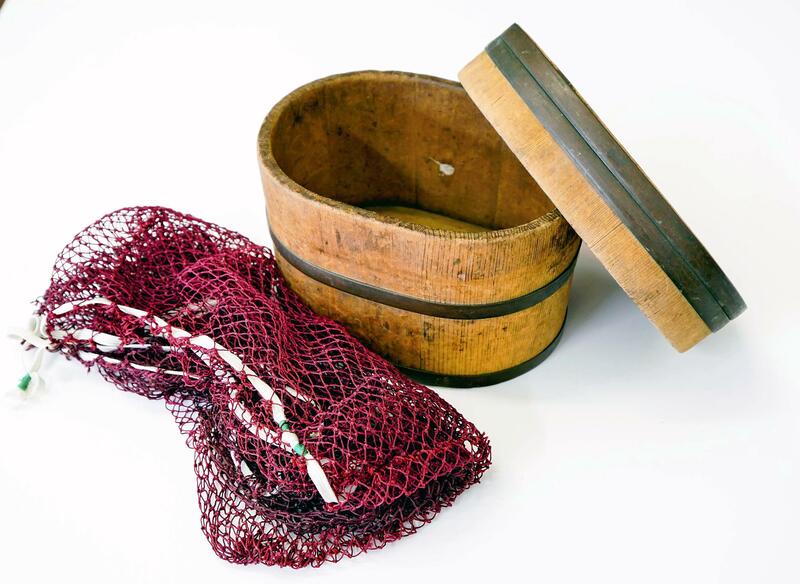
Working at sea is dangerous. The waters off Choshi where the Tone River flows into the sea to create complex tides and waves are known as a chokepoint along with the Naruto Strait in the Shikoku region and off Cape Irago in Aichi Prefecture. Menpa, lunch boxes used by fishermen, also served as floats in emergencies. They were like talismans to protect them from nature -- which brings both blessings and threats.
Although Choshi was considered the end of the country, it wasn't an inaccessible land. In the Edo period, the city was a terminal that transshipped goods from the Tohoku region by boat and sent them to Edo, now Tokyo, via the Tone River. The remnants of such trade names as Sendai-ya, Shinano-ya and Tosa-ya, often used in the local shops, show that the city was a crossroad of traffic and culture. In the Showa era (1926-89), the Choshi Port was installed at the mouth of the Tone River and has since become one of the nation's leading ports that hauls tuna, sanma saury, kinmedai alfonsino and other fish.
Shimada said: "They talk rough, but people here are laid back and friendly. I hope visitors to this area will feel the history and the atmosphere of Tokawa."
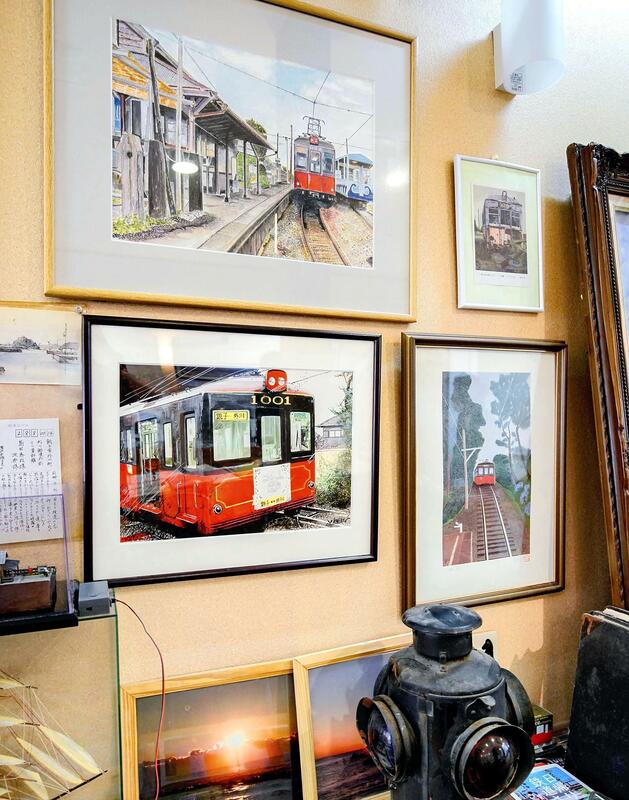
Tokawa Mini Kyodo Shiryokan: 2- 10610 Tokawamachi, Choshi, Chiba Prefecture
Read more from The Japan News at https://japannews.yomiuri.co.jp/