Global shipping disruption has worsened this year and isolated Kiwi businesses are being deemed too risky to trade with by some export markets.
Nelson health beverage maker Chia Sisters has been running low on its star ingredient: chia seeds.
Chia Sisters general manager Bonnie Slade said the global supply chain problems that surfaced late last year have had a long tail.
“I’ve had huge issues getting products into the country, which I think is going to probably continue for a little bit longer because boats are pretty much bypassing New Zealand ports,” Slade said.
“Two of our most popular products have been out of stock for significant periods of time because we couldn’t get key ingredients.”
Like Chia Sisters, most exporters in New Zealand were also importers.
Slade said where the business could, it sourced locally and most of its drinks were made from fruit grown domestically.
But there were also key ingredients that were simply not grown here.
And, in those countries, Covid had exacerbated labour shortages and restricted the movement of goods.
“Some of our suppliers in South America have been affected by Covid in their countries so actual quantities are right down because they haven’t been able to harvest chia seeds."
A shortage of turmeric in Sri Lanka has also hit the company's best selling product, a turmeric and manuka honey hot tonic that did incredibly well in Chia Sisters' Hong Kong market last year.
Competitor Six Barrel Soda came to the company's rescue earlier this year, sending over a couple of pellets of the golden spice.
Following the country of origin sourcing issues were the shipping problems Kiwis faced.
Chia Sisters export markets saw strong growth last year, as health conscious customers in Singapore and Hong Kong lapped up its health beverages amid the pandemic.
Hoping to ride on its export success, the business tried to enter the United States, but six-month talks with a potential distributor fell through because New Zealand was deemed too risky a market facing multiple month-long delays to send and receive shipment.
As Chia Sisters was a B-Corp accredited company, it relied on sea freight to follow through on its low carbon commitment.
Getting quotes from shipping lines was difficult enough, let alone securing bookings for container space, Slade said. It could cost between $2500 and $4000 to ship a container to the US.
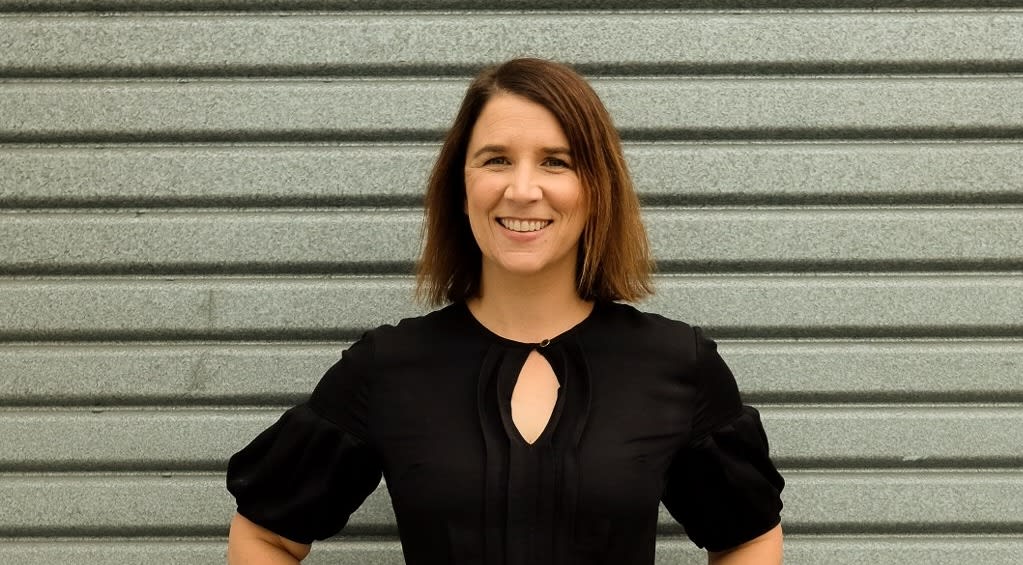
Slade said the company has overhauled its logistics system by setting up secondary suppliers.
“We feel like we’re getting on top of it now, but it has taken a really long time."
The long route to normality
Customs Brokers and Freight Forwarders Federation of New Zealand president Chris Edwards said there was no “one size fits all” solution to overcome global supply chain disruption.
Big box import retailers and large export companies with clout like Fonterra, T&G and Zespri with their own logistics departments have had a markedly different experience to smaller importers and exporters.
“I know some big importers have bought their Christmas stock and it’s already sitting in warehouses. But smaller, medium sized companies may not have that luxury," Edwards said.
While shipping issues started last year because of Covid, the backlog caused by the pandemic has stretched freight companies further this year.
“It’s got worse and more expensive.”
Edwards said it was unlikely prices will drop, but reliability in timeframes was expected to return by the end of 2022 as more ships are built adding capacity to the global network.
He said some businesses have been forced to stop imports because they can no longer afford the large mark ups, while others have changed their supply chains by ordering more at a time, which has put pressure on cashflow.
“I think what we forget is that if you look at any map, we are at the end of the world and hence the end of any supply chain. By the time a ship gets here from Europe or Asia, it's probably already significantly delayed because of issues at other ports that they call [at] on the way down to New Zealand.”
Australian port workers have announced strike action this week, which will likely add further delays.
“I think what we forget is that if you look at any map, we are at the end of the world and hence the end of any supply chain."
– Chris Edwards, CBAFF
Edwards said the supply chain issues highlighted that a strong voice lobbying for small and mid-sized Kiwi exporters was lacking.
The federation has been calling on the Government to ask shipping lines to stop adding further stress to freight woes through other surcharges such as container detention, which was an extra fee importers are having to pay if they cannot empty the container in time.
“You've got normally around seven days to get that container unpacked and returned to what we call an empty container depot. The problem is many of those empty container depots you drive past the motorway in Auckland, are chock a block. Some are running at 200 percent capacity, not helped by lockdowns in Auckland.
“So you’re faced with a really difficult position where you want to return the container you’ve just unpacked, but sometimes there is no room at the depot the shipping line has nominated, but they will still charge you anywhere up to $150 a day for not returning it.”
The federation suggested it was time to look at other models for many in the supply chain such as a “hub and spoke” model with Australia, with small feeder vessels moving back and forth across the Tasman bringing in import containers and taking out export ones for the SME and mid-sized companies, helping avoid port congestion.
"We need to be innovative. The way we move containers around needs to change because the old way isn't working at the moment."