Chelsea flower show 2012: plant trends - in pictures
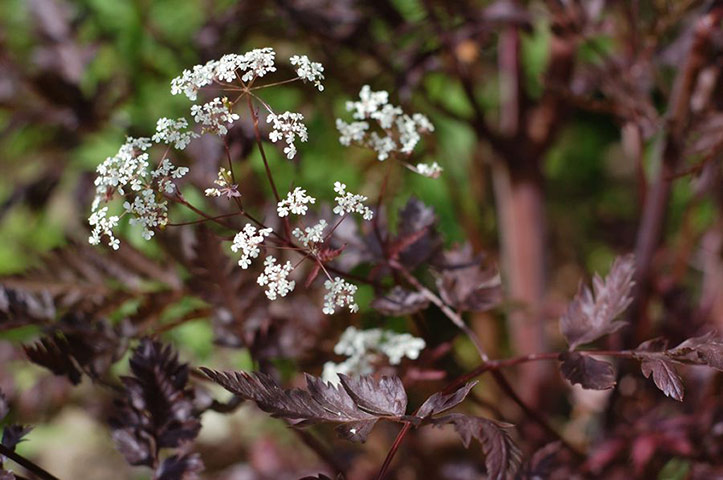
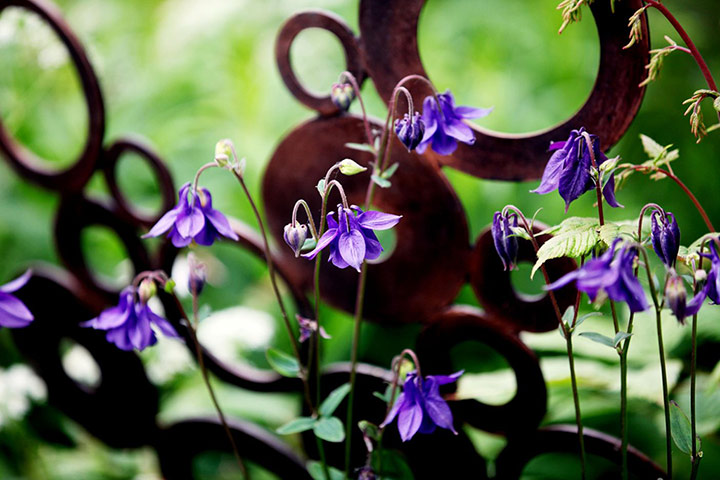
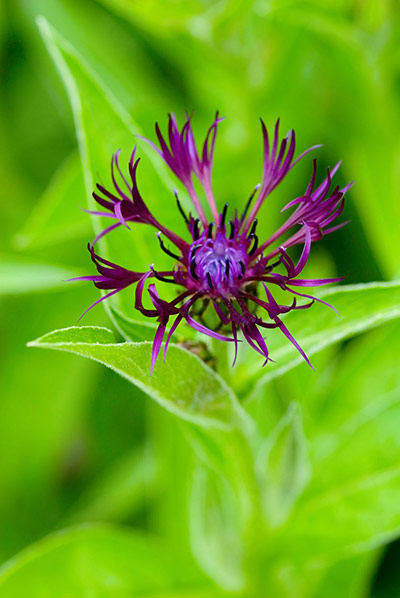
The frothy umbels of Anthriscus sylvestris 'Ravenswing' are so popular among designers that this plant is in danger of becoming a cliche. Try other umbellifers such as Cenolophium denudatum or Daucus carota 'Dara'.Photograph: James Dooley/AlamyAquilegias are a Chelsea favourite, but it's usualy the more refined cultivars that dominate the show - the plum-purple stars of Aquilegia 'Black Barlow' was ubiquitous a few years back, for instance. But this year's trend for wilder, native and naturalised plants has led to a moment in the sun for the old-fashioned granny's bonnet, Aquilegia vulgaris. It's pictured here against the copper rings of the twining sculpture in Andy Sturgeon's garden for M&G. Photograph: Graeme RobertsonAnother cottage garden plant, the perennial cornflower Centaurea montana, has been gaining ground at Chelsea for several years now. This year the cultivar 'Jordy' featured in Arne Maynard's garden for Laurent-Perrier.Photograph: John Martin/Alamy
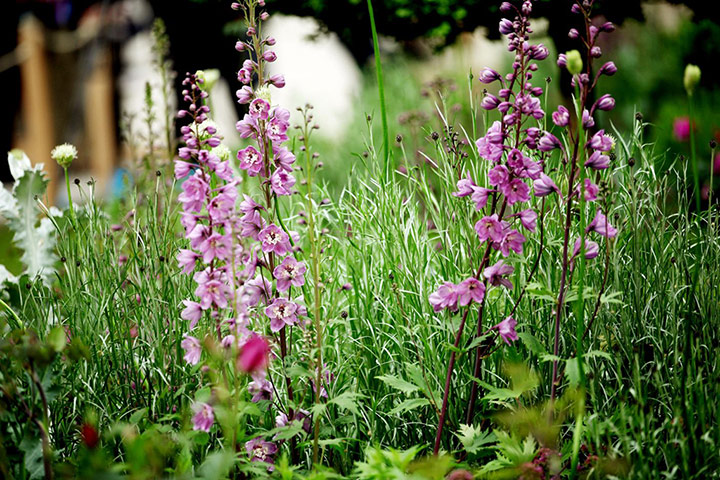
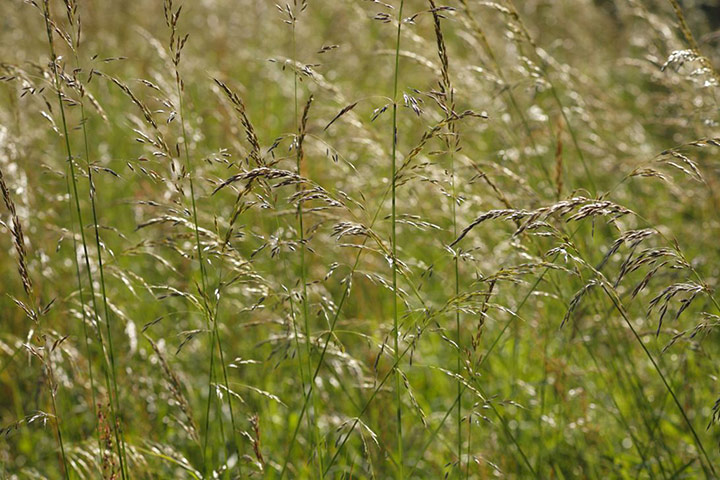
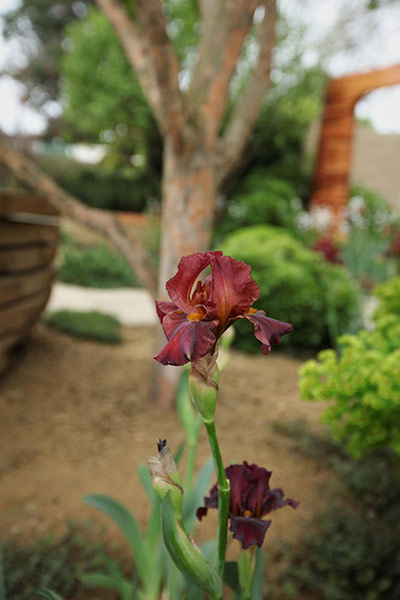
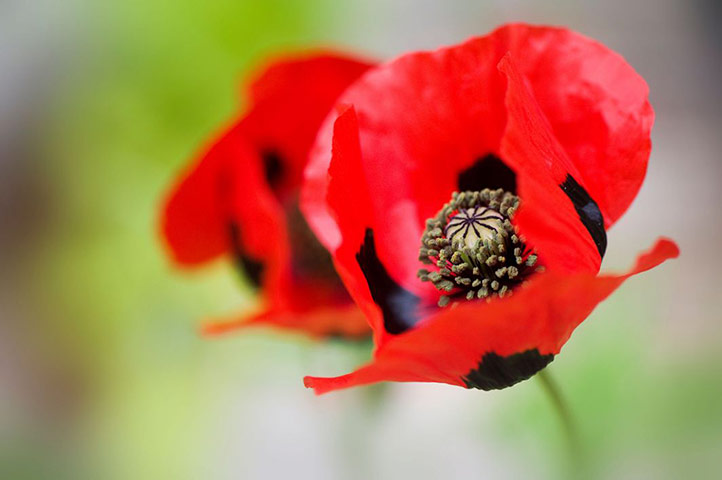
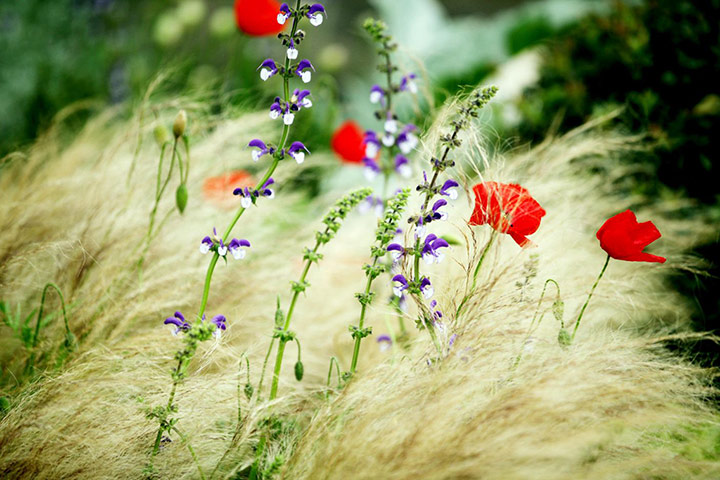
Delphiniums can look fusty in modern settings, but the pinky-purple spires of Delphinium 'Astolat Group' looked stunning in both Arne Maynard and Andy Sturgeon's gardens. Photograph: Graeme RobertsonTufted hair grass combines perfectly the trend for grasses and wild plants. Andy Sturgeon promoted the merits of this grass (Deschampsia cespitosa) in the Guardian back in 2009 and has used it again this year at Chelsea, along with Joe Swift in his Homebase garden and Nigel Dunnett in the RBC Blue Water Garden. For a different look, try Briza media 'Golden Bee', as used by Arne Maynard.Photograph: FLPA/AlamyIrises always feature at Chelsea - there's a drawing of one on the front of the catalogue this year. The rusty shade of Iris 'Langport Wren' was one of the stars of Joe Swift's garden: a colour scheme that had echoes of Andy Sturgeon's use of the cultivar 'Action Front' at Chelsea in 2010. Photograph: Jim PowellCleve West's best-in-show garden used a muted palette of lime greens and whites, punctuated with splashes of red provided by these ladybird poppies (Papaver commutatum). It's worth noting that this is an annual plant, and if you want masses in your garden it's worth growing them from seed. Although they will die away come autumn, ladybird poppies will self-seed if they are happy in your garden. Photograph: Jacky Parker/AlamyPoppies were also dotted through Tom Hoblyn's garden for Arthritis Research UK, but this time it was the field poppy (Papaver rhoeas). Here they are pictured with another notable plant from that garden, Salvia 'Madeline', an unusual bicoloured salvia bred by Piet Oudolf and introduced last year: read more about it on Graham Rice's RHS new plants blog. Photograph: Graeme Robertson
Sign up to read this article
Read news from 100’s of titles, curated specifically for you.