A tragic case that began with a single piece of cheese has ended nearly a decade later after a 13-year-old boy, who spent the last nine years in a vegetative state, passed away after consuming raw milk cheese.
As news of Mattia Maestri‘s tragic story spread online, one netizen warned, “These foods must be handled very carefully, the most dangerous foods compared to others!”
It also raised a troubling question: how could an everyday food leave an otherwise healthy four-year-old with irreversible brain damage?
Medical experts say the answer lies in a little-known but serious complication of E. coli infection that can rapidly turn contaminated food into a life-threatening emergency, particularly for young children.
A four-year-old boy ate raw milk cheese and never woke up from the life-changing illness that followed
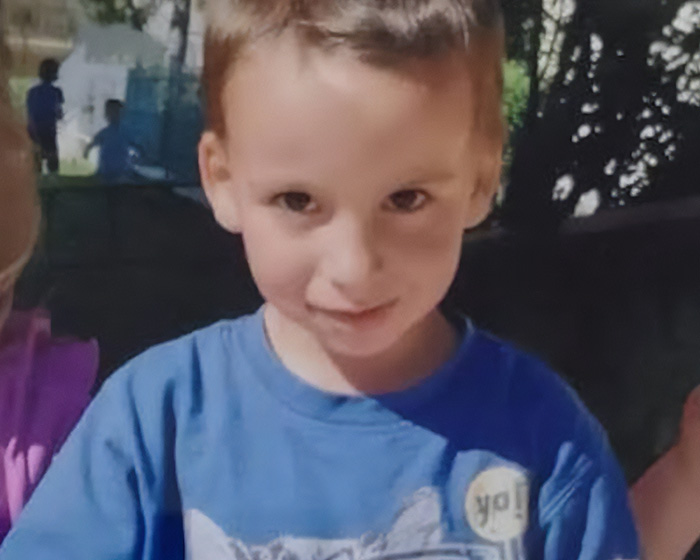
In June 2017, the four-year-old from northern Italy ate a piece of raw milk cheese later found to be contaminated with Escherichia coli (E. coli), a bacteria that is usually harmless but can sometimes trigger life-threatening illness.
Within days, Mattia became critically ill and was diagnosed with Hemolytic Uremic Syndrome (HUS), a severe complication linked to certain strains of E. coli.
The condition attacks the kidneys and can also damage other vital organs, including the brain.

In the days that followed, the child’s condition deteriorated with rapid speed.
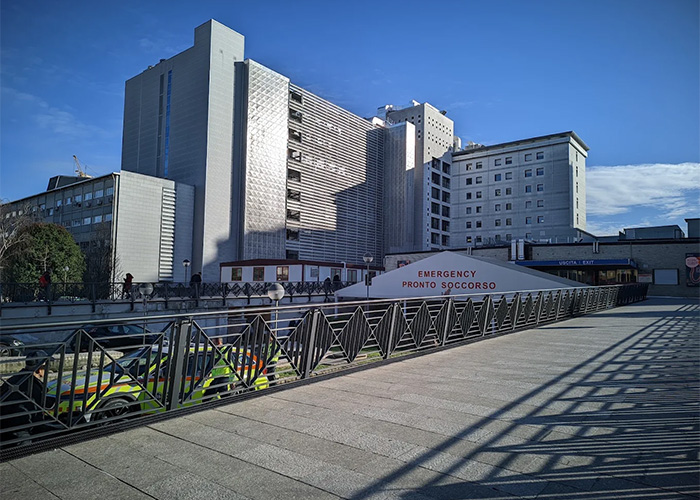
Mattia slipped into a coma and spent a month in intensive care at Padua Hospital before being transferred to a rehabilitation unit, where doctors fought to stabilize him.
Despite extensive medical care, he never regained consciousness.
For the next nine years, he remained in an irreversible vegetative state, relying on dozens of medications every day while enduring frequent epileptic seizures and eventually losing his sight, according to his father, Giovanni Battista Maestri.


After a long battle, Mattia passed away on Sunday, August 2, at the age of 13.
His father confirmed the news through the Italian newspaper Il T, writing, “Our Mattia has left us and, on his behalf, I thank you for helping to make his departure less painful.”
His story went on to become one of Italy’s most widely discussed food safety cases, transforming the tragedy into a nationwide conversation about the hidden risks associated with unpasteurized dairy products.
Maestri went into a vegetative state within days as the infection rapidly caused irreversible brain damage
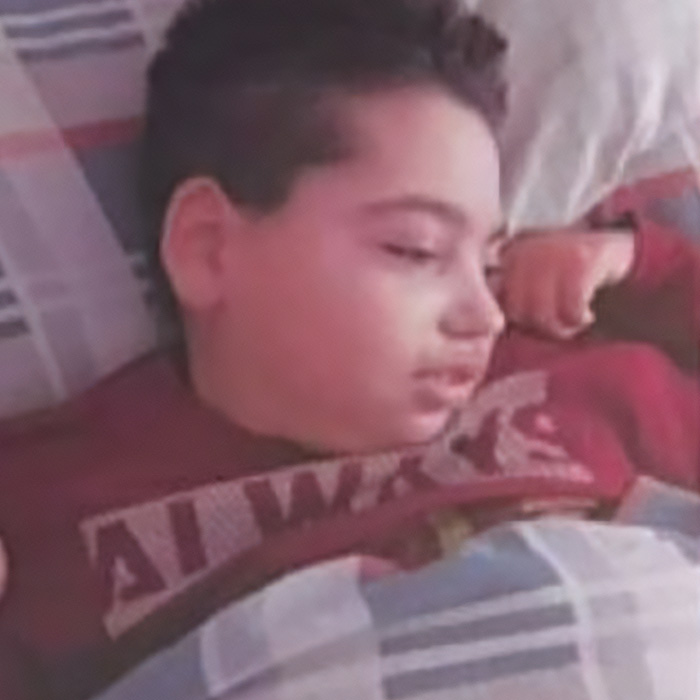
The case drew attention to a little-known fact that while most E. coli bacteria are harmless, certain strains can contaminate foods that millions of people consume every day.
Raw milk cheeses, like the one Mattia ate in 2017, are among the products most commonly linked to serious E. coli infections because they skip the pasteurization process that normally destroys harmful bacteria.
Speaking to Bored Panda, foodborne illness expert Dr. Muhammad Suffyan said many families mistakenly assume commercially sold products are automatically safe.
“Parents think that they can trust any product that can be found in a store. With raw milk cheese, such a belief may be dangerous.”
He explained that while pasteurization destroys E. coli, aging alone doesn’t always eliminate the bacteria.
“Some cheesemakers give false information about the aging process and sell cheese with bacteria in it when it is sold,” he said. “The bacteria in the cheese give it its flavor and taste.”
But experts say the risk isn’t limited to unpasteurized dairy.
Medical studies have linked dangerous Shiga toxin-producing E. coli to a surprising range of everyday foods, including undercooked ground beef, raw milk and cheeses, leafy greens, raw sprouts, unpasteurized juices, and even uncooked cookie dough made with raw flour.
The common thread isn’t the food itself, but how contamination happens.
Ground beef can become contaminated during processing as bacteria from cattle intestines are mixed throughout the meat.
Doctors say what begins as ordinary stomach cramps can quickly become life-threatening if certain warning signs are ignored

Raw milk and cheeses bypass pasteurization, allowing harmful bacteria to survive, while leafy greens and sprouts may pick up E. coli from contaminated irrigation water or animal manure before they ever reach supermarket shelves.
Experts say raw flour can also carry the bacteria because it is an agricultural product that isn’t heat-treated before reaching consumers, making even a spoonful of uncooked cookie dough a potential risk.
Contaminated drinking water is another overlooked source, particularly when it comes into contact with human or animal waste or comes from untreated wells.
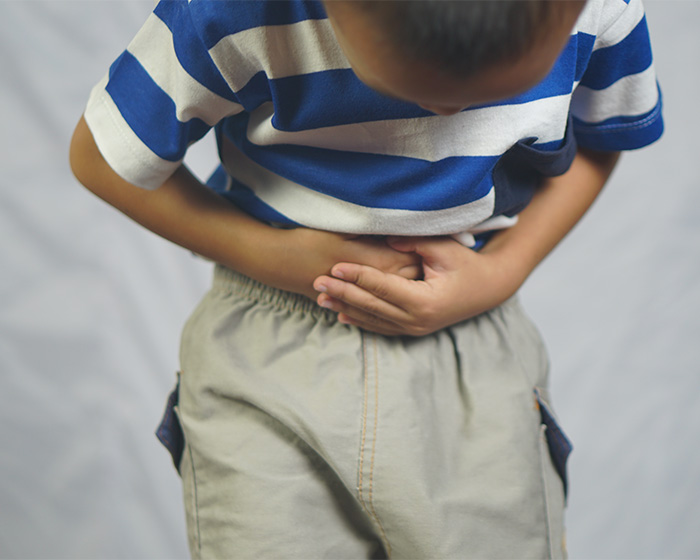
buraratn/Adobe Stock (Not the actual photo)
Health officials also warn that accidentally swallowing contaminated water while swimming in lakes, rivers, or poorly maintained pools can spread the infection.
Notably, most serious E. coli infections are preventable.
Choosing pasteurized dairy products, cooking ground beef thoroughly, washing fresh produce under running water, and avoiding raw sprouts and uncooked cookie dough can dramatically reduce the risk of infection.
ysbrandcosijn/Adobe Stock (Not the actual photo)


Young children face the greatest danger because their immune systems are still developing and they produce less stomach acid to help eliminate harmful bacteria before they reach the intestines.
Their smaller bodies dehydrate much faster than adults, allowing complications to develop far more quickly once the infection takes hold.
For some, the infection remains limited to severe stomach cramps, vomiting, and diarrhea.
One expert warned, “Parents think that they can trust any product that can be found in a store… such a belief may be dangerous
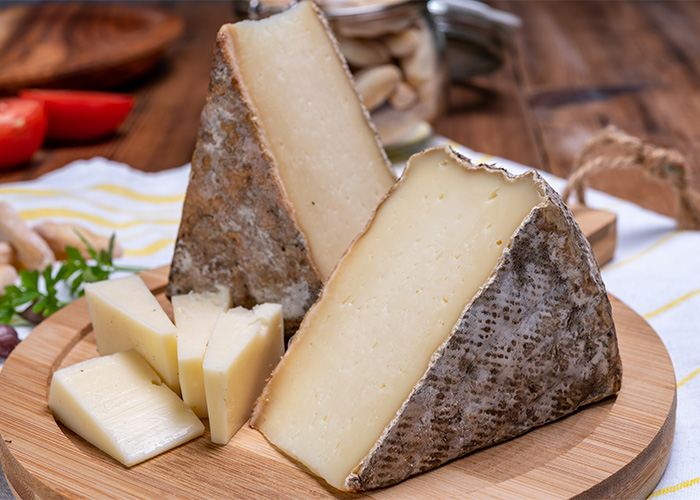
barmalini/Adobe Stock (Not the actual photo)
For others, however, it can progress into Hemolytic Uremic Syndrome (HUS), the same life-threatening complication that left Maestri in a permanent vegetative state.
Most cases of food p**soning resolve within a few days with rest and hydration.
But experts say certain symptoms should never be dismissed, particularly in young children.
Dr. Suffyan said many people mistakenly wait for stomach symptoms to pass on their own, unaware that some E. coli infections can become far more dangerous.
“Most people tend to wait for a stomach upset to take its natural course as they believe that everything will be fine within two days,” he said.
Instead, he urged people to watch for warning signs that go beyond an ordinary stomach bug.
“Pay attention to blood in the stool, which comes without fever. This combination suggests that it is a Shiga toxin-producing E. coli and not just a virus.”
He added that dizziness when standing up, reduced urine output, or signs of dehydration could indicate the kidneys are already under stress and require immediate medical attention.
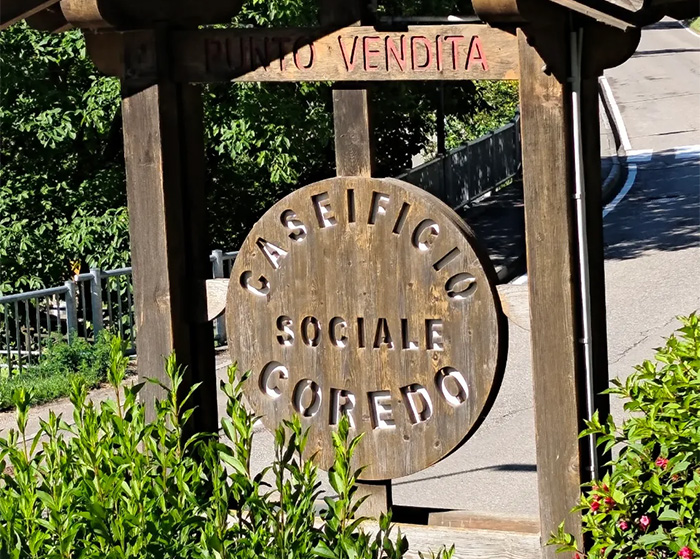
Food safety expert Mark McShane echoed that advice, warning that symptoms such as “severe stomach cramps, persistent vomiting, bloody diarrhea, unusual tiredness, [and] confusion,” should never be managed at home.
He noted that one of the most concerning aspects of Shiga toxin-producing E. coli is that serious complications can develop even after diarrhea appears to improve.
Adding to the list of warning signs, infectious disease expert Dr. Shahzaib said “pale skin is another red flag” that could signal the development of Hemolytic Uremic Syndrome, requiring urgent medical evaluation.
From drinking water to leafy greens, these common foods can carry dangerous E. coli bacteria
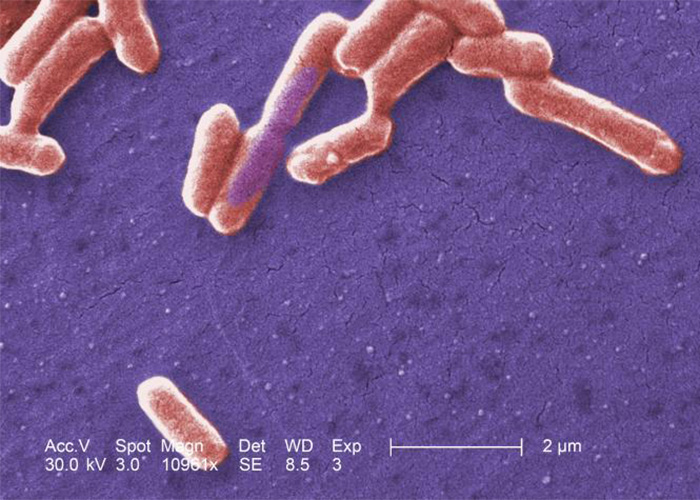
For most people, an E. coli infection causes several miserable days of stomach cramps, vomiting, and diarrhea before they recover.
In a small number of cases, however, the bacteria release a powerful Shiga toxin that enters the bloodstream and triggers a far more dangerous chain of events.
Dr. Shahzaib explained, “The toxins damage red blood cells and the lining of blood vessels, leading to acute kidney failure, low platelet count, and hemolytic anemia.”
Expanding on how that affects children, Dr. Suffyan said the condition damages the kidneys’ tiny blood vessels, allowing small clots to block the organs’ filtering system.
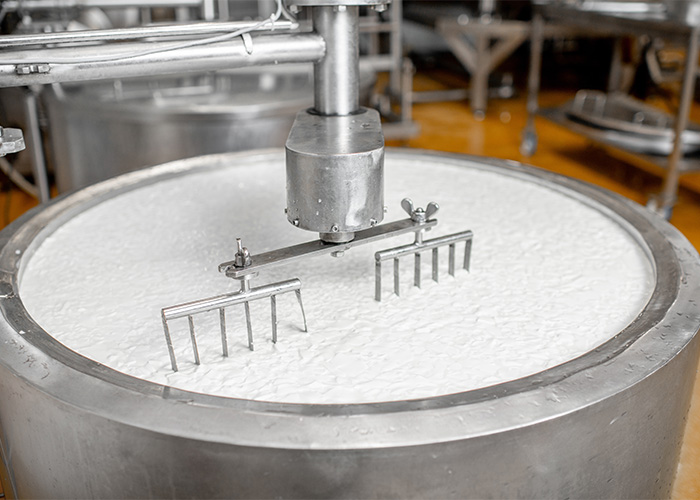
rh2010/Adobe Stock (Not the actual photo)


In severe cases, he warned, “Some children may need dialysis right after the appearance of the first symptoms. Some children may have permanent kidney malfunction, but recovery is possible.”
According to Dr. Shahzaib, young children are especially vulnerable because their immune systems are still developing, making them more likely to develop severe complications than healthy adults.
Although HUS remains rare, doctors say it can cause permanent kidney damage, neurological complications, and, in some cases, prove fatal, making early diagnosis and supportive treatment critical.
Mattia’s father turned his son’s tragedy into a campaign to warn other families about raw milk products
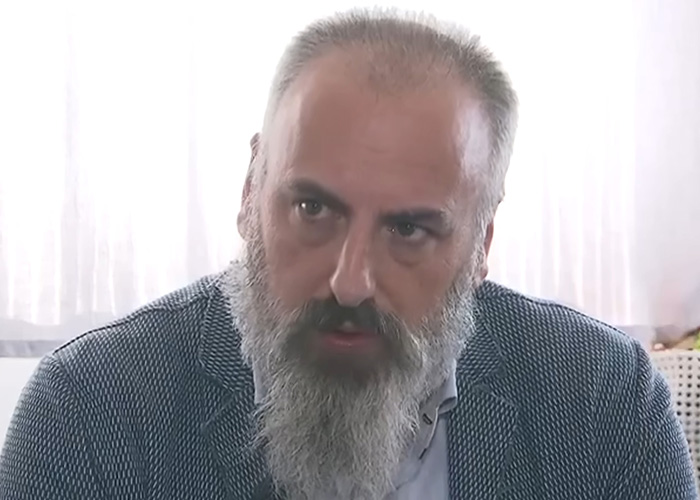
For Giovanni, the fight did not end inside the hospital.
After spending nine years caring for his son at home alongside his wife, who reportedly left her job to become Mattia’s full-time caregiver, he began campaigning to raise awareness about the risks associated with certain unpasteurized dairy products.
The grieving father later wrote a book titled The Truth About the Dangers of Unpasteurized Milk Cheeses and founded a consumer association advocating for clearer health warnings on foods considered higher risk for young children, pregnant women, older adults, and people with weakened immune systems.
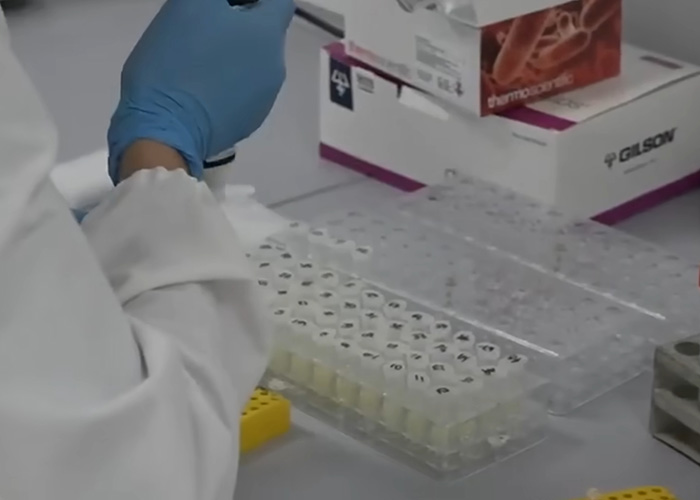
“I couldn’t save my son, but I hope he can save other children. All this suffering must never be repeated,” he said during the book’s presentation at the Italian Parliament, according to Corriere del Trentino.
Italian courts ultimately convicted the former president of the cheese factory and its master cheesemaker over the injuries Mattia suffered, with Italy’s Court of Cassation later upholding the causal link between the contaminated cheese and the infection that changed his life forever.
Even after Mattia’s passing, Giovanni said his mission was far from over.
“Help me ensure that what happened to my child never happens to anyone else,” He said.
“Now I will continue the fight to protect against raw milk products, so as to give meaning to the martyrdom of our Mattia.”
Maestri’s funeral was held on Monday, August 3, in his hometown of Coredo, where family members, friends, and local residents gathered to say goodbye to the boy.
“Absolutely heartbreaking,” one netizen wrote as people mourned the child’s tragic story