I've used ChatGPT Images 2.0 to simulate a meeting with my past self and predict my future. But in both cases, I was trying to make photos that look as real as possible. But what if the AI went the other direction?
A new viral trend has emerged where people asks ChatGPT to turn nice photos into crude, childish drawings like the ones done by kids on MS Paint in the 90s. After a few trials, I landed on a useful prompt to do exactly that. Ask ChatGPT to:
“Remake this image as an inexpert, childish doodle scribbled on MS Paint using a mouse alone."
Basically, you're telling ChatGPT to lean into hesitation, uneven lines, and inexpert artistic skills. Despite that premise, the results are pretty entertaining.
Scribble portrait
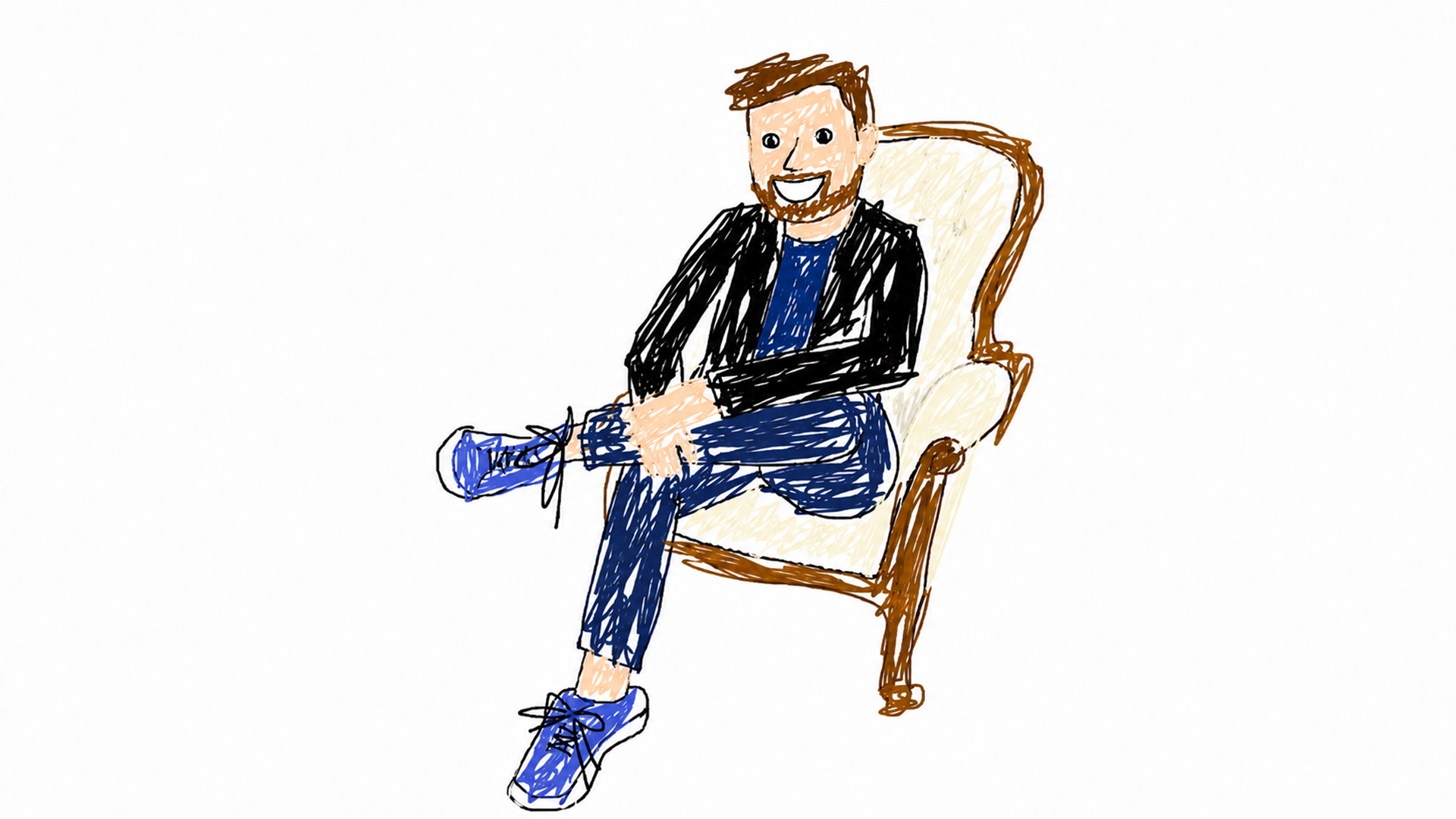
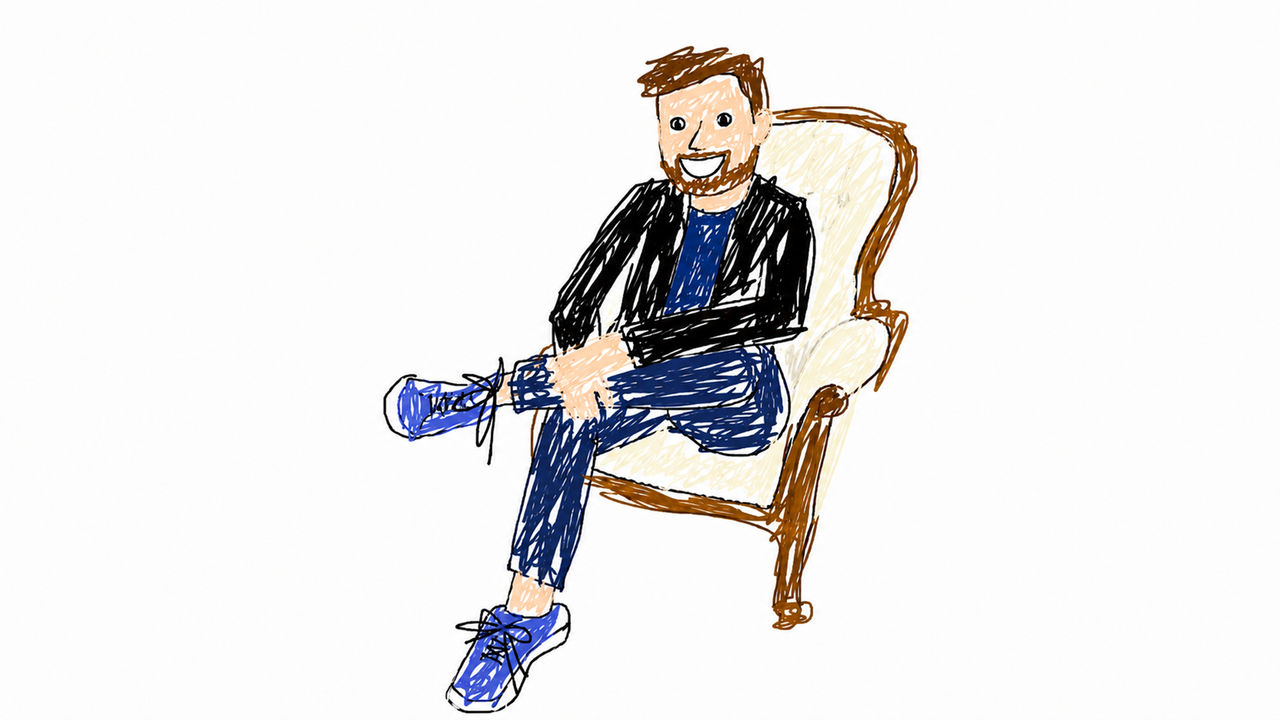
I started with my basic sitting-in-a-chair photo, which has no distractions from the subject. In the scribble version, that entire scene is translated into a series of energetic, overlapping lines. The chair becomes a loose brown outline, its curves exaggerated and slightly uneven, with the backrest suggested by quick, repeated strokes that never fully settle into a clean edge. The cushioning is filled with pale scribbles that drift outside the lines in places, creating a sense that the shape is barely being held together.
My body is simplified into bold blocks of color and outline. The shirt is just a solid blue patch, its edges wavering slightly where the lines do not quite meet. The jeans are rendered in thick blue strokes that ignore folds and instead focus on filling the space as quickly as possible. The face only looks like me if you know what to look for and are feeling generous.
Still, even small details take on a playful quality. The shoelaces are a tangle of lines that loop and cross, and the soles of the shoes are outlined with a thickness that changes mid-stroke. It looks like someone tried to get everything down in record time. It feels like a memory of the photo drawn by a kid who only saw the photo for a brief time.
Doodle traveler
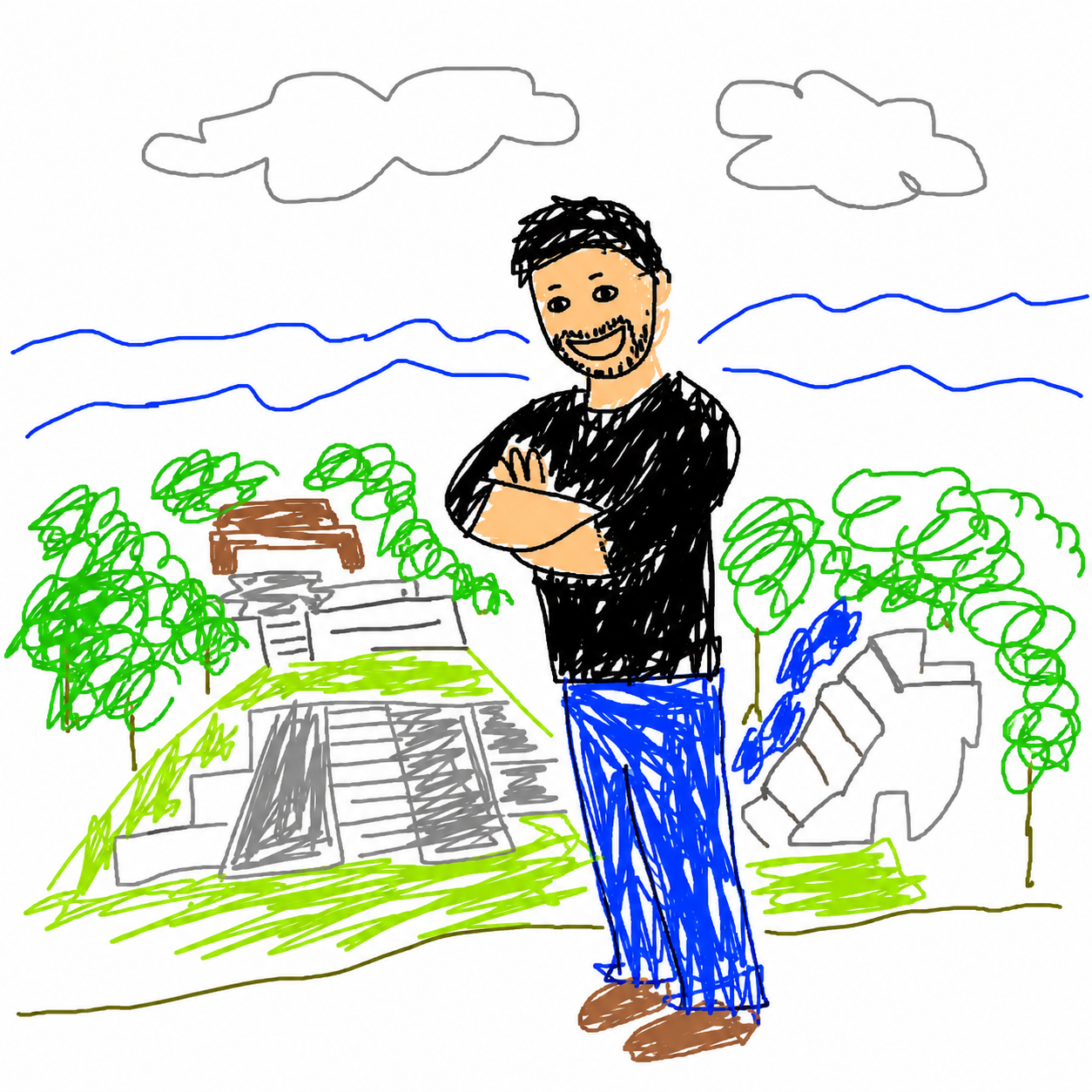
I wanted to see how the scribbles looked with a more complex background, so I used a photo of me in Belize in the jungle. The photo has depth and structure, with greenery stretching into the distance and stone ruins adding texture and history.
The scribble version flattens that complexity into something much more immediate. The landscape becomes a field of green loops and lines, layered on top of each other to suggest trees and hills without defining them. The ruins are reduced to gray shapes with uneven outlines, their steps and edges hinted at through quick, straight strokes that do not quite align.
The complexity becomes a cheerful chaos. The landscape becomes a patchwork of green and gray strokes, with shapes that suggest hills and buildings without fully committing to them. There is a looseness to it very reminiscent of childhood drawings on an old PC.
Scribble in flight
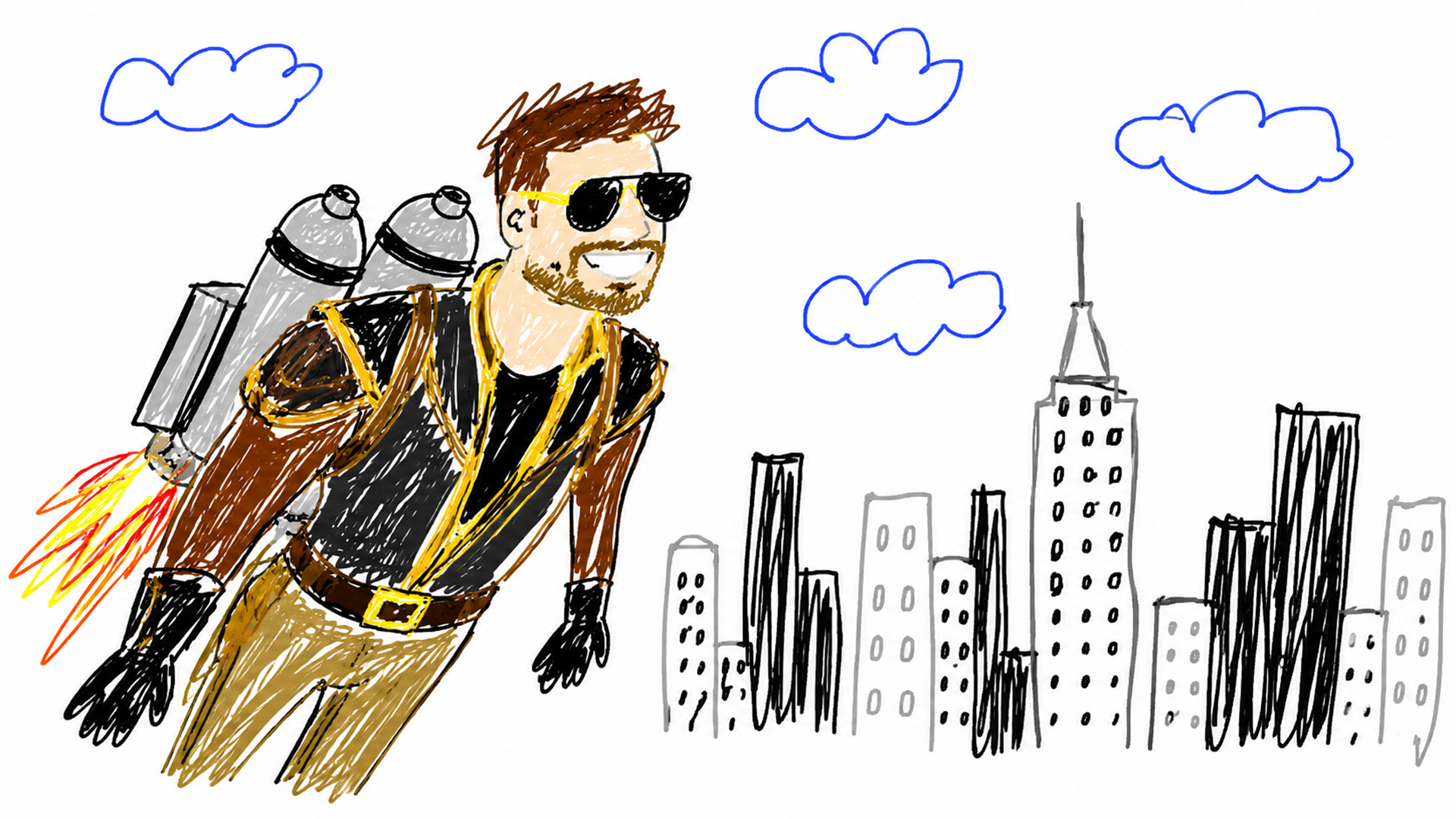
I then went to what was already an AI image from an earlier experiment where I had ChatGPT reimagine me as a jetpack-wearing pulp hero. As a doodle, the jetpack becomes a pair of rounded shapes with simple outlines, connected by lines that suggest straps. The flames trailing behind are reduced to streaks of orange and red, and the city below is a collection of vertical lines and simple rectangles, buildings.
Because the original image is already fantastical, the scribble version feels like a child’s drawing of an imagined scene. The imperfections amplify the sense of play.
What makes this experiment linger is not just the novelty of seeing a polished photo redone childishly. But while the drawings are messy, they are not random. Each one keeps just enough of the original structure to stay recognizable, which makes the distortions feel like a choice rather than a failure. It is the difference between something being badly drawn and something being drawn badly on purpose.