Nearly three months after a majority of voters endorsed the idea of a new constitution, the political establishment remains divided over how -- or whether -- genuine constitutional reform should proceed.
The delays have reignited long-standing criticism that the constitutional amendment process is designed to prevent substantive change, particularly when reforms could alter the balance of power among parties, the Senate, courts and the traditional ruling establishment.
The referendum held on Feb 8 delivered a strong symbolic mandate. More than 21.6 million voters, or 58.6% of eligible voters, approved the proposal to draft a new constitution. Yet analysts say the referendum was never the endpoint. Thailand's 2017 constitution remains in full force until an entirely new charter is completed, approved by parliament, and endorsed through another referendum.
Since the vote, however, progress has been delayed through the formation of new study committees, procedural disputes in parliament and disagreements over the role of the Senate. Critics, including the opposition People's Party (PP), argue these tactics amount to "kicking the can down the road" rather than honouring the public mandate for reform.
The controversy escalated after cabinet resolutions on May 5 and May 12 approved only 34 pending draft bills for reconsideration under Section 147 of the constitution, following the dissolution of parliament on Dec 12 last year. A total of 116 bills had remained pending from the previous legislature, including legislation proposed by the cabinet, MPs and citizens' groups.
Notably absent from the list was the constitutional amendment bill seeking to revise Section 256 and create a new Chapter 15/1 to establish a Constitution Drafting Assembly (CDA). That bill had already passed its first reading in parliament before the dissolution.
The omission immediately raised questions about the seriousness of the government led by Prime Minister Anutin Charnvirakul regarding constitutional reform.
For many observers, the govern- ment's decision could effectively reset the amendment process back to square one.
No strings attached
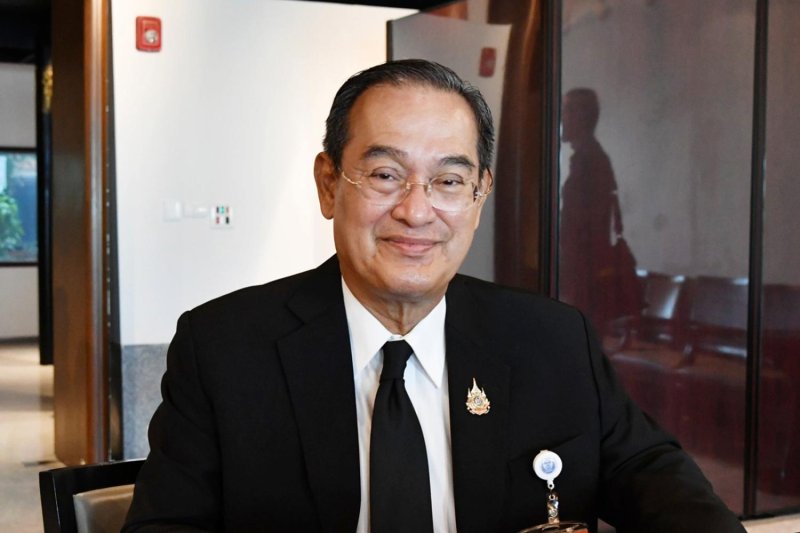
Nikorn Chamnong, a party-list MP from the Bhumjaithai Party (BJT), defended the government's position, arguing the referendum only endorsed the principle of having a new constitution and did not require parliament to continue using the old draft amendment bill. Mr Nikorn said the previous draft contained too many unresolved conflicts, particularly over Senate powers and the structure of the Constitution Drafting Assembly.
He said BJT would instead submit its own amendment draft during the current parliamentary session, insisting the party with 192 MP seats under its belt now had enough parliamentary support to proceed independently (the party in fact submitted a bill yesterday, but Mr Nikorn was speaking before that occurred).
"The referendum did not say we must use the previous draft," he said. "That draft belonged to another political context and had many problems."
Mr Nikorn said earlier reform efforts collapsed largely because of disagreements over the Senate's voting powers. Under the current rules, constitutional amendments require support from one-third of senators, effectively giving the upper chamber veto power over reform.
He admitted many senators were unwilling to surrender their authority. "The heart of the previous breakdown was the Senate issue," he said. "If reform is to succeed, we must draft a proposal ourselves."
BJT's proposal would seek a compromise formula rather than abolishing Senate participation in the charter rewrite altogether. Mr Nikorn suggested reducing the Senate threshold while maintaining some upper-house role in constitutional amendments.
He also insisted that any new drafting process must avoid direct conflict with prior Constitutional Court rulings. One critical proposal under discussion is an indirectly elected CDA chosen through provincial mechanisms rather than direct nationwide elections.
Mr Nikorn said BJT prefers a model inspired partly by the 1997 so-called People's Constitution, widely regarded as Thailand's most democratic charter. At the same time, he stressed that Chapters 1 and 2 of the constitution -- concerning the state and the monarchy -- would remain untouched.
Mr Nikorn estimated that revising Section 256 alone could take six to seven months, after which another referendum would be required.
Establishing a drafting assembly would then take at least another year, followed by the actual drafting process and a final referendum.

Regrettable setback
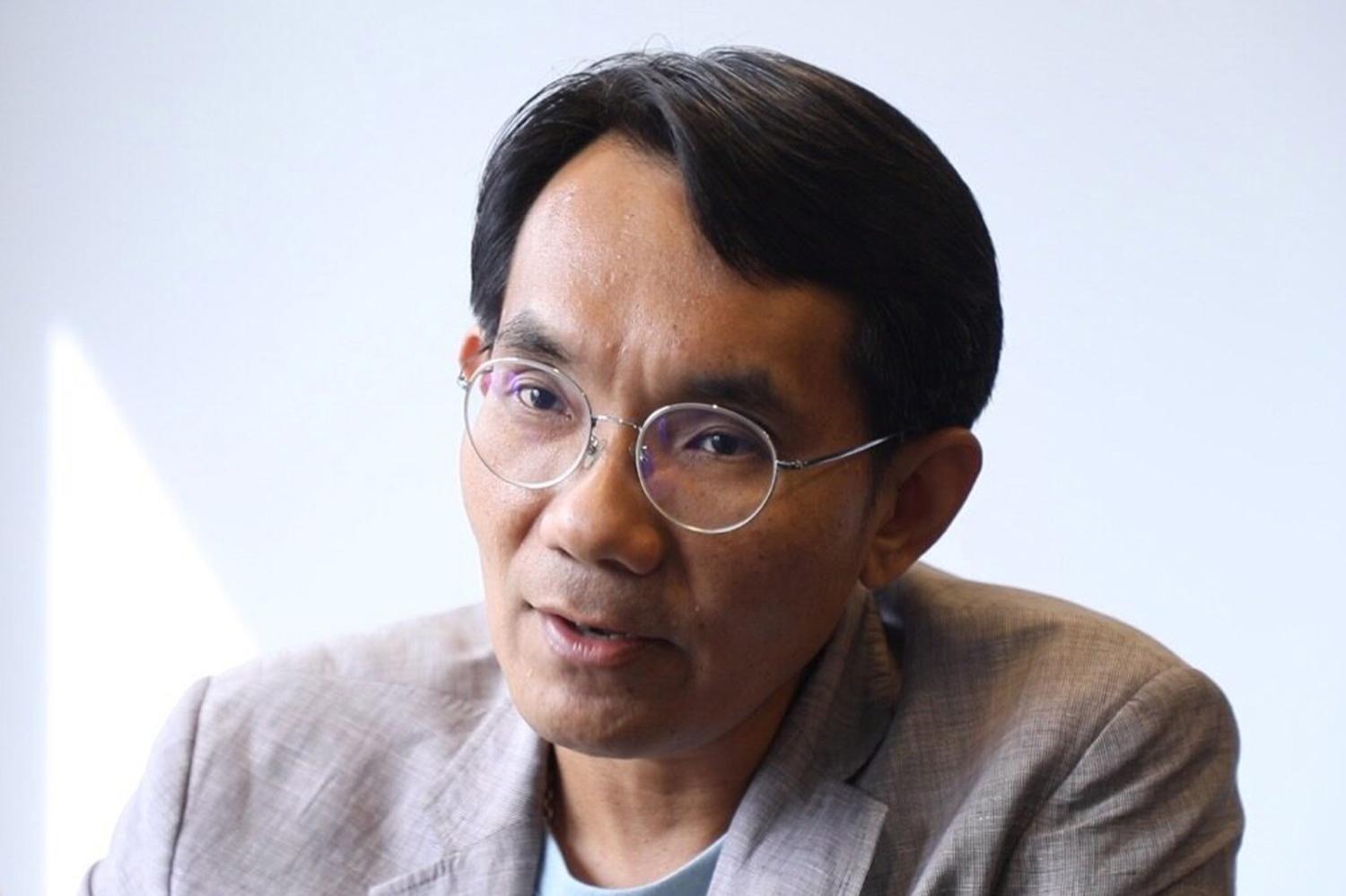
Constitutional law scholar Pattana Rueanjaidee, a lecturer at the Faculty of Law at Ramkhamhaeng University, criticised the government for abandoning the previous draft amendment bill instead of using it as a starting point.
"It is regrettable," Mr Pattana said. "The draft had already been substantially completed. The unresolved issue was mainly about Senate voting powers."
Restarting the process means discarding months of negotiations and consensus-building among parties. He argued the government's actions contradicted earlier public statements promising swift progress after the referendum result.
"The prime minister himself said that when 21 million people support a new constitution, the process should move quickly," he said. "But after May 12, the old draft disappeared completely, and everything must begin again.
"The referendum does not force the government to act within any timeframe," he said. "That means the government can simply drag things out."
He suggested reviving the previous draft amendment framework rather than reopening every debate from scratch. In his view, the amendment process is only the beginning of a much longer journey. Public hearings, drafting negotiations and further referendums would still follow.
Still, Mr Pattana acknowledged political realities surrounding Senate powers. He argued that opposition parties, especially the PP, may need to make a compromise because "You cannot realistically ask senators to vote for removing their own power," he said.
The government's sincerity will also be tested. "The government should not pretend to move forward while quietly stretching the timeline."
Structural resistance
Political scientist Olarn Thinbangtieo, deputy dean of the Faculty of Political Science and Law at Burapha University, offered an even more sceptical assessment.
The debate, he said, speaks not only about government hesitation but also deeper structural resistance from traditional power networks. "Bhumjaithai has always been more comfortable with piecemeal amendments rather than a complete rewrite," he said.
Mr Olarn said the referendum result created public expectations for sweeping reform, especially after the state spent billions of baht organising the vote.
However, he believed influential conservative networks continue to benefit from the current constitution and so have little incentive to support systemic change.
"The constitution has already proven capable of protecting elite interests ... by enabling the system to eliminate political opponents through constitutional mechanisms. There is almost no possibility that rules benefiting these groups will be seriously touched," he said.