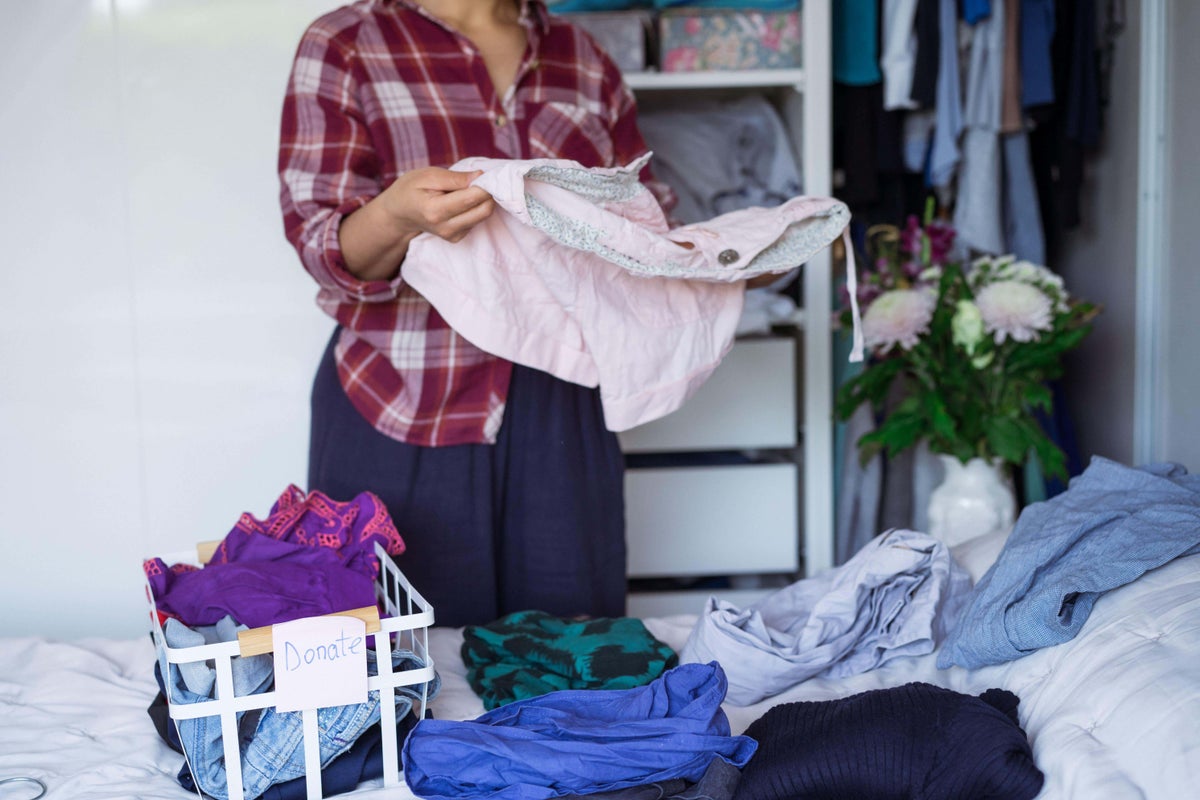
It can be incredibly satisfying, having a proper clear-out, especially when you know that lots of the stuff you no longer want or need could go to a charity shop. But not all donations are equal, and there are items better destined for the tip…
“Donations are very important. Without them, we wouldn’t have a charity shop,” says Gerry Golden, shop manager at Emmaus Dover; Emmaus UK is a homelessness charity with branches across the UK. “Things can get a second life.”
But how can you tell whether your unwanted items are going to be loved by someone else? We quizzed Golden on what you need to know before dropping a box of stuff off at your local charity shop…
Key questions to ask yourself
When deciding what stuff to bag up for the charity shop, Golden says: “You need to think: will it sell? Is it useful? Can someone benefit from it?” If you think it’s a real goner, it probably is. “People need to be conscious of what they’re donating, and if it is suitable for reuse, and if not, with the greatest respect, please go to the tip with it.” says Golden with a laugh.
Pre-loved furniture usually welcomed
A little bit of minor cosmetic damage isn’t always a dealbreaker though. “People donate some very valuable furniture that’s got a small chip in it, and there are a lot of customers now who do their own upcycling projects,” adds Golden. “We sell a lot of cheaper-end chest of drawers and tables, for £10, £15, £20, and people are doing them up. They love it.”
Most charity shops, however, aren’t in a position to fix broken items, but some, such as Emmaus Dover, may have workshop facilities where minimal repairs can be made – check before dropping an item off.
Health and safety issues
Again, not all charity shops accept furniture, and the ones that do generally expect items to “have a fire label, unless it’s pre-1950s”. “We don’t want any missing parts, so if someone donates a sofa and it’s got no legs,” adds Golden. “Glass has to have the kite mark, unless it’s Victorian or something like that.” And Emmaus won’t take any safety or large sports equipment “because of the health and safety risk”. Not every charity shop takes electrical items either – Emmaus, for instance, won’t accept printers or Sky boxes – but for items they do take, they’ve got to be operational. Emmaus PAT tests items so buyers know they’re safe: “We don’t sell any electrical items unless they’ve been PAT-tested [Portable Appliance Testing].”

Bring in your bric-a-brac
“Bric-a-brac sells. Our bric-a-brac is about 25% of our total sales in the shop, and it’s amazing. People love walking around and seeing the bric-a-brac,” says Golden. “Clothing is always welcome. And good-quality sofas, they always sell.”
“Clothing is a big one, because we have a lot of people call us who are in need,” he adds. “They’ll say to us, ‘What can you give us?’ We’ll always look after them.”
Clothes are the bread and butter of most charity shops, but always think about whether or not something is truly wearable before donating. Heavily stained, ripped or worn through clothing won’t make it onto the rack. Charity shop staff will go through clothing donations and “we rag it, if it’s damaged”, says Golden, explaining they’ll bag up unsellable items and use an ethical rag company to reuse and recycle them.
Seasonal items
Don’t bin your Christmas stuff in June, or your Halloween items in February either – charity shops tend to hold onto season items until they’re needed. “Any Christmas stuff that comes in, it goes in a big cage marked ‘Christmas’. The same with Valentine’s. I’ve just done my Valentine’s display in the shop,” says Golden. “We never throw away anything like that. We’ll always keep it.”
When to donate
Crucially, don’t drop donations off out of hours, or leave them on the doorstep of your local charity shop. The best time to donate? “Anytime we’re open,” says Golden.
Eight ways that people could get on top of their finances at an ‘admin party’
What money questions could couples discuss to help financial compatibility?
How a TikTok trend is making personal finance admin a communal activity
I’m a consumer writer – these 10 clever Tesco Clubcard tricks can help you save
Many Gen-Z adults ‘started to consider investing when they were teenagers’
British supermarket named UK’s favourite for fifth year in a row